Photothermal-Responsive Phase Transition of Proteoliposomes for Heat Shock Protein Sequestering against Cancer Thermoresistance
Kai Cheng, Yongxu Han, Fang Zhang, Biquan Li, Bin Zeng, Yuan-Di Zhao, Jiang Xia

TL;DR
This paper introduces a new proteoliposome system that uses heat to both trigger cancer cell damage and block protective heat shock proteins, improving the effectiveness of photothermal therapy.
Contribution
A novel photothermal-responsive proteoliposome system that sequesters heat shock proteins via phase transition to overcome cancer thermoresistance.
Findings
VOx@ELP-PL induces hyperthermia and enhances HSP expression in cancer cells.
ELP-PL undergoes liquid–liquid phase separation to sequester HSPs and disrupt thermoresistance.
The system promotes immunogenic cell death and shows effective cancer treatment in a mouse model.
Abstract
Photothermal therapy (PTT) has garnered considerable attention for its noninvasive and localized treatment advantages. However, in response to PTT-induced hyperthermia, cancer cells increase the expression level of heat shock proteins (HSPs) and activate thermoresistance to shield themselves from heat-induced damage, thereby diminishing the efficacy of PTT. To overcome thermoresistance, here we have developed an on-demand responsive proteoliposome (PL) system. This system consists of PLs formed by a phospholipid conjugate of an elastin-like polypeptide (ELP) with vanadium oxide nanozymes (VOx NZs) incorporated in the lumen, referred to as VOx@ELP-PL. Upon photoirradiation, the enclosed VOx NZs generate a photothermal effect, inducing hyperthermia and enhancing HSP expression in cancer cells. Concurrently, as the temperature surpasses a critical threshold, ELP-PL undergoes liquid–liquid…
Genes, proteins, chemicals, diseases, species, mutations and cell lines named across the full text — each resolved to its canonical identifier and authoritative record.
Click any figure to enlarge with its caption.
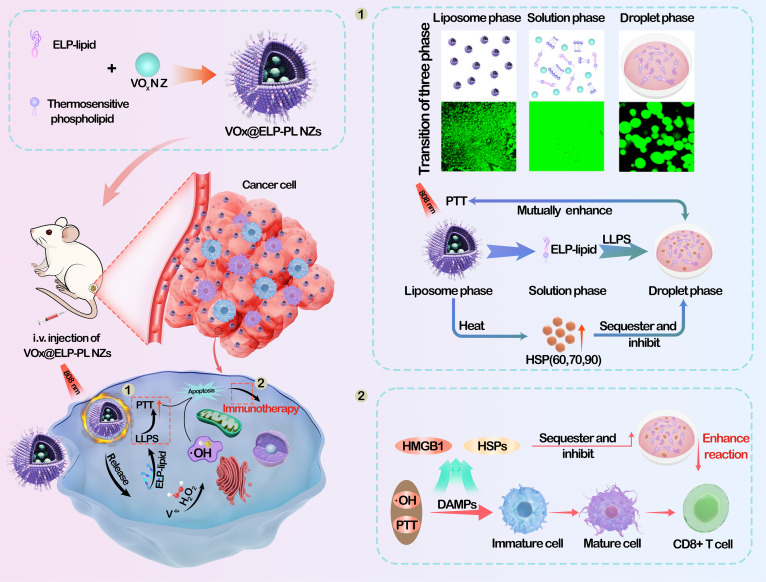 Figure 1
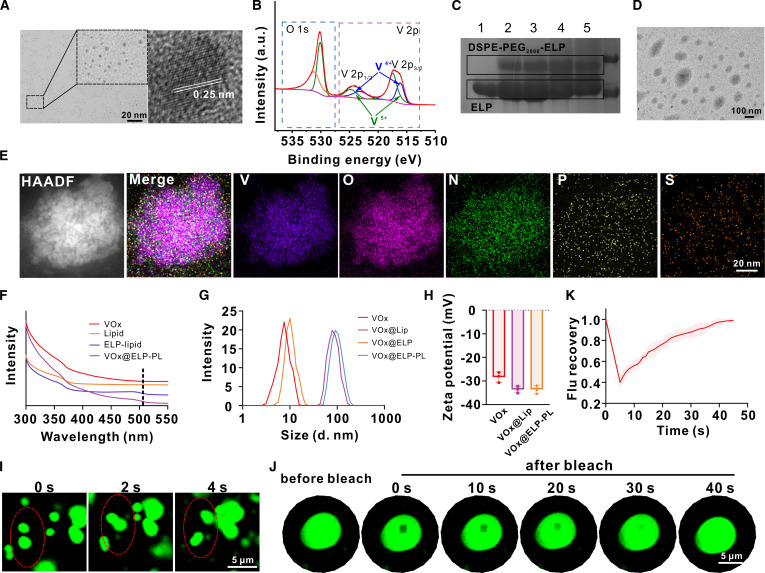 Figure 2
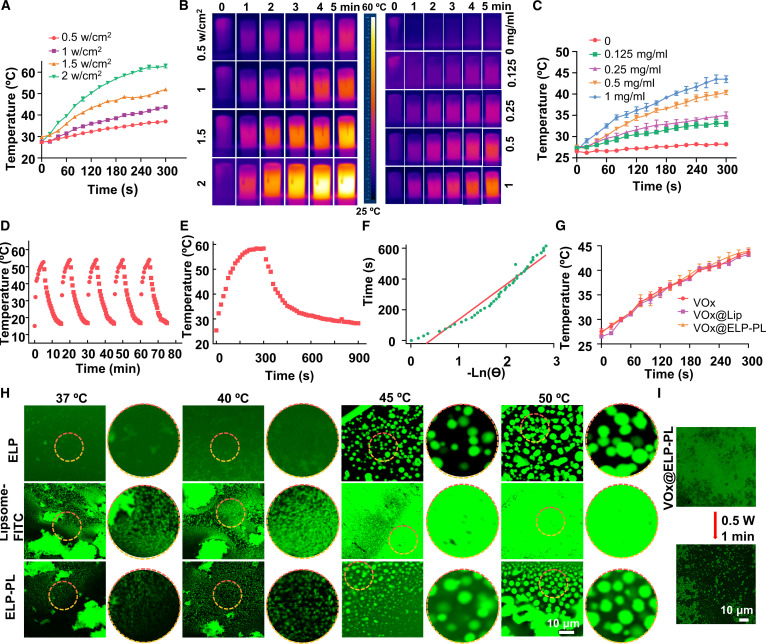 Figure 3
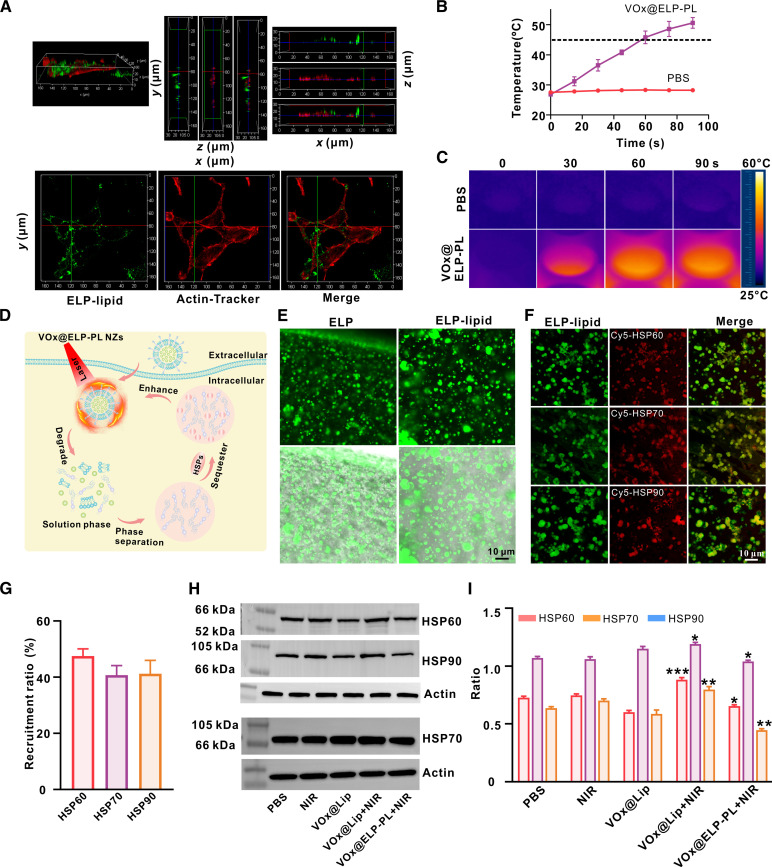 Figure 4
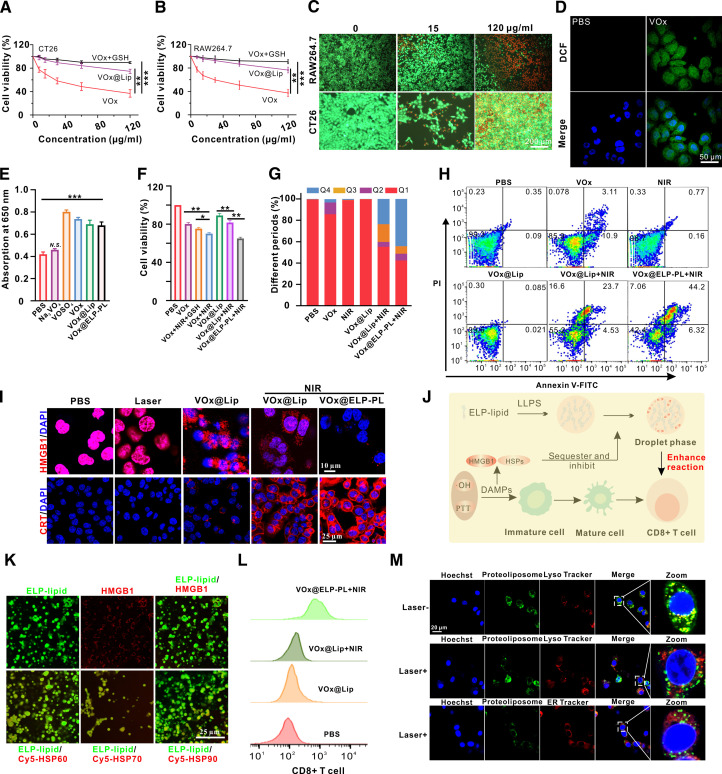 Figure 5
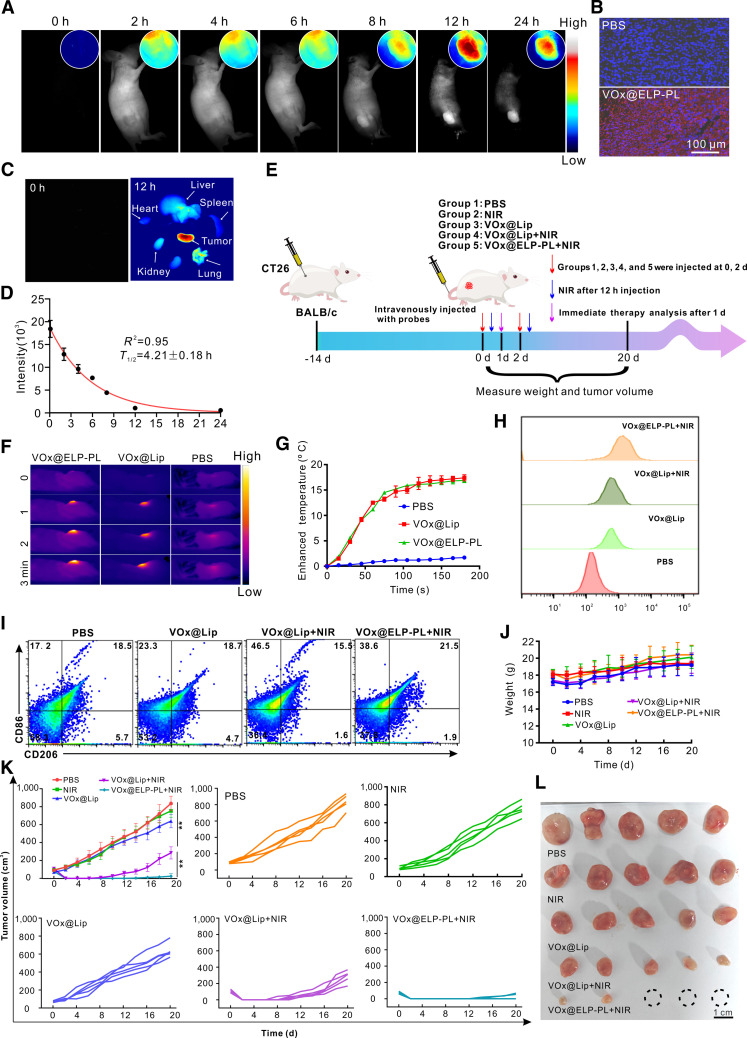 Figure 6
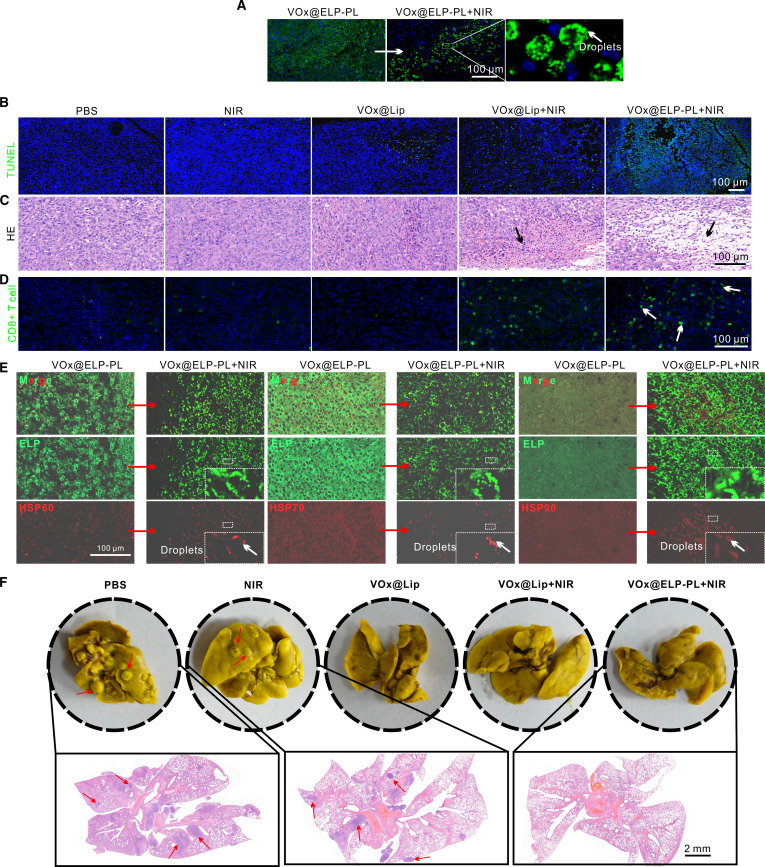 Figure 7
Peer Reviews
No public reviews on file for this paper yet. If you reviewed it on a platform where reviews are public (OpenReview, ICLR, NeurIPS, ICML), you can paste yours below so the community can read it here.
Videos
No videos yet. Explain this paper in a talk, walkthrough, or lecture? Add one.
Taxonomy
TopicsRNA Interference and Gene Delivery · Heat shock proteins research · Gold and Silver Nanoparticles Synthesis and Applications