IFNγ-induced antigen loss in chimeric antigen receptor-T cell therapy
Miao Cao, Jasmine Alvarez, Ramkrishna Mitra, Michael Xu, Trevor R. Baybutt, Zhengyang Sun, Oluwatobiloba Taylor, Allison S. Doermann, Ross E. Staudt, Scott A. Waldman, Adam E. Snook

TL;DR
This study reveals how IFNγ, a molecule that usually helps T cells fight cancer, can instead cause cancer cells to hide from treatment in colorectal cancer, and suggests ways to counteract this effect.
Contribution
The study identifies a novel IFNγ-mediated antigen loss mechanism in colorectal cancer cells that limits CAR-T and BiTE therapy efficacy.
Findings
IFNγ secreted by activated CAR-T cells causes bystander colorectal cancer cells to lose GUCY2C antigen.
Antigen loss is mediated through IFNγ receptor, JAK, and cellular stress signaling pathways.
Antigen loss can be reversed using anti-IFNγ antibody, JAK inhibitors, or ER stress relievers.
Abstract
FDA-approved chimeric antigen receptor (CAR)-expressing T cell therapies (CARTs) have revolutionized the treatment of blood cancers. Yet none have been successful for "solid" tumors, such as colorectal cancer (CRC), the 2nd leading cause of cancer deaths. Guanylyl cyclase C (GUCY2C) has emerged as a clinical-stage target for CART and bispecific T-cell engager (BiTE) therapies in CRC. IFNγ has been canonically recognized as beneficial for the effector functions of T cells by enhancing antigen processing and HLA presentation and is essential for CART targeting of solid malignancies by inducing adhesion molecule expression for synapse stabilization. Using in vitro co-culture systems, conditioned media experiments, cytokine screening, pharmacologic inhibition, CRISPR-Cas9 knockout, and transcriptomic analyses, we investigated mechanisms of GUCY2C antigen loss in CRC cells exposed to…
Genes, proteins, chemicals, diseases, species, mutations and cell lines named across the full text — each resolved to its canonical identifier and authoritative record.
Click any figure to enlarge with its caption.
 Figure 1
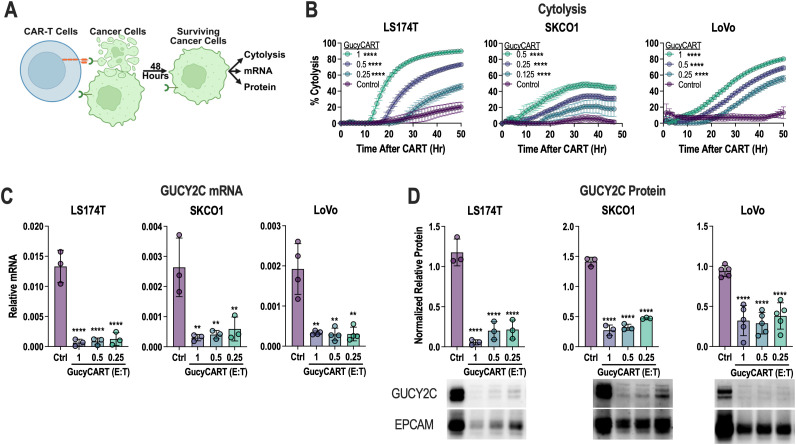 Figure 2
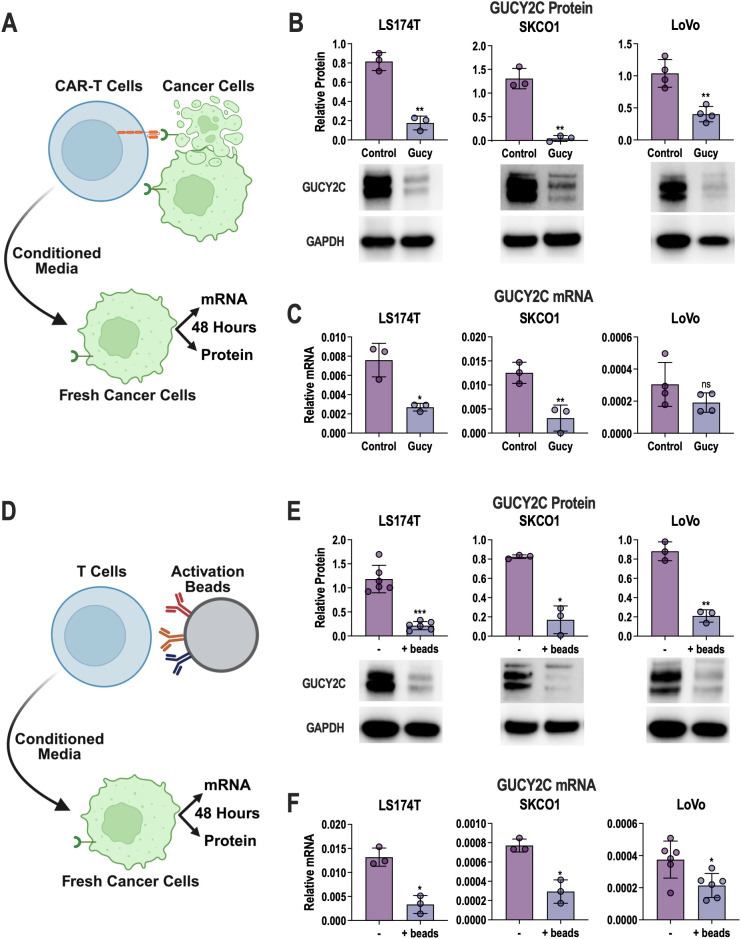 Figure 3
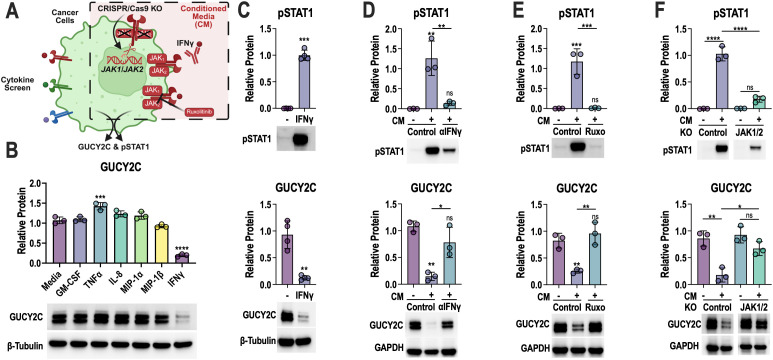 Figure 4
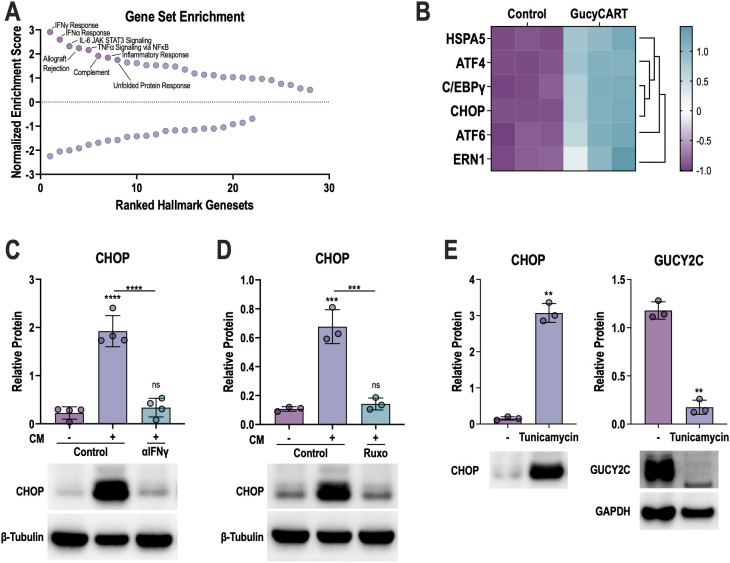 Figure 5
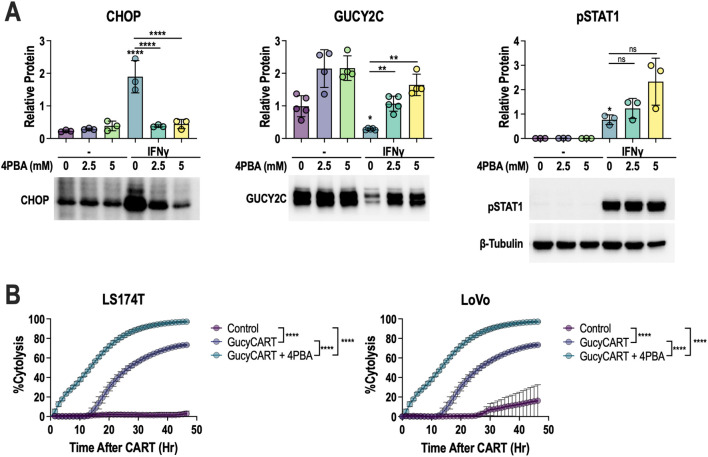 Figure 6
Peer Reviews
No public reviews on file for this paper yet. If you reviewed it on a platform where reviews are public (OpenReview, ICLR, NeurIPS, ICML), you can paste yours below so the community can read it here.
Videos
No videos yet. Explain this paper in a talk, walkthrough, or lecture? Add one.
Taxonomy
TopicsCAR-T cell therapy research · Monoclonal and Polyclonal Antibodies Research · CRISPR and Genetic Engineering