Neural coding in gustatory cortex reflects consumption decisions: evidence from conditioned taste aversion
Martin A. Raymond, Ian F. Chapman, Stephanie M. Staszko, Max L. Fletcher, John D. Boughter

TL;DR
The study shows that the brain's taste area represents tastes based on whether they are pleasant or unpleasant, not just their chemical makeup.
Contribution
The study reveals that neural representations in the gustatory cortex reflect consumption decisions, not just taste properties.
Findings
CTA caused the neural representation of NaCl to shift closer to aversive Quinine.
Neural patterns reverted during CTA extinction as the aversion decreased.
Taste representation in GC reflects palatability, not chemical identity or taste quality.
Abstract
Taste-responsive neurons in the gustatory cortex (GC) have been shown to encode multiple properties of stimuli, including whether they are palatable or not. Previous studies have suggested that a form of taste-involved learning, conditioned taste aversion (CTA), may alter the cortical representation of taste stimuli in a number of ways. We used miniscopes to image taste responses from a large population of neurons in the gustatory cortex of mice before and after CTA to NaCl, comparing taste responses in control and conditioned mice. Following conditioning, no significant effects on the number of responsive cells, or the magnitude of response to either NaCl or other taste stimuli were found. However, population-level analyses showed that in mice receiving a CTA, the representation of NaCl diverged from other appetitive stimuli in neural space and moved closer to that of aversive Quinine.…
Genes, proteins, chemicals, diseases, species, mutations and cell lines named across the full text — each resolved to its canonical identifier and authoritative record.
Click any figure to enlarge with its caption.
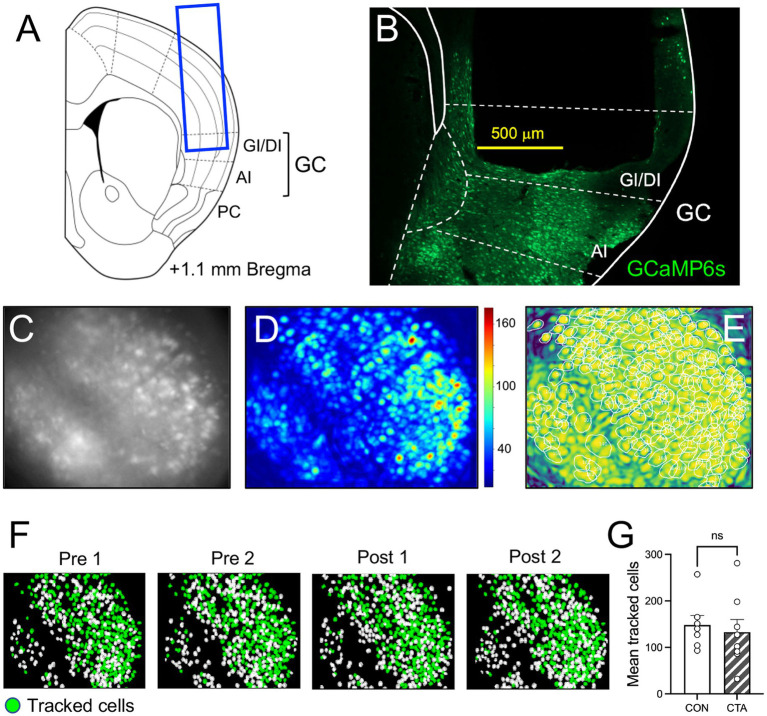 Figure 1
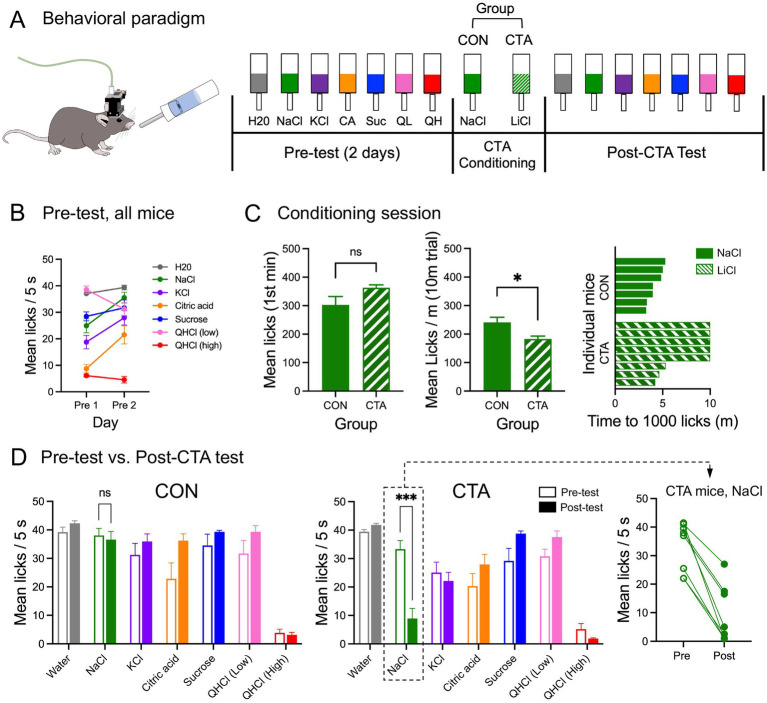 Figure 2
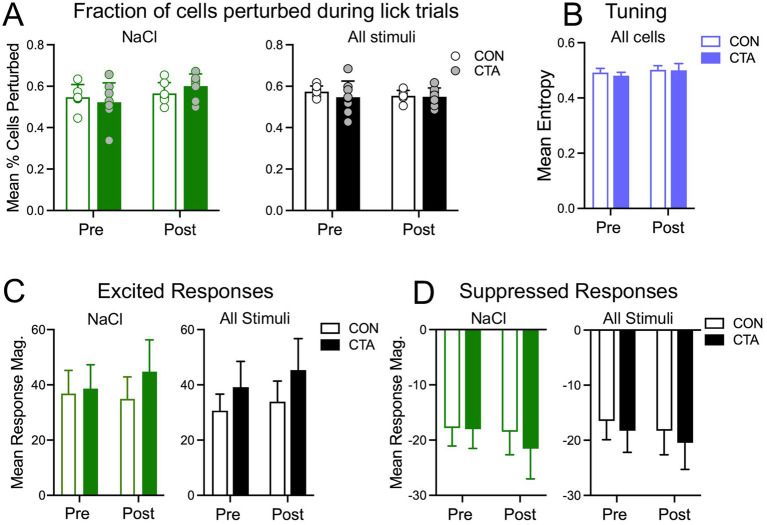 Figure 3
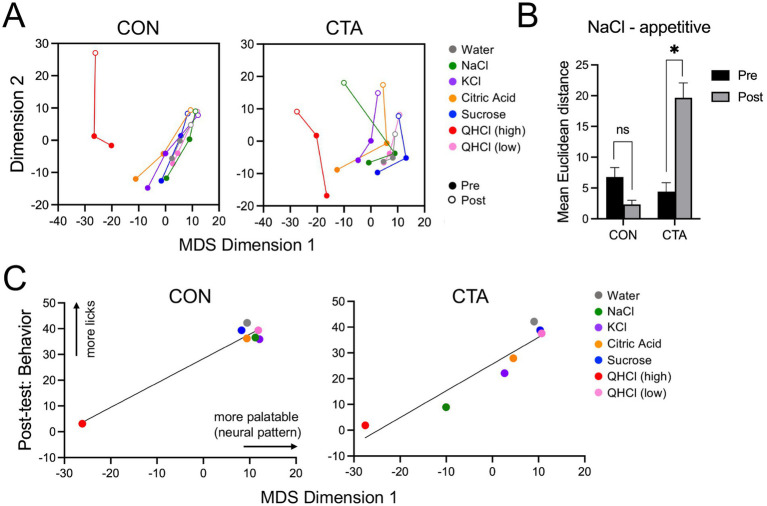 Figure 4
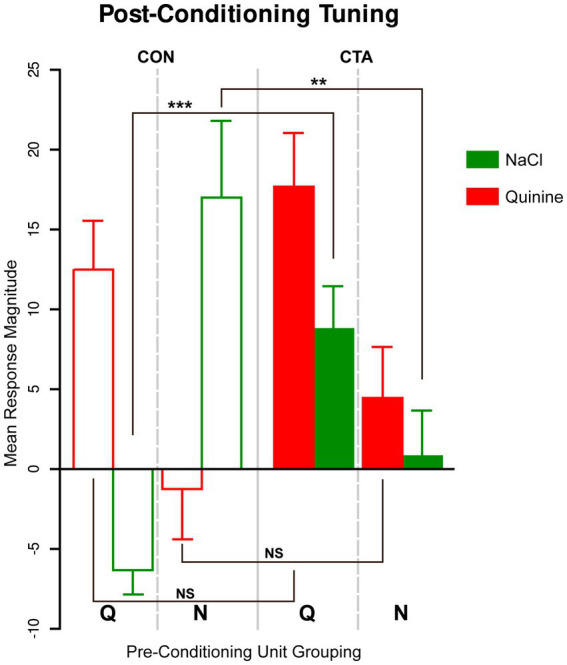 Figure 5
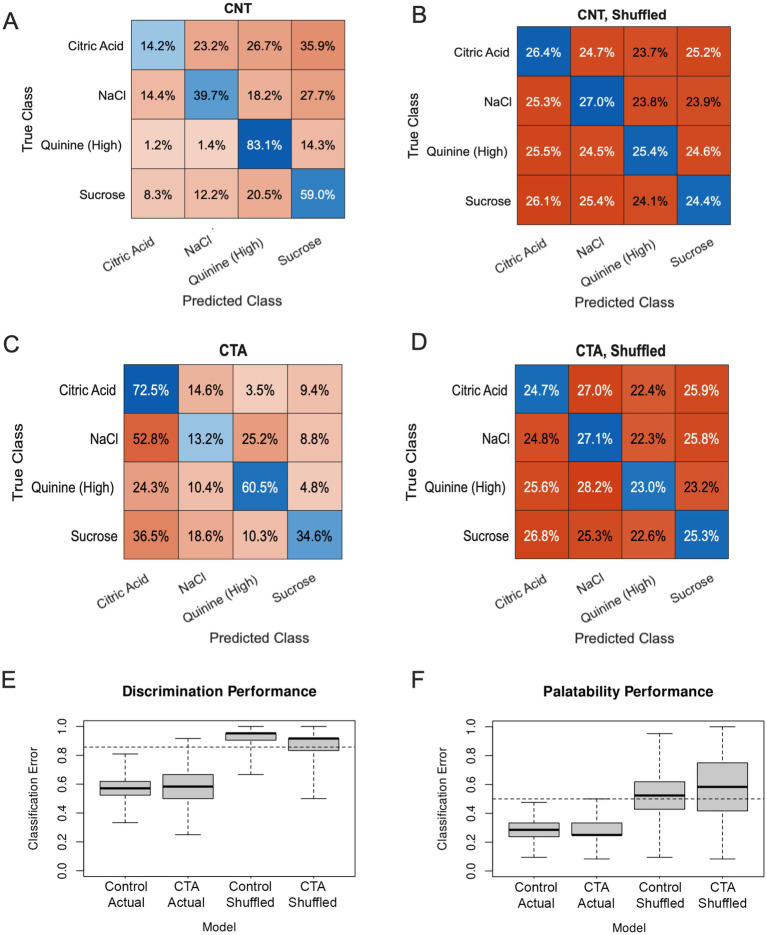 Figure 6
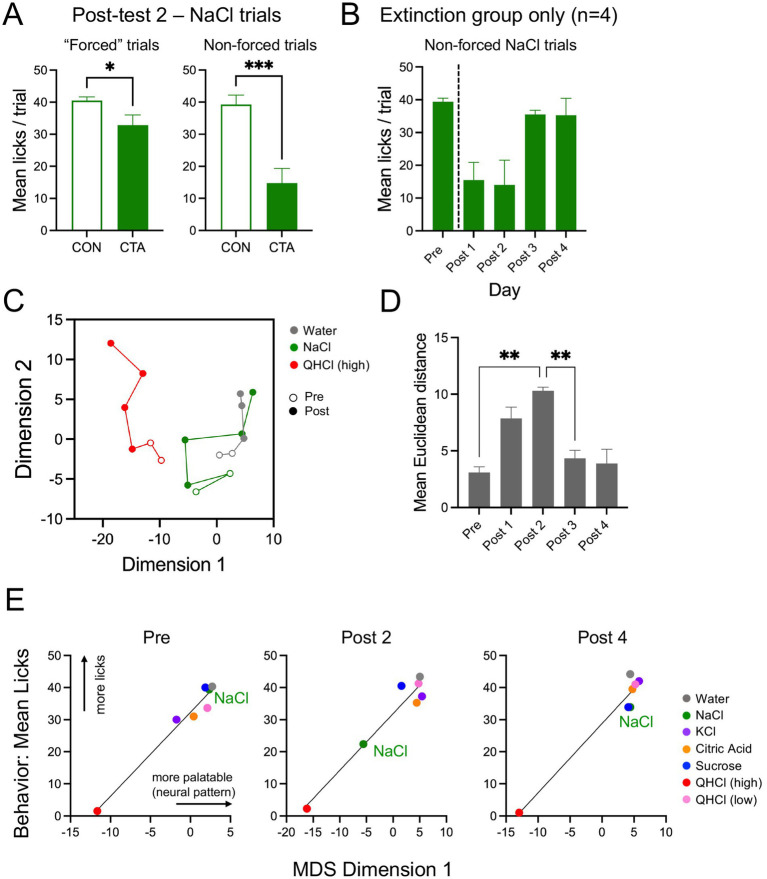 Figure 7
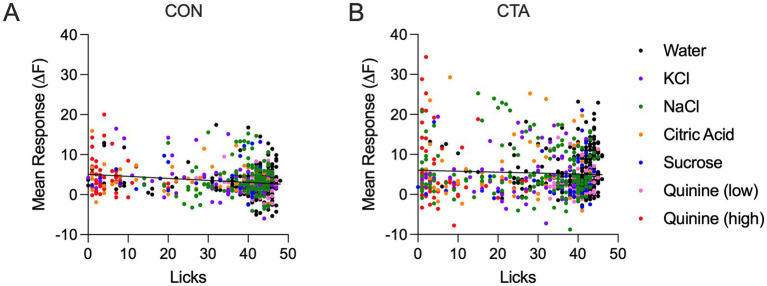 Figure 8
Peer Reviews
No public reviews on file for this paper yet. If you reviewed it on a platform where reviews are public (OpenReview, ICLR, NeurIPS, ICML), you can paste yours below so the community can read it here.
Videos
No videos yet. Explain this paper in a talk, walkthrough, or lecture? Add one.
Taxonomy
TopicsBiochemical Analysis and Sensing Techniques · Olfactory and Sensory Function Studies · Memory and Neural Mechanisms