The effects of Panax notoginseng for the treatment of diabetic nephropathy in animals: a systematic review and meta-analysis
Jiangteng Liu, Ying Tang, Yuanyuan Lin, Zhichao Ruan, Zhixun Guo, Yexin Chen, Yixin Ma, Weijun Huang, Jinxi Zhao

TL;DR
This study reviews and analyzes preclinical research to evaluate how Panax notoginseng may help treat diabetic kidney disease in animals.
Contribution
This is the first comprehensive meta-analysis exploring the dose-time-response relationship of Panax notoginseng in treating diabetic nephropathy.
Findings
Panax notoginseng significantly reduced blood glucose, kidney damage markers, and inflammation in diabetic nephropathy animal models.
The herb improved oxidative stress and lipid metabolism, and reduced fibrosis markers like TGF-β1.
Optimal benefits were observed with doses of 20–200 mg/kg/d over 8–12 weeks.
Abstract
Diabetic nephropathy (DN) is a major microvascular complication of diabetes and constitutes a leading cause of end-stage renal disease (ESRD). Panax notoginseng is a widely utilized traditional Chinese medicinal herb with diverse pharmacological properties, including antioxidant, antithrombotic, and glucolipid metabolism-regulating activities. Preclinical studies have demonstrated the renoprotective effects of Panax notoginseng in DN animal models. However, a comprehensive meta-analysis of these studies is currently lacking, and the dose-time-response relationship remains unexplored. This study aimed to systematically evaluate the efficacy of Panax notoginseng in animal models of DN and, for the first time, to explore its dose-time-response relationship. Additionally, we sought to summarize the potential mechanisms underlying its therapeutic effects on DN. A systematic search was…
Genes, proteins, chemicals, diseases, species, mutations and cell lines named across the full text — each resolved to its canonical identifier and authoritative record.
Click any figure to enlarge with its caption.
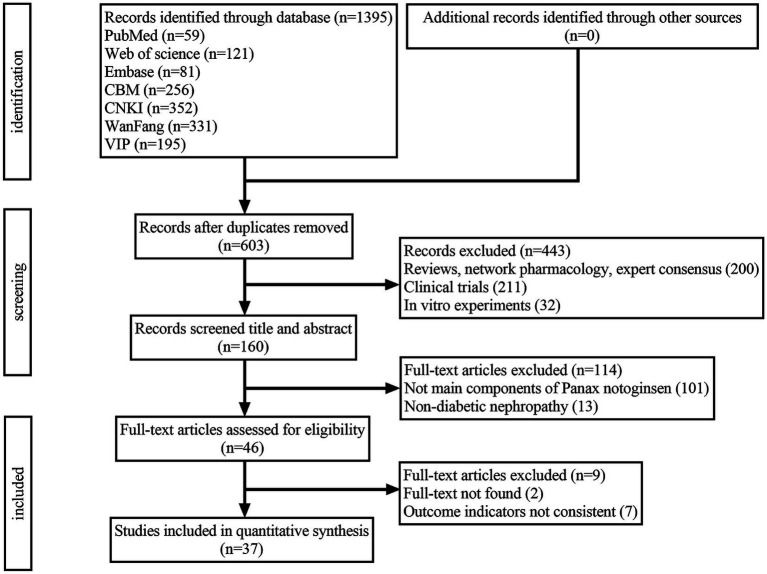 Figure 1
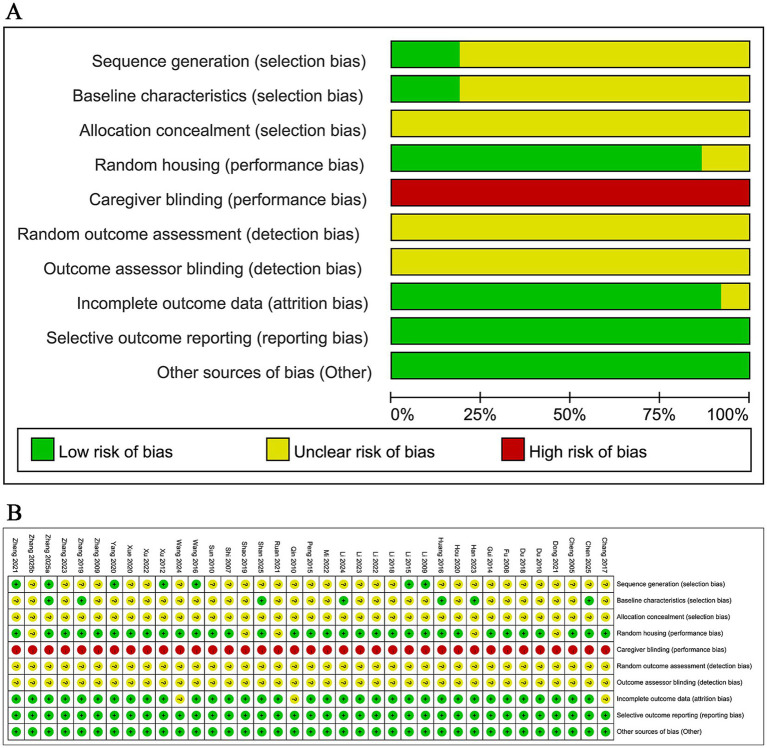 Figure 2
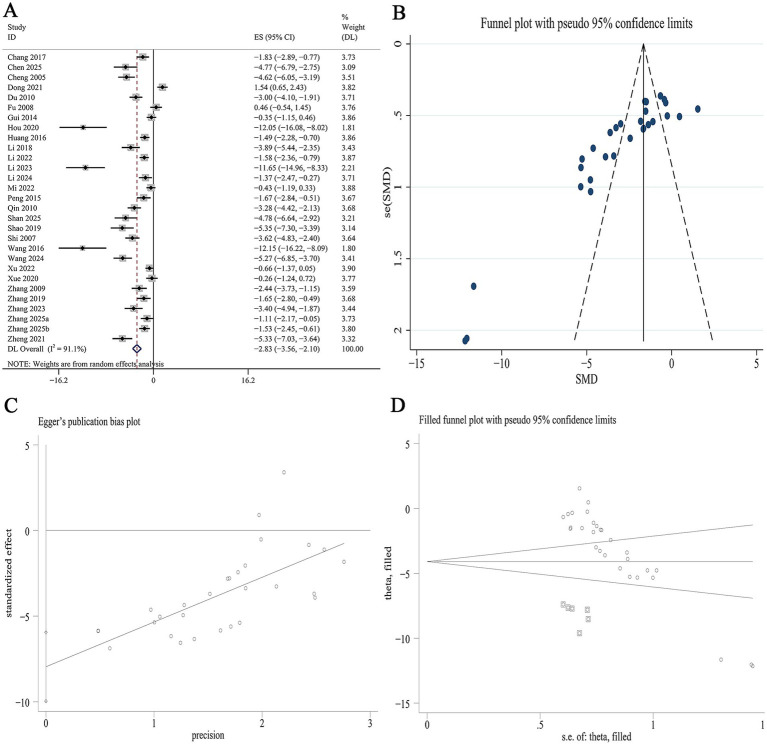 Figure 3
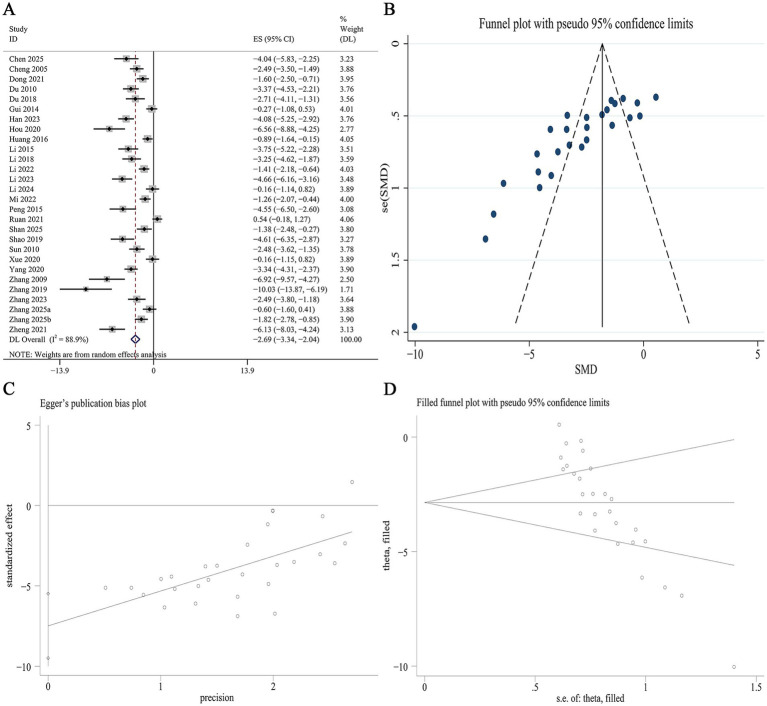 Figure 4
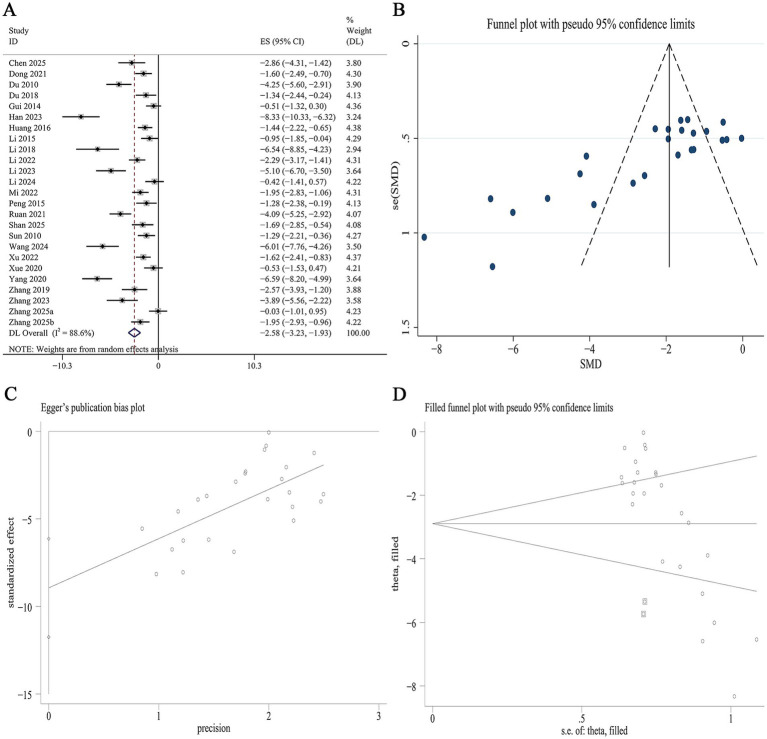 Figure 5
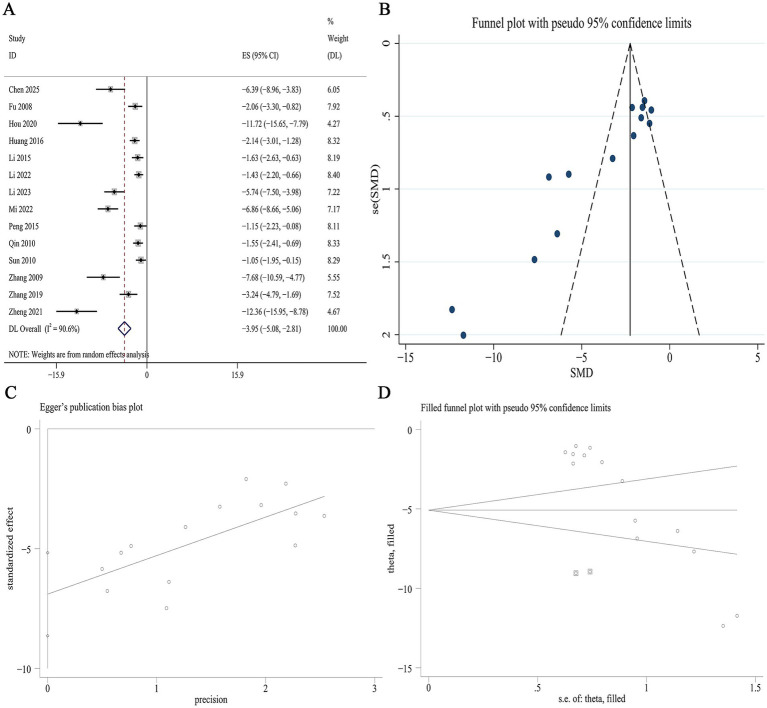 Figure 6
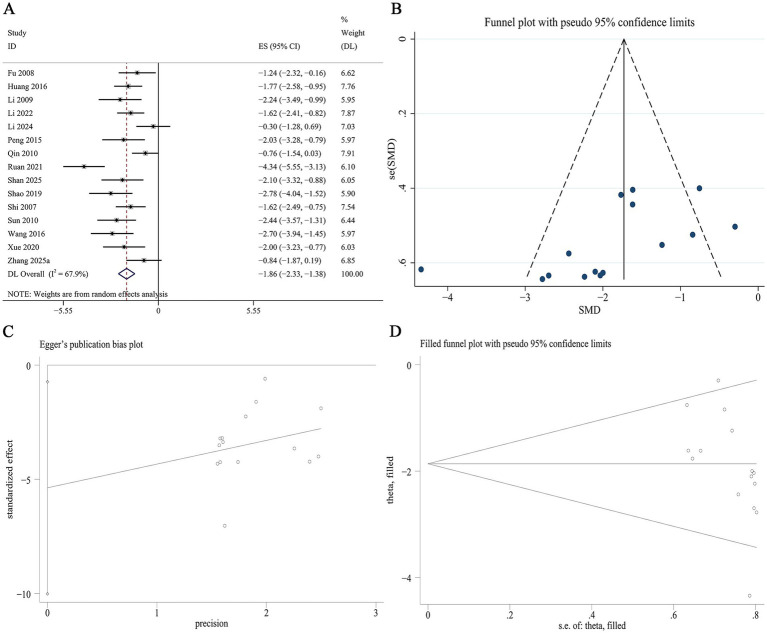 Figure 7
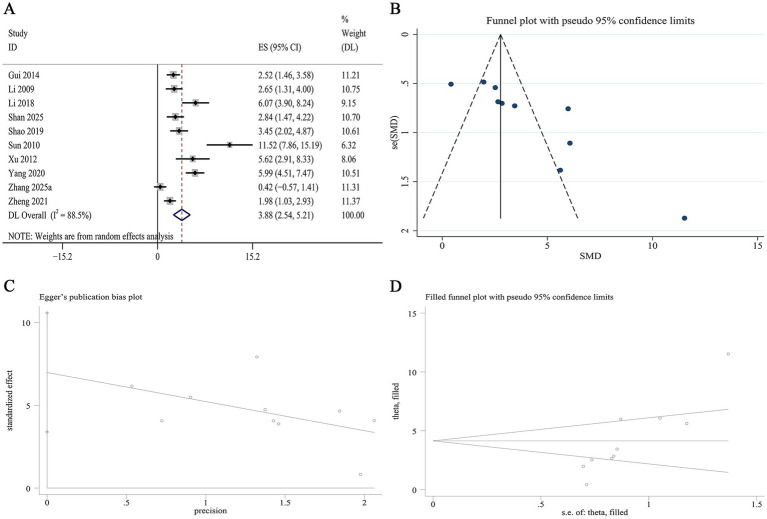 Figure 8
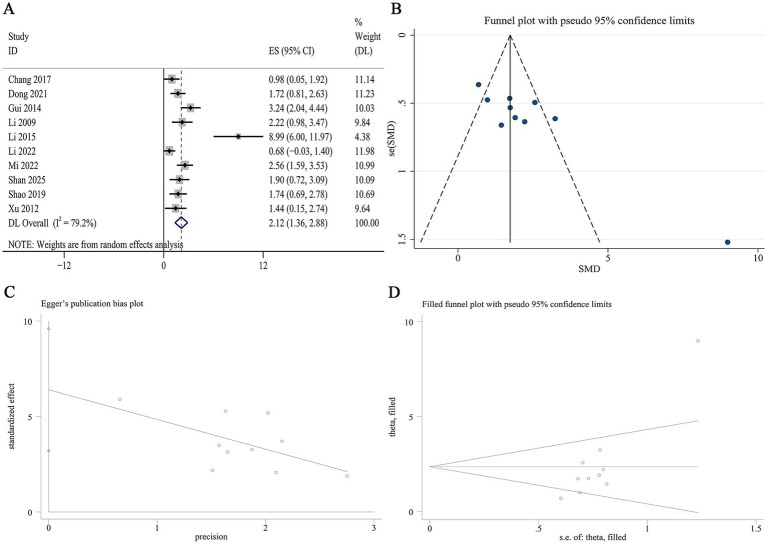 Figure 9
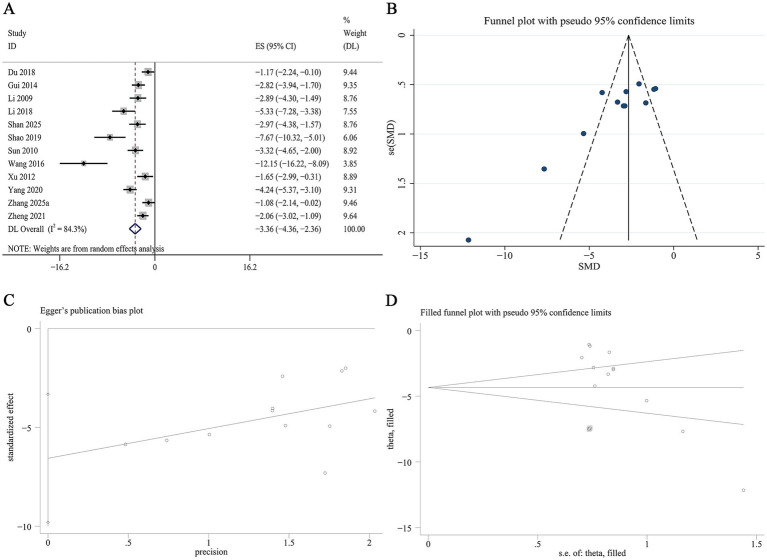 Figure 10
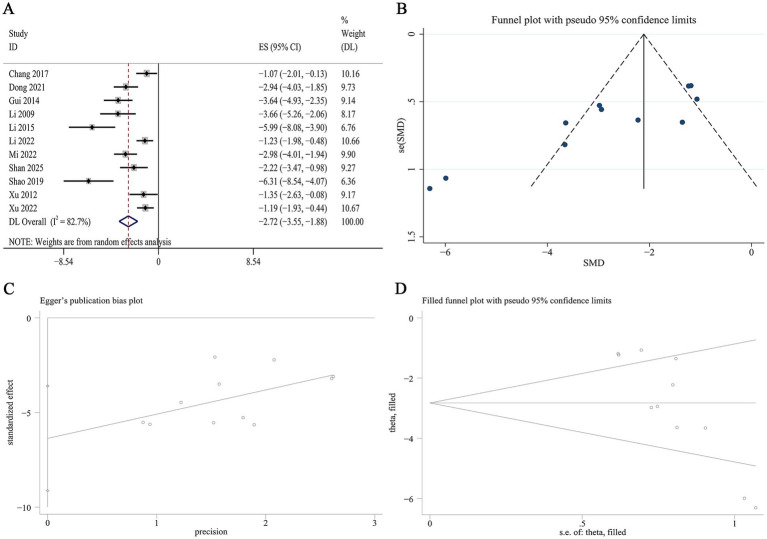 Figure 11
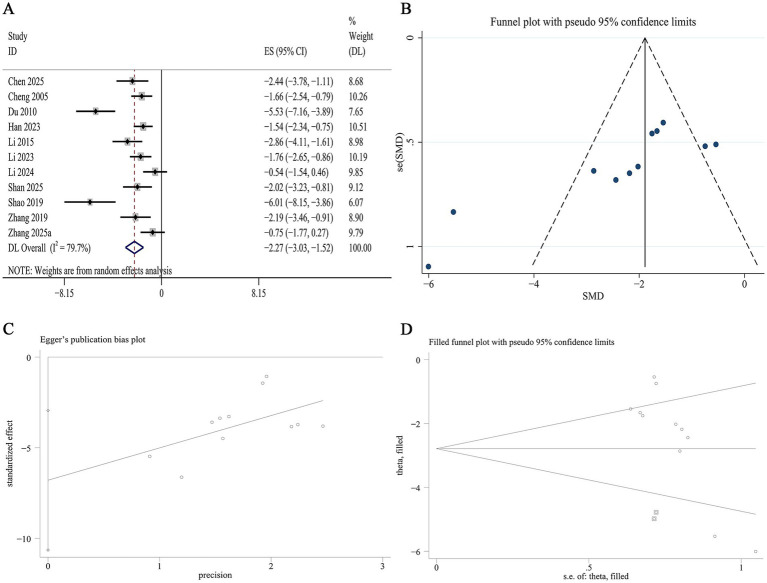 Figure 12
 Figure 13
 Figure 14
Peer Reviews
No public reviews on file for this paper yet. If you reviewed it on a platform where reviews are public (OpenReview, ICLR, NeurIPS, ICML), you can paste yours below so the community can read it here.
Videos
No videos yet. Explain this paper in a talk, walkthrough, or lecture? Add one.
Taxonomy
TopicsGinseng Biological Effects and Applications · Berberine and alkaloids research · Ginger and Zingiberaceae research