Multifaceted modulation of human opioid receptors by kratom alkaloids: binding affinity, functional selectivity, and allosteric activity
S. E. Hemby, M. Rangel-Grimaldo, S. McIntosh, J. Zheng, L. Flores-Bocanegra, T. N. Graf, R. A. Coover, N. H. Oberlies

TL;DR
Kratom contains many alkaloids with varied effects on human opioid receptors, offering potential for developing safer pain medications.
Contribution
Detailed functional and structural characterization of lesser-known kratom alkaloids at human opioid receptors.
Findings
Lesser-known kratom alkaloids show diverse receptor selectivity and functional profiles.
Speciophylline acts as a positive allosteric modulator at hMOR without direct binding.
Some oxindole alkaloids exhibit potent hMOR agonism with minimal β-arrestin2 recruitment.
Abstract
Kratom (Mitragyna speciosa) contains over 50 alkaloids, yet the pharmacological activity of most remains poorly defined, limiting our understanding of its therapeutic potential and safety profile. We conducted a comprehensive evaluation of both indole and oxindole alkaloids at human mu-, kappa-, and delta-opioid receptors (hMOR, hKOR, hDOR), integrating radioligand binding, cAMP inhibition, β-arrestin2 recruitment, [35S]GTPƔS assays, and molecular docking. While the activity of major alkaloids like mitragynine and 7-hydroxymitragynine is well documented, we report detailed functional and structural characterization of lesser-known kratom alkaloids, including epiallo-isopaynantheine, isopaynantheine, mitraciliatine, and isospeciofoline. These compounds exhibited diverse receptor selectivity and functional profiles, ranging from G protein-biased agonism to mixed MOR antagonism/KOR…
Genes, proteins, chemicals, diseases, species, mutations and cell lines named across the full text — each resolved to its canonical identifier and authoritative record.
Click any figure to enlarge with its caption.
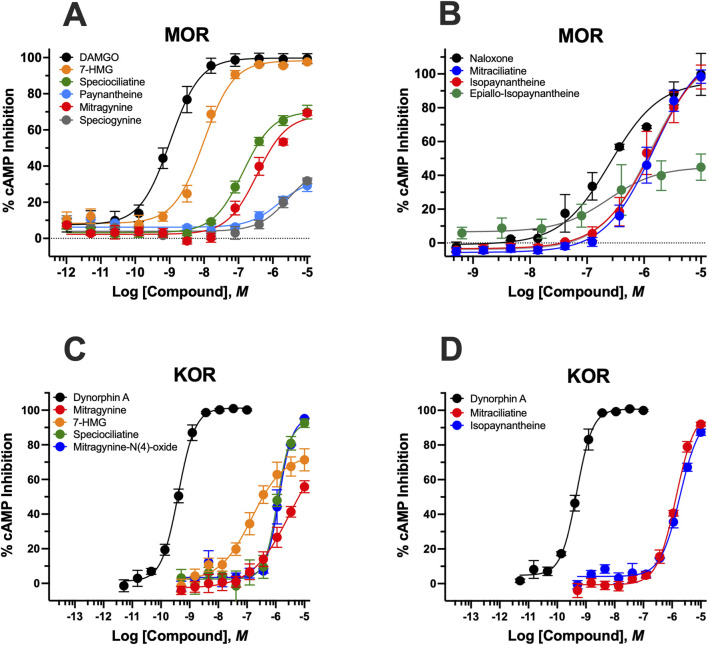 Figure 1
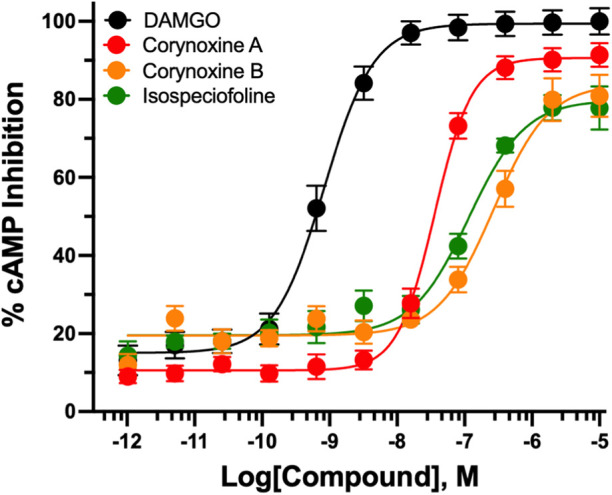 Figure 2
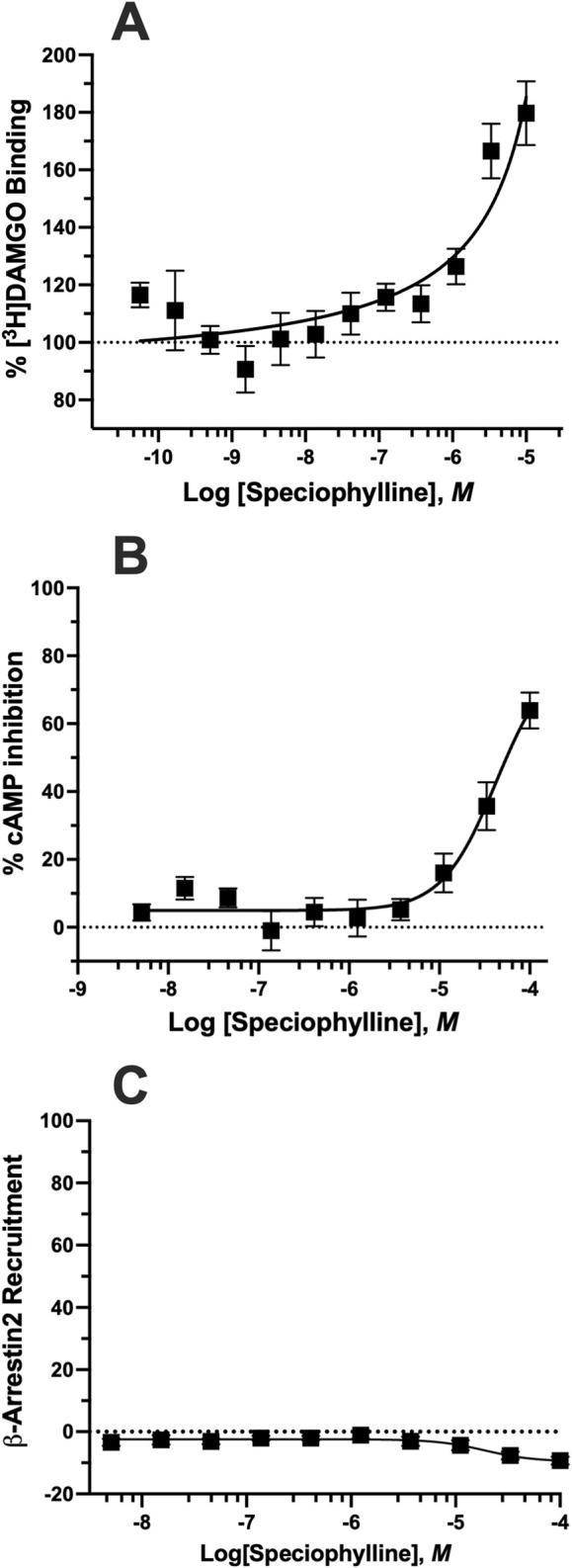 Figure 3
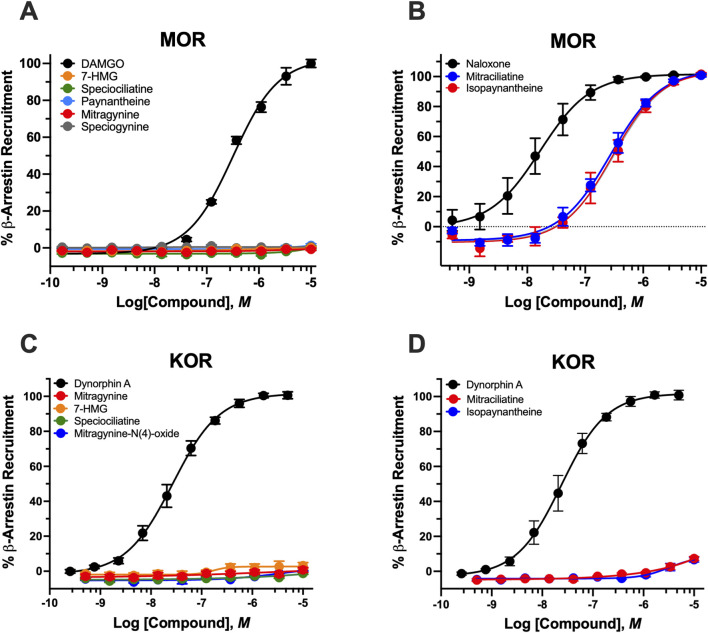 Figure 4
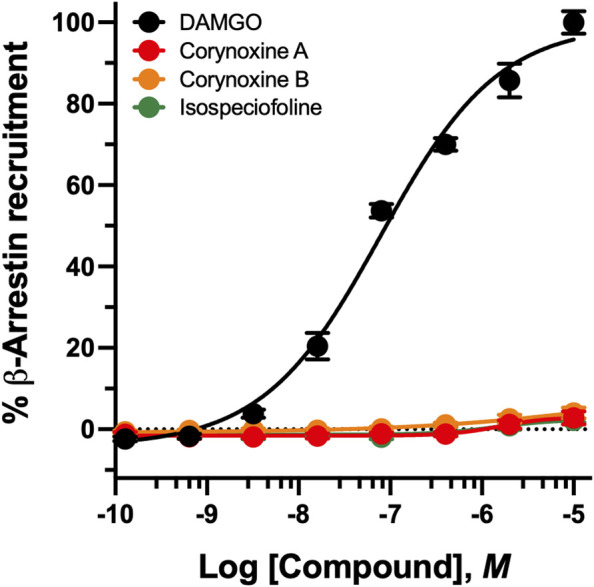 Figure 5
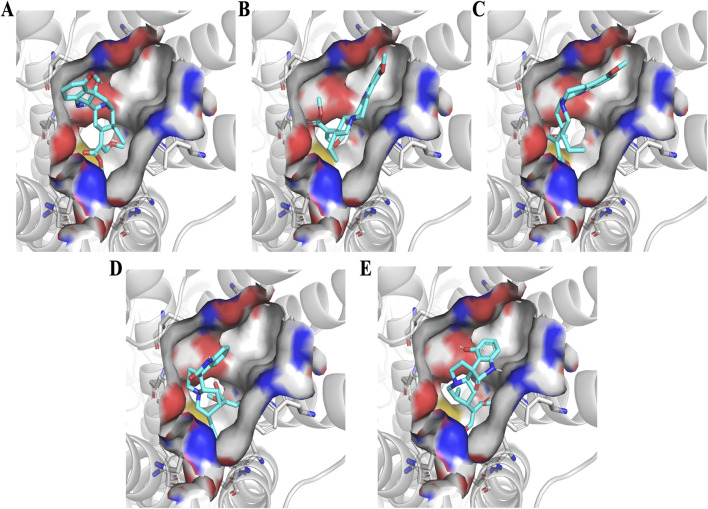 Figure 6
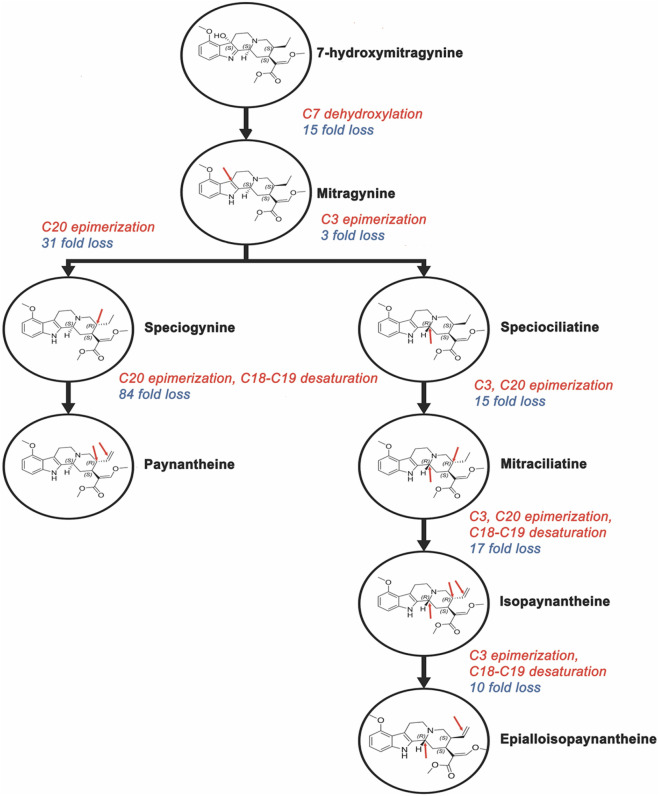 Figure 7
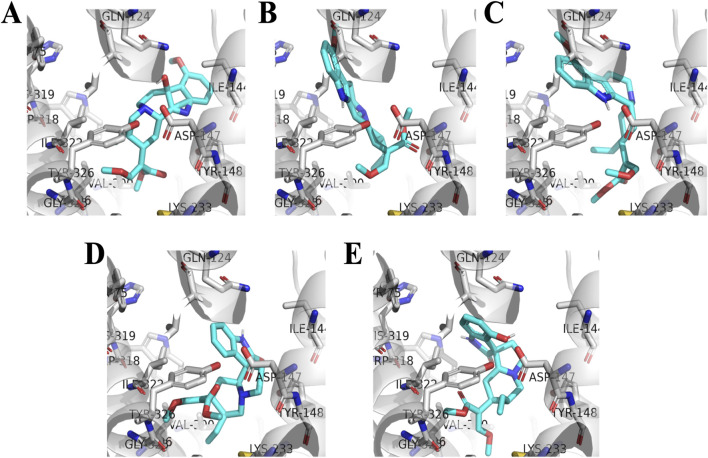 Figure 8
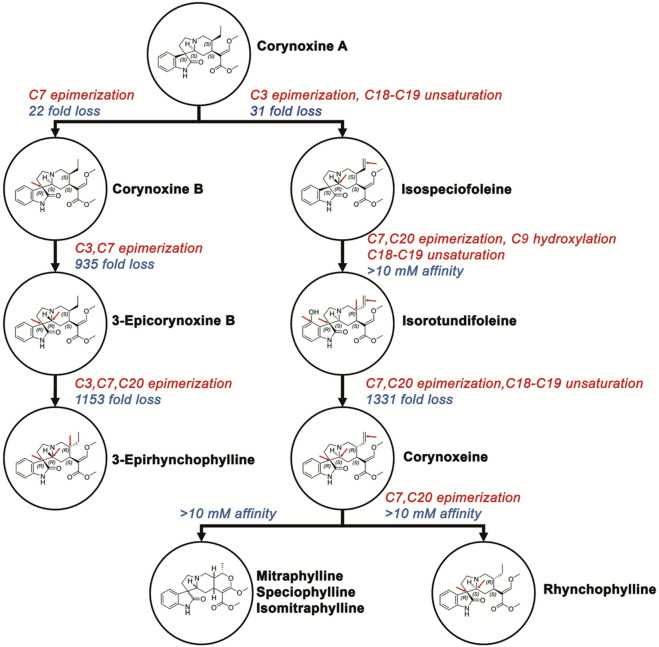 Figure 9
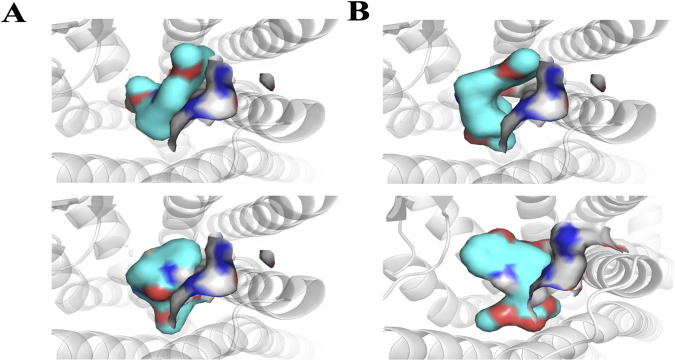 Figure 10
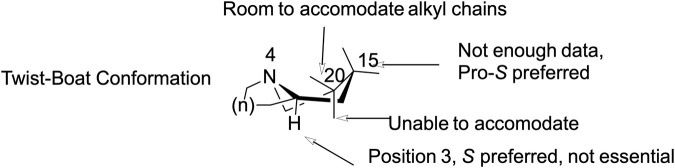 Figure 11
Peer Reviews
No public reviews on file for this paper yet. If you reviewed it on a platform where reviews are public (OpenReview, ICLR, NeurIPS, ICML), you can paste yours below so the community can read it here.
Videos
No videos yet. Explain this paper in a talk, walkthrough, or lecture? Add one.
Taxonomy
TopicsAlkaloids: synthesis and pharmacology · Chemical synthesis and alkaloids · Traditional and Medicinal Uses of Annonaceae