IQDMA disrupts STAT5 nuclear transport through CDC42-PAK2 axis collapse in cutaneous T-cell lymphoma
Saptaswa Dey, Helena Sorger, Michaela Schlederer, Isabella Perchthaler, Martin Metzelder, Lukas Kenner, Richard Moriggl, Peter Wolf

TL;DR
IQDMA shows strong anti-cancer effects in CTCL by disrupting the CDC42-PAK2-STAT5 pathway, significantly reducing tumor growth and STAT5 activity.
Contribution
IQDMA's dual mechanism of inhibiting PAK2 and depleting CDC42 offers a novel approach to targeting the STAT5 pathway in CTCL.
Findings
IQDMA reduced tumor volume by 90.7% in a CTCL mouse model, outperforming PUVA phototherapy.
IQDMA treatment caused a significant negative correlation between pY-STAT5 and total STAT5, indicating disrupted nuclear transport.
Quantitative proteomics identified CDC42 as the key protein affected by IQDMA, validating the PAK-STAT axis as the primary mechanism.
Abstract
‘Cutaneous T-cell lymphoma (CTCL), particularly tumor stage mycosis fungoides (MF), presents significant therapeutic challenges due to limited treatment efficacy. This study addresses the unmet need for novel targeted therapies targeting the constitutively hyperactive STAT3/5 pathway. Kinome-wide profiling revealed that IQDMA selectively inhibits PAK2 (69%) and JAK3 (61%), kinases critical for STAT5 nuclear transport and activation. Using a C57BL/6 intradermal T-cell lymphoma model, we evaluated IQDMA efficacy against conventional psoralen + UV-A (PUVA) phototherapy. IQDMA reduced tumor volume by 90.7% (P = 0.0001), significantly outperforming PUVA (46.2%, P = 0.0074). Immunohistochemical analysis demonstrated 45.6% and 40.0% reductions in STAT3+ (P = 0.01) and STAT5+ (P = 0.0478) tumor cells, respectively. Strikingly, while phospho-STAT5 (pY-STAT5) and total STAT5 positively…
Genes, proteins, chemicals, diseases, species, mutations and cell lines named across the full text — each resolved to its canonical identifier and authoritative record.
Click any figure to enlarge with its caption.
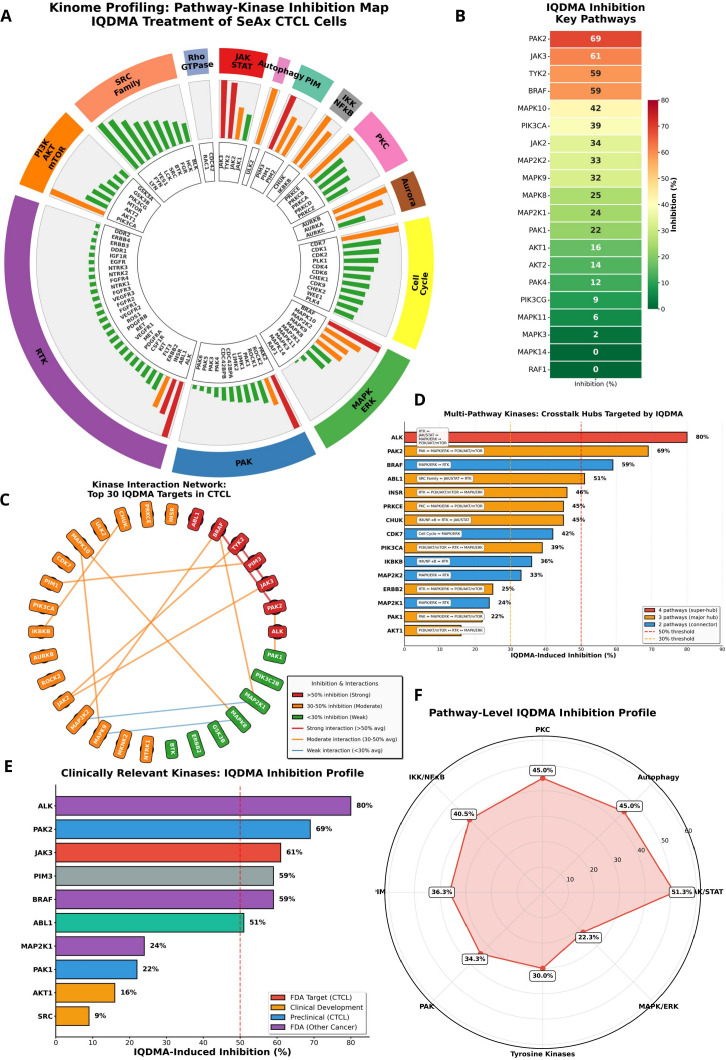 Figure 1
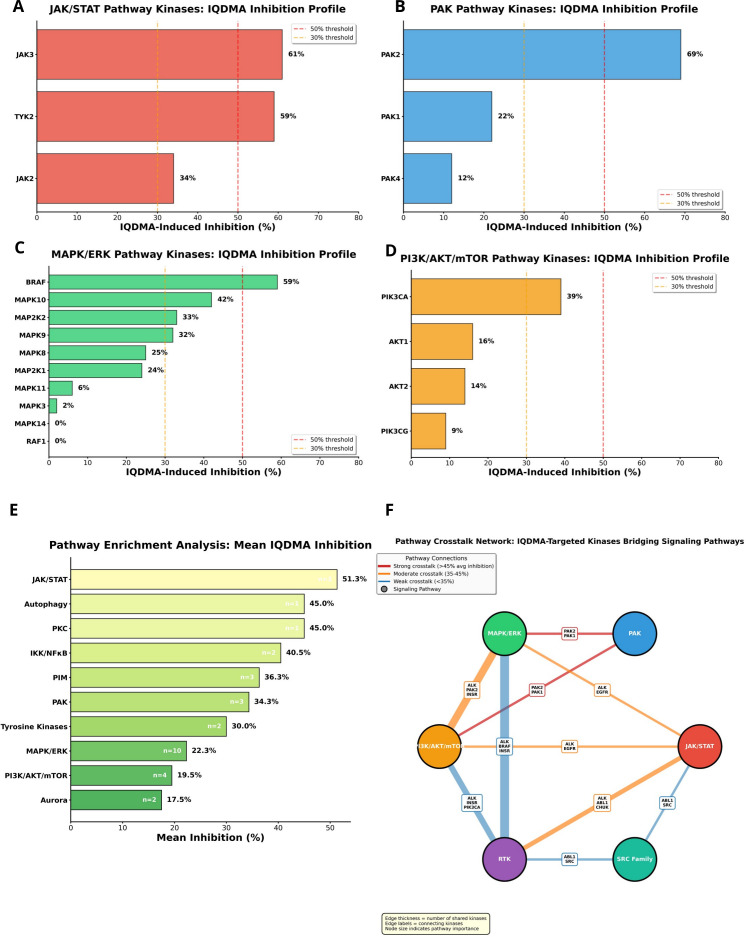 Figure 2
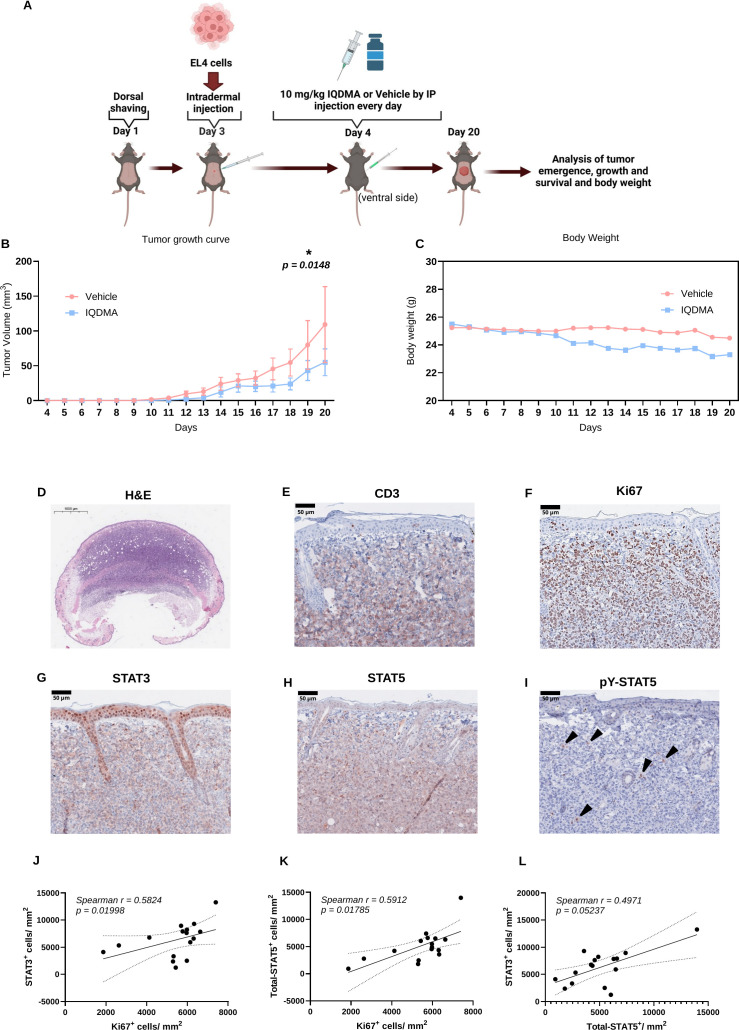 Figure 3
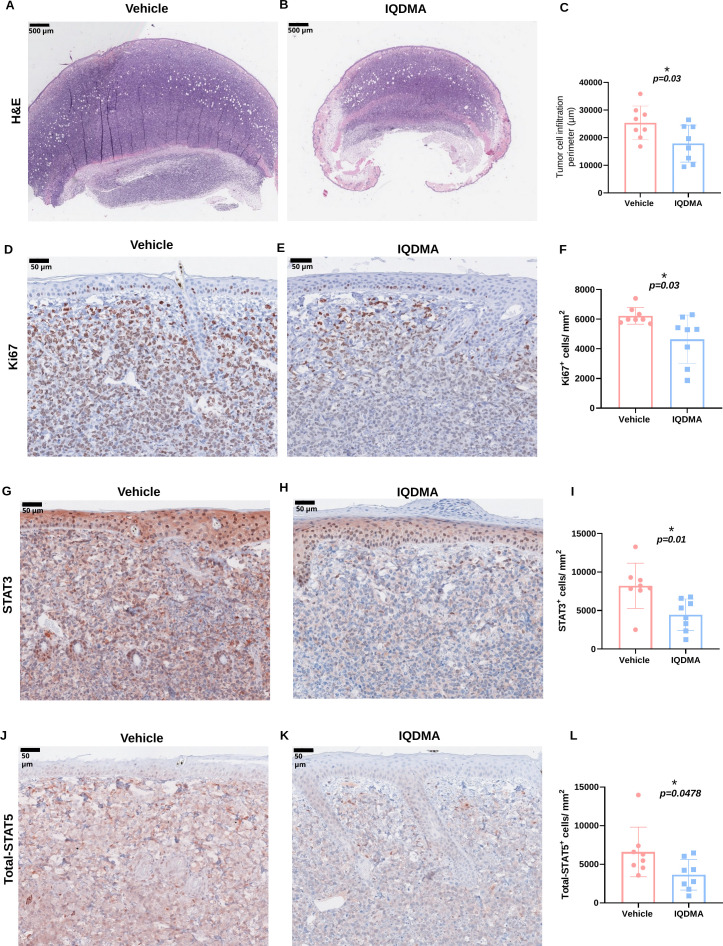 Figure 4
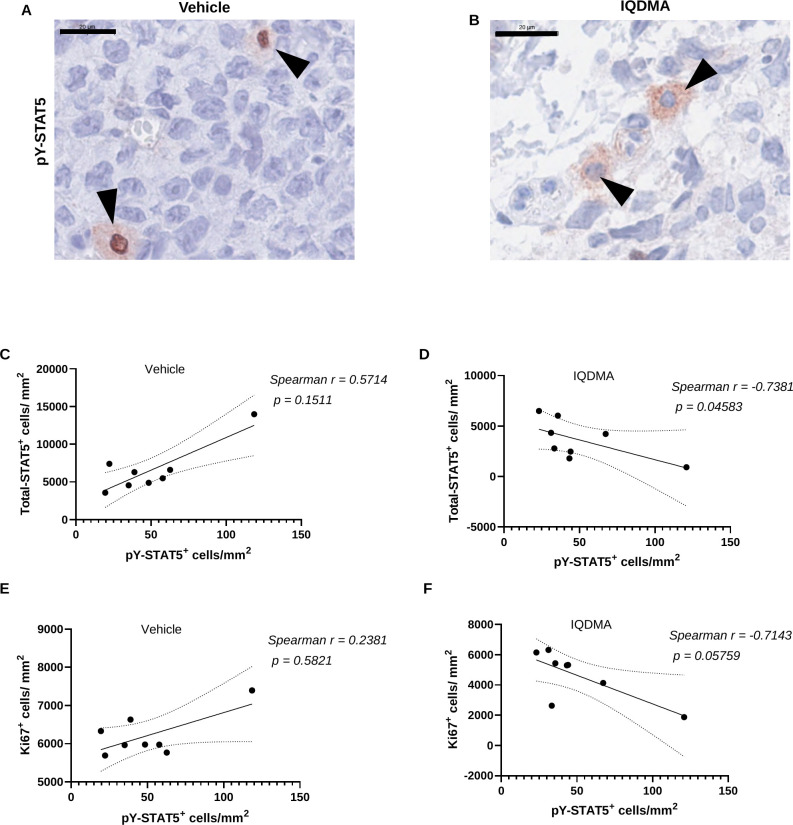 Figure 5
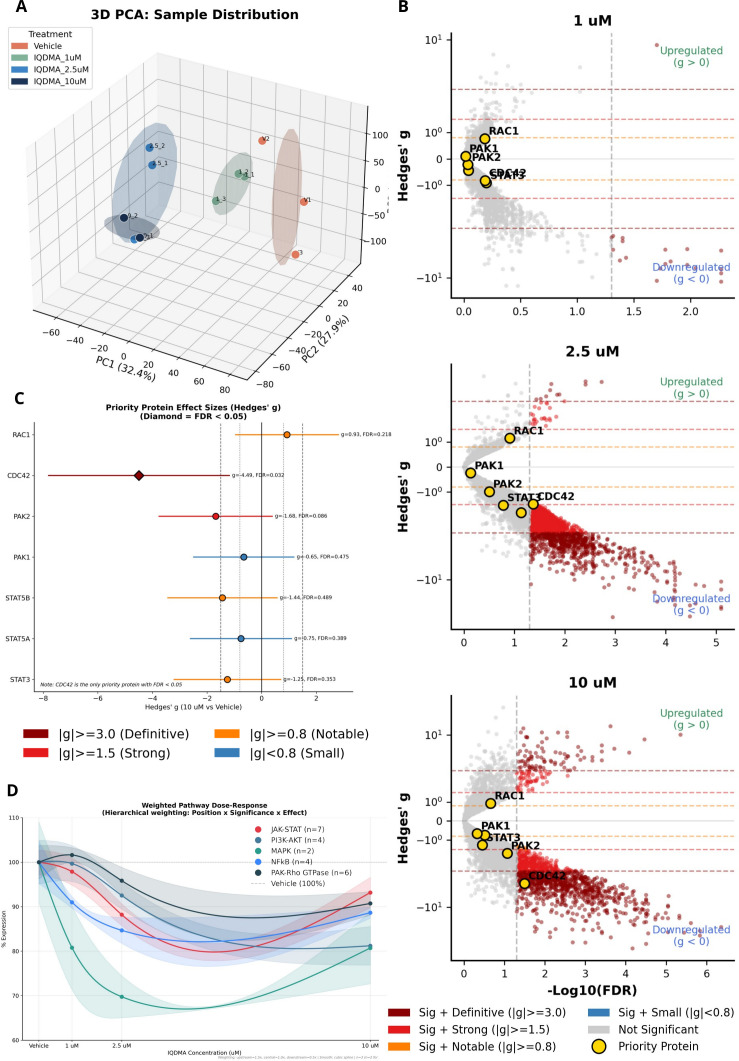 Figure 6
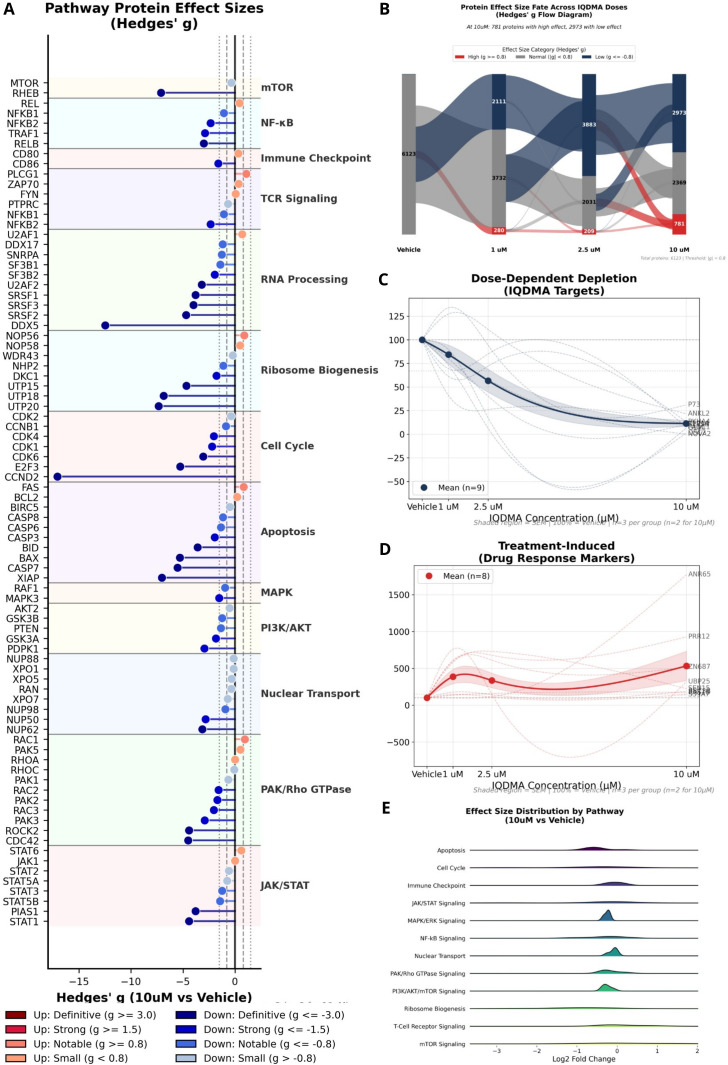 Figure 7
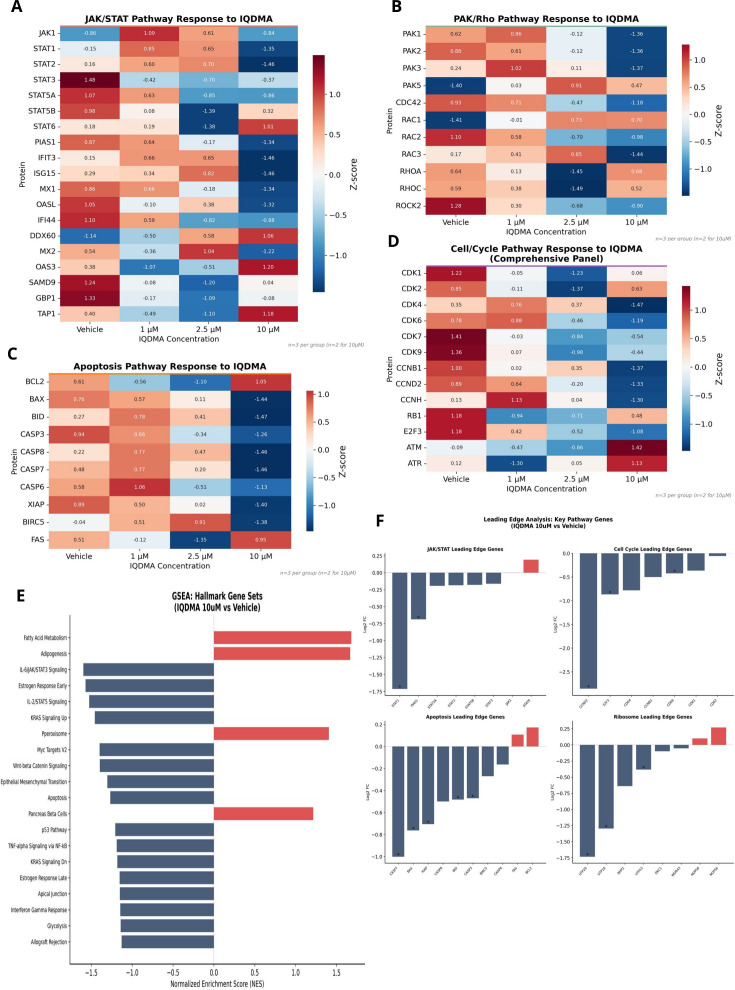 Figure 8
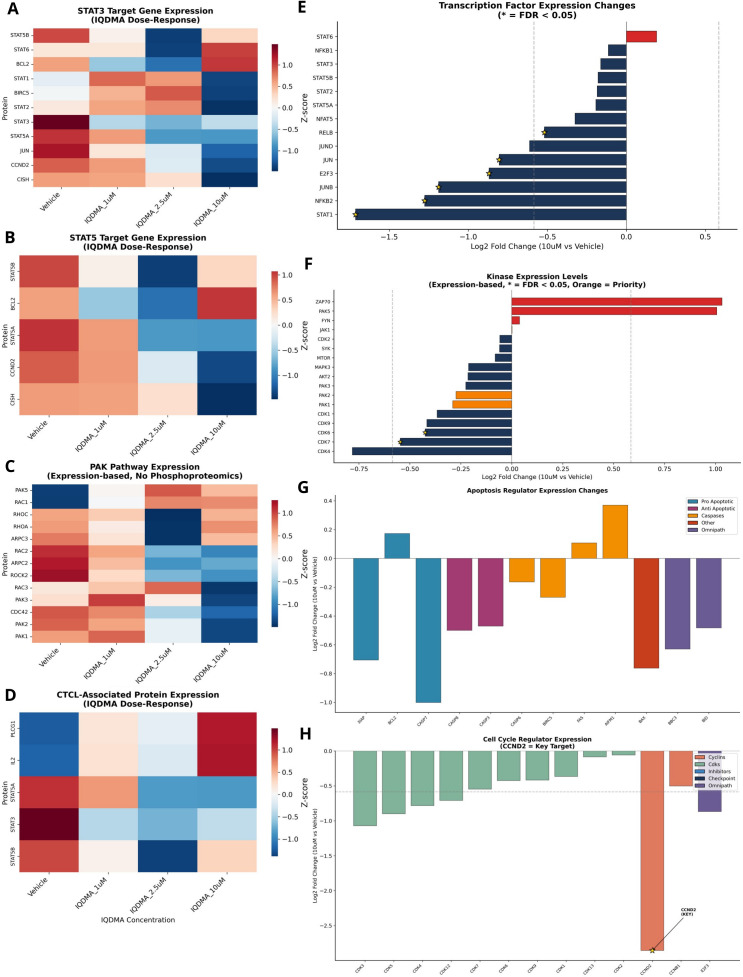 Figure 9
 Figure 10
 Figure 11
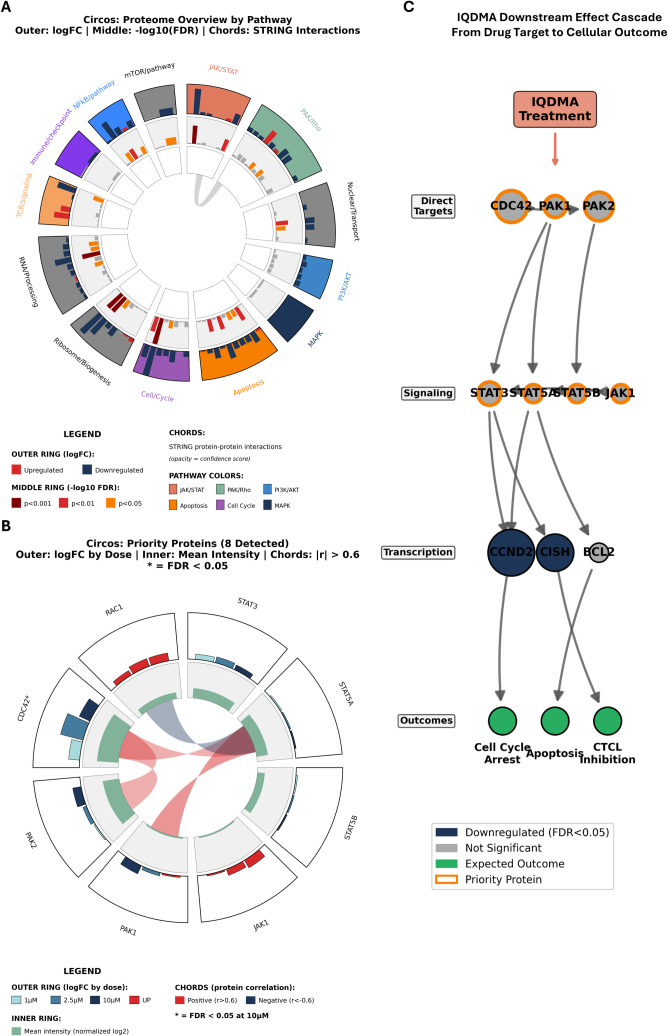 Figure 12
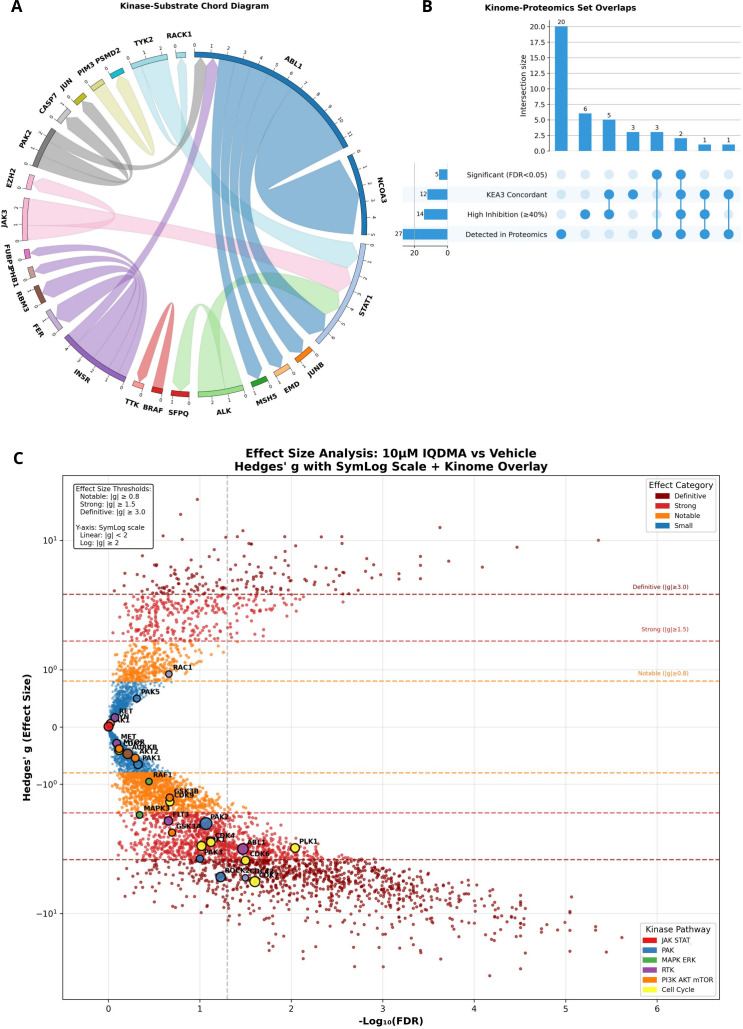 Figure 13
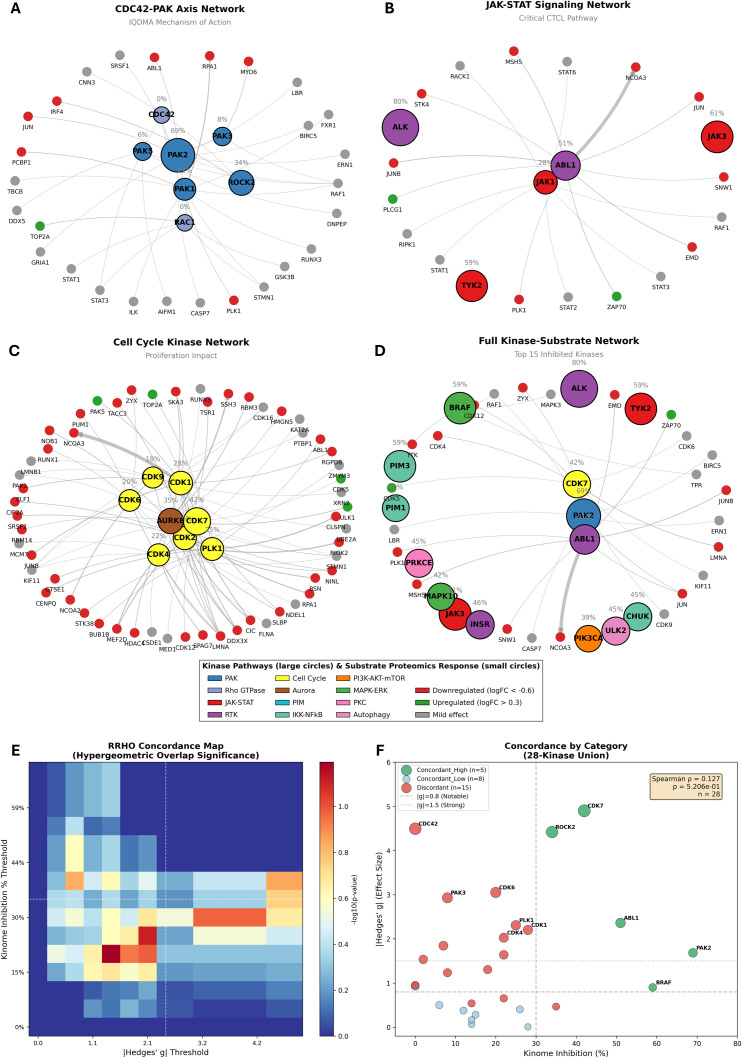 Figure 14
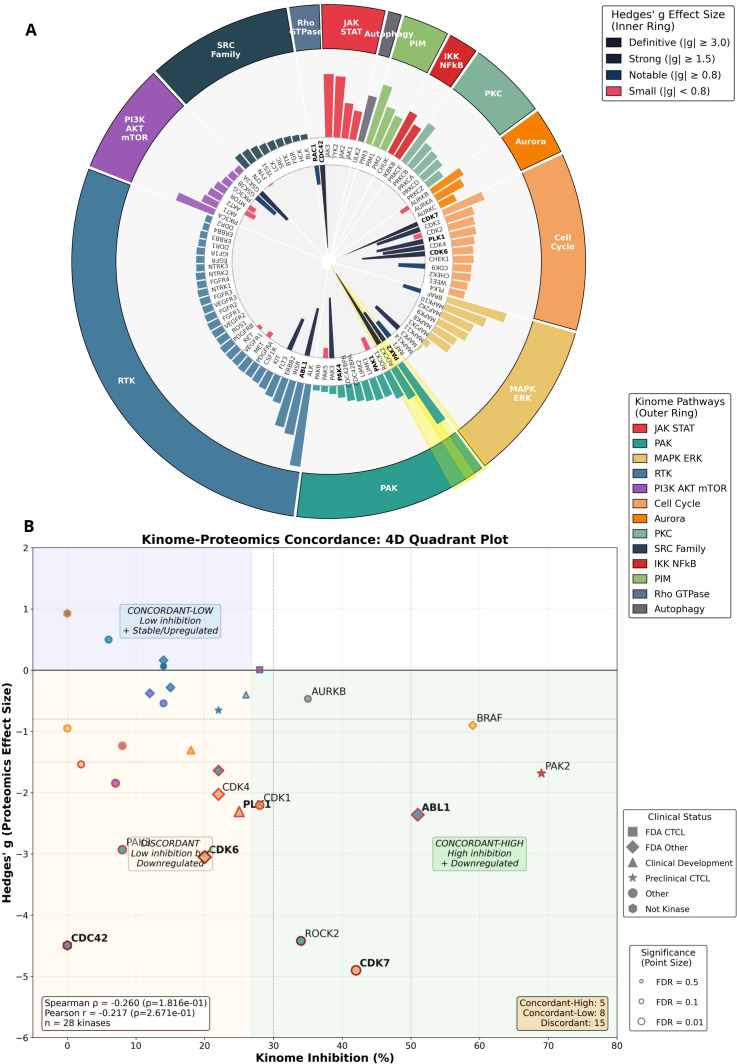 Figure 15
Peer Reviews
No public reviews on file for this paper yet. If you reviewed it on a platform where reviews are public (OpenReview, ICLR, NeurIPS, ICML), you can paste yours below so the community can read it here.
Videos
No videos yet. Explain this paper in a talk, walkthrough, or lecture? Add one.
Taxonomy
TopicsCutaneous lymphoproliferative disorders research · Lymphoma Diagnosis and Treatment · Retinoids in leukemia and cellular processes