Targeting the AKT/mTOR axis: pectolinarigenin induces autophagy and apoptosis in human cervical cancer cells
Yaoyao Fang, Jing Bai, Sijia Bo, Xiaoli Cui, Haiping Song, Li Guo, Zhaohui Luan, Qixuan Sui, Yingchun Zheng, Li Sun

TL;DR
This study shows that pectolinarigenin, a plant compound, can fight cervical cancer by triggering cell death and autophagy through the AKT/mTOR pathway.
Contribution
This is the first study to demonstrate that pectolinarigenin induces autophagy and apoptosis in cervical cancer via AKT/mTOR inhibition.
Findings
Pectolinarigenin reduced Bcl-2 and increased pro-apoptotic markers Bax and cleaved caspase-3 in cervical cancer cells.
Pectolinarigenin elevated LC3B II levels, indicating autophagy induction, which was inhibited by 3-MA.
Pectolinarigenin suppressed the AKT/mTOR signaling pathway, a key regulator of autophagy and apoptosis in cancer cells.
Abstract
Cervical cancer (CC) remains a significant global health issue, accounting for approximately 7% of all cancer cases in women. This study investigated the anti-cancer potential of pectolinarigenin (PEC), a bioactive compound derived from plants, aiming to explore its therapeutic effects and underlying mechanisms against CC. By integrating network pharmacology analysis with cellular assays, we identified 13 key targets of PEC related to CC, with molecular docking highlighting AKT as a primary target. Experimentally, PEC demonstrated strong anti-cancer effects on cervical cancer both in vivo and in vitro. Western blotting analysis revealed that PEC treatment led to a dose-dependent decrease in Bcl-2 protein levels, coupled with increased activation of pro-apoptotic markers Bax and cleaved caspase-3 in both cell lines. PEC also elevated the levels of LC3B II protein, indicating the…
Genes, proteins, chemicals, diseases, species, mutations and cell lines named across the full text — each resolved to its canonical identifier and authoritative record.
Click any figure to enlarge with its caption.
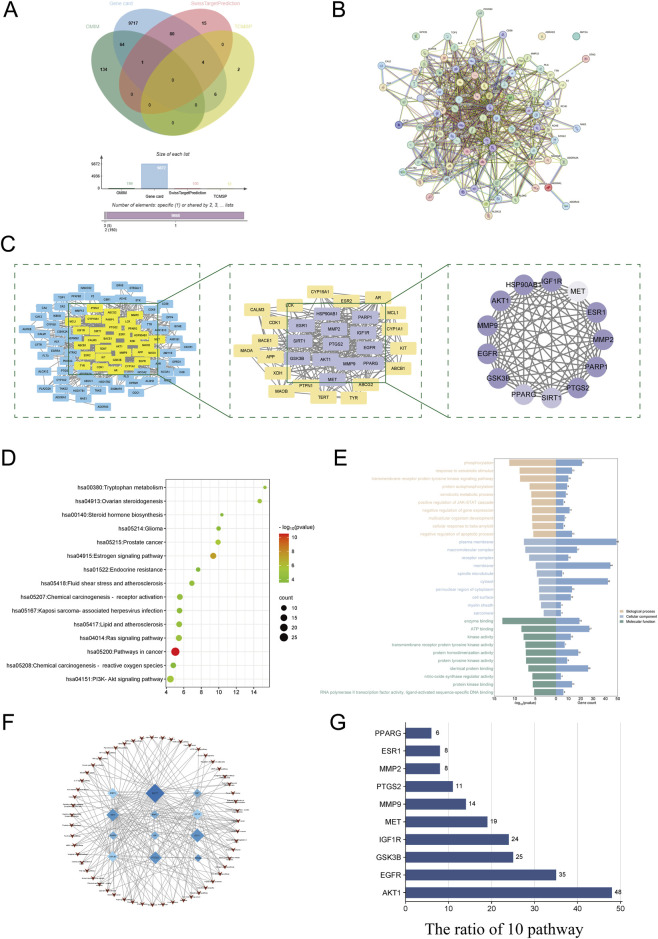 Figure 1
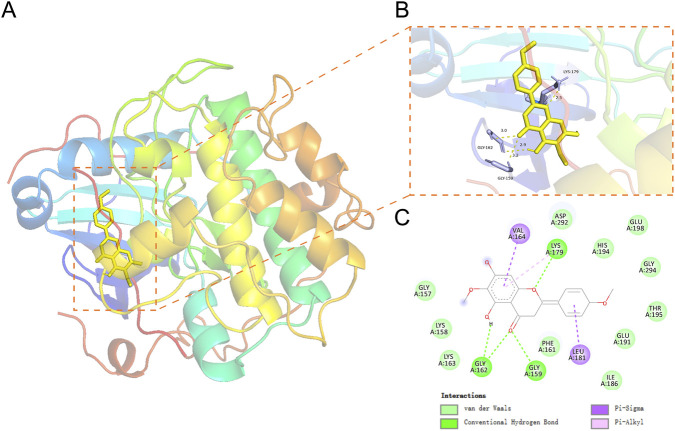 Figure 2
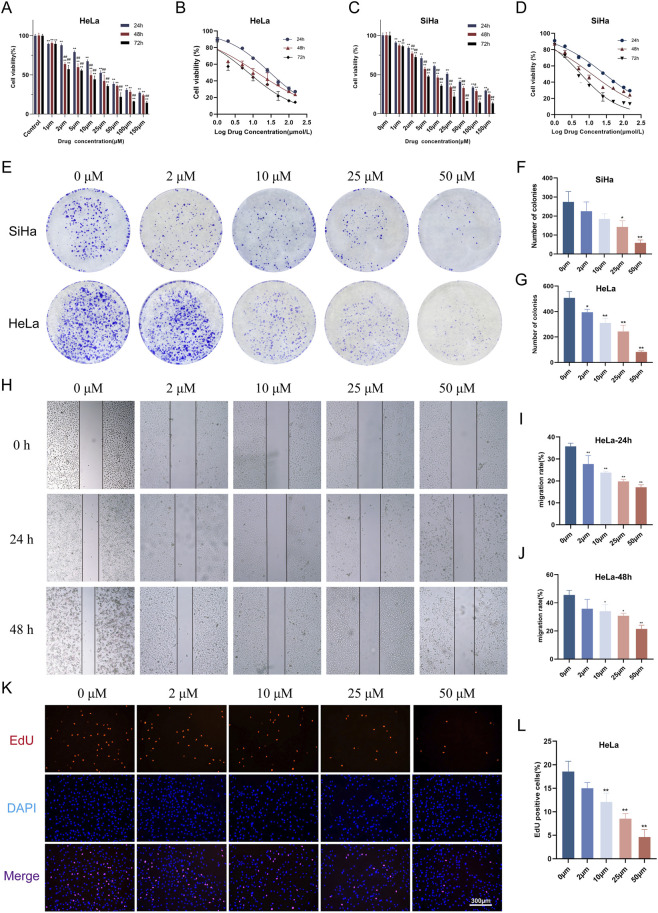 Figure 3
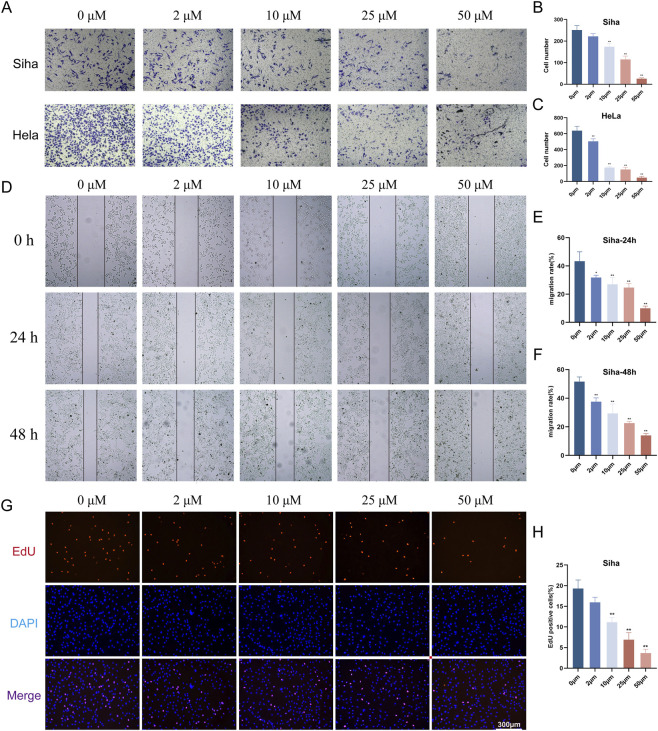 Figure 4
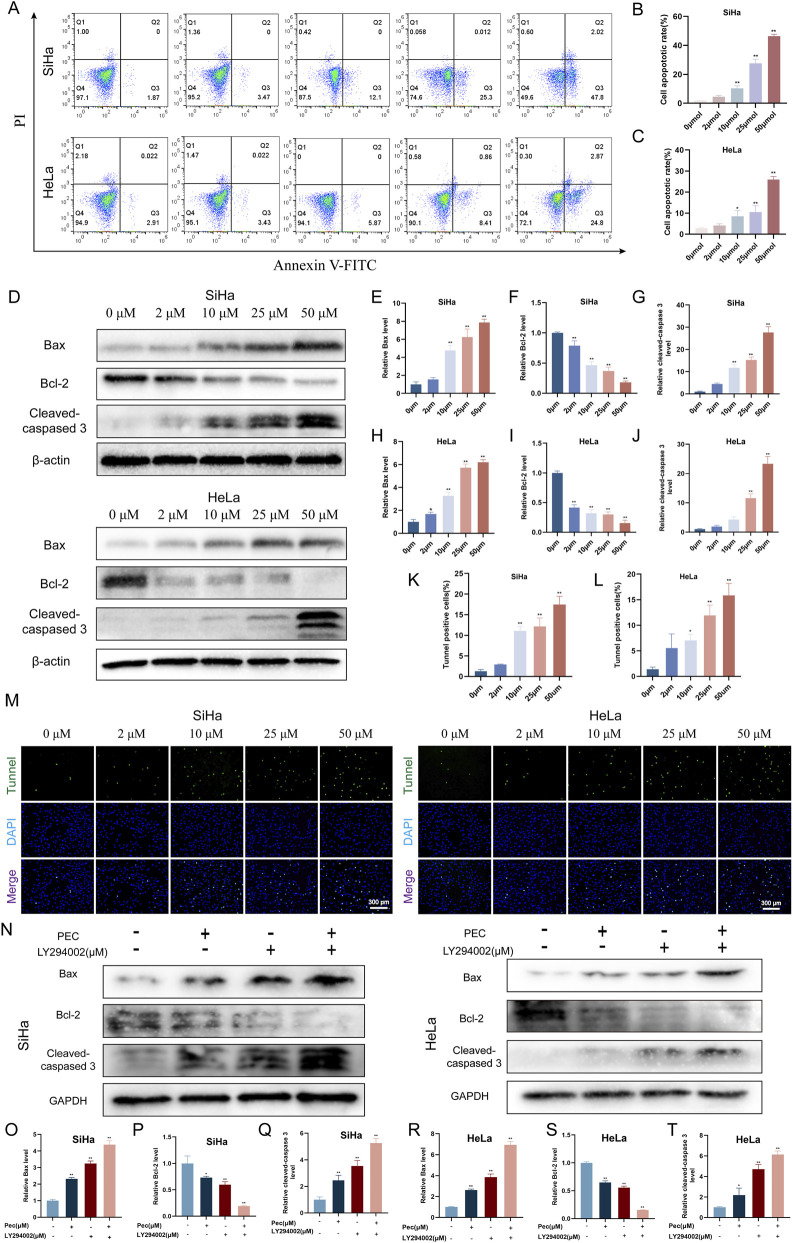 Figure 5
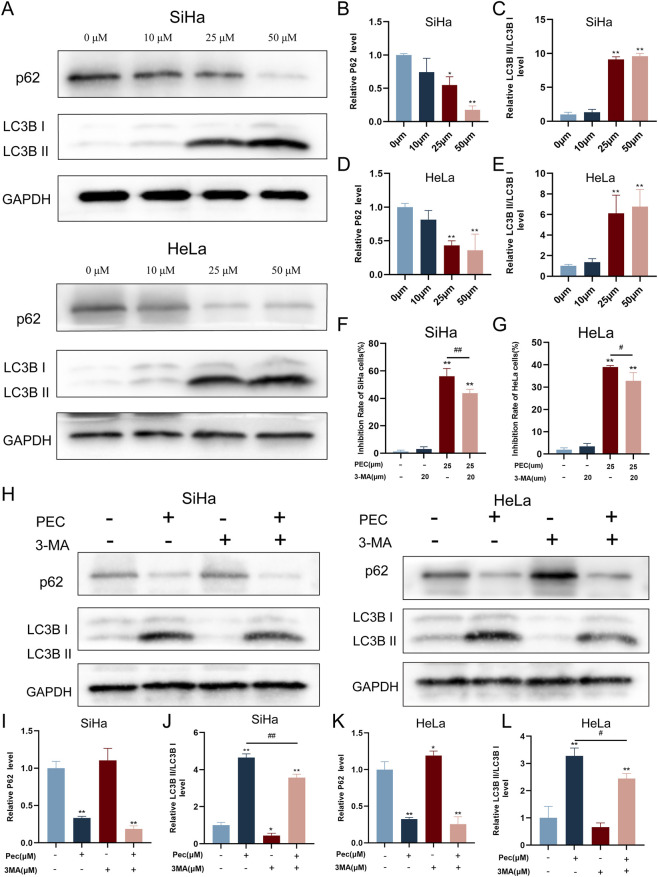 Figure 6
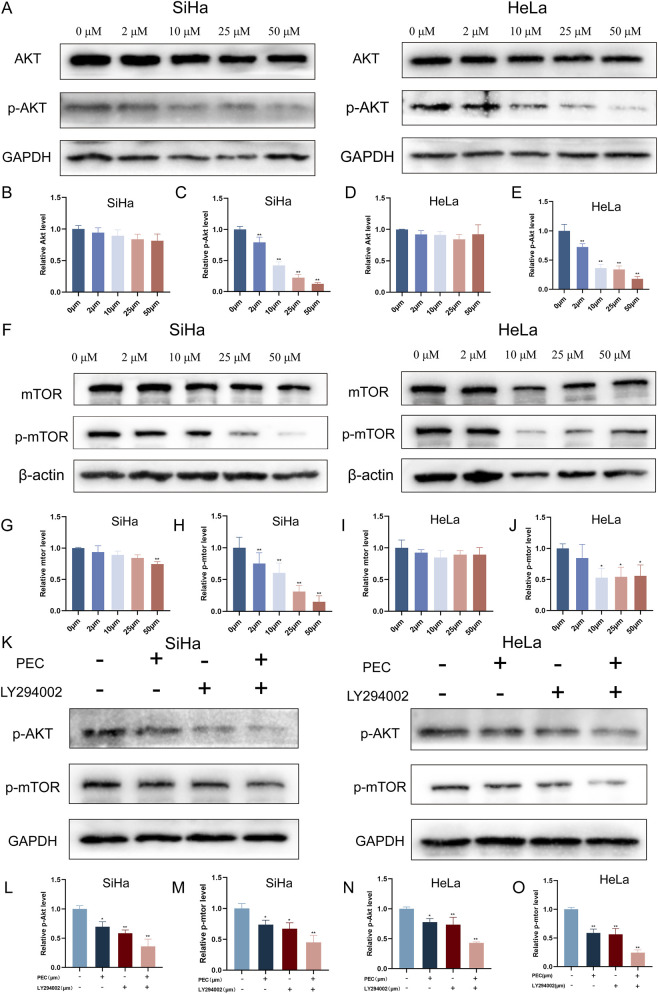 Figure 7
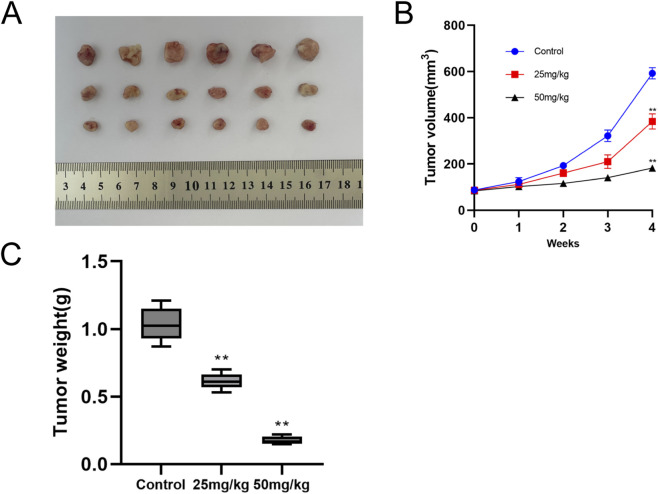 Figure 8
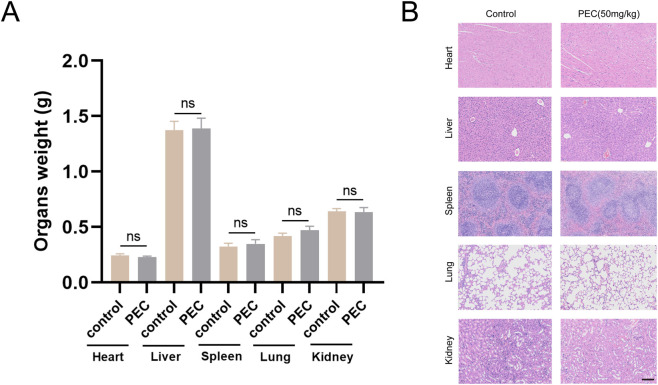 Figure 9
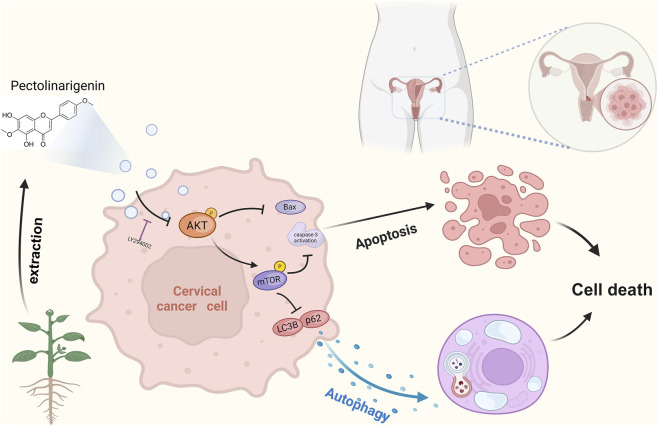 Figure 10
Peer Reviews
No public reviews on file for this paper yet. If you reviewed it on a platform where reviews are public (OpenReview, ICLR, NeurIPS, ICML), you can paste yours below so the community can read it here.
Videos
No videos yet. Explain this paper in a talk, walkthrough, or lecture? Add one.
Taxonomy
TopicsAutophagy in Disease and Therapy · Berberine and alkaloids research · Andrographolide Research and Applications