Early warning mechanism for college student adaptation: a network analysis and computational intervention simulation study based on mind wandering and problematic short video use
Zheng Mao, Yisheng Yang, Yongzhi Jiang

TL;DR
This study identifies key symptoms of mind wandering that predict problematic short video use in college freshmen, offering early warning signals for academic adaptation challenges.
Contribution
The study introduces a network-based early warning mechanism and computational intervention simulations for addressing college student adaptation issues.
Findings
Mind wandering during lectures (MW5) is a key bridge symptom connecting mind wandering and problematic short video use.
Targeting MW5 through intervention most effectively reduces problematic short video use severity.
Two distinct but interconnected symptom communities were identified in the network analysis.
Abstract
The adaptation challenges of college freshmen represent a core issue in higher education psychology research. With the rapid development of digital media, this study aims to examine the complex interactions between mind wandering and problematic short video use during the critical period of academic adaptation from a cognitive control perspective. A total of 1,989 Chinese college freshmen (M = 18.3, SD = 0.6) participated in this cross-sectional study. An Ising model network was constructed to estimate the conditional dependency relationships between specific symptoms of mind wandering and problematic short video use. Subsequently, the NodeIdentifyR algorithm (NIRA) was applied to conduct computational intervention simulations to identify the most effective intervention targets within the network. The network analysis identified two distinct but interconnected symptom communities.…
Genes, proteins, chemicals, diseases, species, mutations and cell lines named across the full text — each resolved to its canonical identifier and authoritative record.
Click any figure to enlarge with its caption.
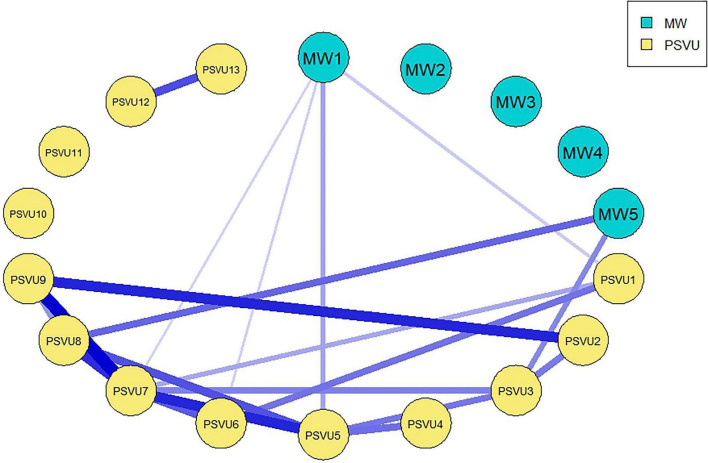 Figure 1
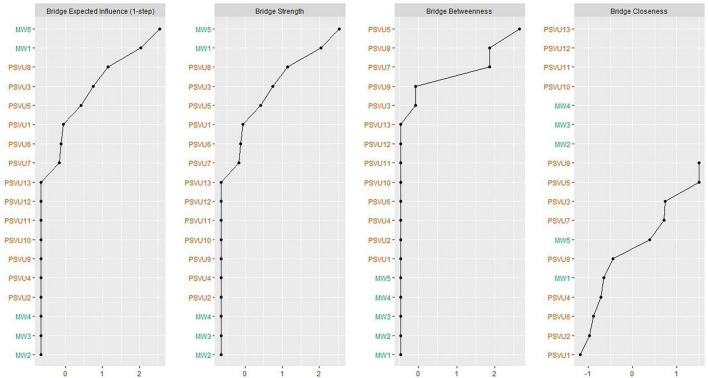 Figure 2
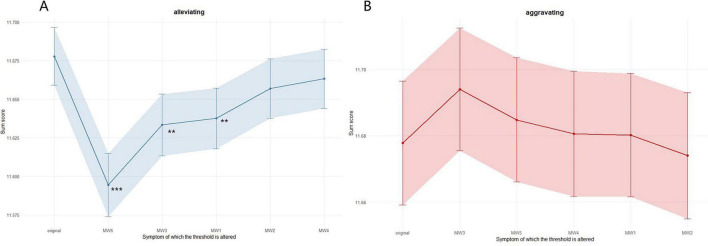 Figure 3
Peer Reviews
No public reviews on file for this paper yet. If you reviewed it on a platform where reviews are public (OpenReview, ICLR, NeurIPS, ICML), you can paste yours below so the community can read it here.
Videos
No videos yet. Explain this paper in a talk, walkthrough, or lecture? Add one.
Taxonomy
TopicsMind wandering and attention · Mental Health Research Topics · Impact of Technology on Adolescents