Genomic characterization and pathogenicity assessment of a novel strain of duck reovirus identified in China
Xiuling Wang, Kun Yan, Mengjiao Guo, Zongyi Bo, Xiaorong Zhang, Chengcheng Zhang, Yantao Wu

TL;DR
A new duck reovirus strain, SD416, was identified in China and found to cause severe disease in young ducklings, with unique genetic and pathogenic features.
Contribution
The study reports the genomic characterization and age-dependent pathogenicity of a novel duck reovirus strain, SD416, isolated from China.
Findings
The SD416 strain has a distinct genome with significant divergence from other duck reovirus isolates.
The virus causes severe hepatic and splenic lesions in 1-day-old ducklings but milder effects in older ducklings.
The σC protein-coding sequence of SD416 shows high genetic variability compared to other genotyping clusters.
Abstract
The global duck industry faces substantial challenges due to the emergence of novel duck reovirus (NDRV) infections, which are pathologically characterized by splenomegaly, hemorrhagic manifestations, and necrotic lesions in affected birds. Surviving ducklings often suffer from severe growth retardation. Here, we investigated an outbreak of hepatic necrosis in commercial ducklings from Shandong Province, China. After excluding other potential pathogens, an NDRV strain was isolated and designated SD416. This strain demonstrated infectivity in both chicken and duck embryos and induced syncytial formation in Vero cells. Full-genome sequencing revealed a 23,420-bp dsRNA genome consisting of 10 segments, displaying significant genetic divergence from other Chinese duck reovirus isolates. Phylogenetic analysis indicated that SD416 is genetically distinct from known DRV strains, particularly…
Genes, proteins, chemicals, diseases, species, mutations and cell lines named across the full text — each resolved to its canonical identifier and authoritative record.
Click any figure to enlarge with its caption.
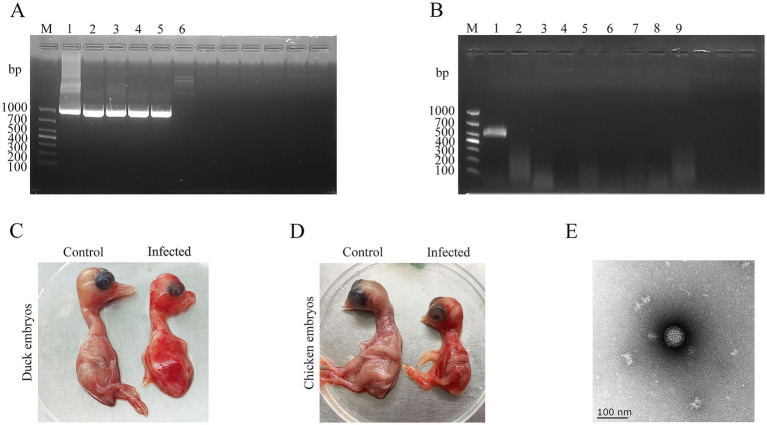 Figure 1
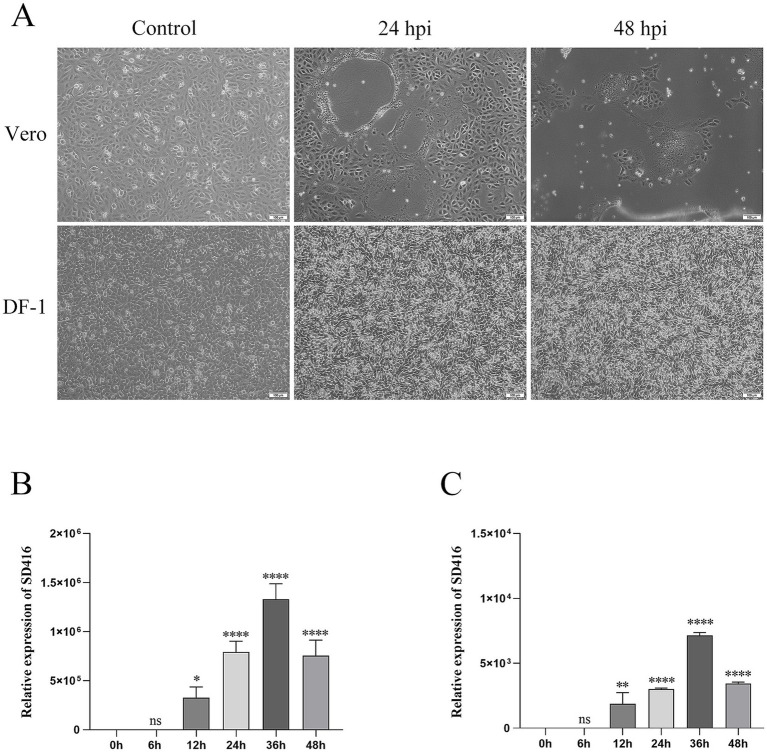 Figure 2
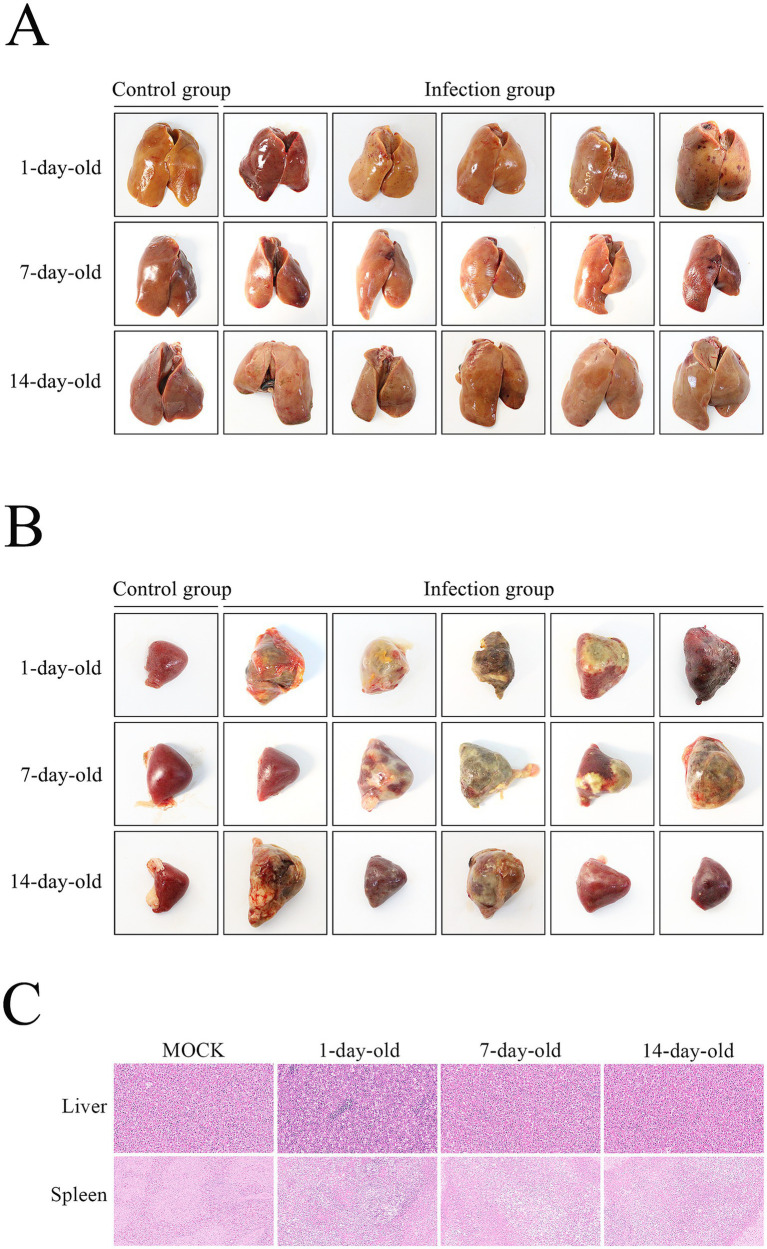 Figure 3
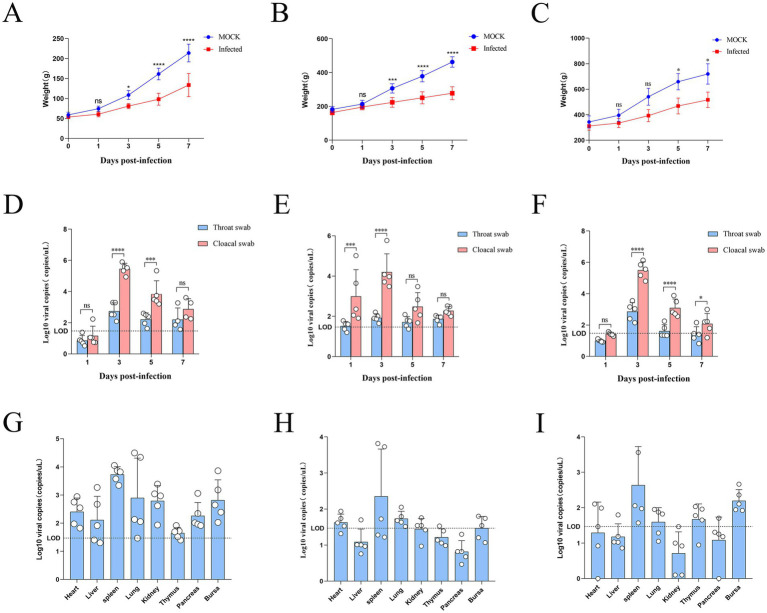 Figure 4
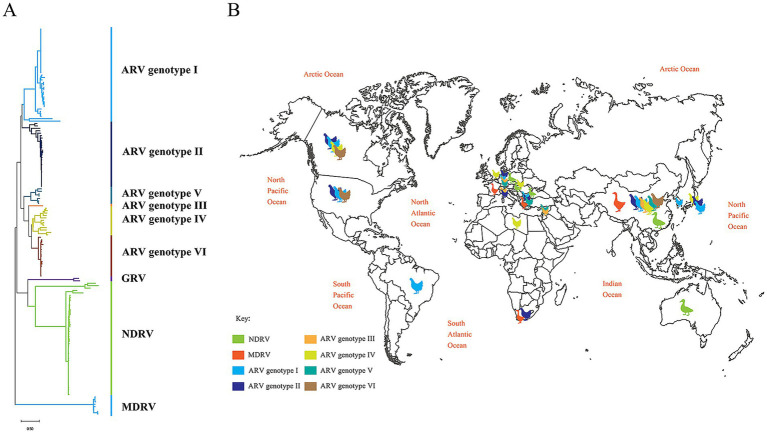 Figure 5
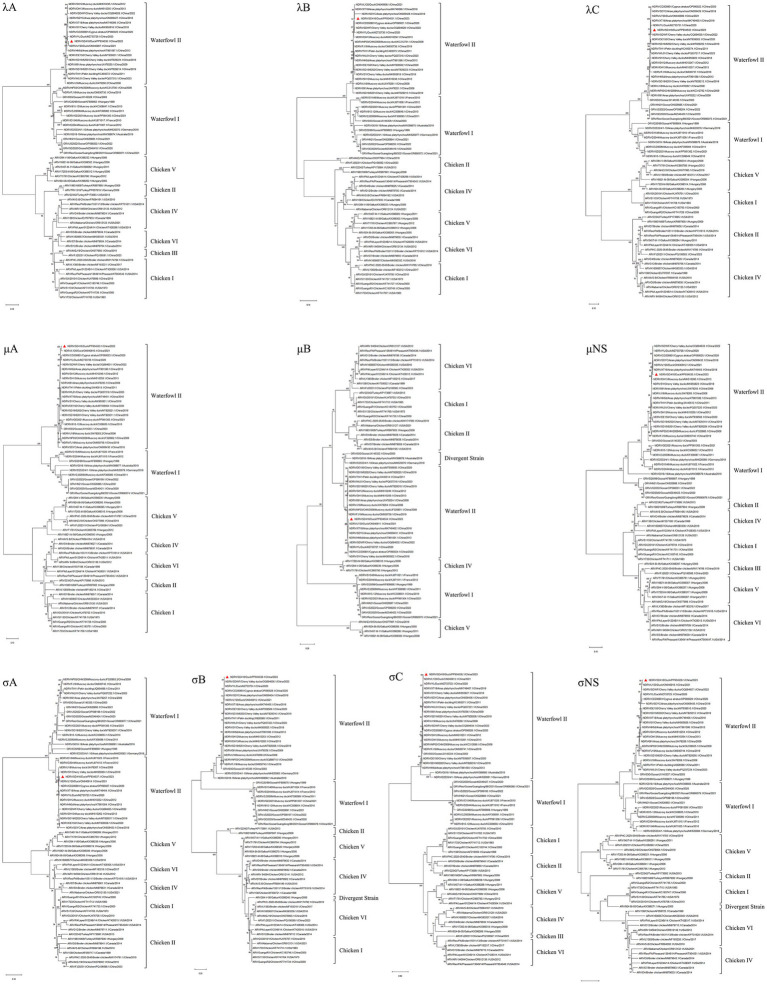 Figure 6
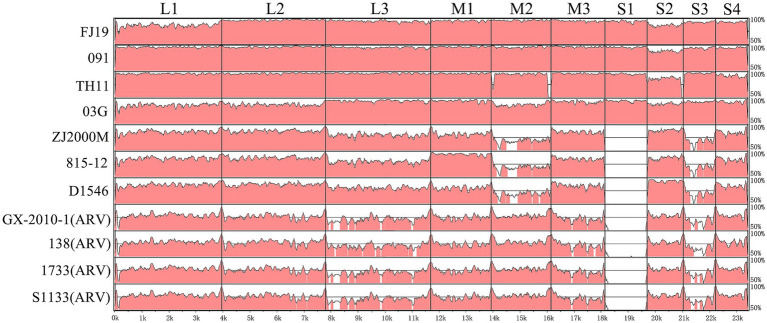 Figure 7
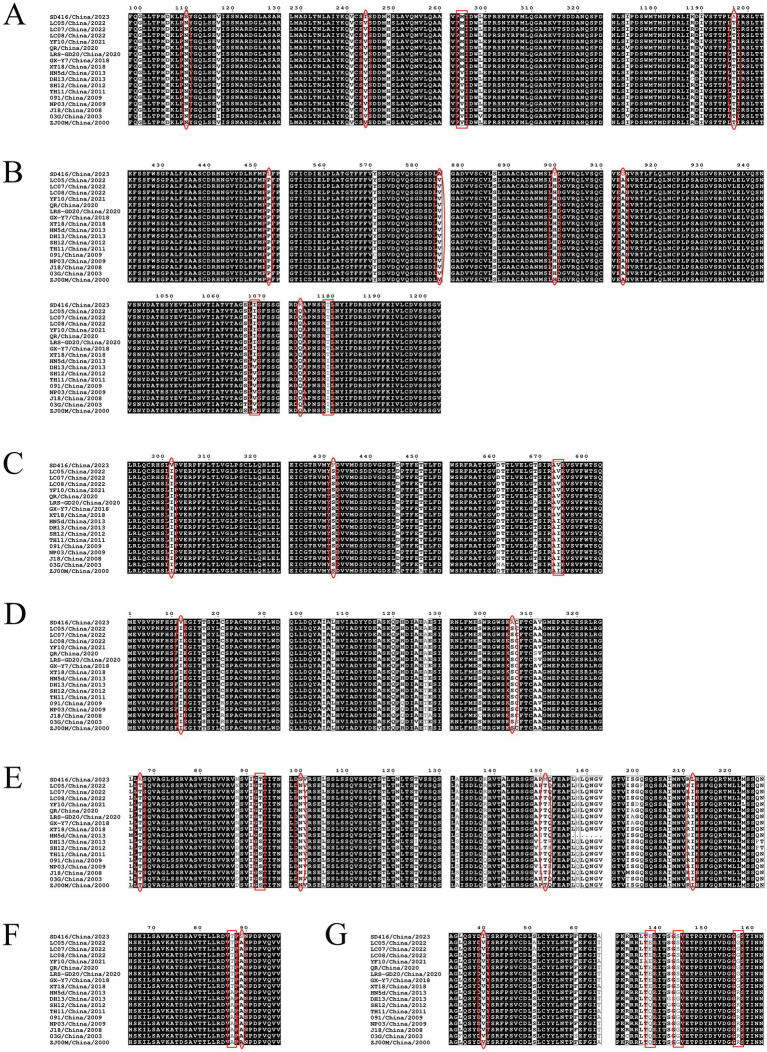 Figure 8
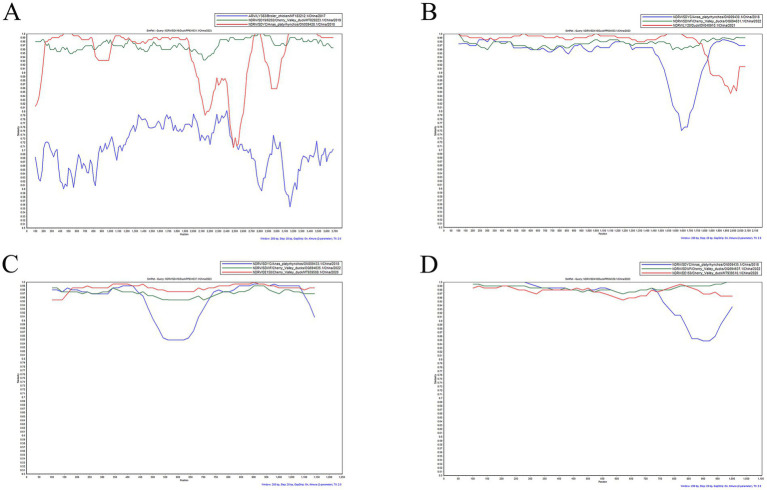 Figure 9
Peer Reviews
No public reviews on file for this paper yet. If you reviewed it on a platform where reviews are public (OpenReview, ICLR, NeurIPS, ICML), you can paste yours below so the community can read it here.
Videos
No videos yet. Explain this paper in a talk, walkthrough, or lecture? Add one.
Taxonomy
TopicsViral gastroenteritis research and epidemiology · Virus-based gene therapy research · Animal Virus Infections Studies