Artificial intelligence–enhanced microsurgical training: a systematic review
Wameth Alaa Jamel, Mohammed Jameel, Ibrahim Riaz, Yousif F. Yousif, Rocio Perez H, Valeria de la Torre, Ishith Seth

TL;DR
This review examines how artificial intelligence improves microsurgical training by providing objective feedback and personalized guidance, but notes the need for better-quality research.
Contribution
The paper systematically evaluates AI's role in microsurgical training, highlighting its potential and current limitations in clinical education.
Findings
AI models like Mask R-CNN and YOLOv2 improved technical skills and reduced errors through real-time feedback.
Median accuracy of AI models was 83.8%, with applications in instrument tracking and motion analysis.
Current evidence is of very low certainty due to high risk of bias and poor external validation.
Abstract
Artificial intelligence (AI) offers objective, adaptive tools for skill enhancement in microsurgical training, but evidence is fragmented. This systematic review evaluates AI-enhanced training efficacy compared to traditional methods, focusing on technical performance, learning efficiency, and skill retention. Following PRISMA guidelines, databases (MEDLINE, Embase, Cochrane, IEEE Xplore, Web of Science) were searched from January 2010. Data on study characteristics, AI models, outcomes (time, errors, skill metrics), risk of bias, evidence certainty (GRADE), methodological quality, and reporting quality were extracted and synthesized narratively. From 2,056 records, 13 studies were included, involving 3–50 participants, mostly single-centre with varied designs. AI/ML models, such as Mask R-CNN, YOLOv2, ResNet-50, and other convolutional neural networks, were primarily used for…
Genes, proteins, chemicals, diseases, species, mutations and cell lines named across the full text — each resolved to its canonical identifier and authoritative record.
Click any figure to enlarge with its caption.
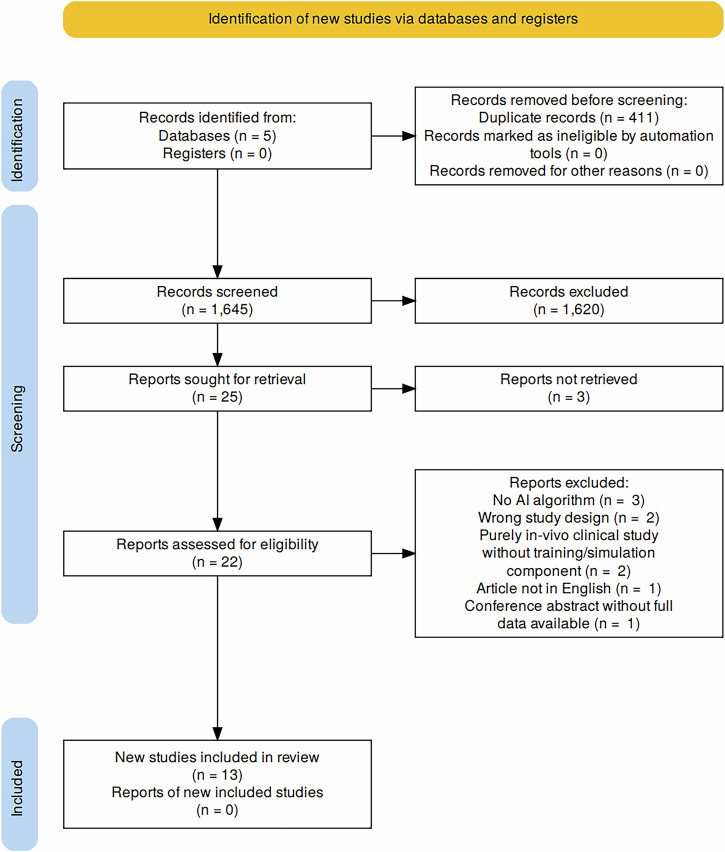 Figure 1
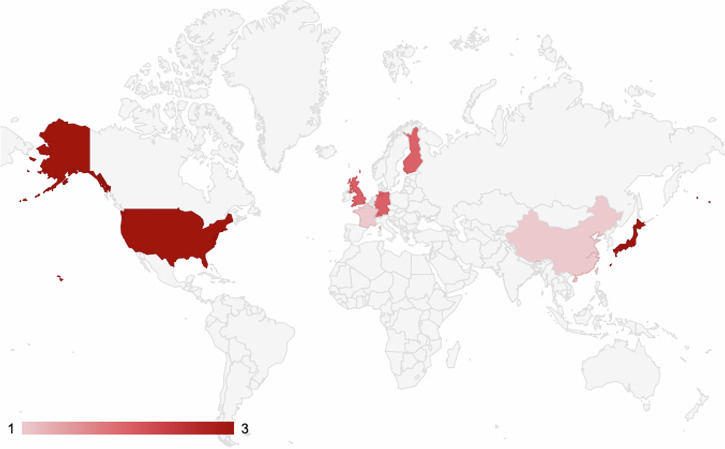 Figure 2
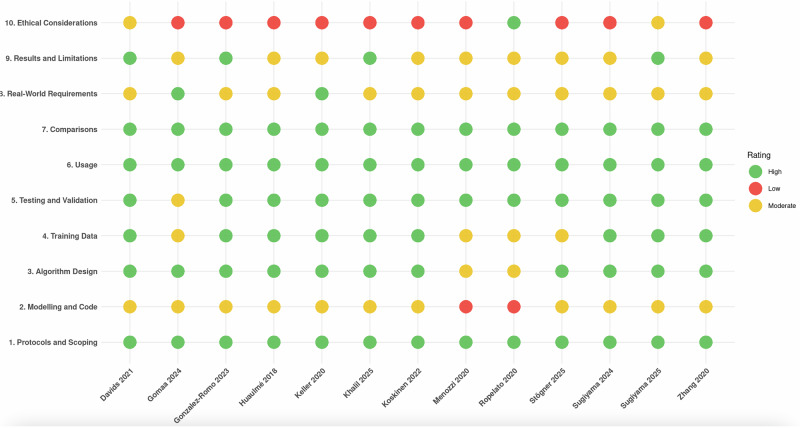 Figure 3
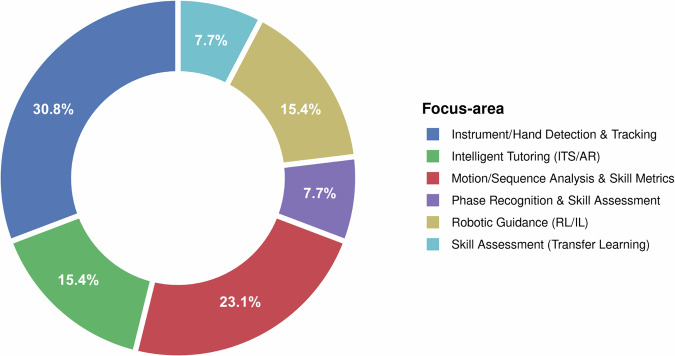 Figure 4
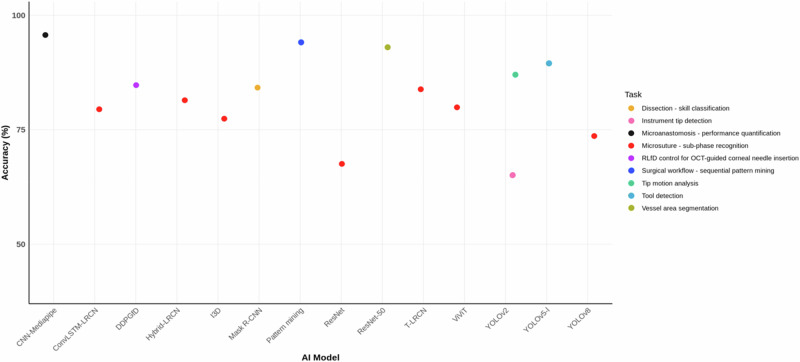 Figure 5
Peer Reviews
No public reviews on file for this paper yet. If you reviewed it on a platform where reviews are public (OpenReview, ICLR, NeurIPS, ICML), you can paste yours below so the community can read it here.
Videos
No videos yet. Explain this paper in a talk, walkthrough, or lecture? Add one.
Taxonomy
TopicsSurgical Simulation and Training · Artificial Intelligence in Healthcare and Education · Soft Robotics and Applications