Alleviation of nonalcoholic steatohepatitis induced by tetracycline in rats by Coffee Arabica extract through autophagy signals (mTOR/LC3-B)
Merehan Alaa-ElDin Mohamed, Said S. Moselhy, Shaimaa Rihan, Mustafa M. M. Elbakry

TL;DR
Coffee Arabica extract may help protect against liver damage caused by a specific type of liver disease in rats by boosting a cellular recycling process.
Contribution
This study shows that Coffee Arabica extract can alleviate tetracycline-induced NASH in rats through modulation of autophagy signals.
Findings
Coffee Arabica methanolic extract (CAME) reversed abnormal mTOR and LC3-B levels caused by tetracycline in rats.
Electron microscopy showed liver tissue improvement in rats treated with CAME after tetracycline exposure.
Chlorogenic acid in CAME showed favorable binding energy to mTOR, suggesting a potential mechanism of action.
Abstract
The autophagy mechanism is a key point for liver protection against nonalcoholic steatohepatitis (NASH). By specifically selecting Coffea arabica, this study leverages its high concentration of chlorogenic acid to modulate autophagy, a critical cellular recycling process that is typically suppressed during the development of NASH-related liver damage. We investigated the impact of Coffea Arabica methanolic extract (CAME) on autophagy-related markers (mTOR and LC3-B) mediated abrogation of tetracycline (TET) induced NASH in rats. Sixty male albino rats weighing 150 ± 10 g were equally divided into six groups: group 1 (control) received a chow diet; group 2 (NASH) received TET orally (1 g/kg bw) for 8 days; group 3 (CAME) received Coffea Arabica methanolic extract (CAME) orally (100 mg/kg bw) for 28 days; group 4 (treatment) received TET then CAME treatment for 28 days; group 5…
Genes, proteins, chemicals, diseases, species, mutations and cell lines named across the full text — each resolved to its canonical identifier and authoritative record.
Click any figure to enlarge with its caption.
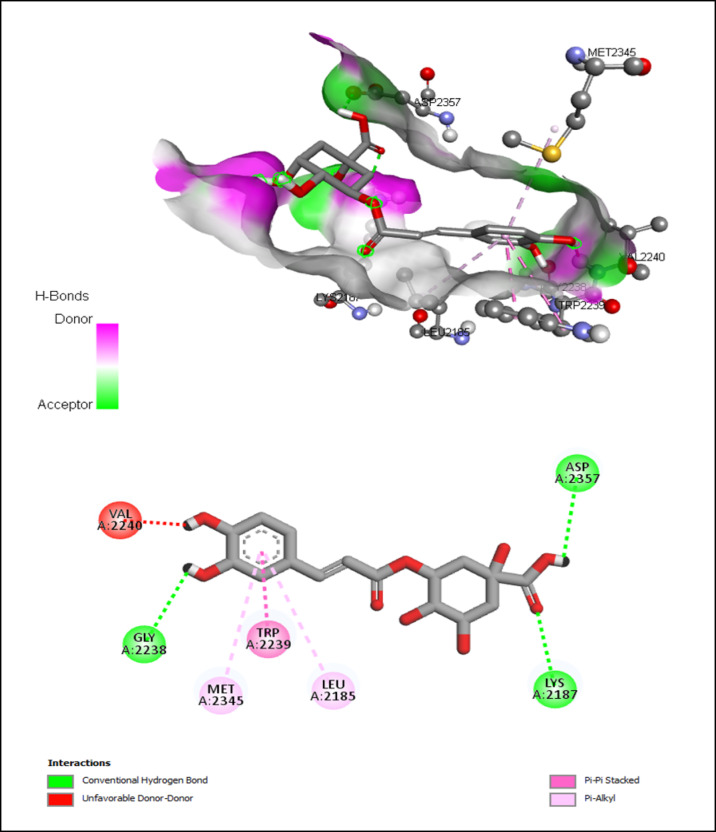 Figure 10
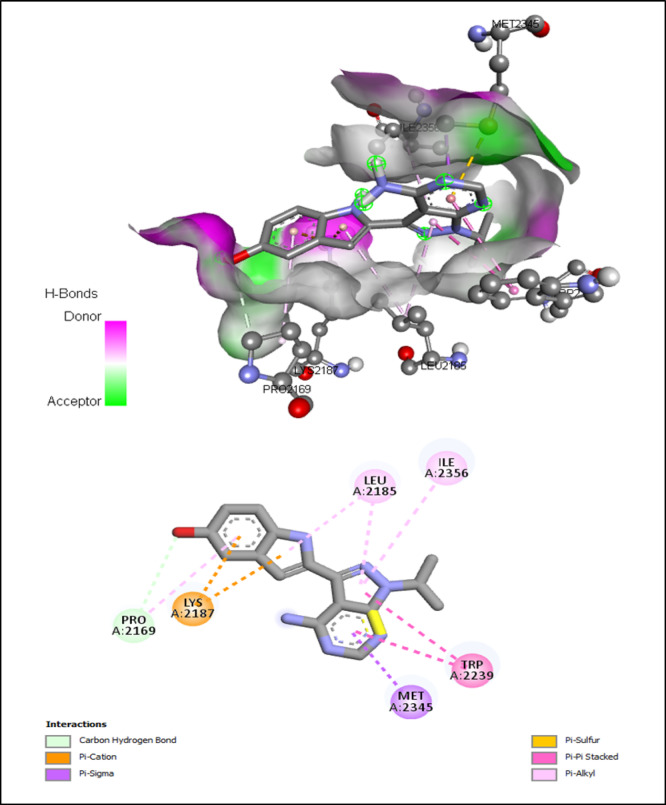 Figure 11
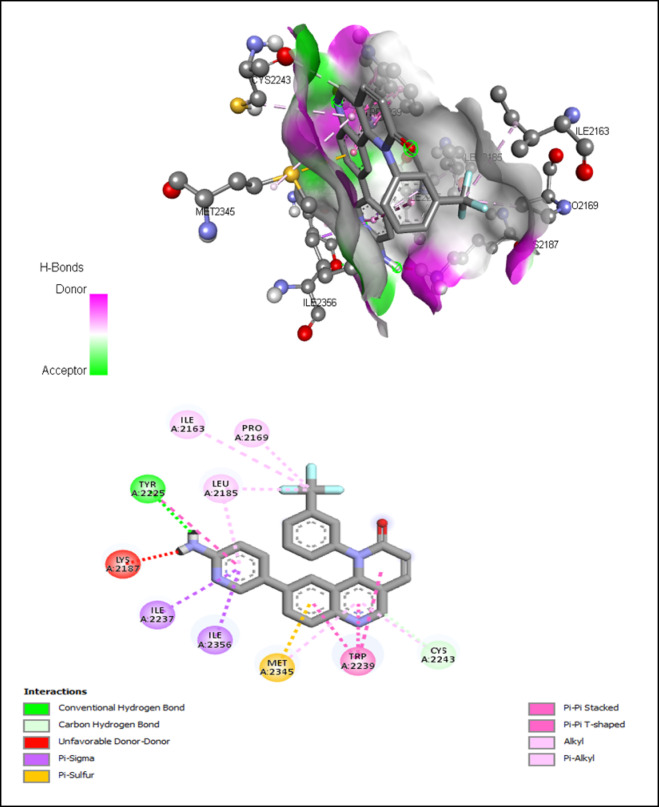 Figure 12
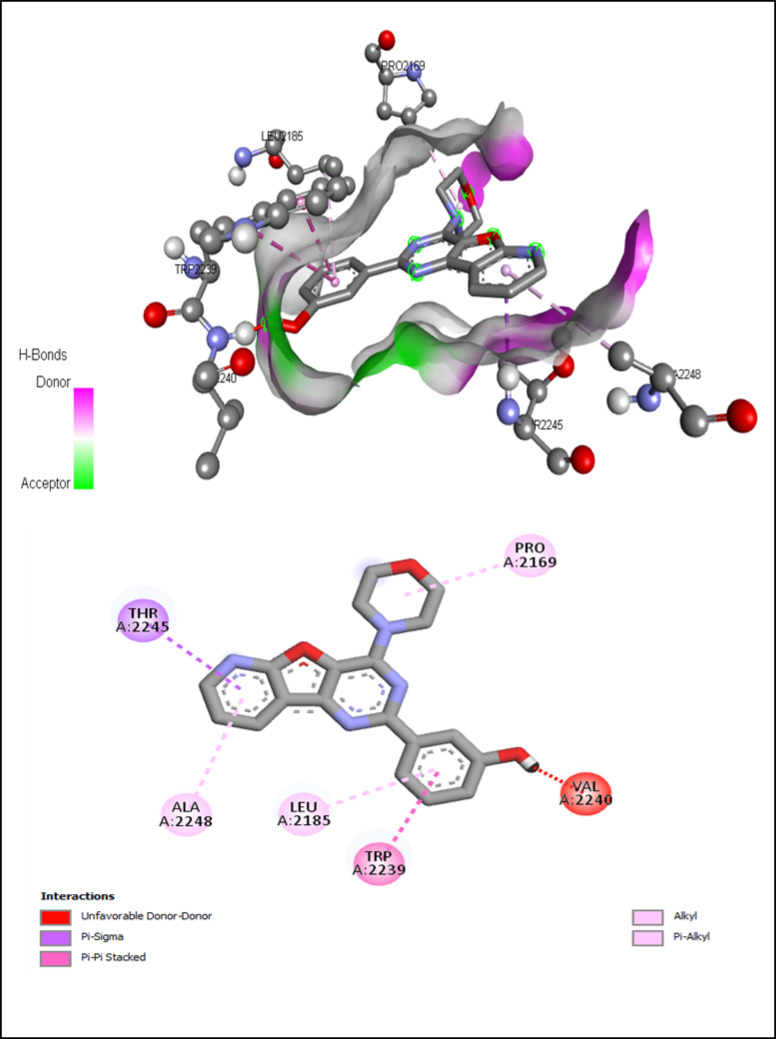 Figure 13
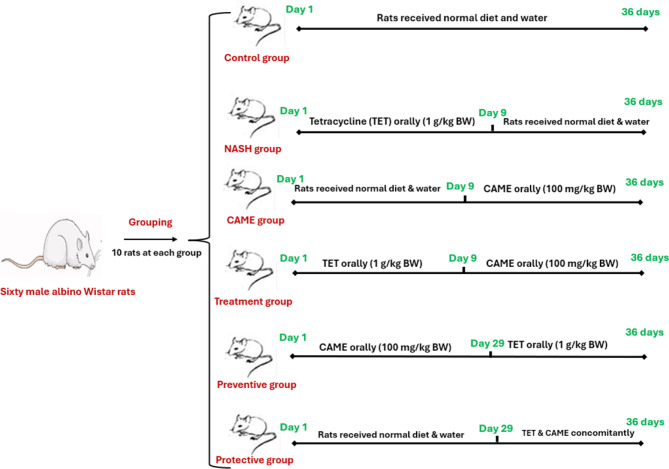 Figure 1
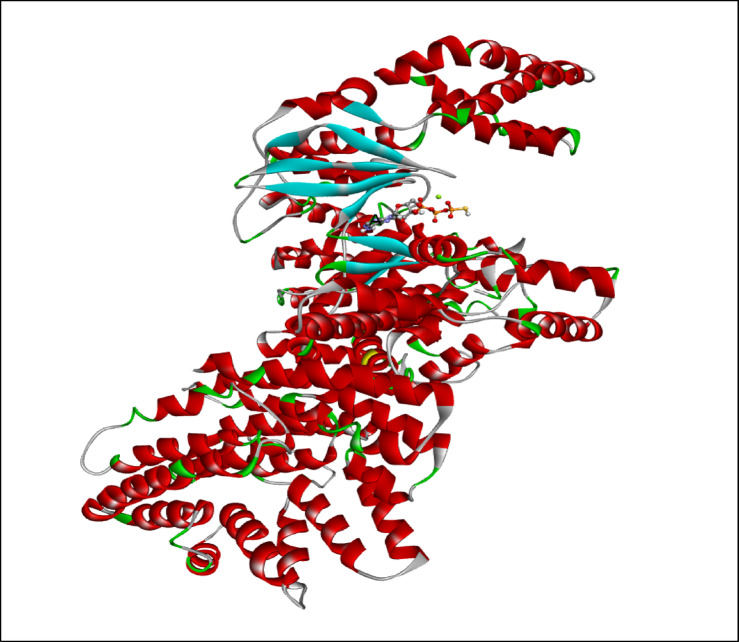 Figure 2
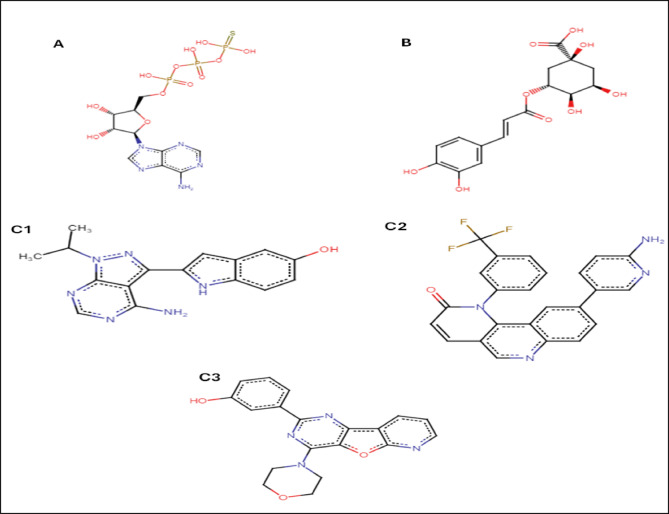 Figure 3
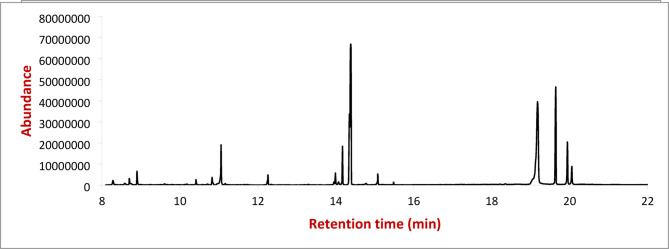 Figure 4
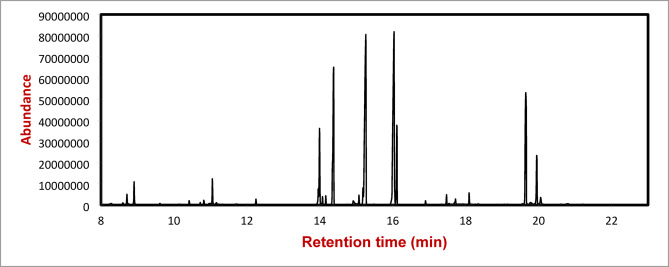 Figure 5
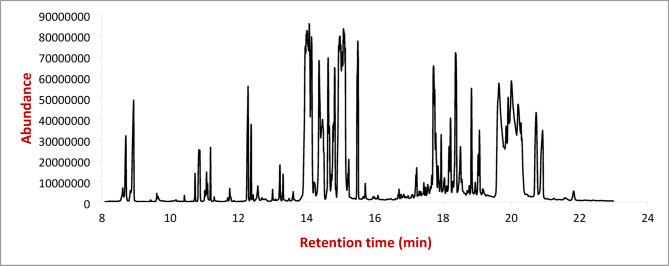 Figure 6
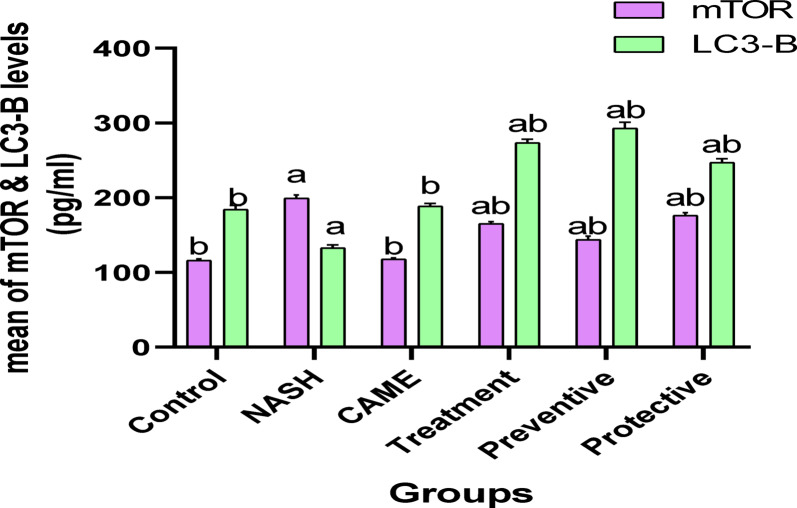 Figure 7
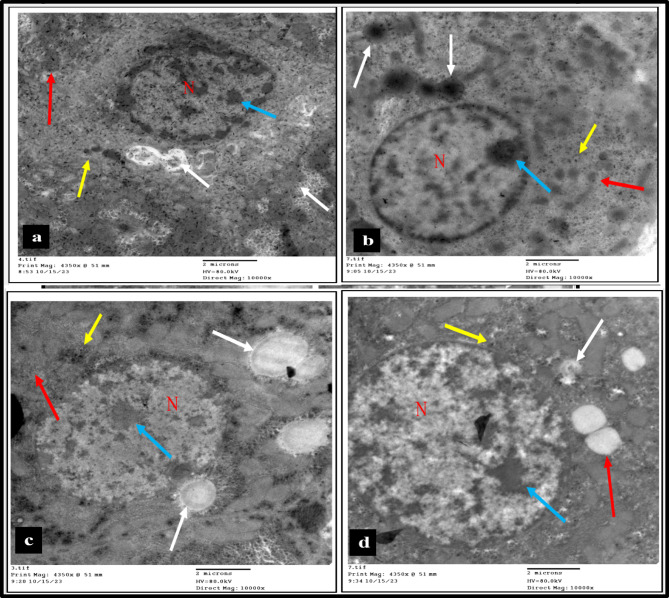 Figure 8
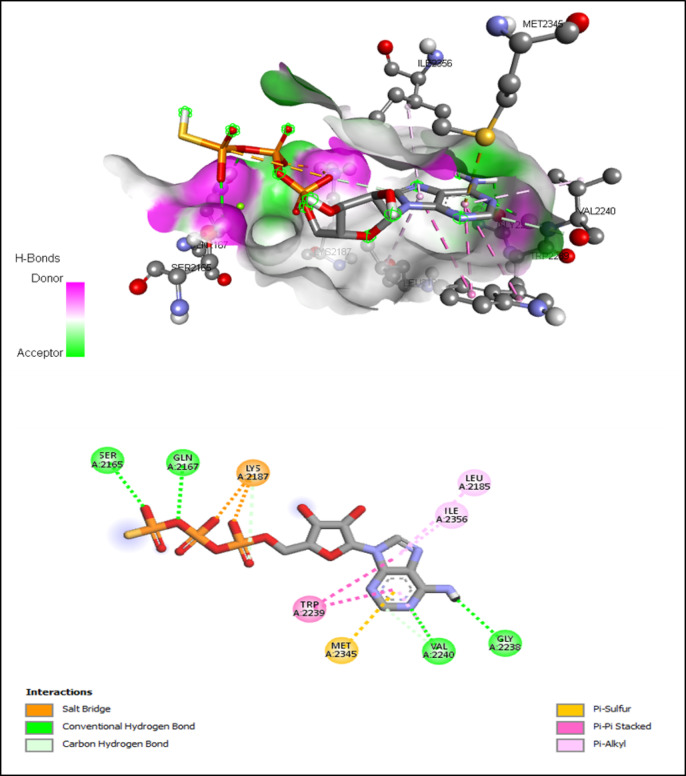 Figure 9
Peer Reviews
No public reviews on file for this paper yet. If you reviewed it on a platform where reviews are public (OpenReview, ICLR, NeurIPS, ICML), you can paste yours below so the community can read it here.
Videos
No videos yet. Explain this paper in a talk, walkthrough, or lecture? Add one.
Taxonomy
TopicsCoffee research and impacts · Autophagy in Disease and Therapy · Tea Polyphenols and Effects