Generation of marmoset monkeys with a non-mosaic disruption of the OTOF gene as a model of human deafness
Tobias Kahland, Dimitri Leonid Lindenwald, Marcus Jeschke, Kathrin Kusch, Olena Tkachenko Eikel, Mara Uhl, Nancy Rüger, Charis Drummer, Bettina Wolf, Fritz Benseler, Nils Brose, Rüdiger Behr, Tobias Moser

TL;DR
Scientists created marmoset monkeys with a genetic mutation causing hearing loss, to study and develop gene therapies for human deafness.
Contribution
A non-mosaic marmoset model of OTOF-related auditory synaptopathy was generated and characterized.
Findings
Marmosets with biallelic OTOF-KO were born and raised normally.
Auditory synaptopathy was confirmed via brainstem recordings and lack of otoferlin in IHCs.
The model will help study gene therapy efficacy and longevity in non-human primates.
Abstract
Disabling hearing impairment is a common human sensory deficit. OTOF is a major deafness gene. It codes for the synaptic protein otoferlin and is essential for transmitter release by inner hair cells (IHCs). Upon genetic loss of otoferlin, cochlear structure and function remain intact up to the IHC synapses, which fail to encode sound. Building on preclinical hearing restoration by AAV-mediated cochlear gene transfer in mice, clinical OTOF-gene-therapy trials are now targeting the pediatric population. However, preclinical optimization and characterization remain urgent needs for the development of OTOF-gene-therapy. Here, we report on the generation and characterization of a marmoset KO that models OTOF-related auditory synaptopathy and can thus address these needs. Following ovary stimulation, harvesting, in vitro maturation and fertilization of oocytes, we injected the zygotes with…
Genes, proteins, chemicals, diseases, species, mutations and cell lines named across the full text — each resolved to its canonical identifier and authoritative record.
Click any figure to enlarge with its caption.
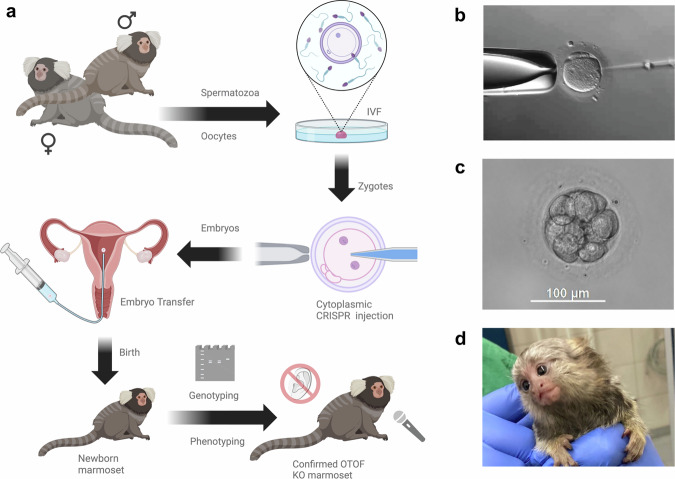 Figure 1
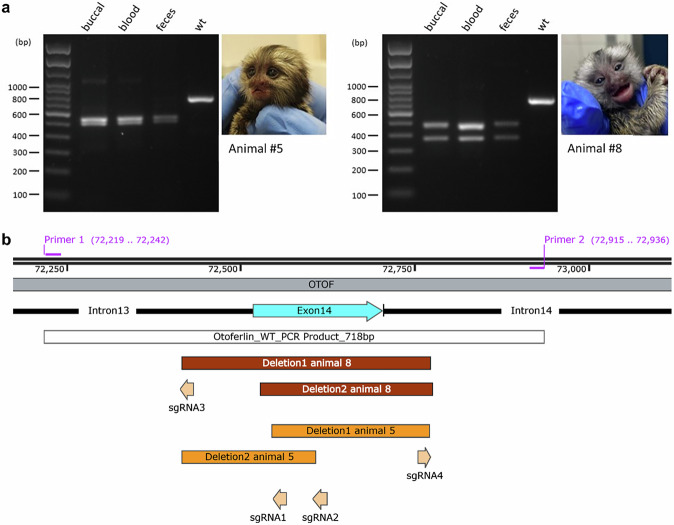 Figure 2
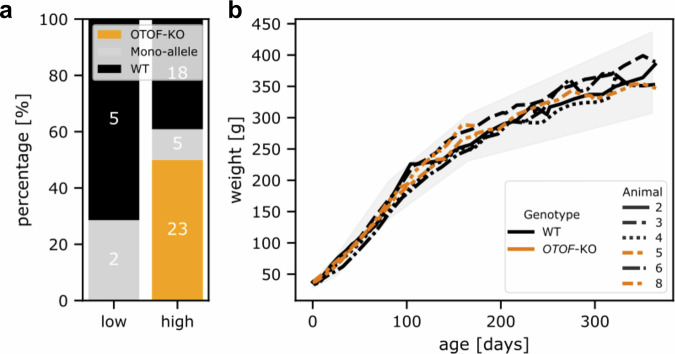 Figure 3
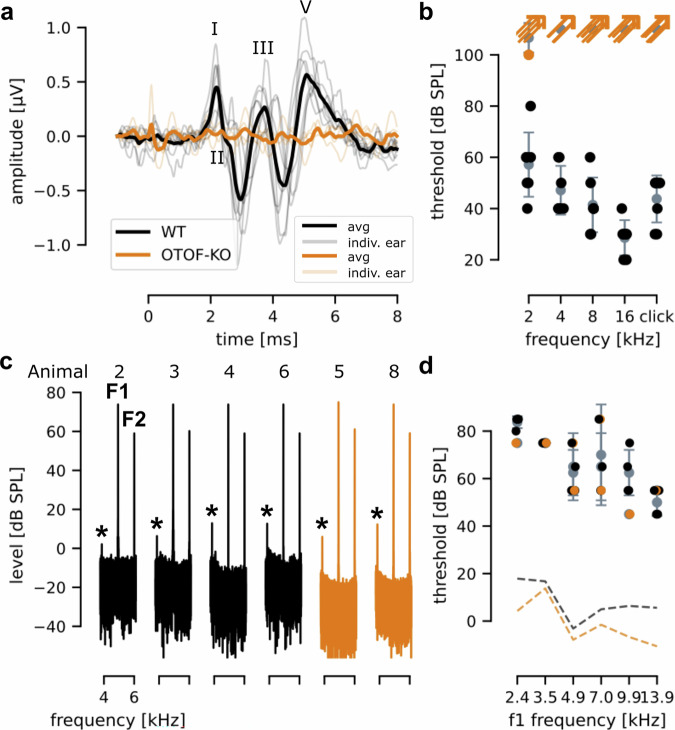 Figure 4
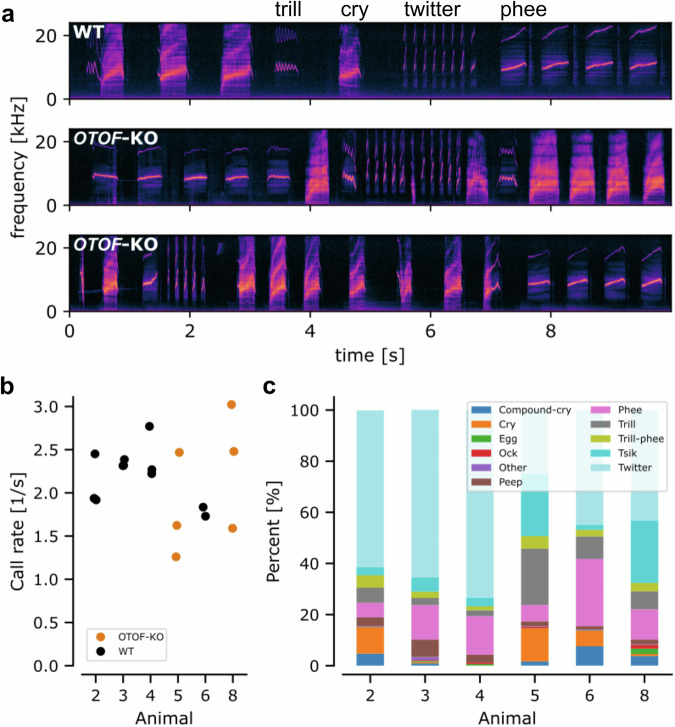 Figure 5
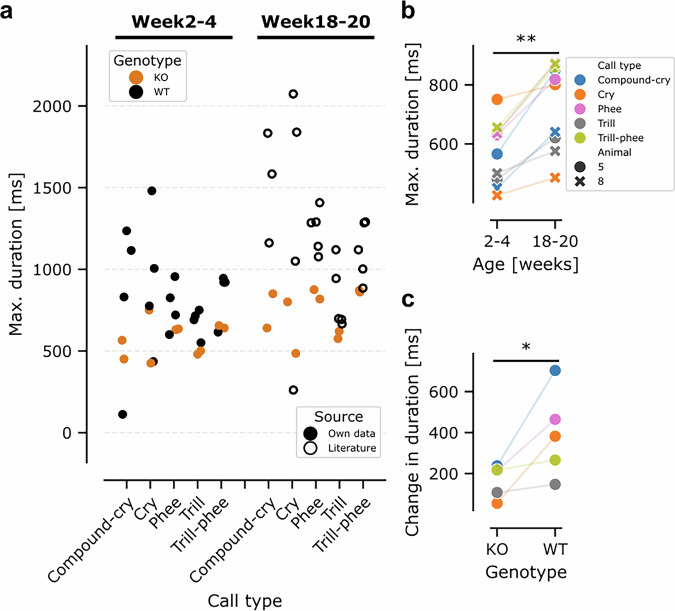 Figure 6
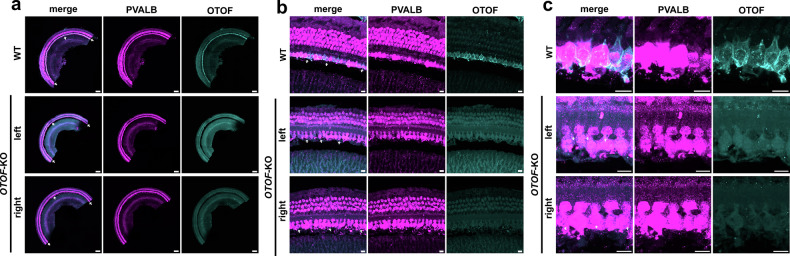 Figure 7
Peer Reviews
No public reviews on file for this paper yet. If you reviewed it on a platform where reviews are public (OpenReview, ICLR, NeurIPS, ICML), you can paste yours below so the community can read it here.
Videos
No videos yet. Explain this paper in a talk, walkthrough, or lecture? Add one.
Taxonomy
TopicsHearing, Cochlea, Tinnitus, Genetics · Hearing Loss and Rehabilitation · Voice and Speech Disorders