A bridge-like lipid transfer protein is critical for generation of invasive stages in malaria parasites
Andrés Guillén-Samander, Nika Perepelkina, Vendula Horáčková, Hannah M. Behrens, Hely O. Rodriguez Cruz, Joëlle Paolo Mesén-Ramírez, Ana Ribeiro-Holbein, Per Haberkant, Frank Stein, Tobias Spielmann

TL;DR
This study identifies a lipid transfer protein critical for the formation of invasive stages in malaria parasites by facilitating lipid transfer from the ER to a key organelle.
Contribution
The study reveals PfVPS13L1 as a bridge-like lipid transfer protein essential for malaria parasite development.
Findings
PfVPS13L1 bridges the ER with the inner membrane complex (IMC) in malaria parasites.
Loss of PfVPS13L1 impairs IMC growth and schizogony, reducing parasite progeny.
The protein mediates bulk lipid transfer required for invasive stage formation.
Abstract
Malaria blood stages build and maintain an intricate system of membranes during their cycle of rapid growth and schizogony (daughter-cell formation), requiring precise mechanisms of lipid synthesis and trafficking. Lipid transfer proteins (LTPs) at ER membrane contact sites (MCSs) have emerged as key for lipid distribution processes but remain largely unexplored in protozoans. Here we use the ER adapter VAP to identify essential mechanisms of lipid transfer at ER-MCSs in P. falciparum. One PfVAP-interacting LTP is the bridge-like PfVPS13L1, which allows bulk flow of lipids between two apposed membranes. PfVPS13L1 bridges the ER with the nascent inner membrane complex (IMC), a de novo-generated organelle required for schizogony. Its loss-of-function reduces IMC growth and leads to smaller anucleated progeny, impairing schizogony. Our data supports a model in which VPS13L1 is critical for…
Genes, proteins, chemicals, diseases, species, mutations and cell lines named across the full text — each resolved to its canonical identifier and authoritative record.
Click any figure to enlarge with its caption.
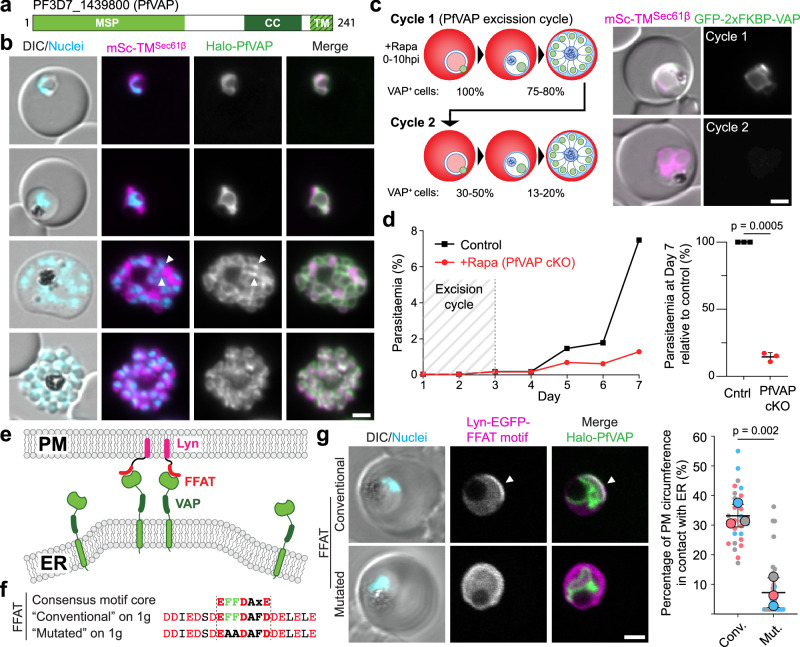 Figure 1
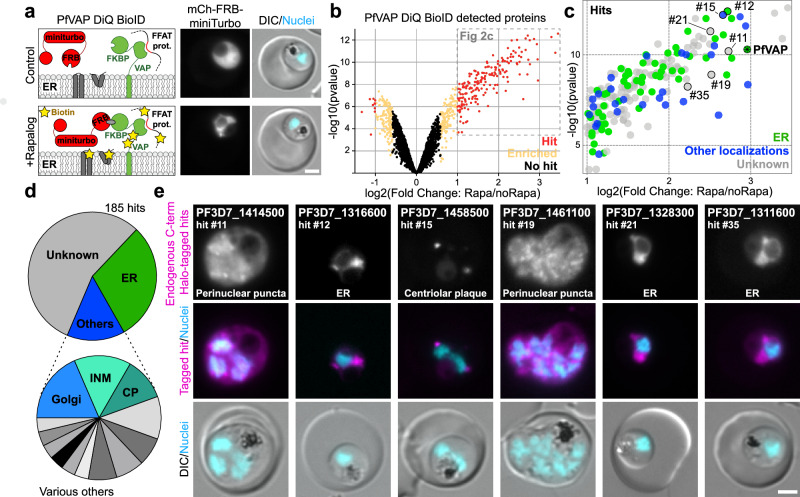 Figure 2
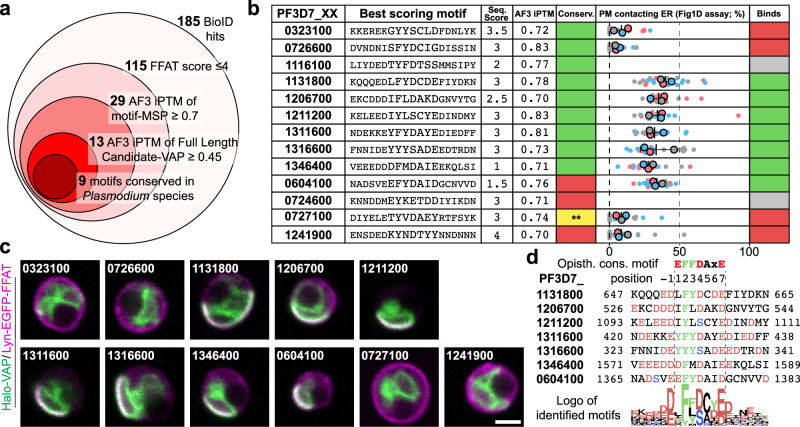 Figure 3
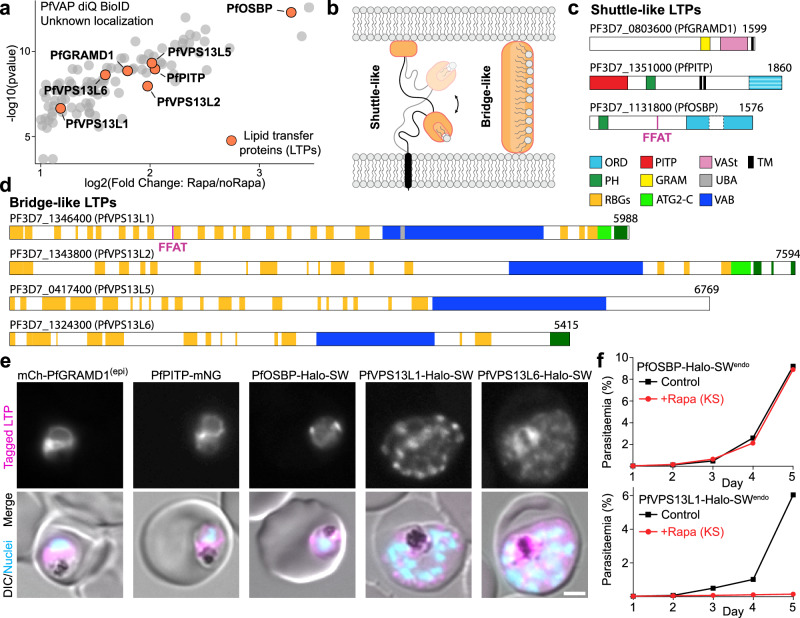 Figure 4
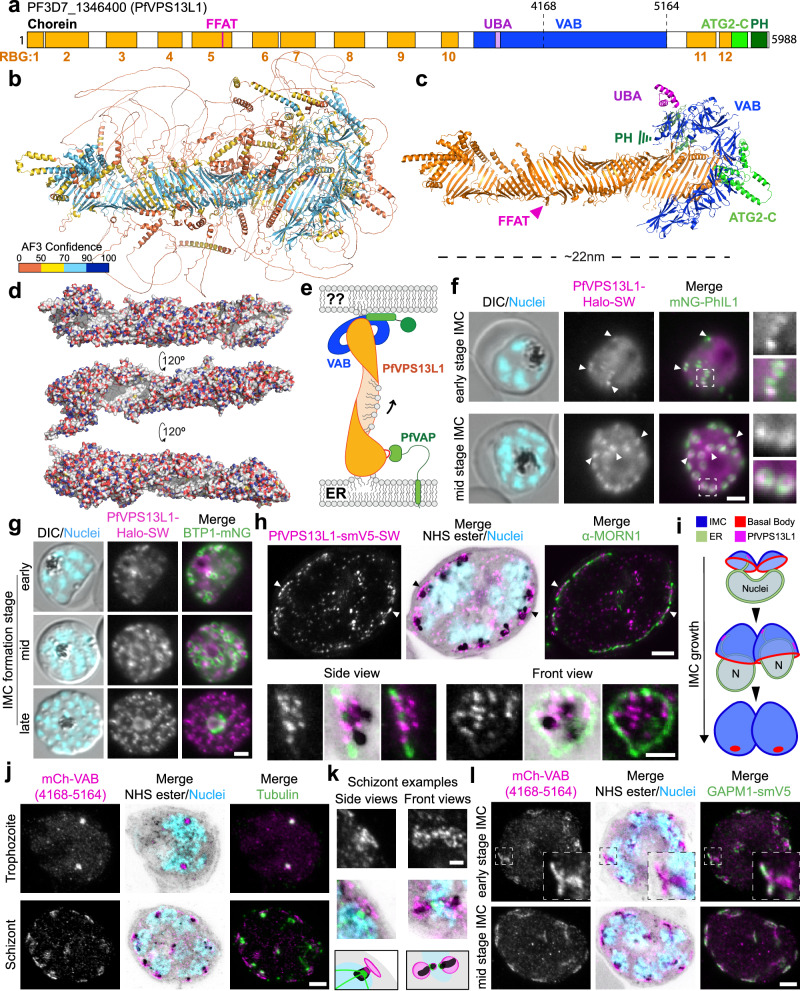 Figure 5
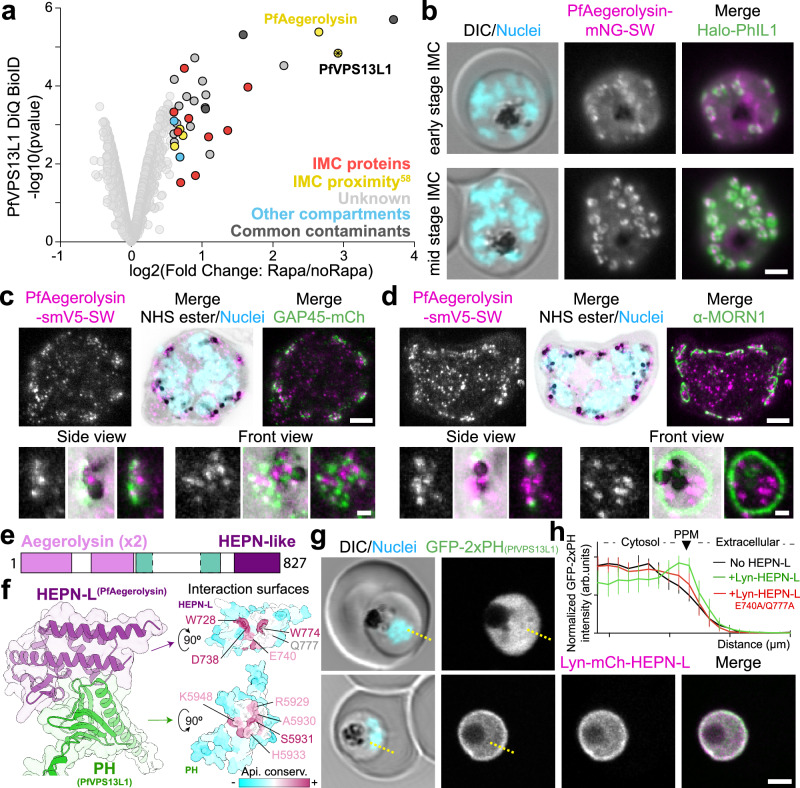 Figure 6
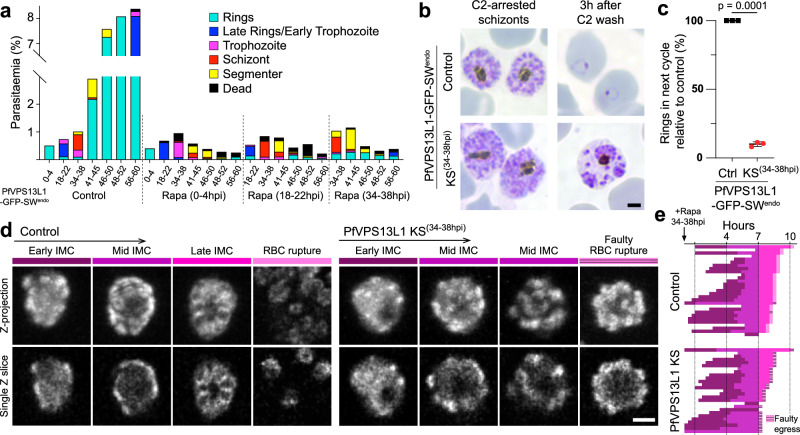 Figure 7
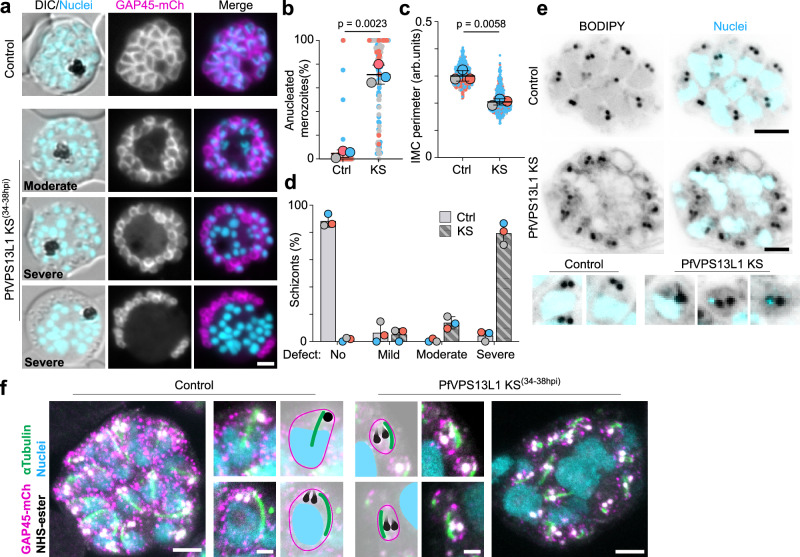 Figure 8
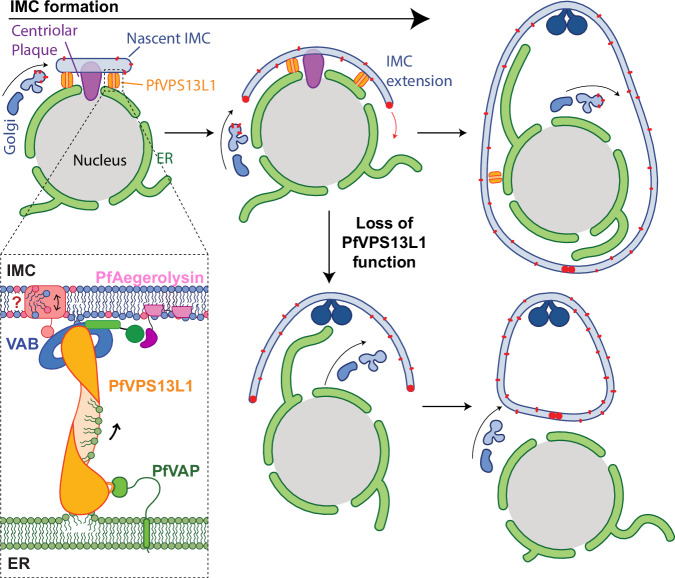 Figure 9
Peer Reviews
No public reviews on file for this paper yet. If you reviewed it on a platform where reviews are public (OpenReview, ICLR, NeurIPS, ICML), you can paste yours below so the community can read it here.
Videos
No videos yet. Explain this paper in a talk, walkthrough, or lecture? Add one.
Taxonomy
TopicsMalaria Research and Control · Neurobiology and Insect Physiology Research · Trypanosoma species research and implications