A novel laparoscopic renal denervation system in a preclinical swine model
Linwei Zhao, Wei Yang, Binbin Zhu, Yahui Liu, Peng Tian, Xinyu Guo, Yang Dong, Zhiqiang Fan, Huiping Li, Yu Feng, Lijie Zhu, Minfu Bai, Qiuping Zhao, Xingkun Zhang, Chenchen Si, Qianqian Cheng, Ganxin Yan, Chuanyu Gao

TL;DR
A new laparoscopic system for kidney nerve ablation was tested in pigs, showing it is safe and effective for treating high blood pressure.
Contribution
A novel laparoscopic renal denervation system with integrated RF components was developed and validated in a preclinical model.
Findings
An optimal setting of 10 W for 10 s achieved effective nerve injury with minimal vascular damage.
The system significantly reduced systolic blood pressure and serum norepinephrine levels after 28 days.
The system is feasible and safe, offering a potential alternative for patients unresponsive to traditional methods.
Abstract
Laparoscopic renal denervation (RDN) represents a specialized approach for hypertension, particularly when conventional methods face limitations. While catheter-based RDN has demonstrated significant efficacy in recent large-scale clinical trials and has been integrated into international guidelines, its effectiveness can be constrained by complex renal anatomy or incomplete ablation. We developed a novel laparoscopic RDN system, comprising an integrated radiofrequency (RF) clamp, RF generator, and cooling pump, to achieve more controlled adventitial ablation. This study aims to evaluate the safety, feasibility, and optimal parameters of this new system in a preclinical swine model. Sixteen pigs were divided into an immediate group (n = 10) for power optimization and a 28-day follow-up group (n = 6). An optimal setting of 10 W for 10 s was identified, balancing effective nerve injury…
Genes, proteins, chemicals, diseases, species, mutations and cell lines named across the full text — each resolved to its canonical identifier and authoritative record.
Click any figure to enlarge with its caption.
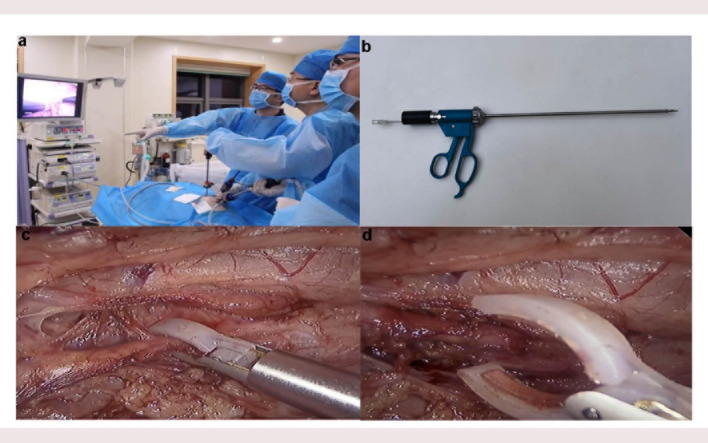 Figure 1
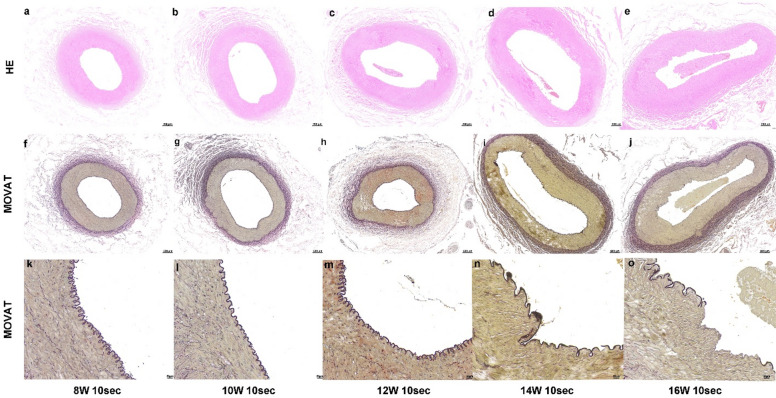 Figure 2
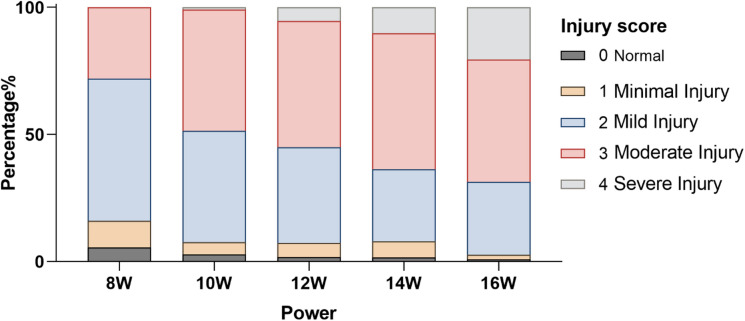 Figure 3
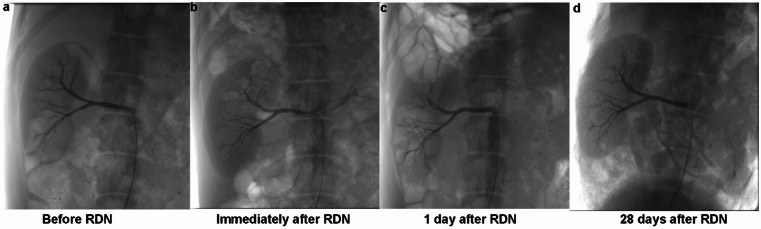 Figure 4
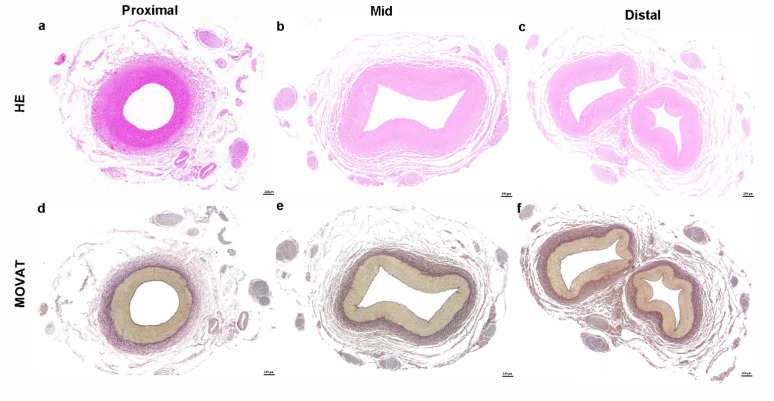 Figure 5
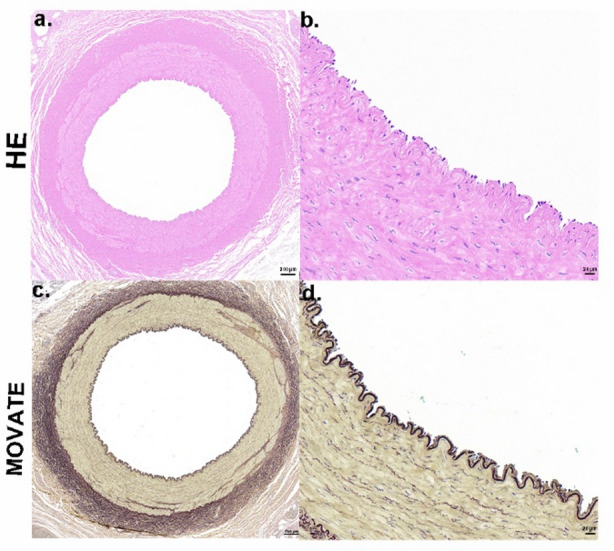 Figure 6
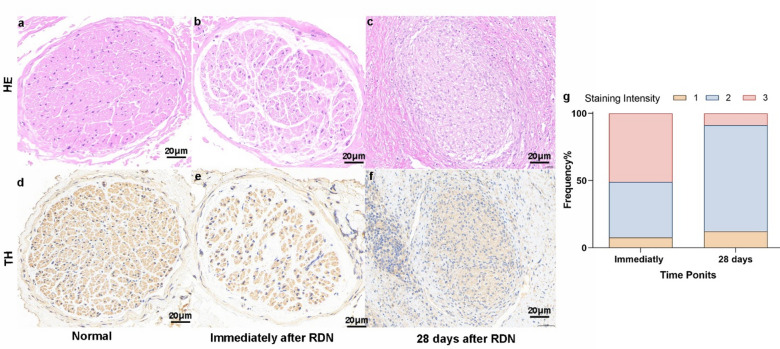 Figure 7
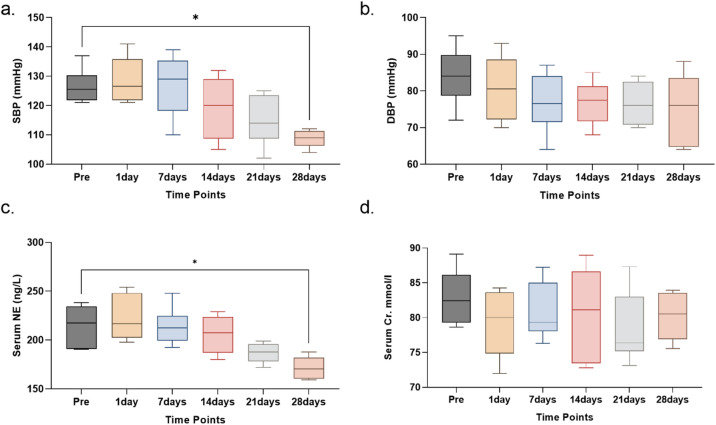 Figure 8
Peer Reviews
No public reviews on file for this paper yet. If you reviewed it on a platform where reviews are public (OpenReview, ICLR, NeurIPS, ICML), you can paste yours below so the community can read it here.
Videos
No videos yet. Explain this paper in a talk, walkthrough, or lecture? Add one.
Taxonomy
TopicsKidney Stones and Urolithiasis Treatments · Abdominal Surgery and Complications · Dialysis and Renal Disease Management