Emerging zoonotic ocular sporotrichosis in southeast Asia: a case series from Thailand and systematic review of regional reports
Usanee Reinprayoon, Trakanta Wannapanich, Buravej Assavapongpaiboon, Ngamjit Kasetsuwan, Thanachaporn Kittipibul, Suppapong Tirakunwichcha, Ariya Chindamporn, Nattapong Langsiri

TL;DR
This paper reports on five cases of eye infections caused by a fungus in Thailand and reviews similar cases in Southeast Asia, showing that the infection is linked to cat exposure and can be treated with antifungal drugs.
Contribution
The study highlights ocular sporotrichosis as an emerging zoonotic disease in Southeast Asia and provides clinical insights based on a case series and systematic review.
Findings
Ocular sporotrichosis is often associated with cat exposure and presents as chronic granulomatous conjunctivitis.
Oral itraconazole is the primary treatment, with favorable outcomes in most cases.
Microbiological confirmation is common, and the infection predominantly affects young adults, especially females.
Abstract
To describe the clinical features, diagnostic approaches, and treatment outcomes of ocular sporotrichosis through an institutional case series and systematic review of reports from Southeast Asia. Five patients diagnosed with ocular sporotrichosis at a tertiary referral center in Thailand (2020–2024) were retrospectively reviewed for clinical presentation, diagnostic confirmation, and treatment outcomes. A systematic review of PubMed, Embase, Scopus, and MEDLINE (last searched March 20, 2025) identified published cases from Southeast Asia. Eligible reports were narratively synthesized; no meta-analysis was performed due to clinical heterogeneity. All five institutional cases presented with chronic granulomatous conjunctivitis, frequently associated with cat exposure. Diagnosis was confirmed by fungal culture and/or histopathology in all patients. Oral itraconazole was prescribed in…
Genes, proteins, chemicals, diseases, species, mutations and cell lines named across the full text — each resolved to its canonical identifier and authoritative record.
Click any figure to enlarge with its caption.
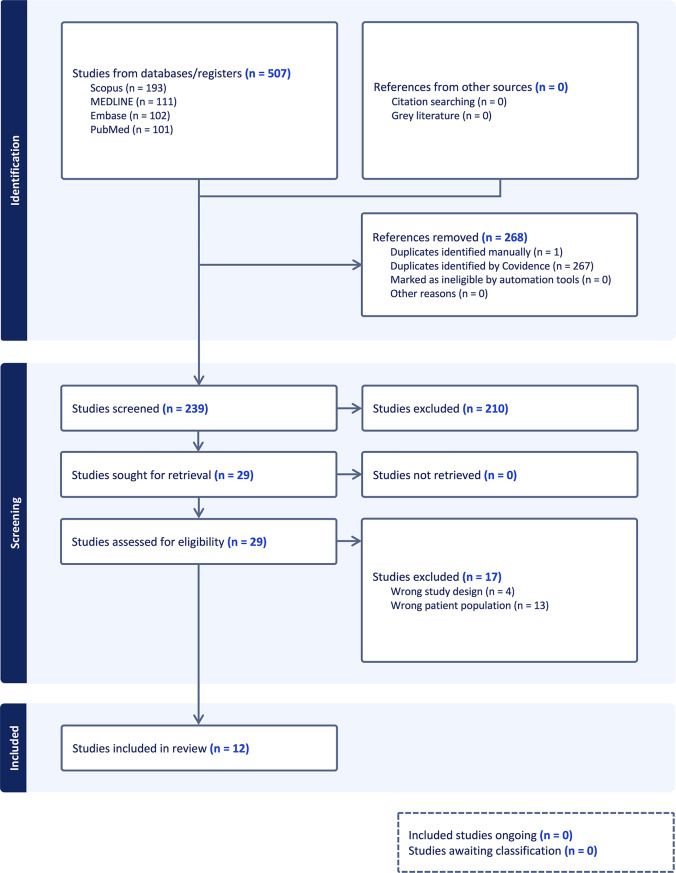 Figure 1
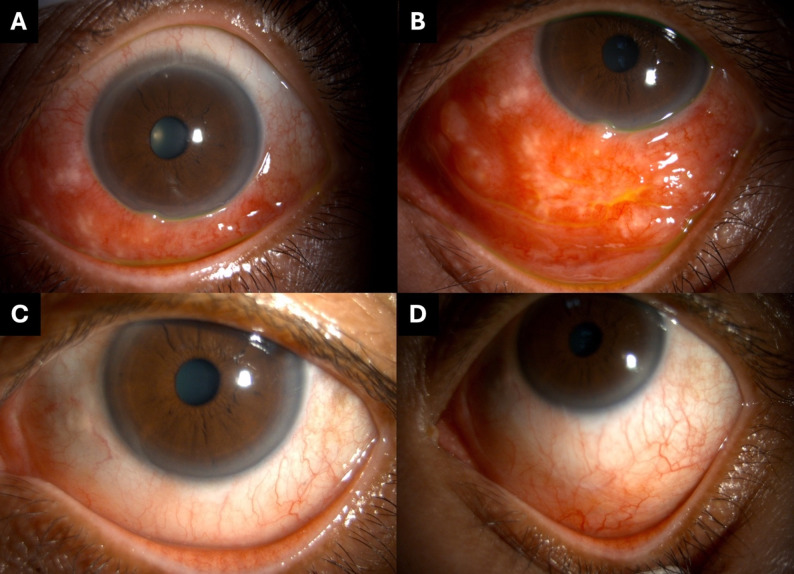 Figure 2
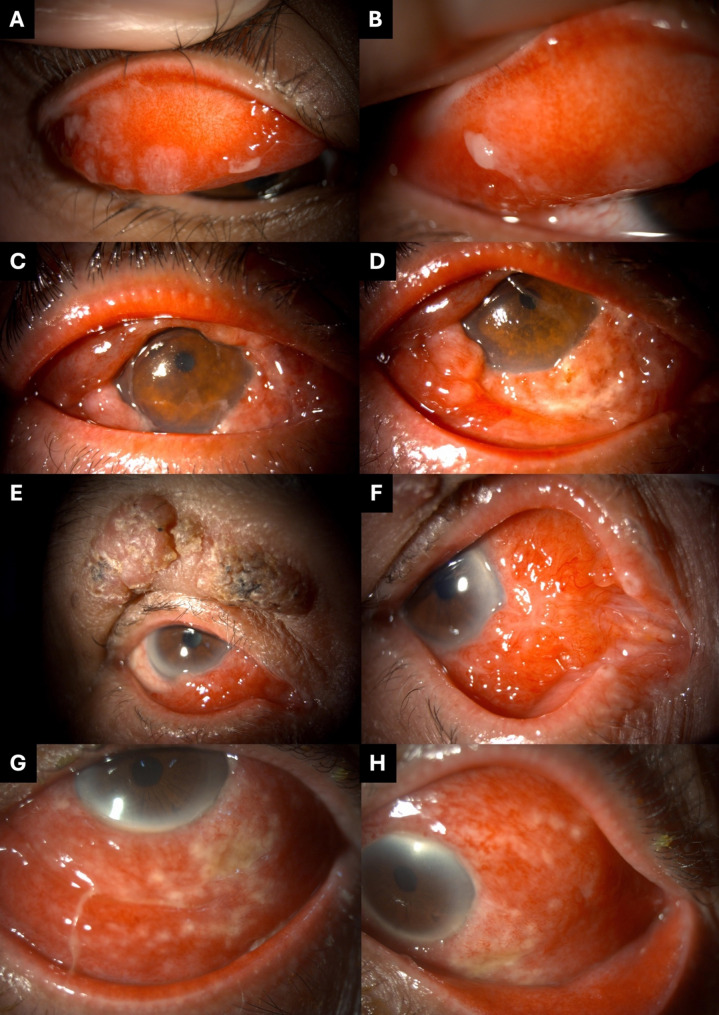 Figure 3
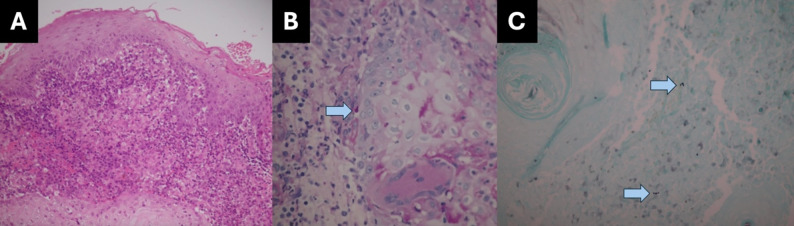 Figure 4
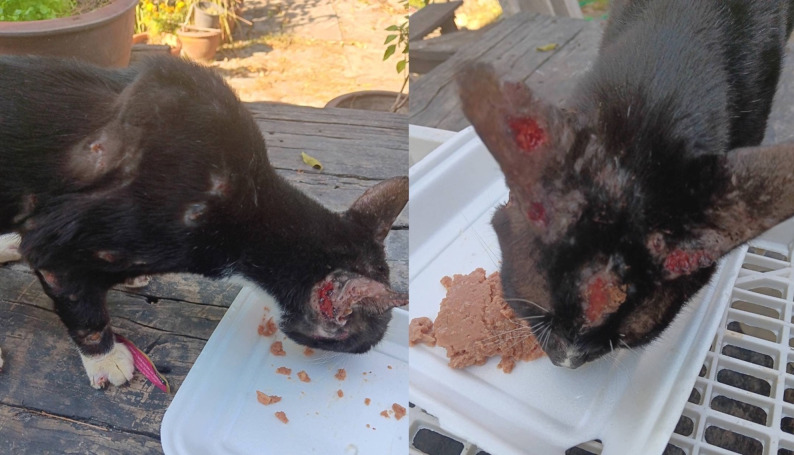 Figure 5
Peer Reviews
No public reviews on file for this paper yet. If you reviewed it on a platform where reviews are public (OpenReview, ICLR, NeurIPS, ICML), you can paste yours below so the community can read it here.
Videos
No videos yet. Explain this paper in a talk, walkthrough, or lecture? Add one.
Taxonomy
TopicsFungal Infections and Studies · Bartonella species infections research · Infectious Diseases and Mycology