Patch type nucleotide sequence identities between genomes from many different species facilitate illegitimate recombination
Stefanie Weber, Christina M. Ramirez, Walter Doerfler

TL;DR
This paper explores how patch-type nucleotide sequence identities across species may facilitate genome remodeling and evolution through illegitimate recombination.
Contribution
The study proposes that patch-type sequence identities are statistical features of DNA that enable illegitimate recombination and evolutionary innovation.
Findings
Patch-type identities of ~45% are found in diverse genomes and shuffled sequences, suggesting statistical rather than functional origin.
These patterns may act as signals for illegitimate recombination, aiding DNA integration and rearrangement.
Simulation data support that base composition can predict these identity patterns and their potential for recombination.
Abstract
Comparative analyses of nucleotide sequences across diverse taxa, including viruses, bacteria, plants, and mammals, consistently reveal patch-type sequence identities of around 45%. These identities consist of short stretches interspersed by mismatches. Similarly, identity patterns emerge in alignments of randomized shuffled or scrambled sequences. These findings suggest patch-type identities reflect intrinsic statistical properties of the four-letter genetic alphabet. Such patterns likely function as recognition signals for illegitimate recombination, a mechanism that promotes sequence insertions, exchanges, and rearrangements without extensive homology. Patch-type identities have been observed at integration sites of foreign DNA and may play a role in evolutionary innovation and rapid diversification (e. g. SARS-CoV-2). Simulation data support the ideas that the frequency and length…
Genes, proteins, chemicals, diseases, species, mutations and cell lines named across the full text — each resolved to its canonical identifier and authoritative record.
Click any figure to enlarge with its caption.
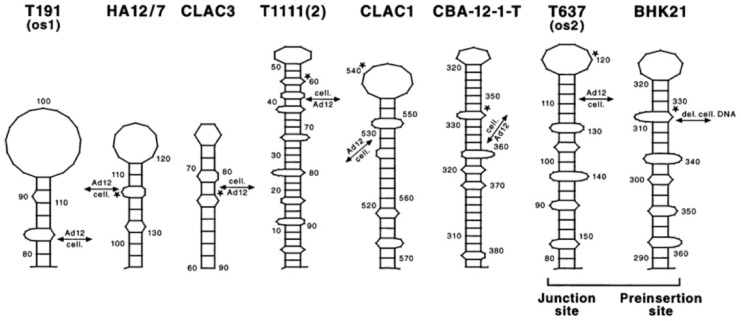 Figure 10
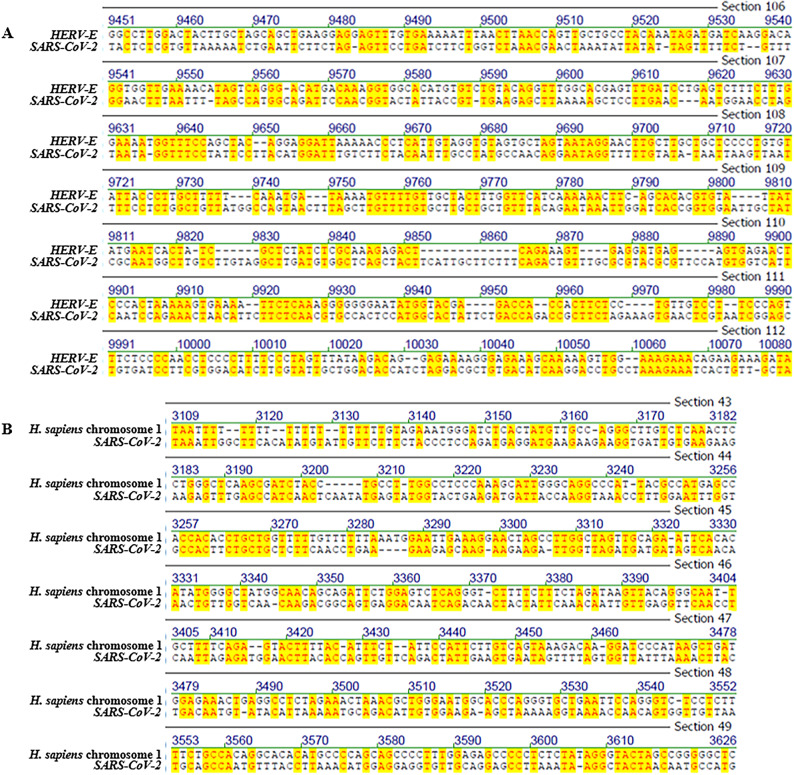 Figure 1
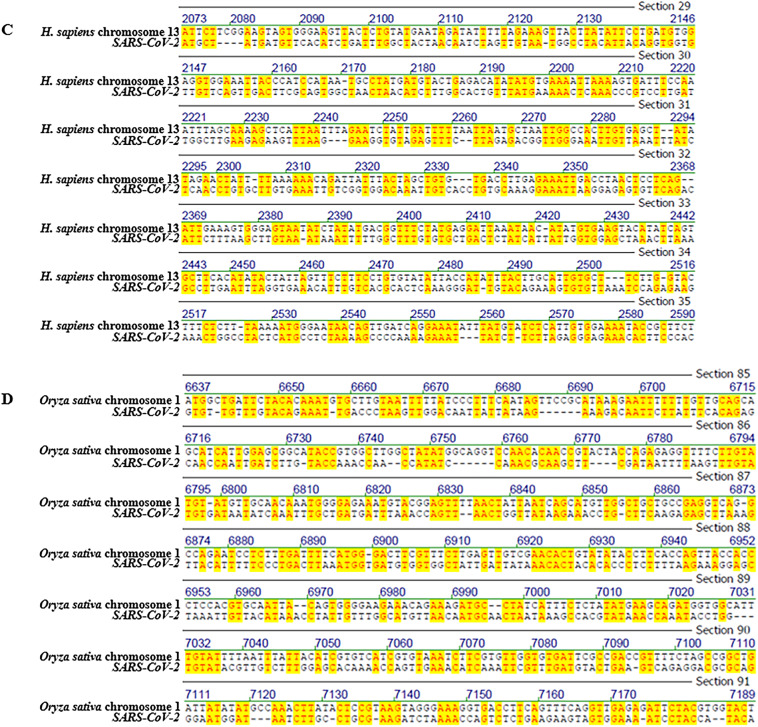 Figure 1
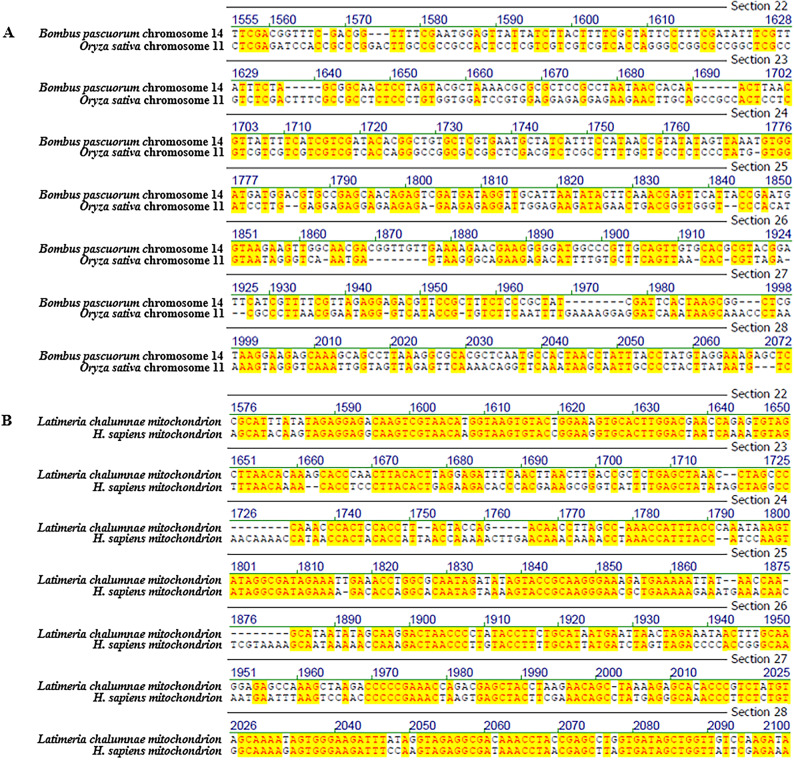 Figure 2
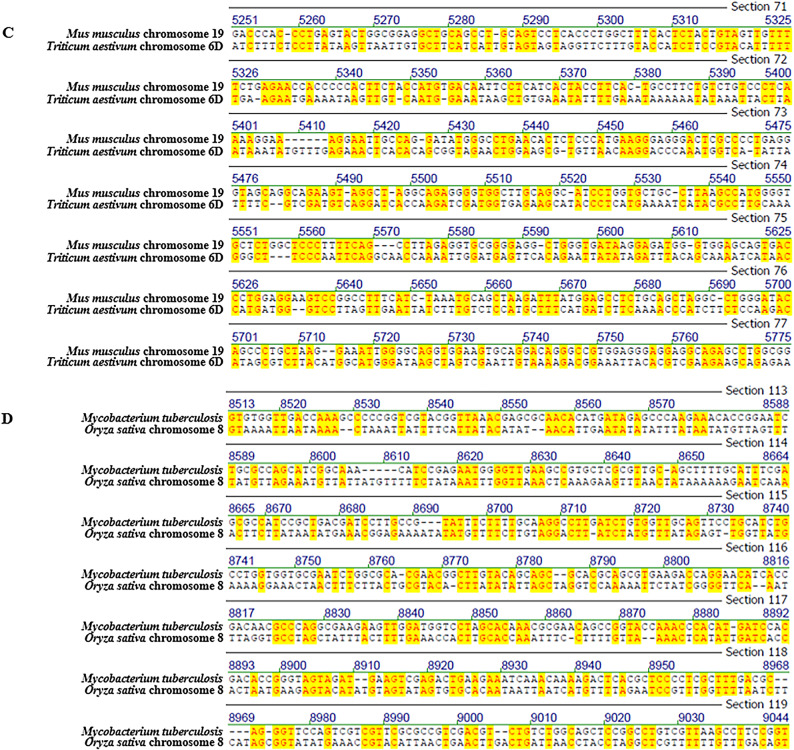 Figure 2
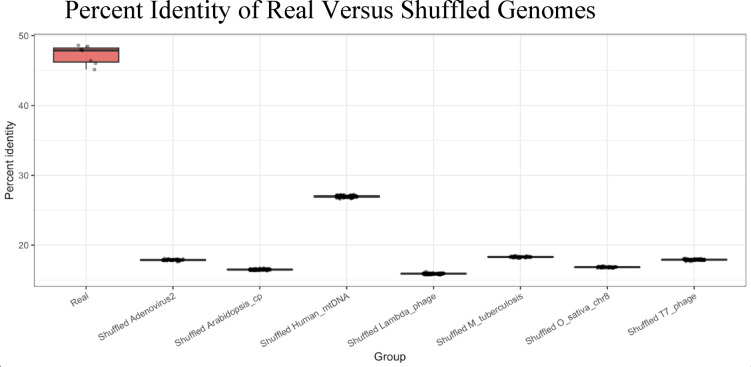 Figure 3
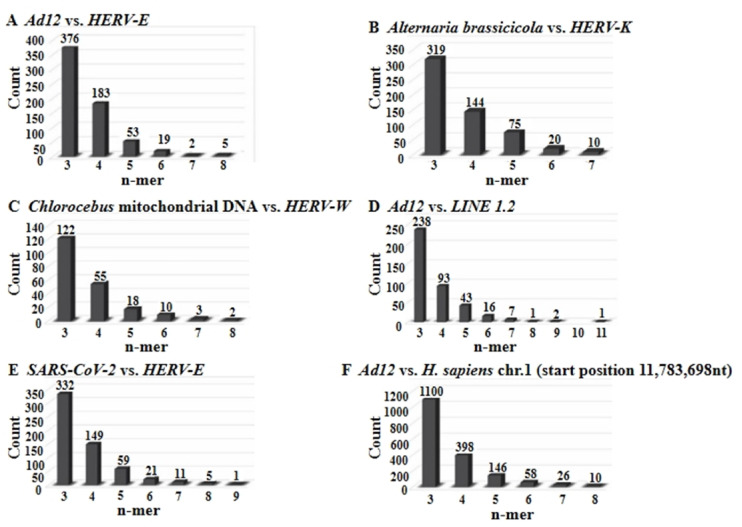 Figure 4
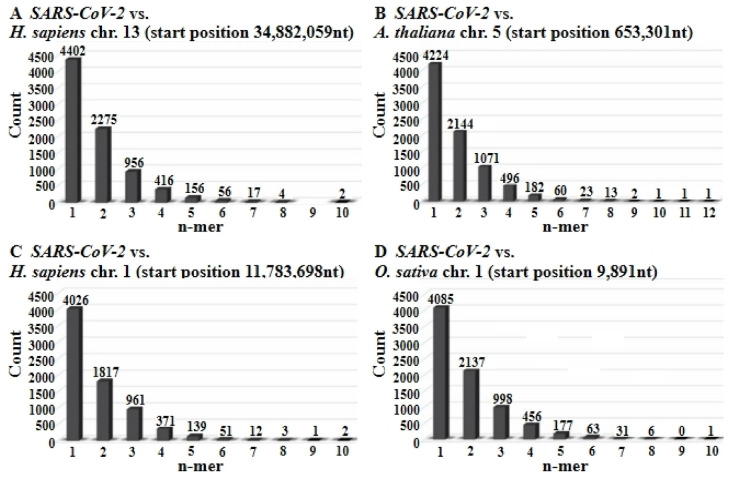 Figure 5
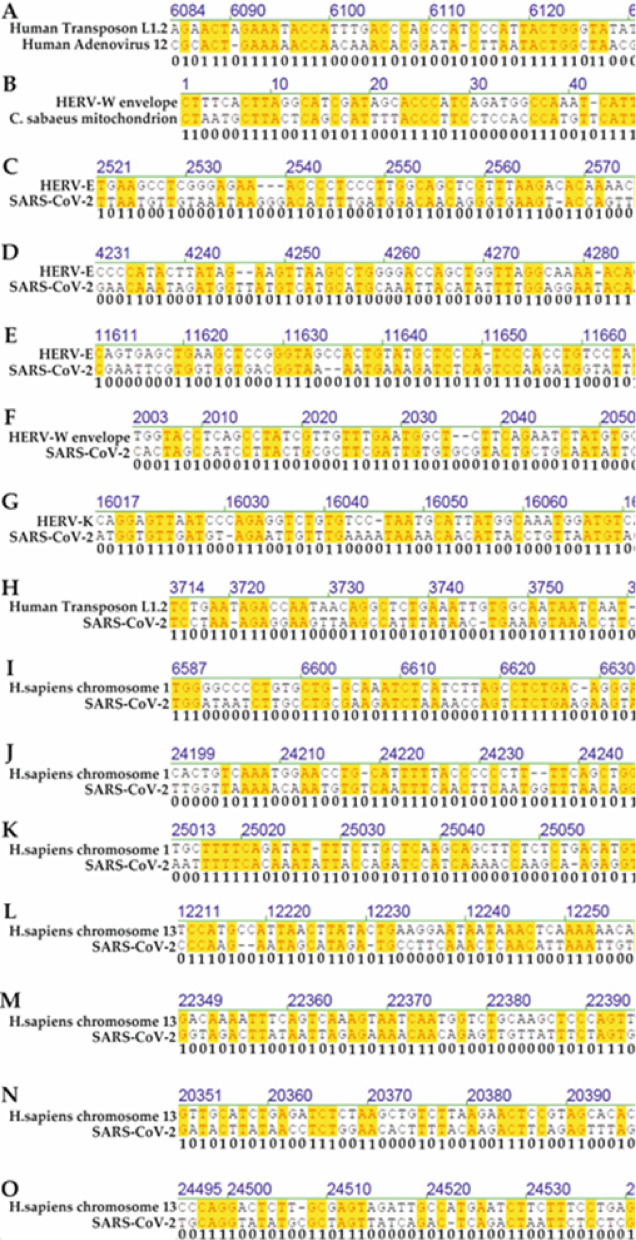 Figure 6
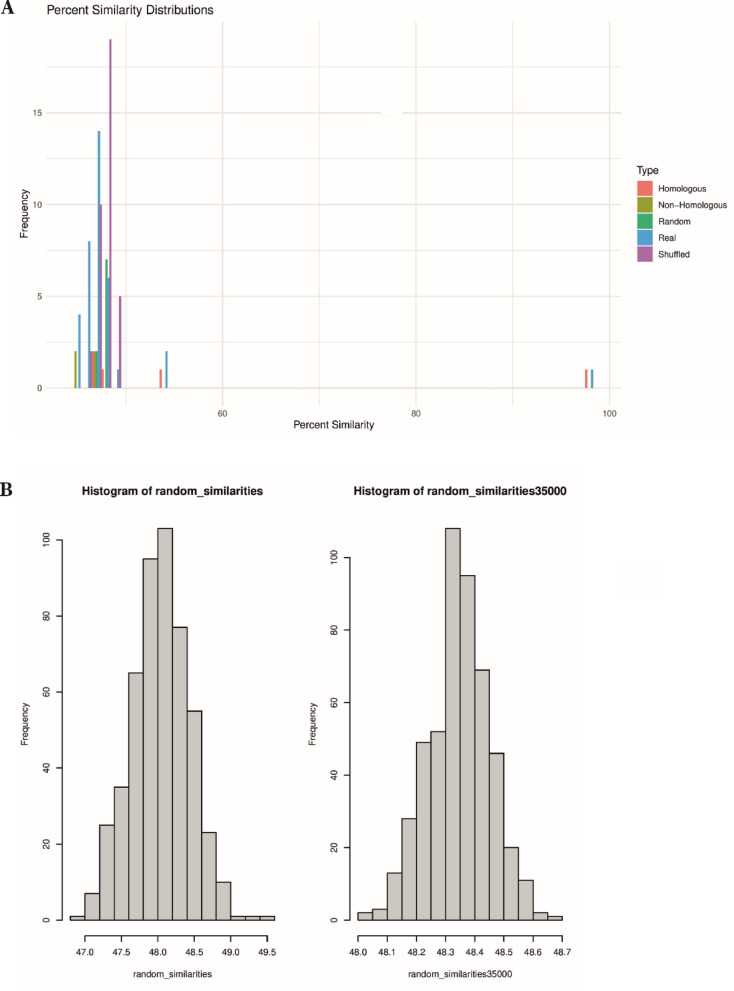 Figure 7
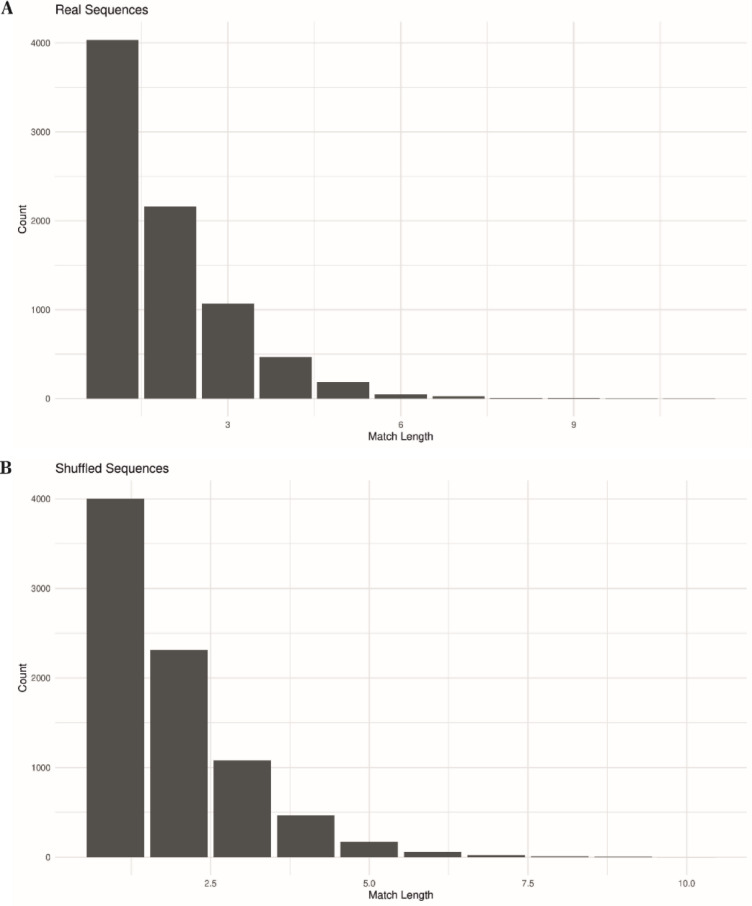 Figure 8
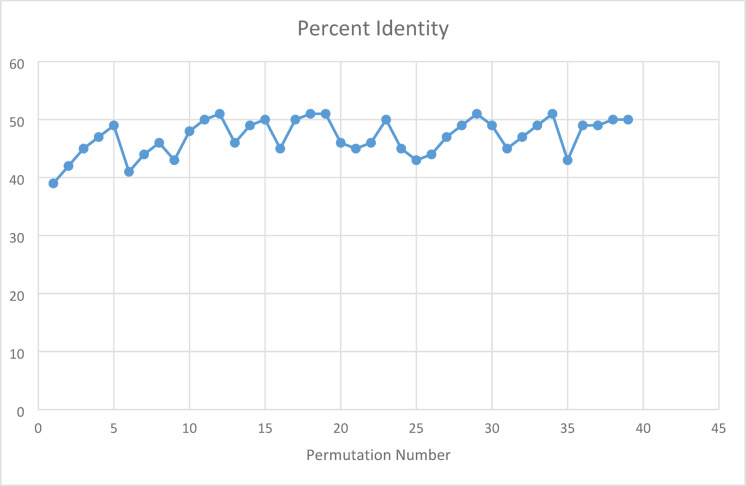 Figure 9
Peer Reviews
No public reviews on file for this paper yet. If you reviewed it on a platform where reviews are public (OpenReview, ICLR, NeurIPS, ICML), you can paste yours below so the community can read it here.
Videos
No videos yet. Explain this paper in a talk, walkthrough, or lecture? Add one.
Taxonomy
TopicsFractal and DNA sequence analysis · Chromosomal and Genetic Variations · RNA and protein synthesis mechanisms