Tumor-infiltrating immature innate lymphoid cells in colorectal cancer are biased toward ILC1/tissue-resident NK cell differentiation
Anne Marchalot, Malin Ljunggren, Christopher Stamper, Whitney Weigel, Christopher Andrew Tibbitt, Isabel Meininger, Ram Vinay Pandey, Miriam Franklin, John Washington Bassett, Lorenz Wirth, Ali Kiasat, Ali Kiasat, Anders Hansson Elliot, Carl Kördel, Emma Rosander, Henrik Iversen

TL;DR
This study explores immune cell changes in colorectal cancer and peritoneal metastases, finding increased ILC1 and tissue-resident NK cells.
Contribution
The study identifies immature innate lymphoid cells biased toward ILC1 and tissue-resident NK cell differentiation in CRC and PM.
Findings
CRC and CRC-PM tumors are depleted of ILC3 but enriched for ILC1, trNK, and cNK cells.
Two immature ILC populations in tumors show a transcriptional bias toward ILC1 and trNK cells.
nILCs differentiate into ILC1/trNK-like cells when co-cultured with OP9-DL1 cells.
Abstract
Peritoneal metastases (PM) occur in 10% of patients with colorectal cancer (CRC) and are linked to poor outcomes. Although dysregulated innate lymphoid cells (ILC) have been described in CRC, their function in CRC-PM remains unclear. Here, we analyze tumor samples from CRC and CRC-PM patients using single-cell RNA sequencing (11 patients), flow cytometry (8 patients) and differentiation assays (24 patients). Healthy colon, primary CRC and CRC-PM tumors are infiltrated by heterogeneous populations of ILC3, ILC2, ILC1, tissue resident (tr)NK cells and conventional (c)NK cells. Compared to healthy colons, primary CRC and CRC-PM tumors are depleted of ILC3 but enriched for ILC1, trNK cells and cNK cells. CRC and CRC-PM tumors harbor two immature ILC populations, early NK and naïve (n)ILC, with nILCs being transcriptionally skewed toward ILC1 and trNK cells. Indeed, co-culture of isolated…
Genes, proteins, chemicals, diseases, species, mutations and cell lines named across the full text — each resolved to its canonical identifier and authoritative record.
Click any figure to enlarge with its caption.
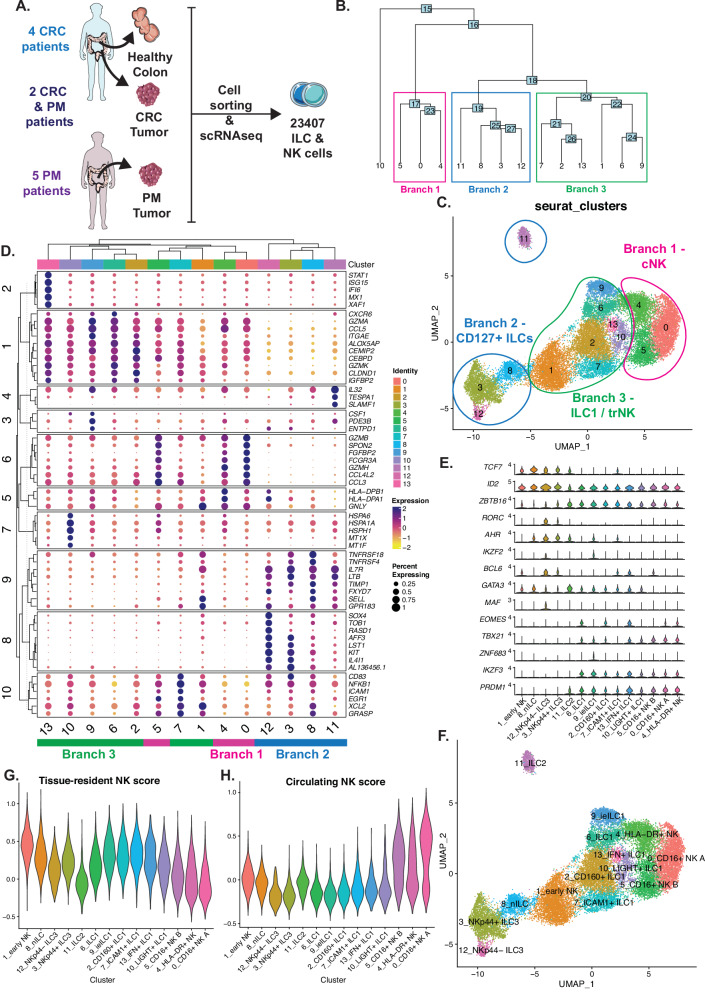 Figure 1
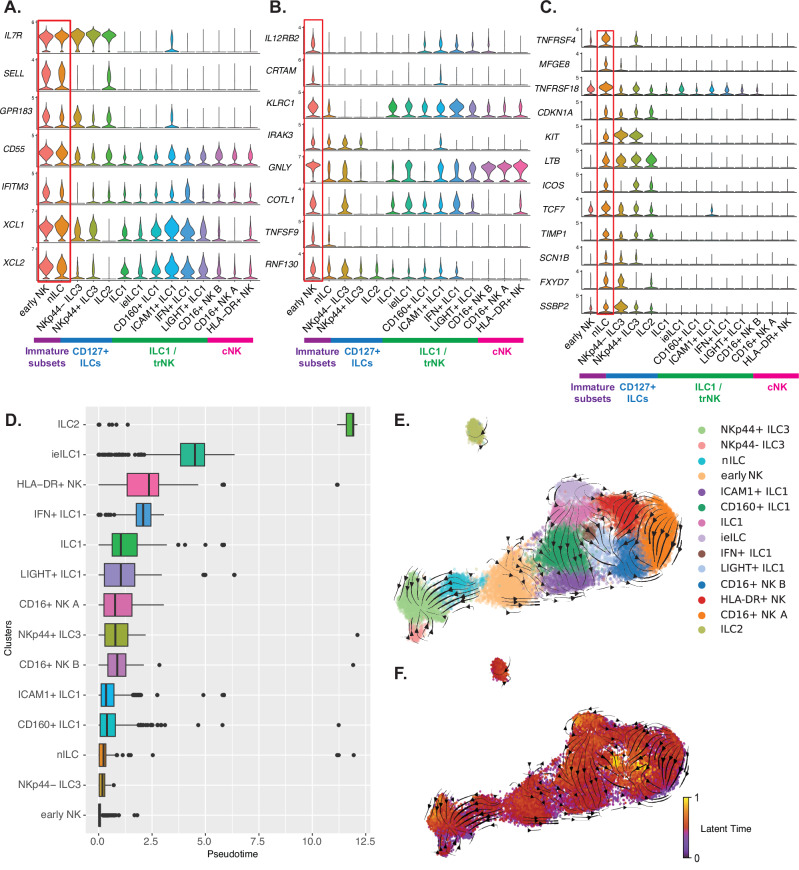 Figure 2
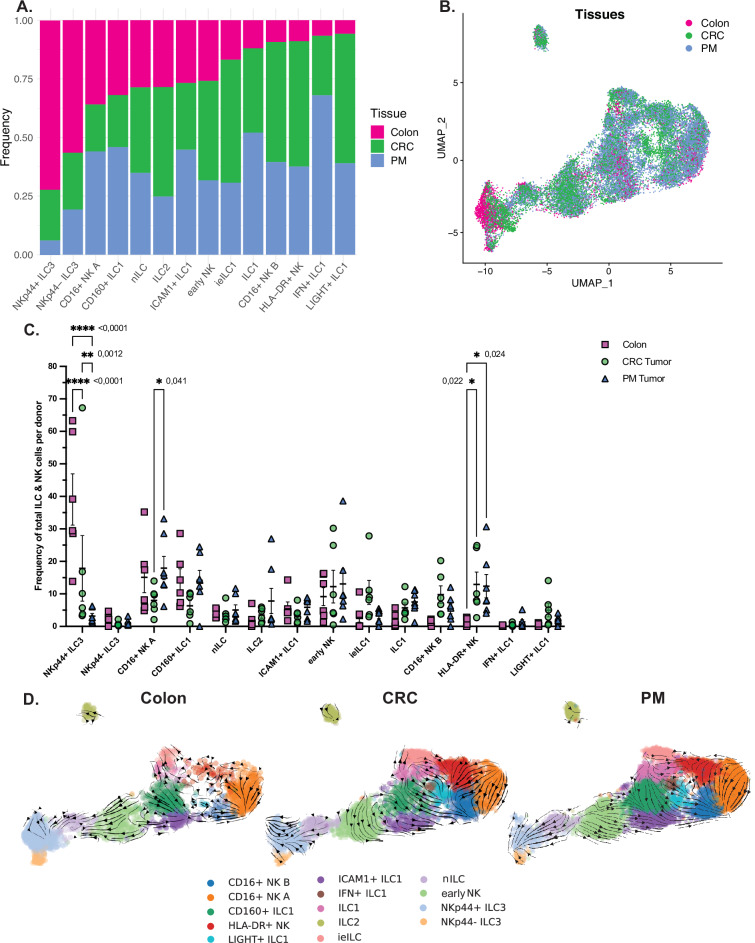 Figure 3
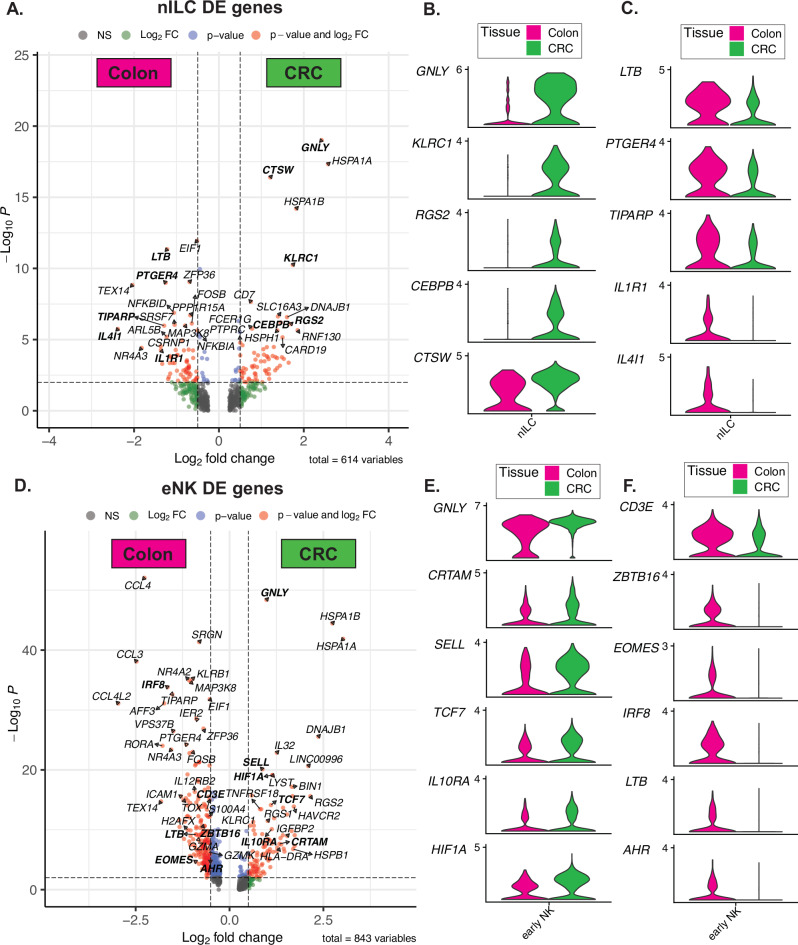 Figure 4
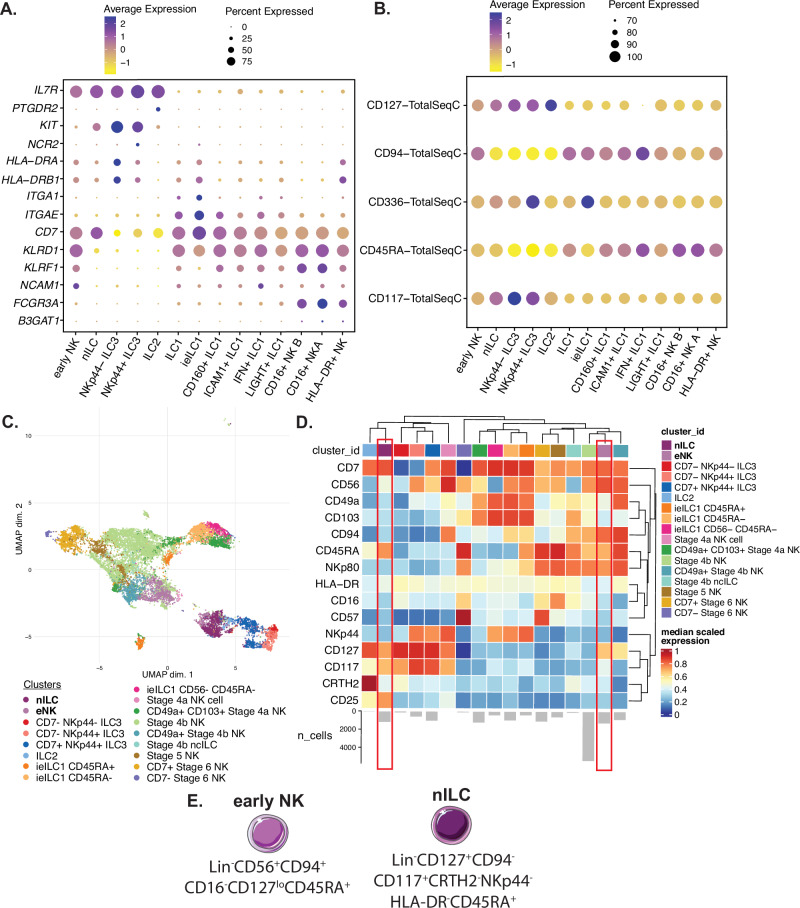 Figure 5
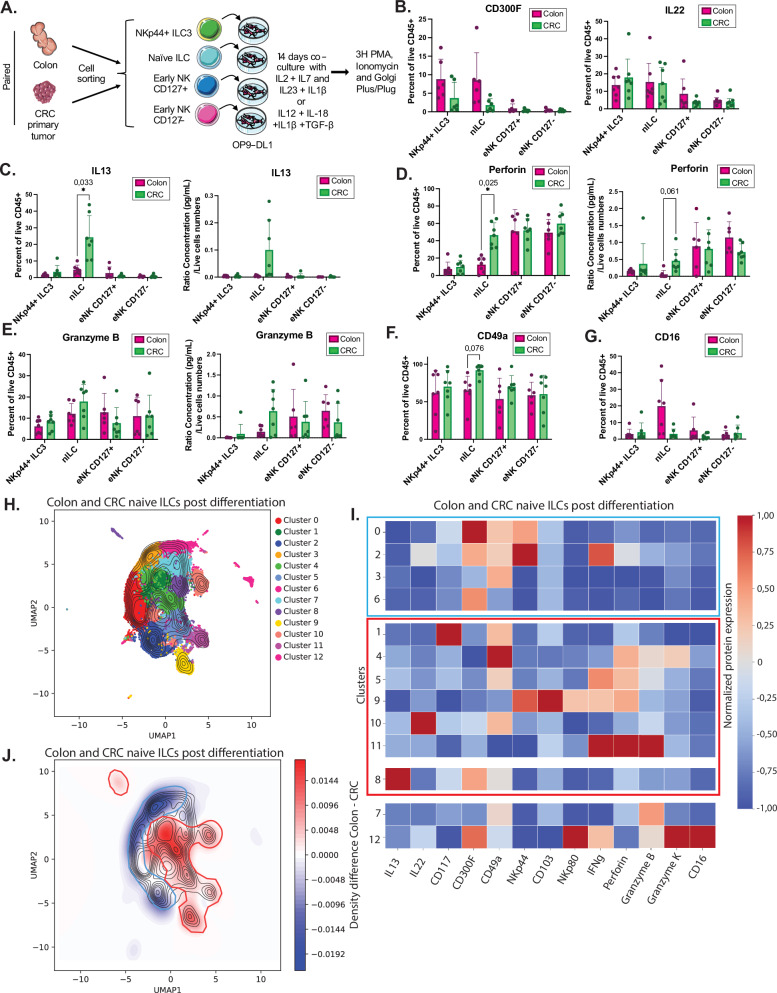 Figure 6
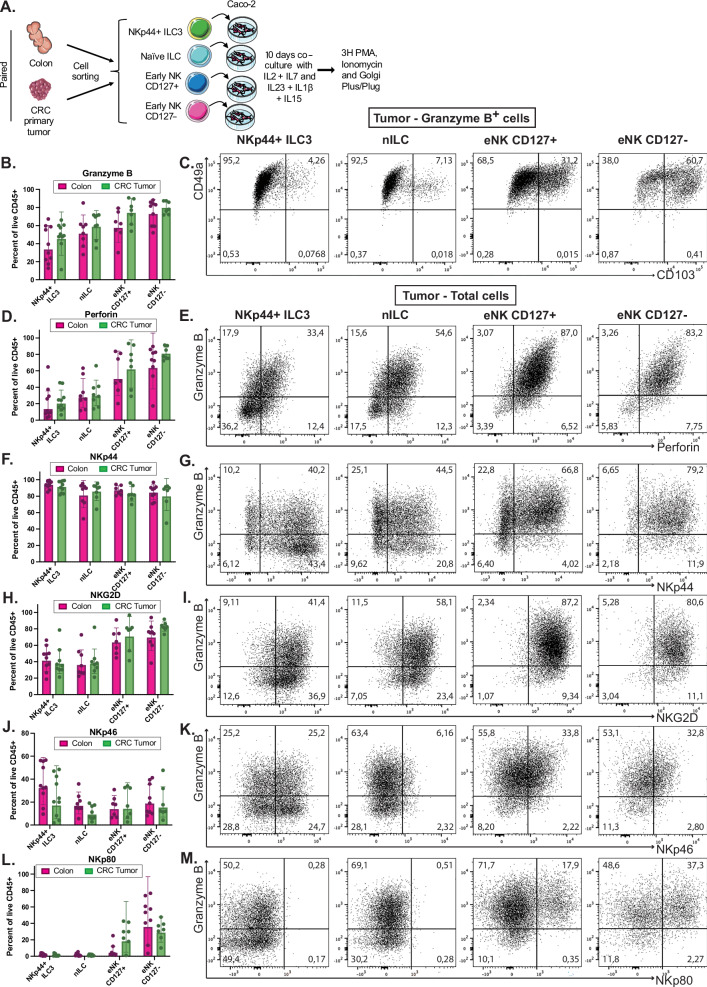 Figure 7
Peer Reviews
No public reviews on file for this paper yet. If you reviewed it on a platform where reviews are public (OpenReview, ICLR, NeurIPS, ICML), you can paste yours below so the community can read it here.
Videos
No videos yet. Explain this paper in a talk, walkthrough, or lecture? Add one.
Taxonomy
TopicsIL-33, ST2, and ILC Pathways · Eosinophilic Esophagitis · Lymphadenopathy Diagnosis and Analysis