Recurrent introgression and geographical stratification shape Saccharomyces cerevisiae in the Neotropics
J. Abraham Avelar-Rivas, Iván Sedeño, Luis F. García-Ortega, Jose A. Urban Aragon, Claudio López-Gallegos, Xitlali Aguirre-Dugua, Eugenio Mancera, Alexander DeLuna, Lucia Morales

TL;DR
Neotropical S. cerevisiae yeast strains show frequent hybridization with a related species, revealing how geography and genetic exchange shape their evolution.
Contribution
The study identifies multiple hybridization events and geographical stratification as key drivers of genetic diversity in Neotropical S. cerevisiae.
Findings
Neotropical S. cerevisiae strains show high levels of introgression from S. paradoxus.
Multiple hybridization events suggest flexible species barriers in the region.
Geographic distribution correlates with genetic diversity and population structure.
Abstract
From yeasts to humans, introgressive hybridization significantly influences the evolutionary history of living organisms by introducing new genetic diversity. Strains of Saccharomyces cerevisiae worldwide exhibit introgressions from the sister species S. paradoxus, despite the average sequence identity between these species being lower than 90%. While S. cerevisiae isolates from the Neotropics are known for their high levels of introgression, the hybridization events originating them remain unclear. Here, we sequence 216 S. cerevisiae isolates from open, spontaneous agave fermentation across Mexico. The genomes of these strains reveal considerable genetic diversity and population structure linked to geographic distribution, which had been overlooked due to undersampling of this megadiverse region. These strains, along with those from French Guiana, Ecuador, and Brazil, form a broader…
Genes, proteins, chemicals, diseases, species, mutations and cell lines named across the full text — each resolved to its canonical identifier and authoritative record.
Click any figure to enlarge with its caption.
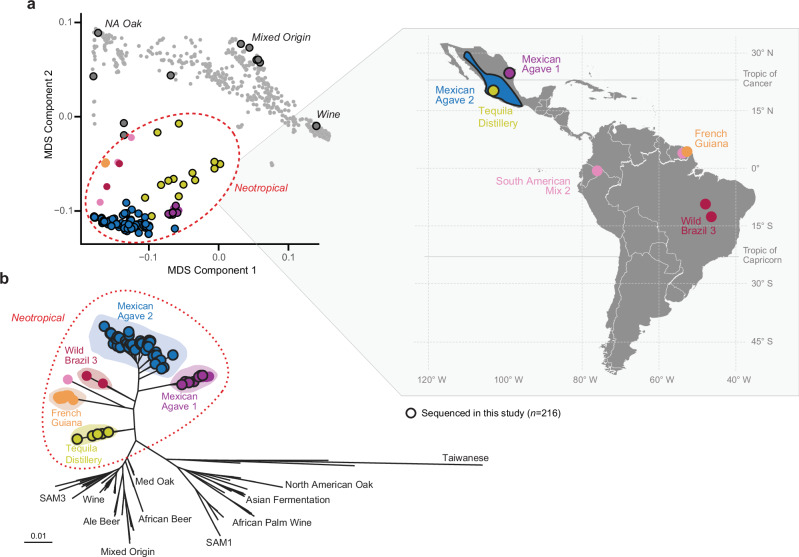 Figure 1
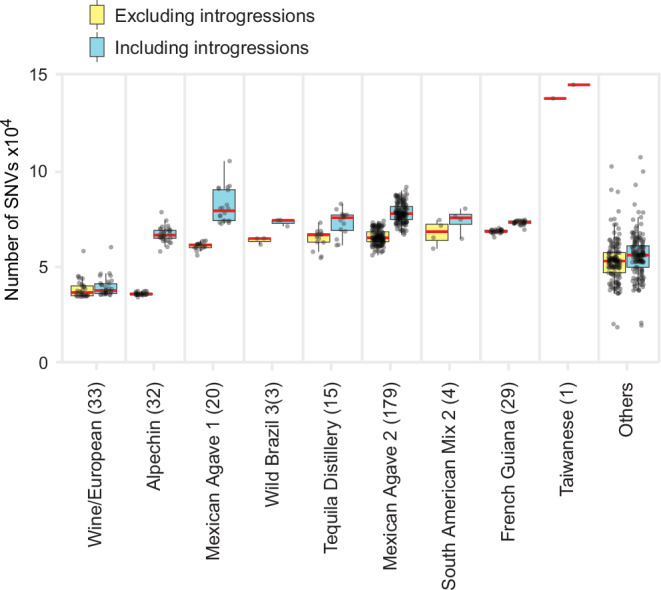 Figure 2
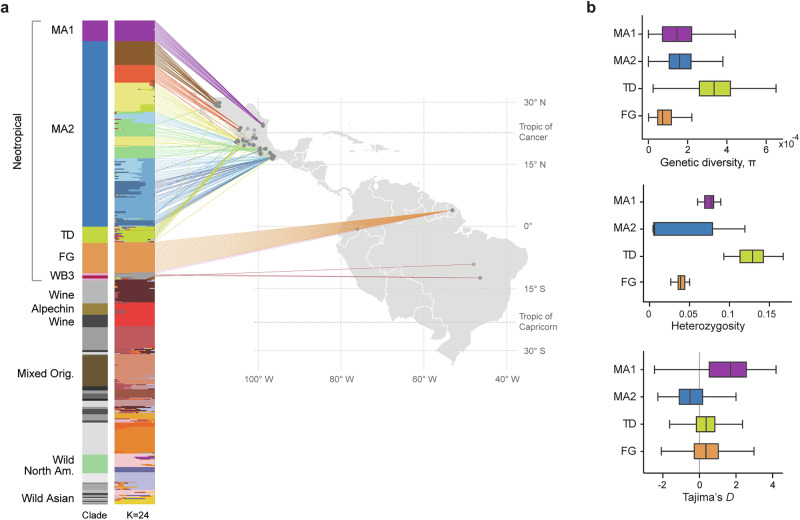 Figure 3
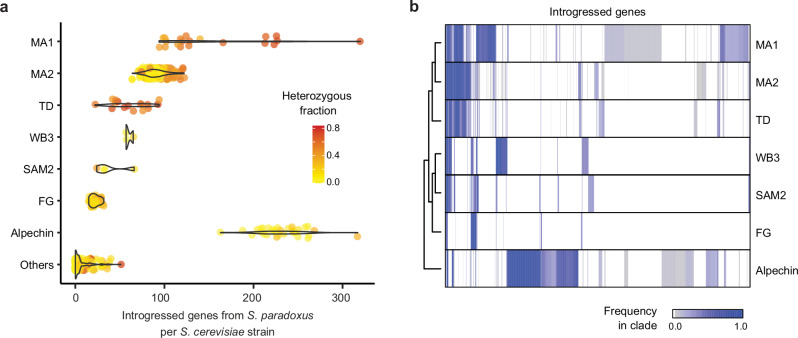 Figure 4
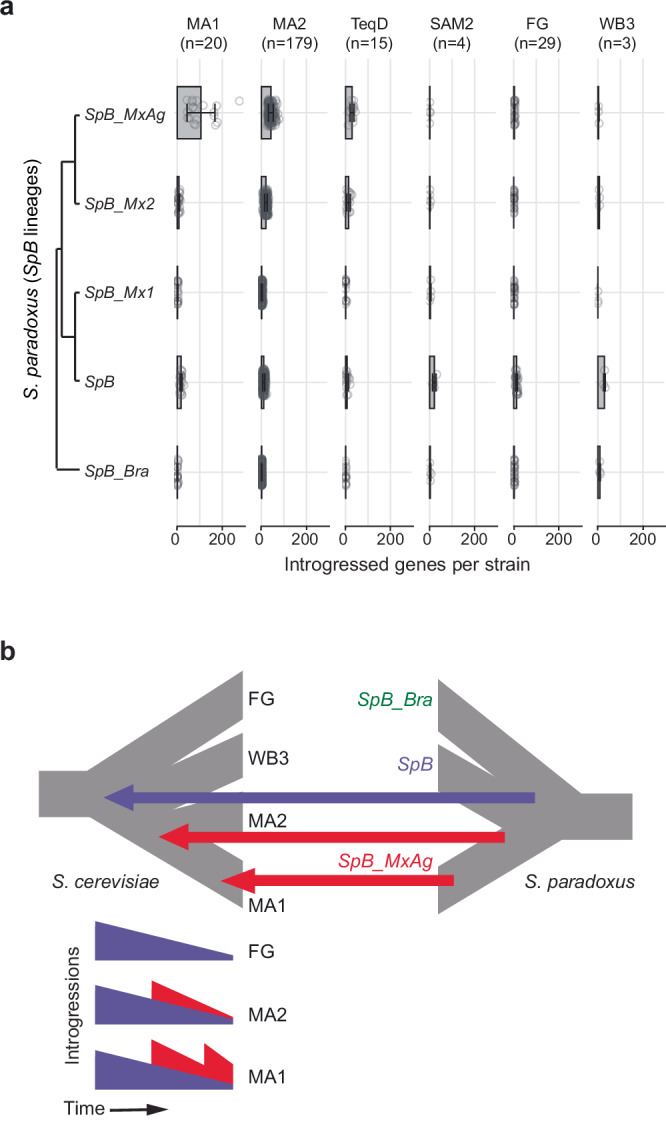 Figure 5
Peer Reviews
No public reviews on file for this paper yet. If you reviewed it on a platform where reviews are public (OpenReview, ICLR, NeurIPS, ICML), you can paste yours below so the community can read it here.
Videos
No videos yet. Explain this paper in a talk, walkthrough, or lecture? Add one.
Taxonomy
TopicsFungal and yeast genetics research · Fermentation and Sensory Analysis · Yeasts and Rust Fungi Studies