Incarcerated Ventral Hernia Requiring Emergent Repair in an Adult With Down Syndrome: Diagnostic and Postoperative Challenges in an Underrepresented Population
Zuhayr Khan, Mahsum Jafri, Constantino G Lambroussis

TL;DR
This case report discusses the challenges of diagnosing and managing an incarcerated ventral hernia in an adult with Down syndrome, emphasizing the need for personalized care.
Contribution
The paper presents a unique case highlighting diagnostic and postoperative challenges in adults with Down syndrome, an underrepresented population in surgical studies.
Findings
The patient experienced multiple postoperative complications, including obstipation and pulmonary emboli.
Limited clinical history necessitated reliance on physical examination and imaging for diagnosis and management.
Personalized monitoring and multidisciplinary approaches are crucial for complex cases in adults with Down syndrome.
Abstract
The manifestation of ventral hernias is quite common, with an increased risk of progressing to incarceration/strangulation, which imposes the need for emergent surgery. Patients with Down syndrome (DS) present unique anatomical, physiological, and neurodevelopmental characteristics that may complicate diagnosis and postoperative management. In general, DS has been well studied for perioperative risk primarily with pediatric and cardiac populations, yet emergency general surgical outcomes in adults remain poorly studied. In our case report, a 59-year-old woman with DS and Alzheimer’s disease underwent emergent robotic ventral hernia repair for an incarcerated ventral hernia. Her postoperative course was complicated by several features, including obstipation, urinary retention with bilateral hydronephrosis, and the development of bilateral segmental and subsegmental pulmonary emboli on…
Genes, proteins, chemicals, diseases, species, mutations and cell lines named across the full text — each resolved to its canonical identifier and authoritative record.
Click any figure to enlarge with its caption.
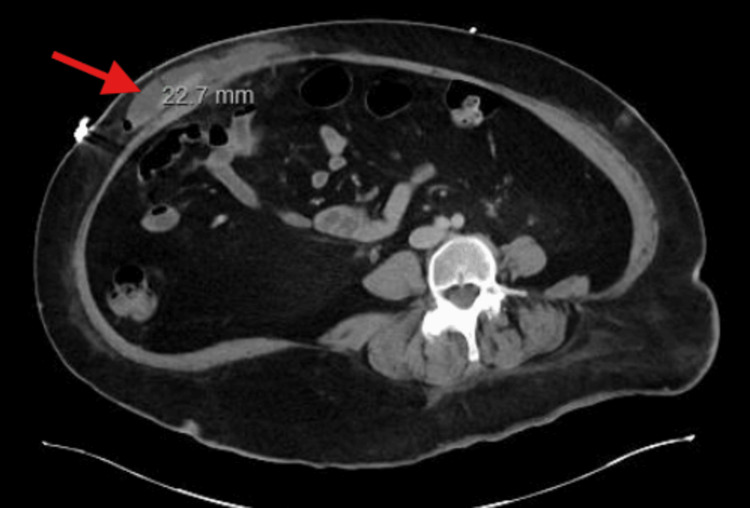 Figure 1
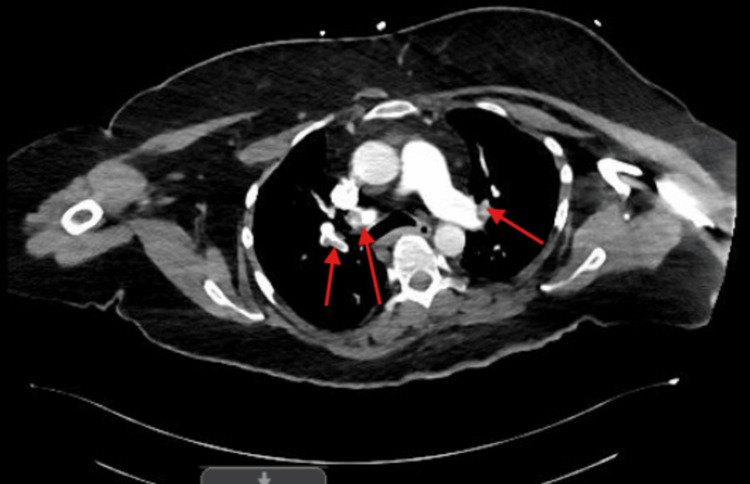 Figure 2
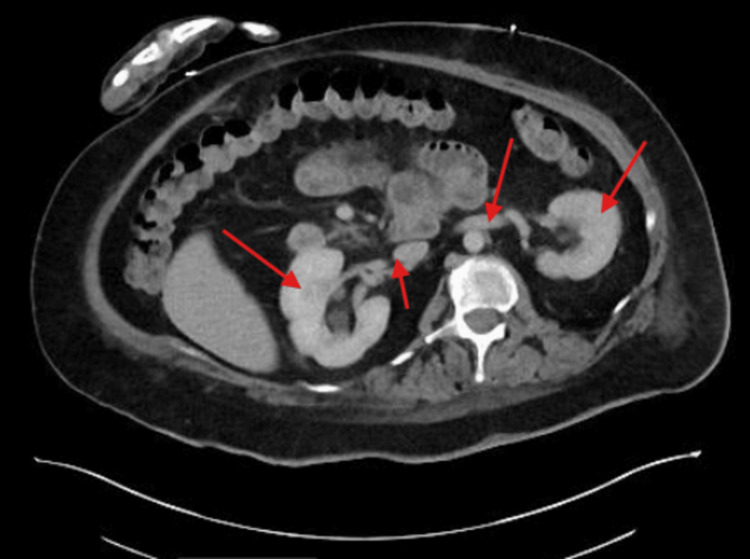 Figure 3
Peer Reviews
No public reviews on file for this paper yet. If you reviewed it on a platform where reviews are public (OpenReview, ICLR, NeurIPS, ICML), you can paste yours below so the community can read it here.
Videos
No videos yet. Explain this paper in a talk, walkthrough, or lecture? Add one.
Taxonomy
TopicsHernia repair and management · Congenital Diaphragmatic Hernia Studies · Bariatric Surgery and Outcomes