Reducing methylation of histone 3.3 lysine 4 in the medial ganglionic eminence and hypothalamus recapitulates neurodevelopmental disorder phenotypes
Jianing Li, Anthony F. Tanzillo, Giusy Pizzirusso, Adam Caccavano, Ramesh Chittajallu, Mira Sohn, Daniel Abebe, Yajun Zhang, Kenneth A. Pelkey, Ryan K. Dale, Chris J. McBain, Timothy J. Petros

TL;DR
This study shows that disrupting histone methylation in specific brain regions leads to symptoms resembling neurodevelopmental disorders, including intellectual disability and growth issues.
Contribution
The study demonstrates that H3K4 methylation disruption in the MGE and hypothalamus recapitulates NDD phenotypes, including sex-biased severity.
Findings
Disrupted H3K4 methylation leads to fewer forebrain interneurons and increased seizure susceptibility.
Mutant mice show altered hypothalamic function, resulting in growth deficits and later obesity.
Single nuclei sequencing reveals transcriptional changes underlying NDD-like behaviors.
Abstract
Methylation of lysine 4 on histone H3 (H3K4) is enriched on active promoters and enhancers where it promotes gene activation. Disruption of H3K4 methylation is associated with numerous neurodevelopmental diseases (NDDs) that display intellectual disability and abnormal body growth. Here, we perturb H3K4 methylation in the medial ganglionic eminence (MGE) and hypothalamus, two brain regions associated with these disease phenotypes. These mutant mice have fewer forebrain interneurons, deficient network rhythmogenesis, and increased spontaneous seizures and seizure susceptibility. Mutant mice are significantly smaller than control littermates, but they eventually became obese due to striking changes in the genetic and cellular hypothalamus environment in these mice. Perturbation of H3K4 methylation in these cells produces deficits in numerous NDD-associated behaviors, with a bias for more…
Genes, proteins, chemicals, diseases, species, mutations and cell lines named across the full text — each resolved to its canonical identifier and authoritative record.
Click any figure to enlarge with its caption.
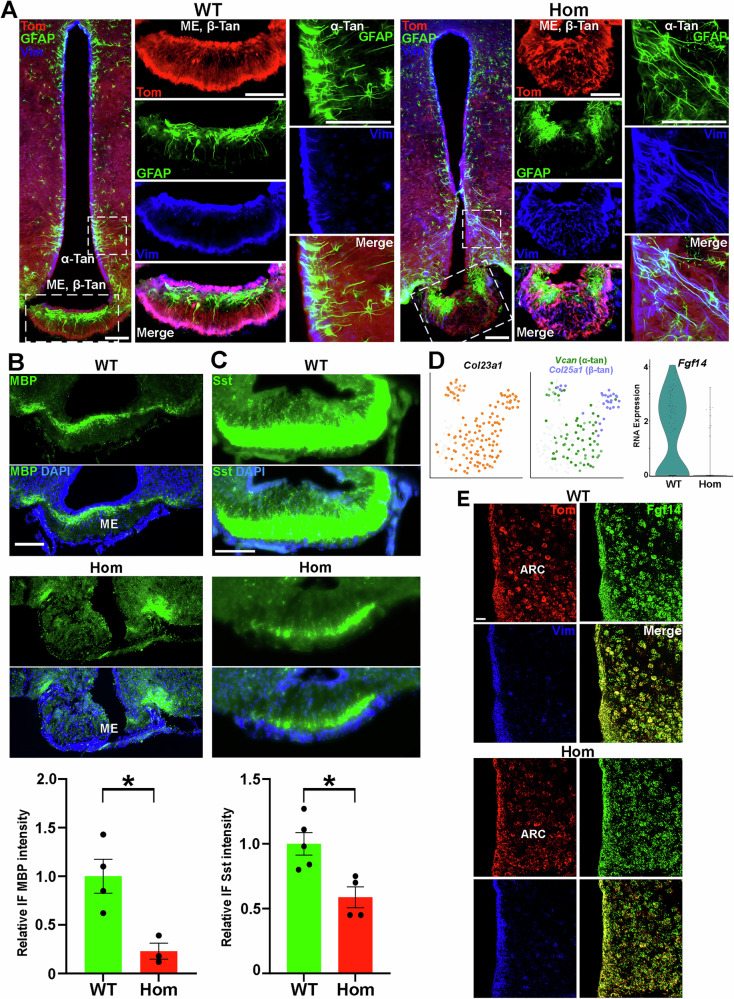 Figure 10
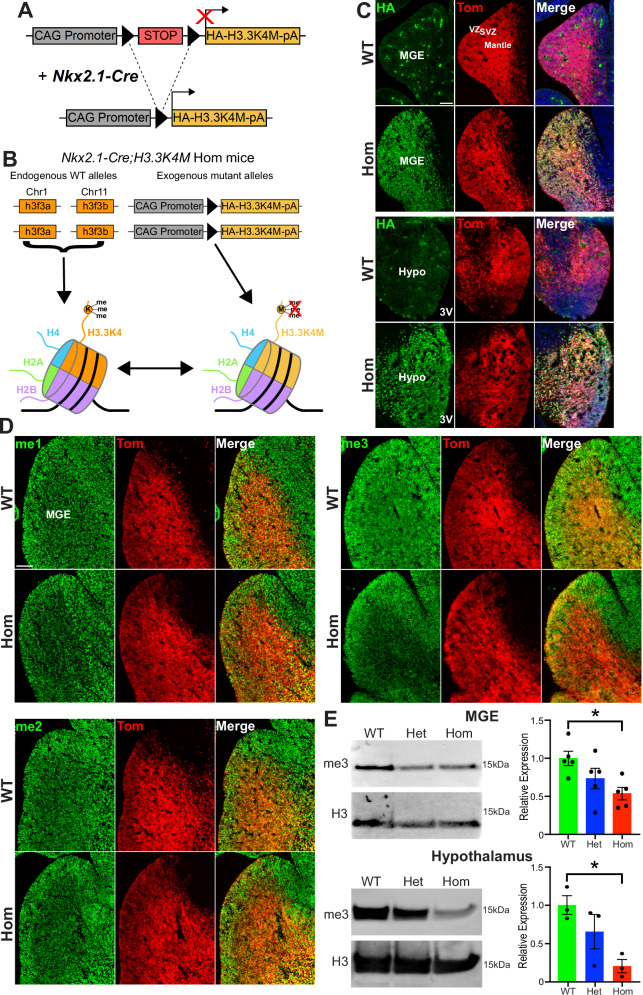 Figure 1
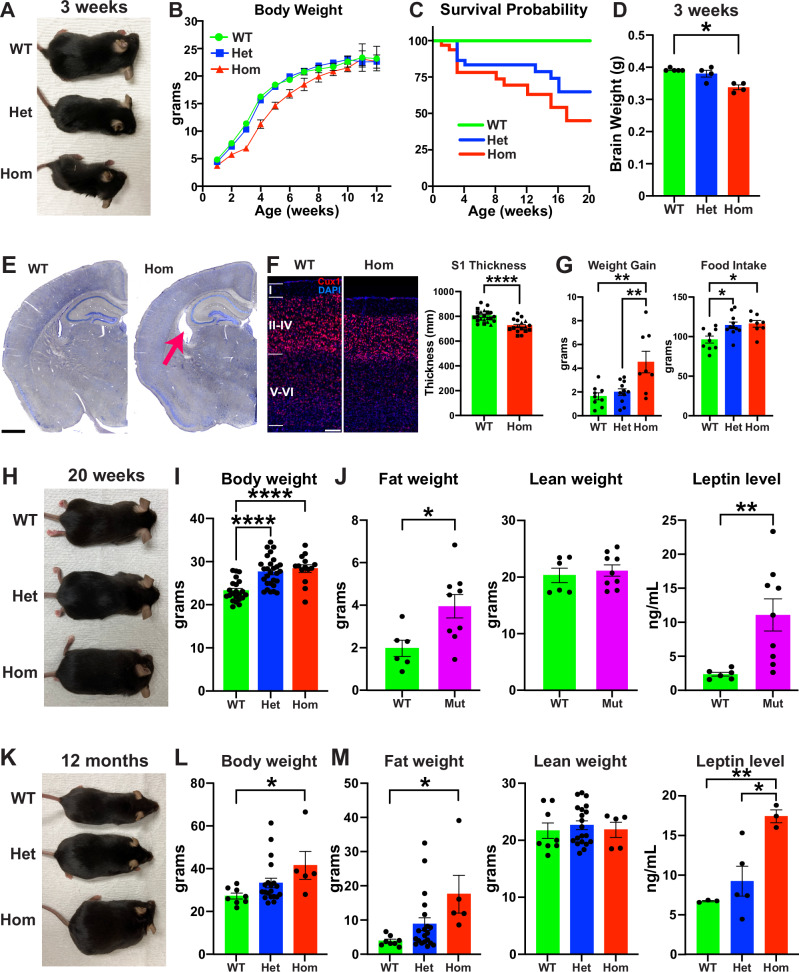 Figure 2
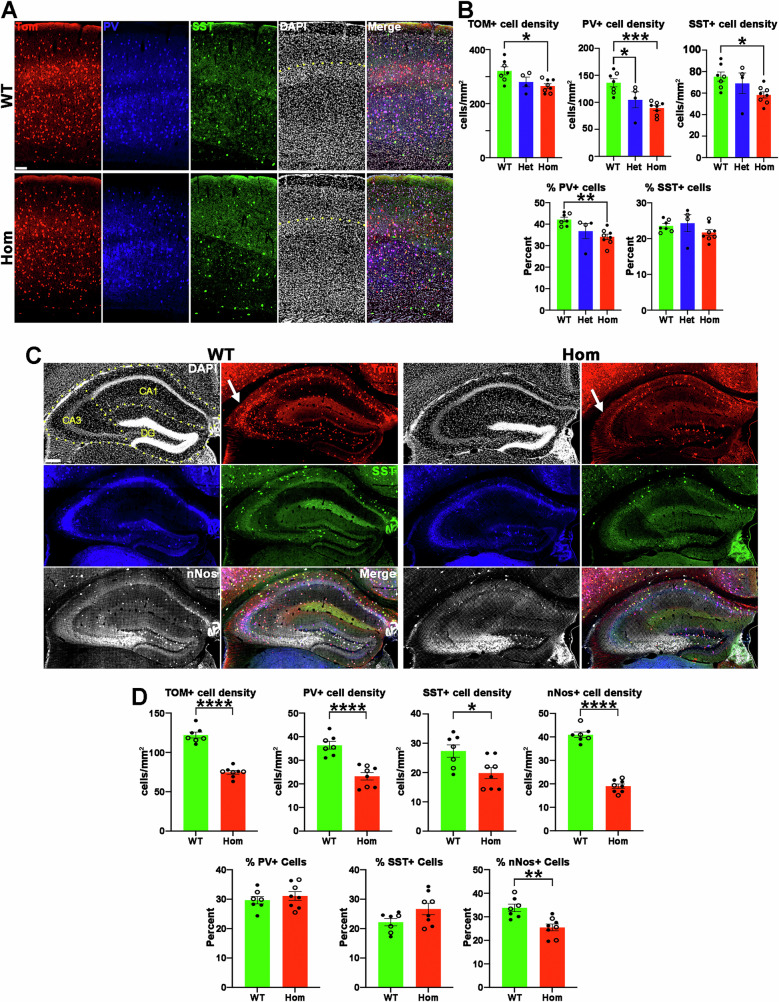 Figure 3
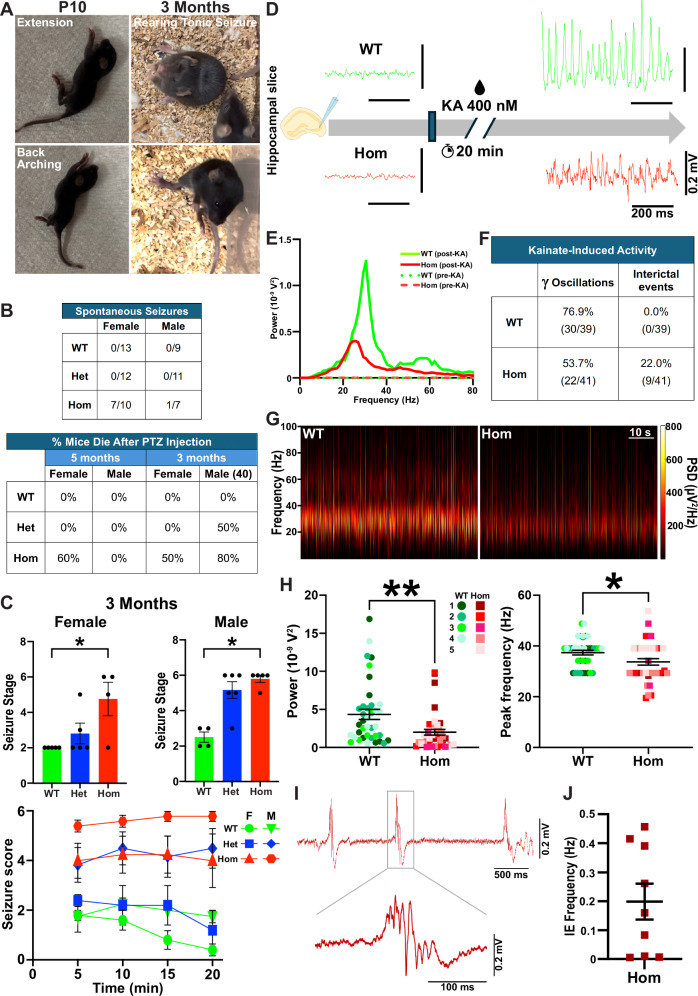 Figure 4
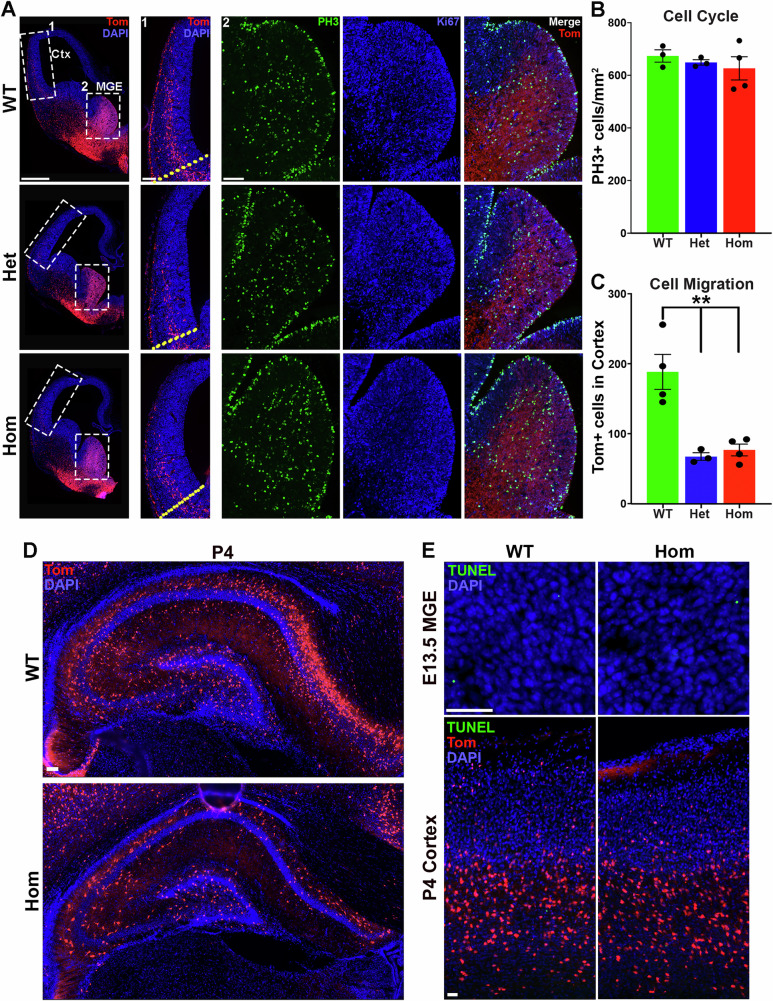 Figure 5
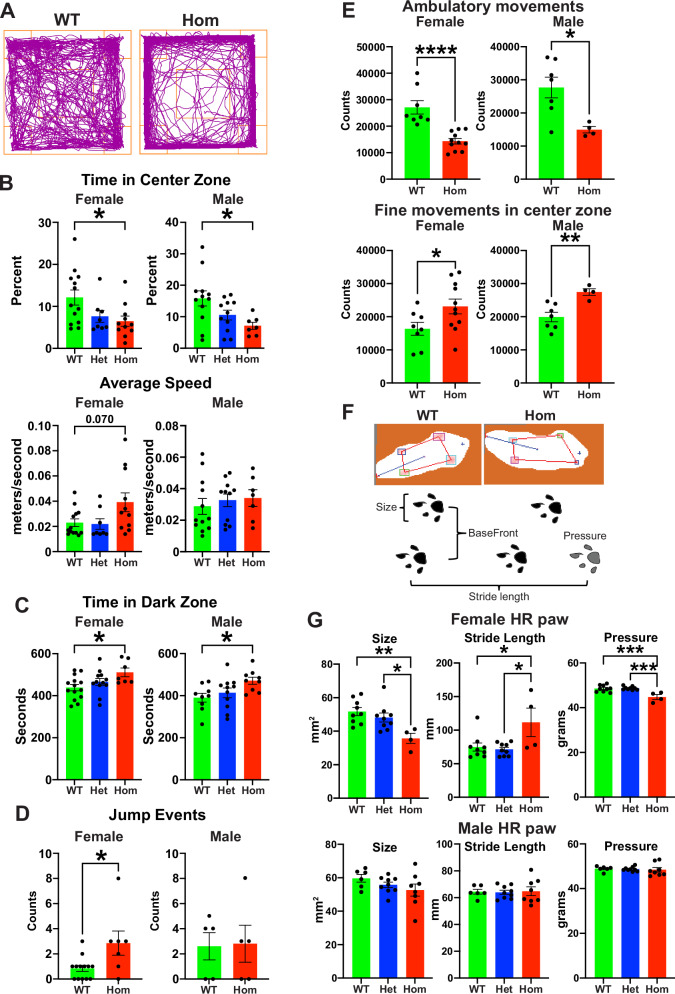 Figure 6
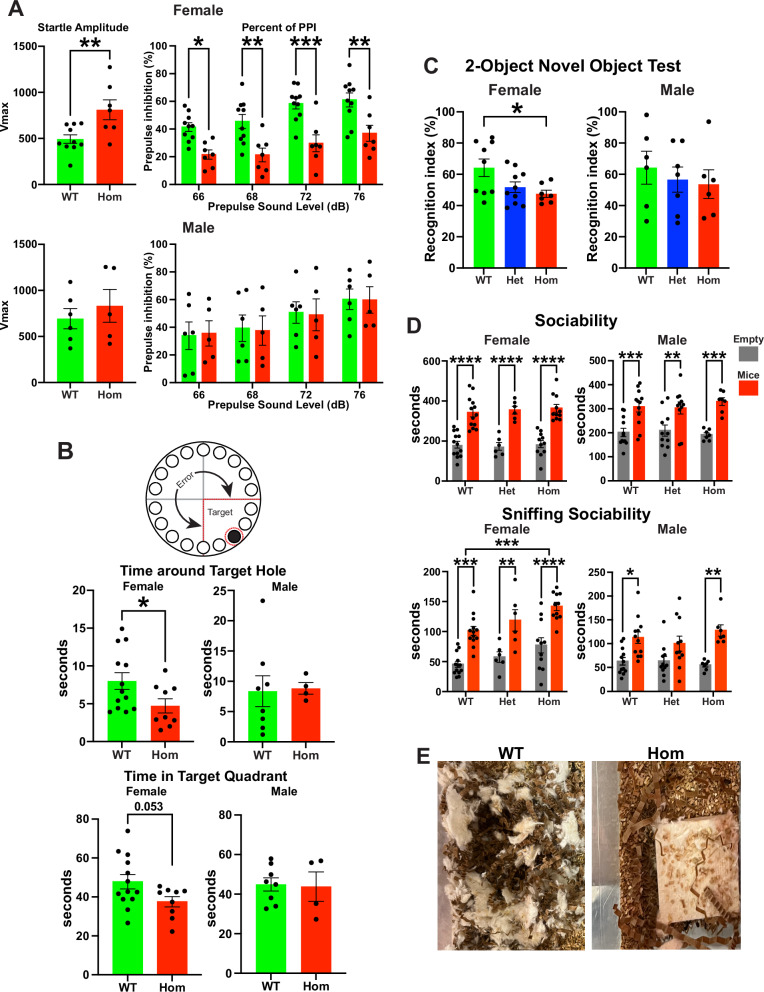 Figure 7
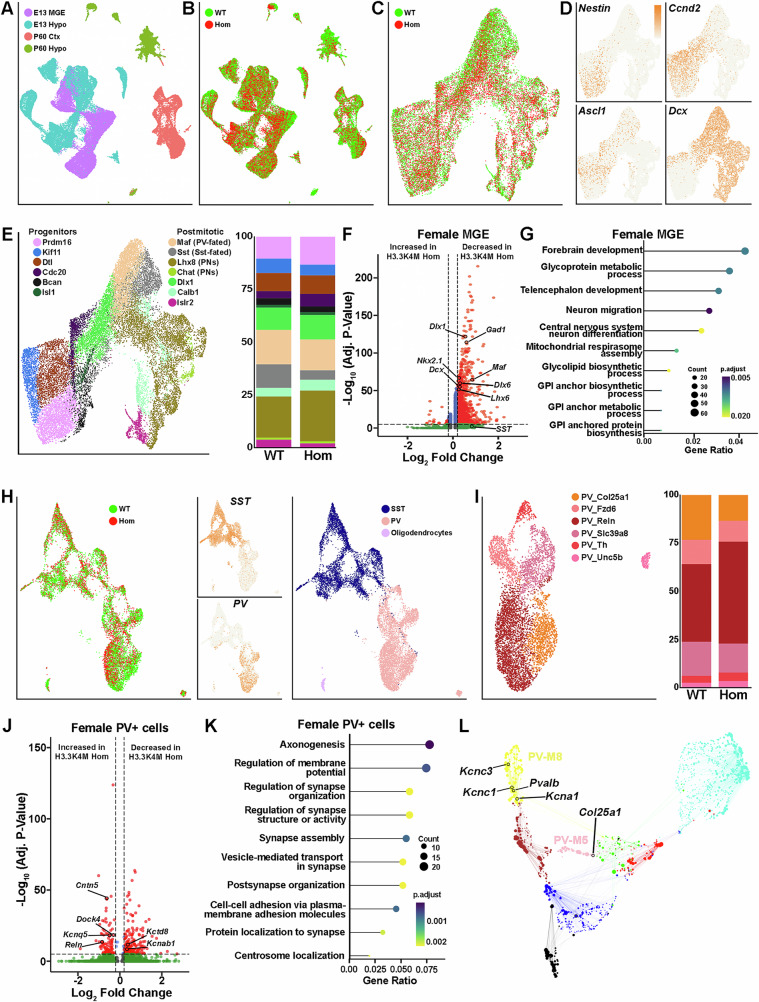 Figure 8
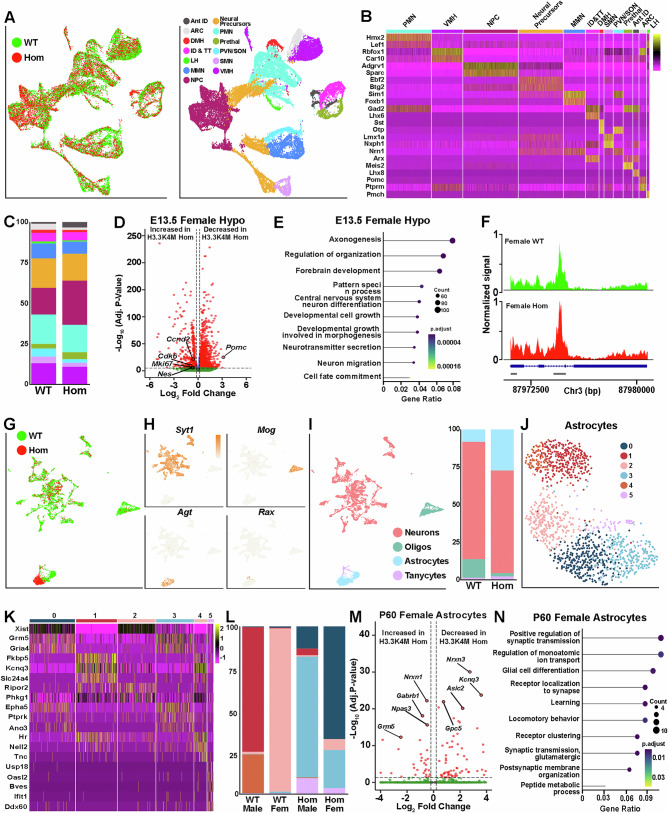 Figure 9
Peer Reviews
No public reviews on file for this paper yet. If you reviewed it on a platform where reviews are public (OpenReview, ICLR, NeurIPS, ICML), you can paste yours below so the community can read it here.
Videos
No videos yet. Explain this paper in a talk, walkthrough, or lecture? Add one.
Taxonomy
TopicsEpigenetics and DNA Methylation · Genetics and Neurodevelopmental Disorders · Cancer-related gene regulation