Expanding the genetic code: phage-driven evolution of pyrrolysyl-synthetase for site-specific incorporation of synthetic phenylalanine and tyrosine derivatives
Anastasia Dakhnevich, Sabina Miasoutova, Danila Iliushin, Aleksey Rozanov, Roman Ivanov

TL;DR
Scientists evolved an enzyme to better incorporate synthetic amino acids into proteins, improving the efficiency and specificity of the process.
Contribution
A polymorphic mutation cluster in the binding pocket of PylRS was identified, enabling efficient incorporation of tyrosine and phenylalanine derivatives.
Findings
Evolved PylRS variants showed orders-of-magnitude increases in ncAA incorporation efficiency.
Mutations clustered in the amino acid binding pocket correlate with improved substrate recognition.
PANCE proved effective for engineering PylRS with desired ncAA specificity.
Abstract
Pyrrolysyl-tRNA synthetase (PylRS) is a key enzyme for the site-specific incorporation of non-canonical amino acids (ncAAs) into proteins. However, its native form has a limited substrate scope. This study aimed to evolve PylRS from Methanosarcina mazei to enhance recognition and incorporation of tyrosine and phenylalanine derivatives. We used phage-assisted non-continuous evolution (PANCE) to generate a library of PylRS variants under selective pressure for the target ncAAs. Evolved variants were sequenced to identify mutations. Their aminoacylation efficiency and specificity were quantitatively assessed using fluorescence-based incorporation assays and mass spectrometry. Sequencing revealed a polymorphic population of mutations, with a significant cluster located within the enzyme's amino acid binding pocket. Several evolved variants showed an orders-of-magnitude increase in the…
Genes, proteins, chemicals, diseases, species, mutations and cell lines named across the full text — each resolved to its canonical identifier and authoritative record.
Click any figure to enlarge with its caption.
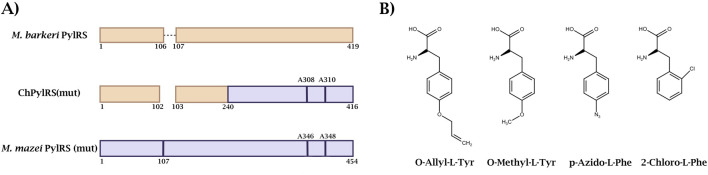 Figure 1
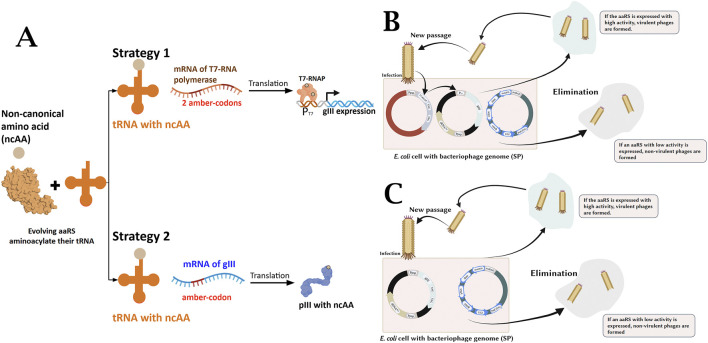 Figure 2
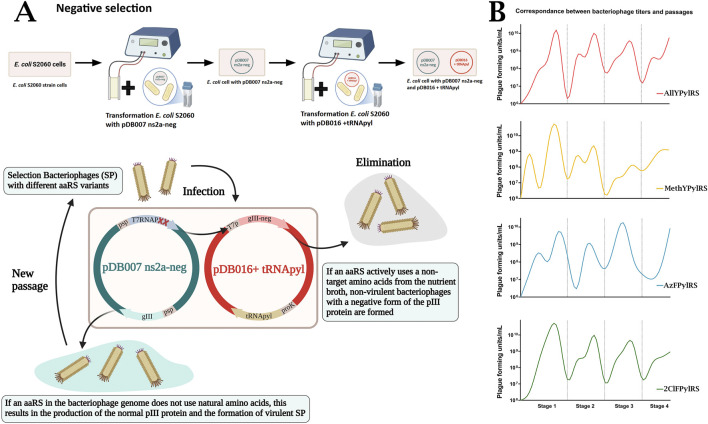 Figure 3
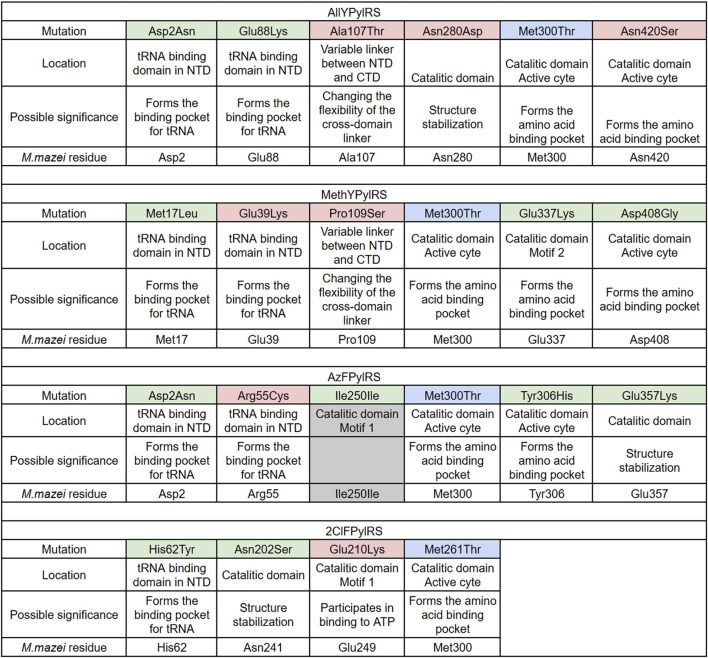 Figure 4
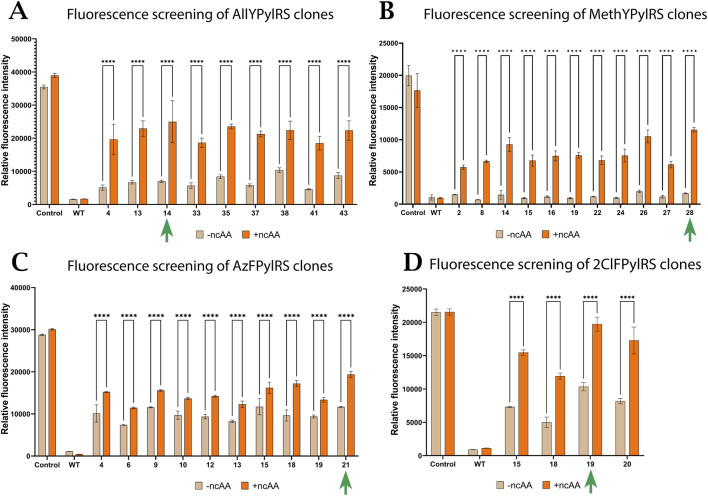 Figure 5
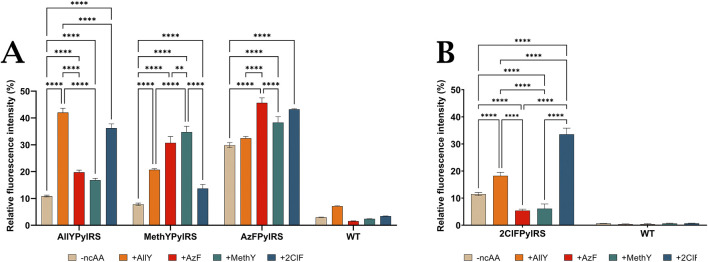 Figure 6
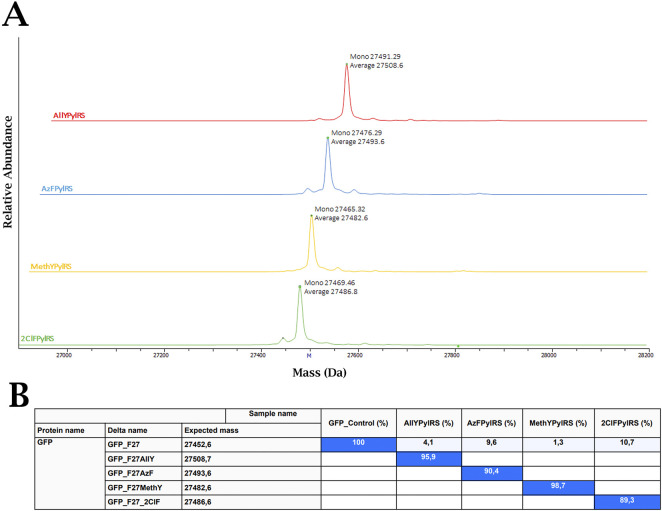 Figure 7
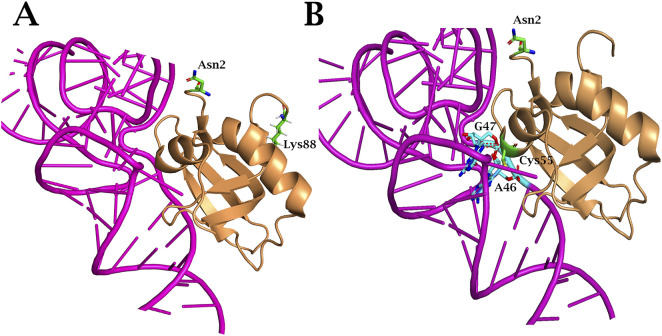 Figure 8
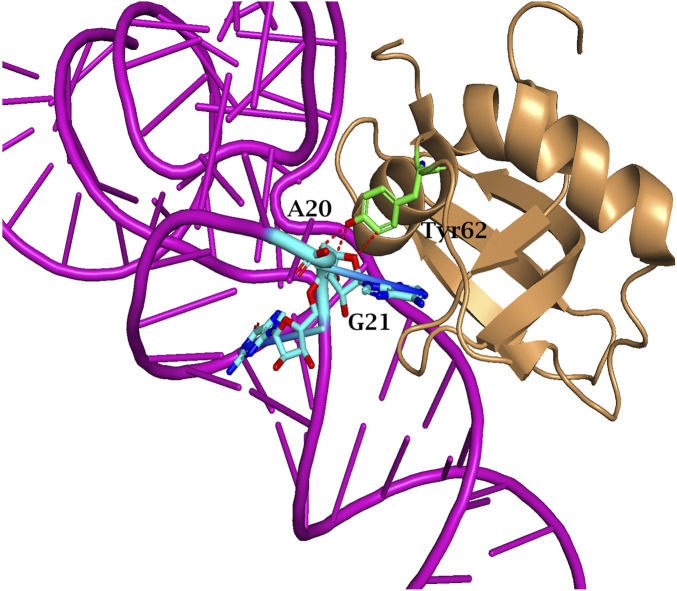 Figure 9
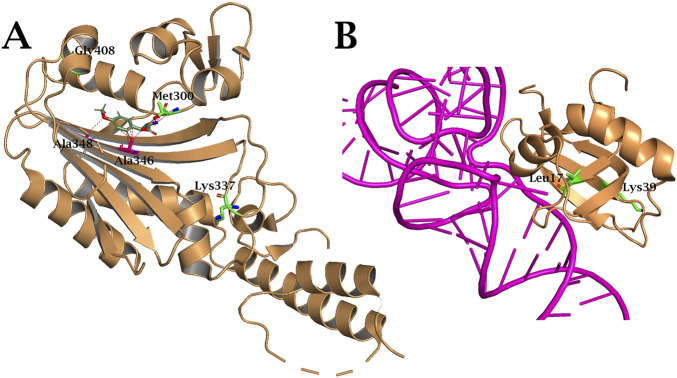 Figure 10
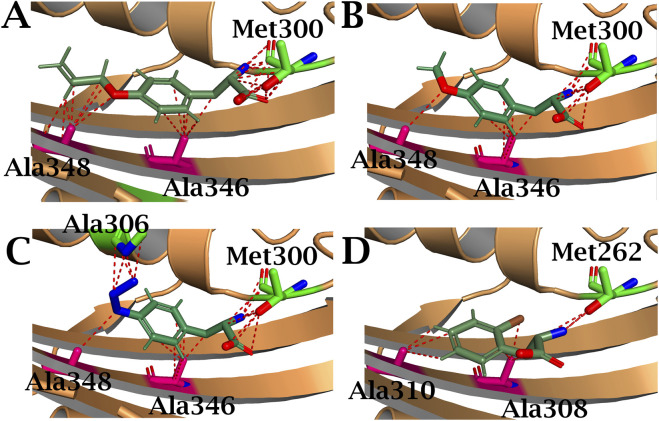 Figure 11
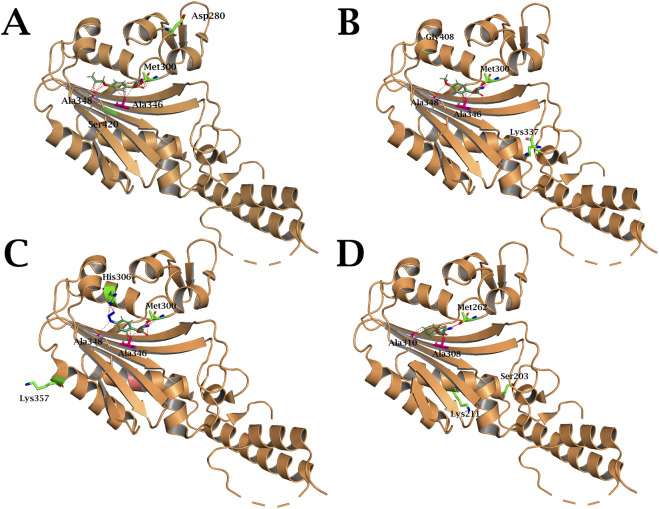 Figure 12
Peer Reviews
No public reviews on file for this paper yet. If you reviewed it on a platform where reviews are public (OpenReview, ICLR, NeurIPS, ICML), you can paste yours below so the community can read it here.
Videos
No videos yet. Explain this paper in a talk, walkthrough, or lecture? Add one.
Taxonomy
TopicsRNA and protein synthesis mechanisms · Enzyme Catalysis and Immobilization · Microbial Natural Products and Biosynthesis