Regulation of MRGPRX2-mediated mast cell function by competence-stimulating peptide 1 and pro-adrenomedullin peptide
Aetas Amponnawarat, Sangita Sutradhar, Chalatip Chompunud Na Ayudhya, Maram Bawazir, Ronit Sagi-Eisenberg, Hydar Ali

TL;DR
This study compares how two different peptides affect a receptor on mast cells, leading to different immune responses like allergy or defense against bacteria.
Contribution
The study reveals distinct signaling profiles of CSP-1 and PAMP-12 through MRGPRX2, linking biased agonism to functional outcomes.
Findings
PAMP-12 and CSP-1 both activate G proteins and ERK phosphorylation but differ in receptor phosphorylation and desensitization.
PAMP-12 causes significant β-arrestin recruitment and receptor internalization, unlike CSP-1.
These signaling differences may explain distinct roles in host defense versus allergic responses.
Abstract
Mas-related G protein-coupled receptor (GPCR)-X2 (MRGPRX2, mouse ortholog MrgprB2) is predominantly expressed in mast cells (MCs) and is activated by a wide range of cationic ligands such as bacterial quorum sensing molecules (QSMs) and pro-adrenomedullin peptide 9-20 (PAMP-12). Activation of MrgprB2 by competence-stimulating peptide-1 (CSP-1), a QSM produced by Gram-positive bacteria, has recently been shown to promote antibacterial immunity, whereas its activation by PAMP-12 has been implicated in allergic contact dermatitis (ACD) and itch. Mechanisms via which the activation of the same receptor by different agonists contributes to different functional outcomes are unknown. GPCR agonists that activate both the G protein and receptor phosphorylation-mediated β-arrestin pathways are known as balanced agonists but agonists that activate only the G proteins are known as G protein-biased…
Genes, proteins, chemicals, diseases, species, mutations and cell lines named across the full text — each resolved to its canonical identifier and authoritative record.
Click any figure to enlarge with its caption.
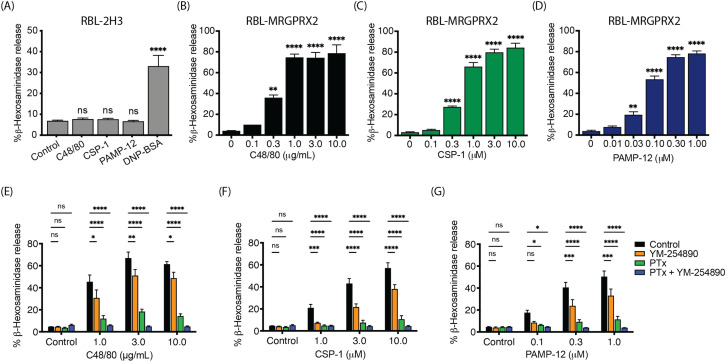 Figure 1
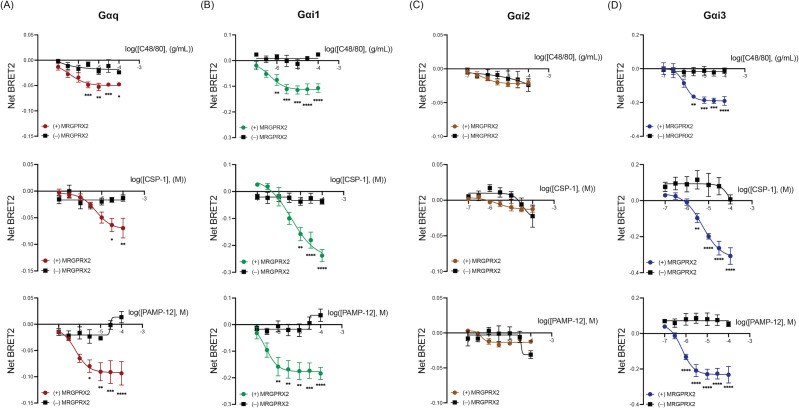 Figure 2
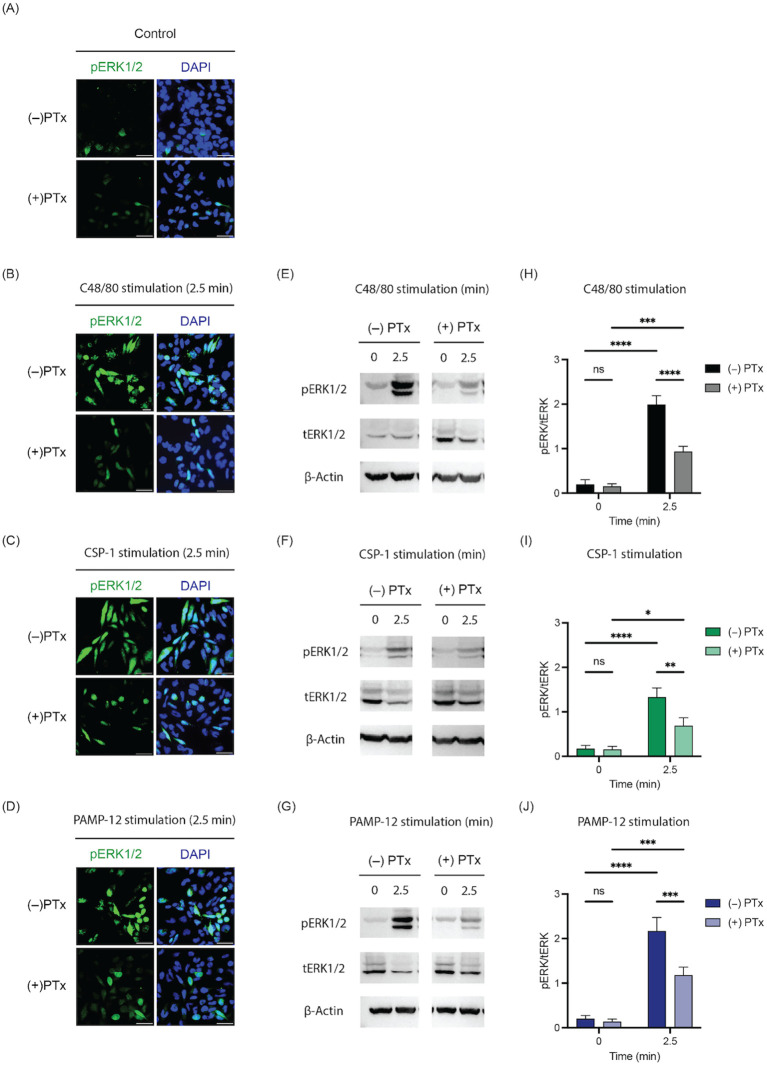 Figure 3
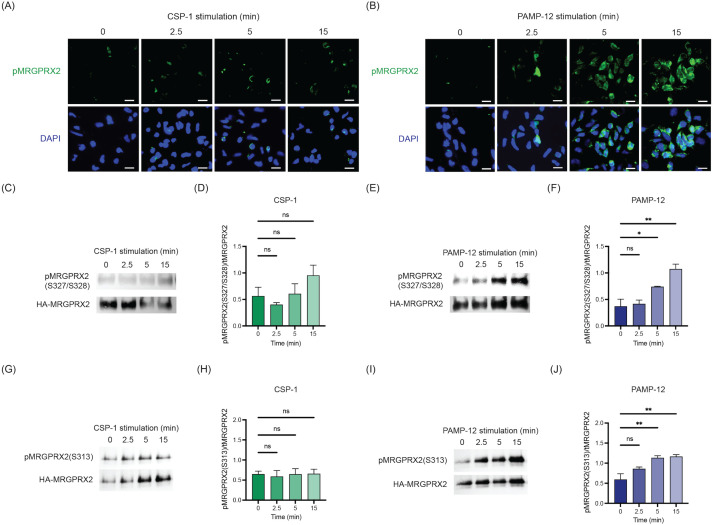 Figure 4
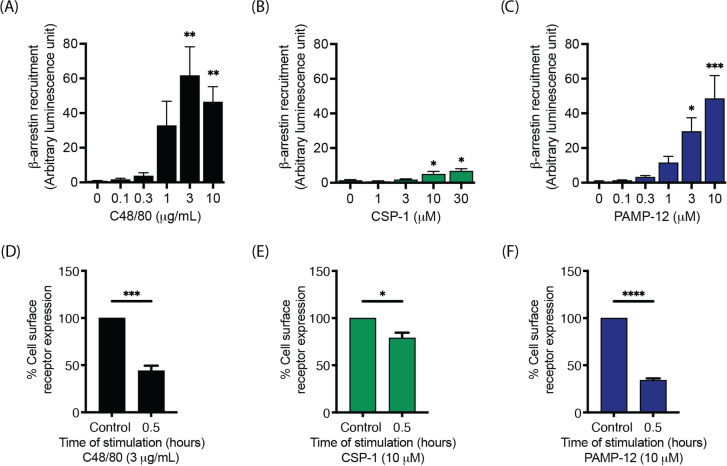 Figure 5
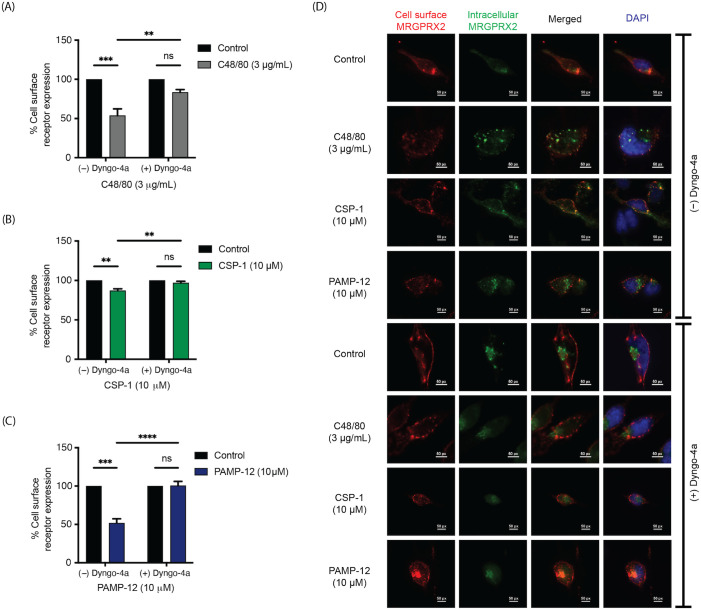 Figure 6
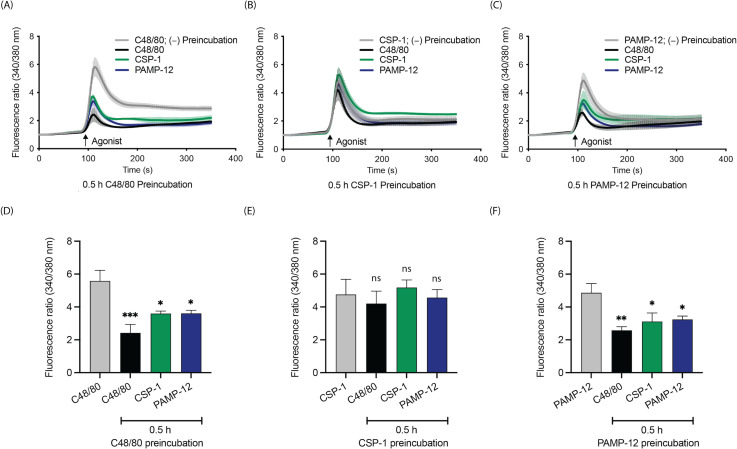 Figure 7
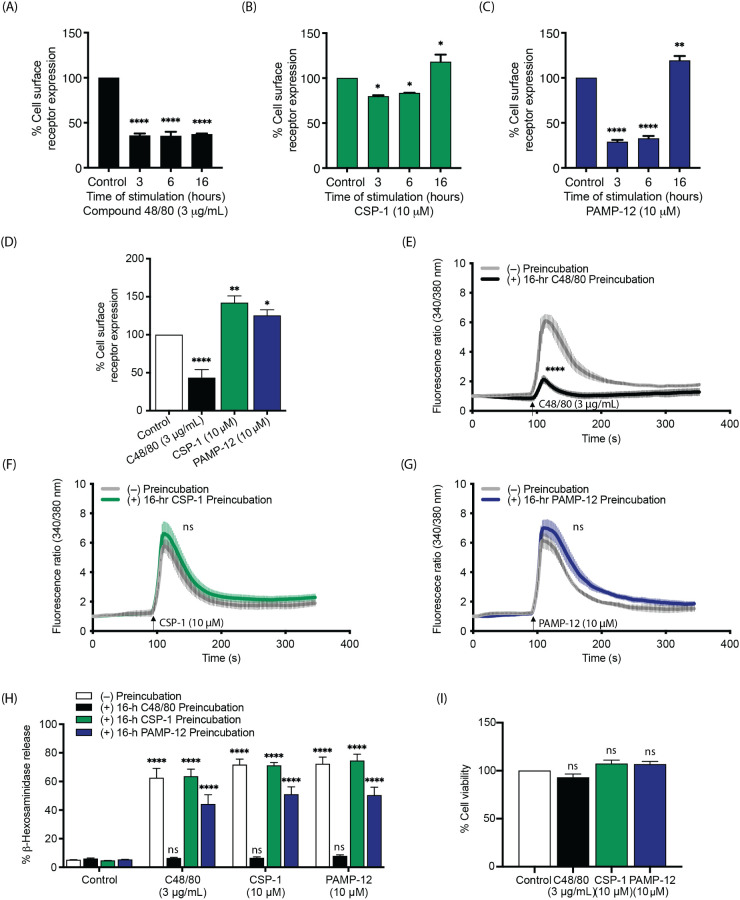 Figure 8
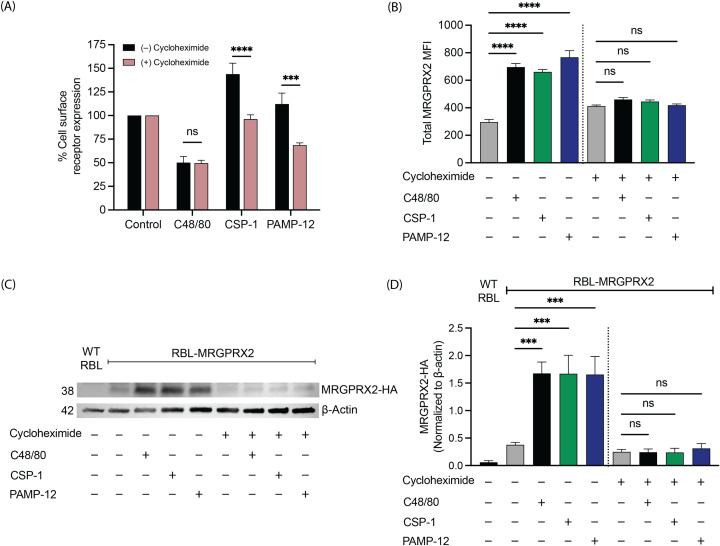 Figure 9
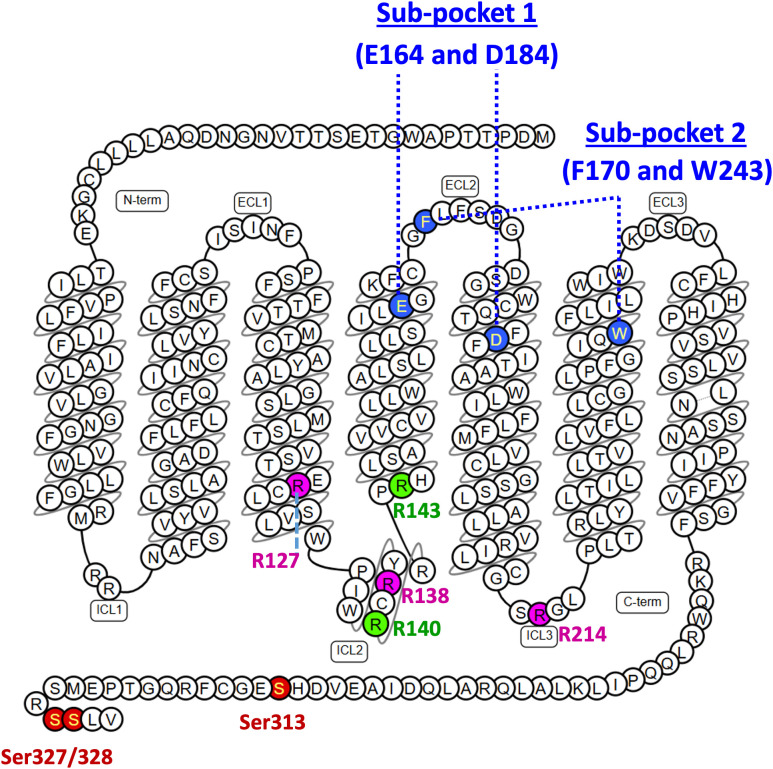 Figure 10
Peer Reviews
No public reviews on file for this paper yet. If you reviewed it on a platform where reviews are public (OpenReview, ICLR, NeurIPS, ICML), you can paste yours below so the community can read it here.
Videos
No videos yet. Explain this paper in a talk, walkthrough, or lecture? Add one.
Taxonomy
TopicsMast cells and histamine · Receptor Mechanisms and Signaling · Monoclonal and Polyclonal Antibodies Research