No evidence for general or food-specific inhibitory control deficits in overweight university students: findings from flanker and Food Go/Nogo tasks
Ningqi Yang, Hang Zheng, Bo Sun

TL;DR
This study found no evidence of impaired inhibitory control in overweight university students compared to normal-weight peers, suggesting cognitive function remains intact during early stages of weight gain.
Contribution
The study introduces a novel cross-sectional approach to distinguish between general and food-specific inhibitory control in overweight individuals.
Findings
No significant differences in inhibitory control were found between overweight and normal-weight participants.
Both groups showed higher inhibition accuracy for high-calorie food images, suggesting a defensive inhibition mechanism.
The findings support a dose-dependent model of cognitive impact in overweight individuals.
Abstract
The transition from normal weight to obesity, defined as being “overweight,” represents a critical window for preventive intervention; however, it remains debated whether cognitive vulnerabilities at this stage manifest as a domain-general decline in executive function or a domain-specific hypersensitivity to food cues. To address this, the present study employed a cross-sectional design to systematically investigate the behavioral profiles of general and food-specific inhibitory control in overweight university students. Twenty-eight participants (14 overweight and 14 normal-weight) completed the classic Flanker task and a modified Food Go/Nogo task to assess interference control and response inhibition, respectively. The results revealed no significant differences between the groups in reaction time or accuracy across both tasks, indicating that inhibitory function remains…
Genes, proteins, chemicals, diseases, species, mutations and cell lines named across the full text — each resolved to its canonical identifier and authoritative record.
Click any figure to enlarge with its caption.
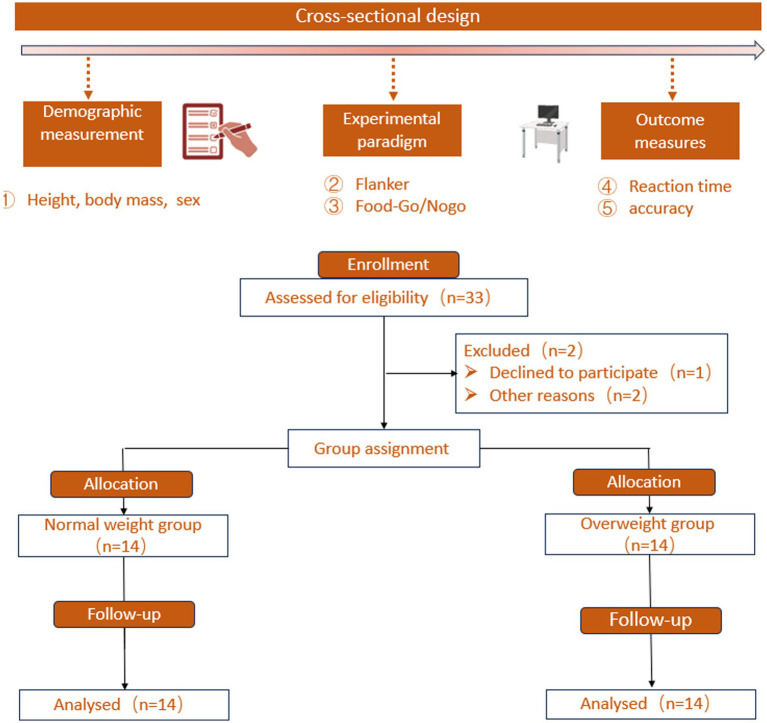 Figure 1
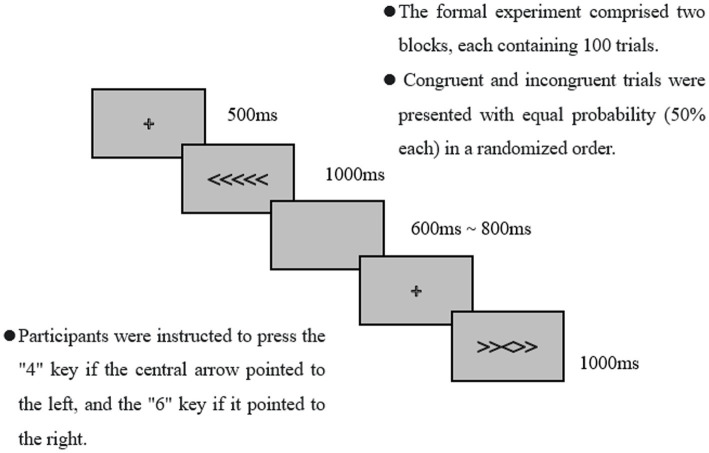 Figure 2
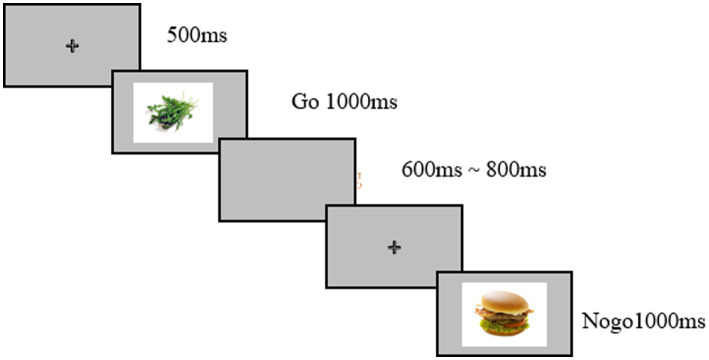 Figure 3
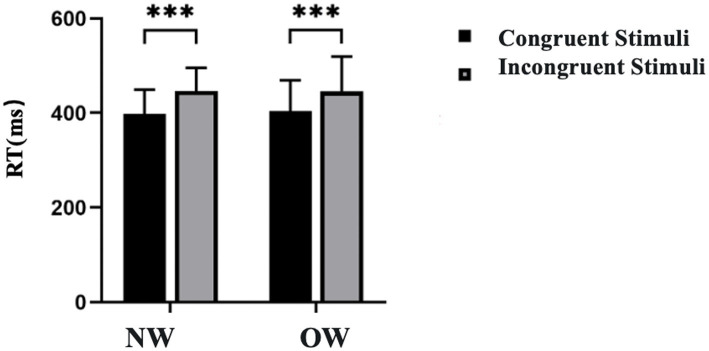 Figure 4
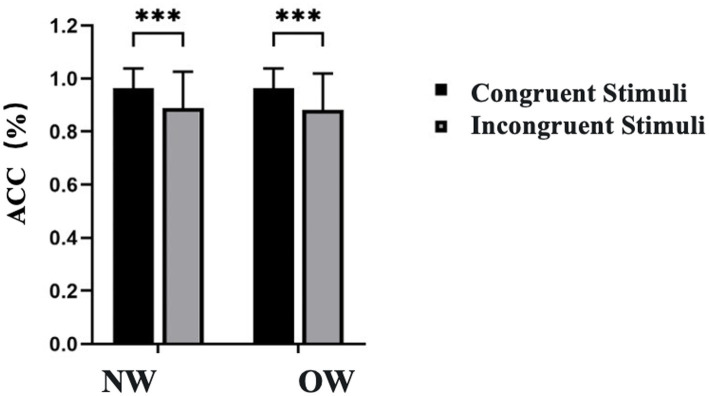 Figure 5
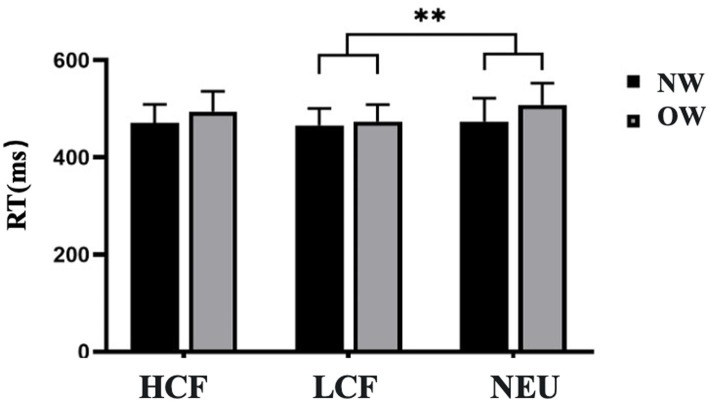 Figure 6
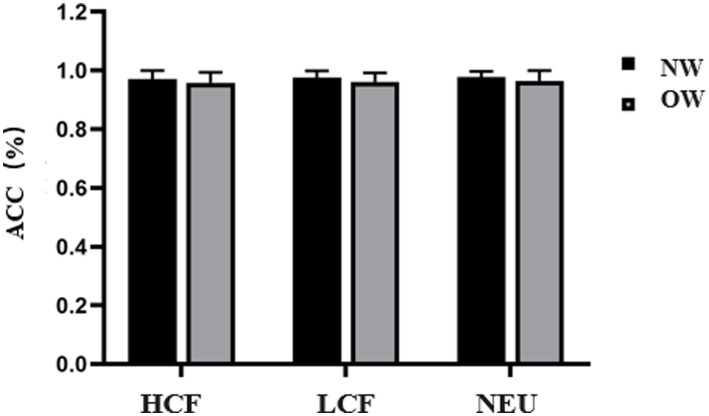 Figure 7
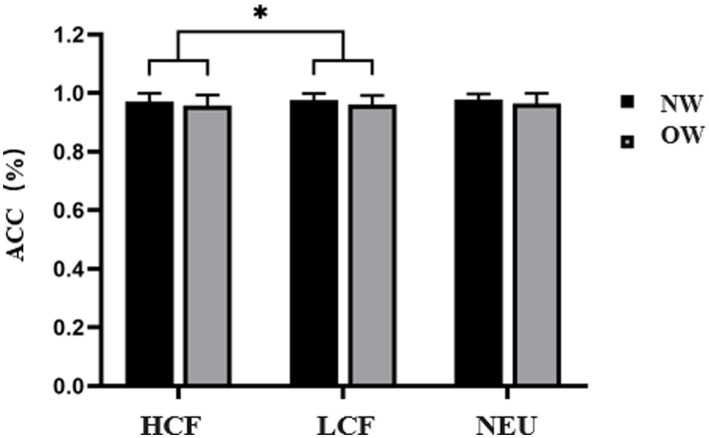 Figure 8
Peer Reviews
No public reviews on file for this paper yet. If you reviewed it on a platform where reviews are public (OpenReview, ICLR, NeurIPS, ICML), you can paste yours below so the community can read it here.
Videos
No videos yet. Explain this paper in a talk, walkthrough, or lecture? Add one.
Taxonomy
TopicsEating Disorders and Behaviors · Neural and Behavioral Psychology Studies · Obesity, Physical Activity, Diet