Assessment of ultrasound ovarian-adnexal reporting & data system (O-RADS) for pediatric patients
Katherine Epstein, Jonathan Dillman, Nadeen Abu Ata, Brian Coley, Yinan Li, Sunny Pitt, Bin Zhang, Rama Ayyala

TL;DR
This study evaluates how well the O-RADS ultrasound system works for assessing ovarian lesions in children, finding it has high sensitivity but low specificity.
Contribution
The study assesses the diagnostic performance and inter-radiologist agreement of O-RADS US in pediatric patients, a population with rare malignancies.
Findings
Most pediatric ovarian lesions were classified as O-RADS 2 (benign), with high sensitivity and NPV but low PPV.
Inter-radiologist agreement was moderate (κ=0.42) when applying O-RADS US in pediatric cases.
The low malignancy rate in children makes O-RADS US application challenging, suggesting potential need for pediatric-specific modifications.
Abstract
Ovarian-Adnexal Reporting & Data System Ultrasound (O-RADS US) is a validated scoring system in adult women with adnexal lesions to help assess the risk of potential malignancy. Limited data exists for children in whom malignancy is rare. To evaluate inter-radiologist agreement and diagnostic performance when using the O-RADS US in pediatric patients with ovarian lesions. Retrospective IRB-approved study included pelvic ultrasounds (US) from 2015 to 2020 in pediatric patients (<18 years). Pelvic US with ovarian lesions measuring >3 cm in premenarchal patients and >5 cm in menarchal patients were included. Three pediatric radiologists reviewed each US and recorded imaging characteristics and O-RADS classification. Diagnostic performance was assessed, and agreement among radiologists was calculated. In total, 160 pelvic US exams were included in 160 patients, with a mean patient age of…
Genes, proteins, chemicals, diseases, species, mutations and cell lines named across the full text — each resolved to its canonical identifier and authoritative record.
Click any figure to enlarge with its caption.
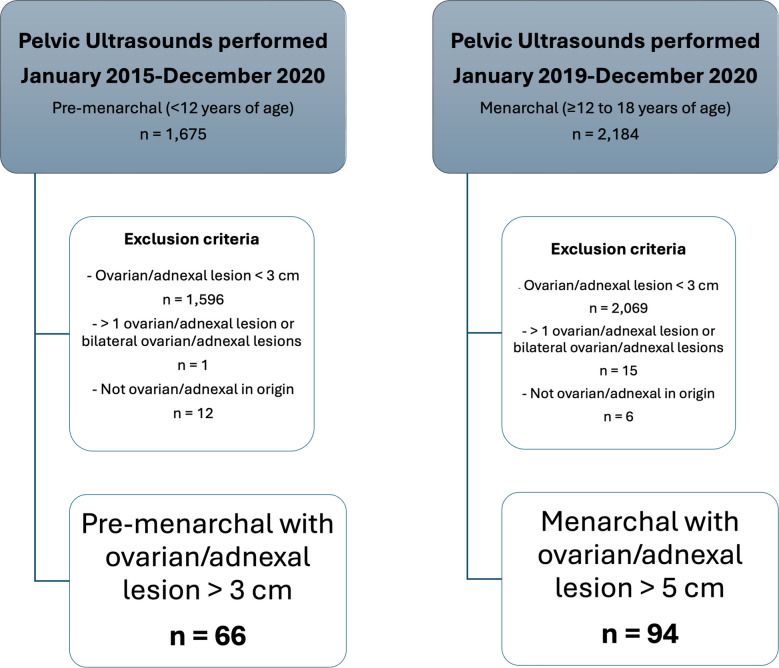 Figure 1
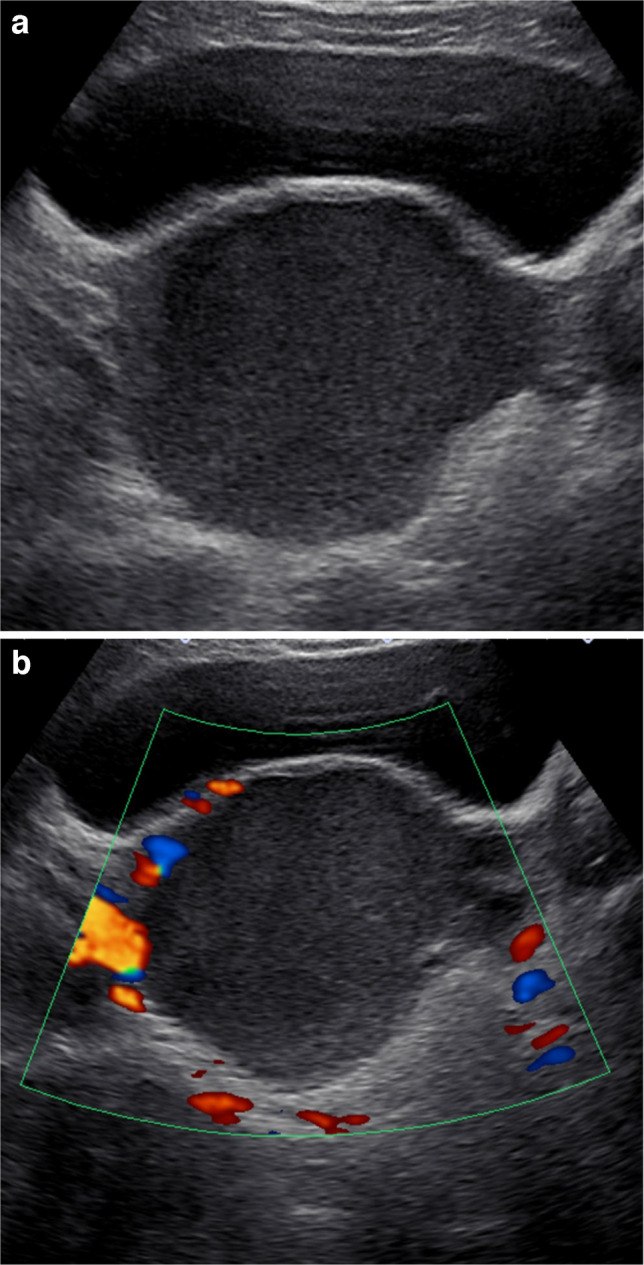 Figure 2
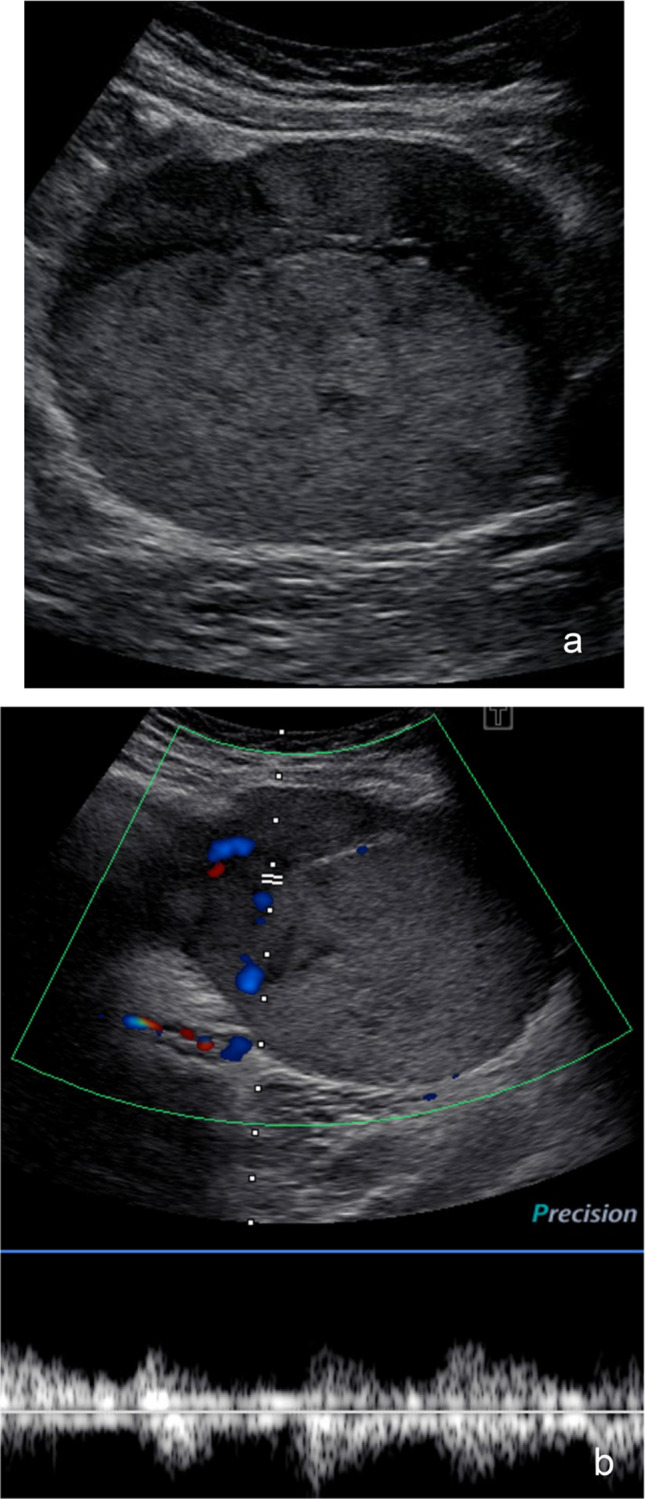 Figure 3
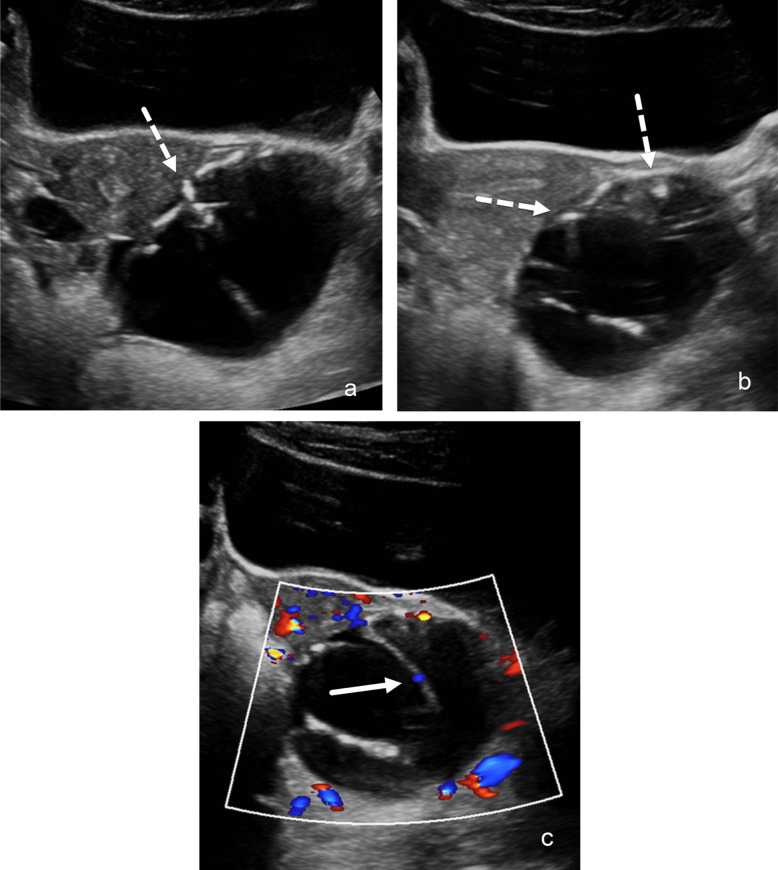 Figure 4
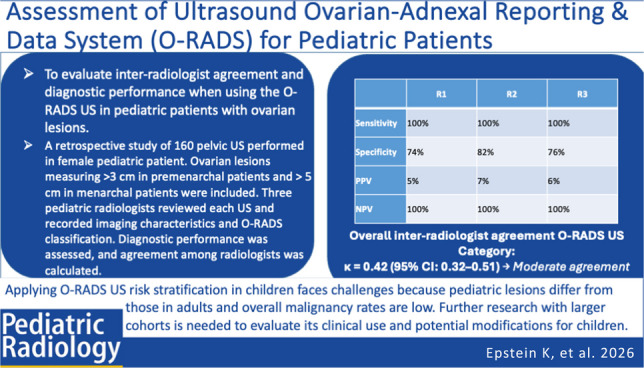 Figure 5
Peer Reviews
No public reviews on file for this paper yet. If you reviewed it on a platform where reviews are public (OpenReview, ICLR, NeurIPS, ICML), you can paste yours below so the community can read it here.
Videos
No videos yet. Explain this paper in a talk, walkthrough, or lecture? Add one.
Taxonomy
TopicsOvarian cancer diagnosis and treatment · Reproductive Biology and Fertility · Gynecological conditions and treatments