Co-expression, purification, and characterization of an acidophilic and n-hexane-tolerant lipase with its foldase from Burkholderia gladioli Bsp-1
Jing Zhu, Xiaoqiong Zuo, Lanqiu Mai, Yan Qin, Liang Xian, Yi Li, Qingyan Wang

TL;DR
This paper describes a new acid-loving and solvent-tolerant bacterial lipase that requires a helper protein to function properly.
Contribution
The discovery of a foldase-dependent lipase with acidophilic and solvent-tolerant properties from Burkholderia gladioli.
Findings
LipC requires its foldase LifB for functional expression in E. coli.
LipC shows optimal activity at pH 3.5 and remains stable under acidic conditions.
LipC is highly active in nonpolar solvents like n-hexane and prefers medium-chain fatty acid esters.
Abstract
Lipases are versatile biocatalysts widely applied in hydrolysis and synthesis reactions, yet bacterial acidophilic and solvent-tolerant lipases remain poorly characterized. In this study, an acid- and organic solvent-resistant lipase (LipC) and its cognate foldase (LifB) from Burkholderia gladioli Bsp-1 were cloned and heterologously expressed in Escherichia coli. Soluble and catalytically active LipC was obtained only upon co-expression with LifB, demonstrating a strict foldase-dependent folding requirement. Phylogenetic analysis classified LipC as a LipA-type bacterial lipase. Biochemical characterization revealed that LipC exhibited maximal activity at pH 3.5 and showed remarkable stability under acidic conditions, retaining more than 70% of its activity after prolonged incubation at pH 4.0. The enzyme displayed optimal activity at 55 ℃ and maintained moderate thermal stability.…
Genes, proteins, chemicals, diseases, species, mutations and cell lines named across the full text — each resolved to its canonical identifier and authoritative record.
Click any figure to enlarge with its caption.
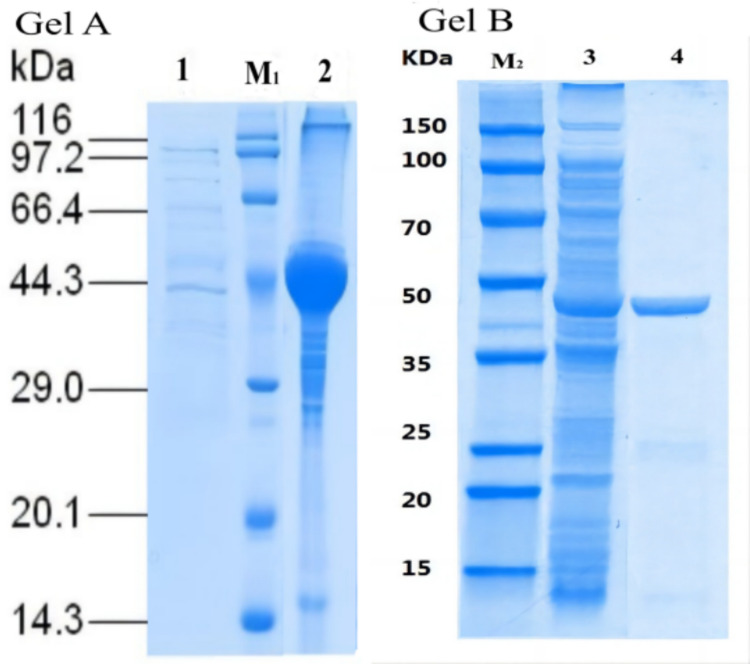 Figure 1
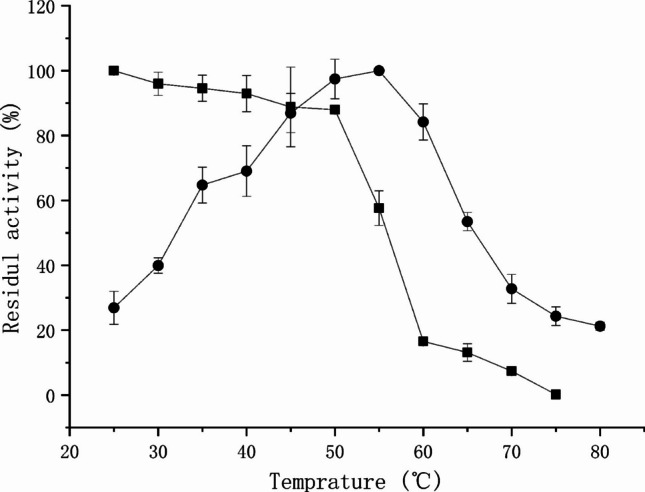 Figure 2
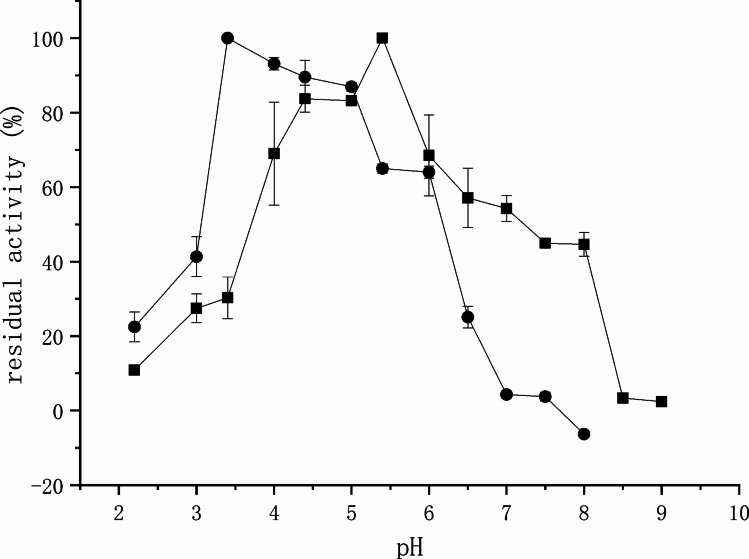 Figure 3
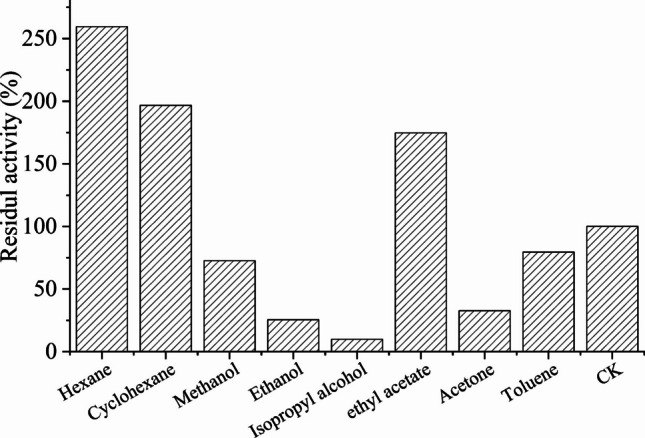 Figure 4
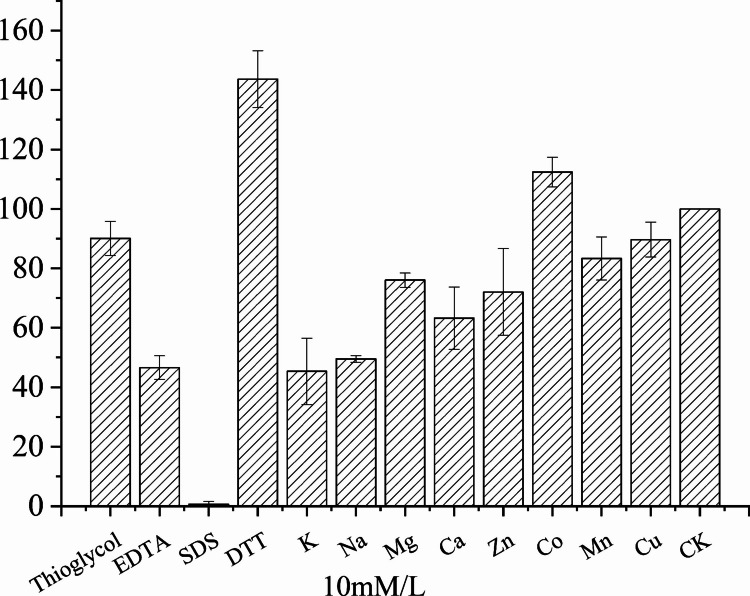 Figure 5
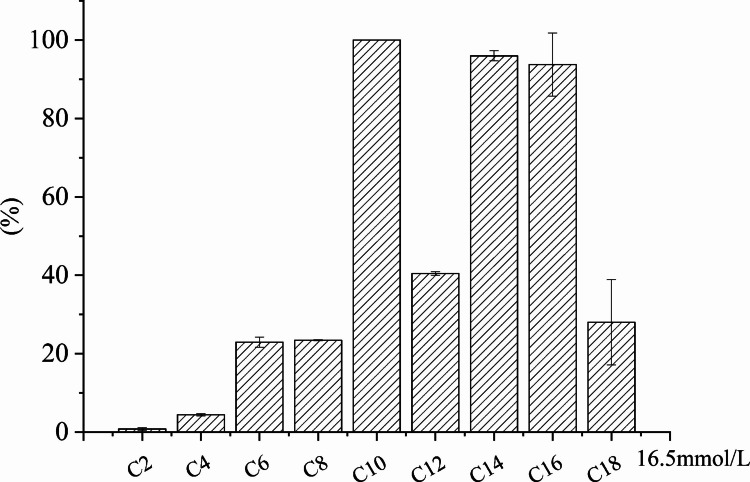 Figure 6
Peer Reviews
No public reviews on file for this paper yet. If you reviewed it on a platform where reviews are public (OpenReview, ICLR, NeurIPS, ICML), you can paste yours below so the community can read it here.
Videos
No videos yet. Explain this paper in a talk, walkthrough, or lecture? Add one.
Taxonomy
TopicsEnzyme Catalysis and Immobilization · Microbial Metabolic Engineering and Bioproduction · biodegradable polymer synthesis and properties