Intranasal delivery of the NMDA receptor antagonist MK-801 attenuates ultra-acute excitotoxic neurochemical responses after concussion in rats: comparative pharmacological evaluation against ketamine
Ian Masse, Luc Moquin, Caroline Bouchard, Laurianne Legroux, Alain Gratton, Louis De Beaumont

TL;DR
Intranasal MK-801 reduces harmful brain chemical surges after concussion in rats, unlike ketamine, suggesting it could be a better treatment option.
Contribution
Demonstrates that intranasal MK-801 effectively targets ultra-acute excitotoxic responses after concussion, which ketamine does not under similar conditions.
Findings
Intranasal MK-801 reduced early amino acid surges and excitotoxic index after concussion.
MK-801 improved recovery time compared to vehicle-treated animals.
Ketamine did not significantly alter neurochemical responses or recovery time.
Abstract
Concussion triggers rapid and transient surges in extracellular amino acids, largely driven by pathological activation of N-methyl-D-aspartate (NMDA) receptors. Targeting this ultra-acute excitotoxic window remains challenging, in part because many NMDA receptor antagonists exhibit slow delivery kinetics or limited brain penetrance when administered systemically. Intranasal drug delivery may help overcome these limitations by enabling faster central nervous system access. Here, we compared the capacity of intranasally administered MK-801, a high-affinity non-competitive NMDA receptor antagonist, and intranasal ketamine, a clinically used antagonist with distinct pharmacokinetic and receptor-binding properties, to modulate early neurochemical responses following experimental concussion. Adult rats underwent a validated weight-drop concussion model followed by continuous hippocampal…
Genes, proteins, chemicals, diseases, species, mutations and cell lines named across the full text — each resolved to its canonical identifier and authoritative record.
Click any figure to enlarge with its caption.
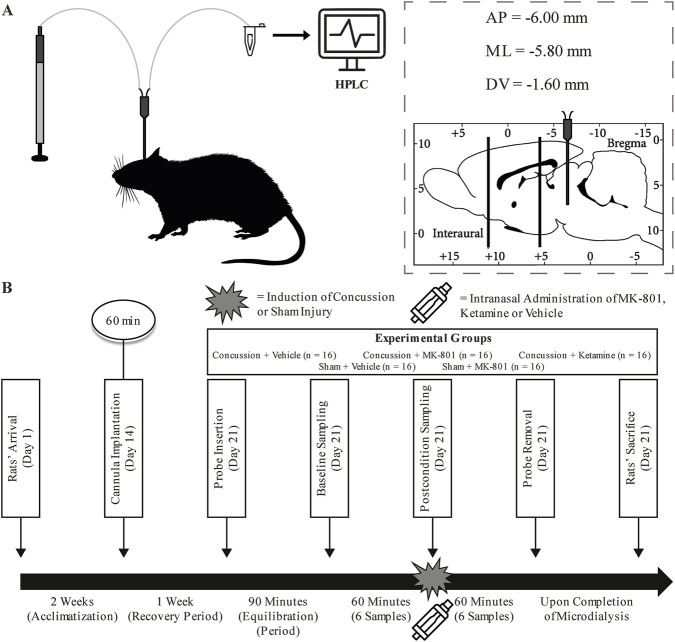 Figure 1
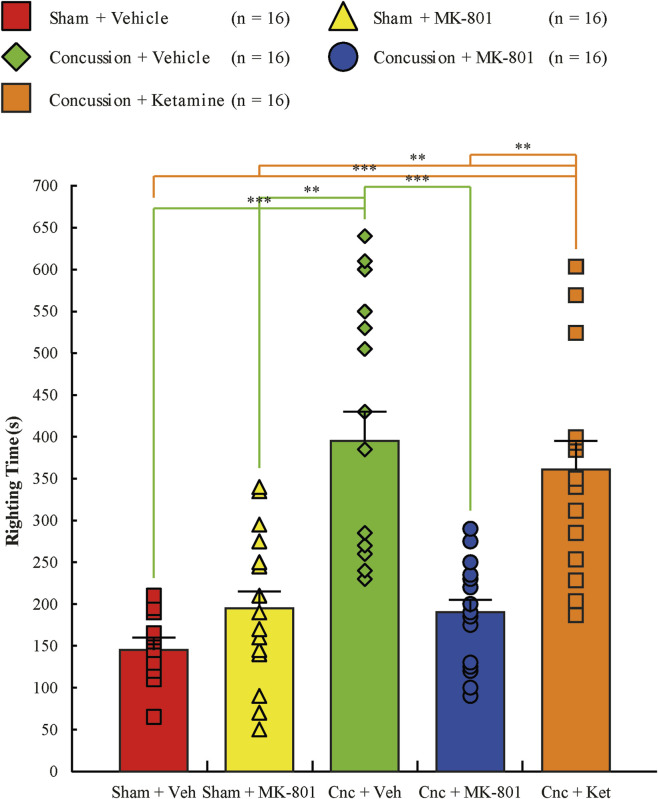 Figure 2
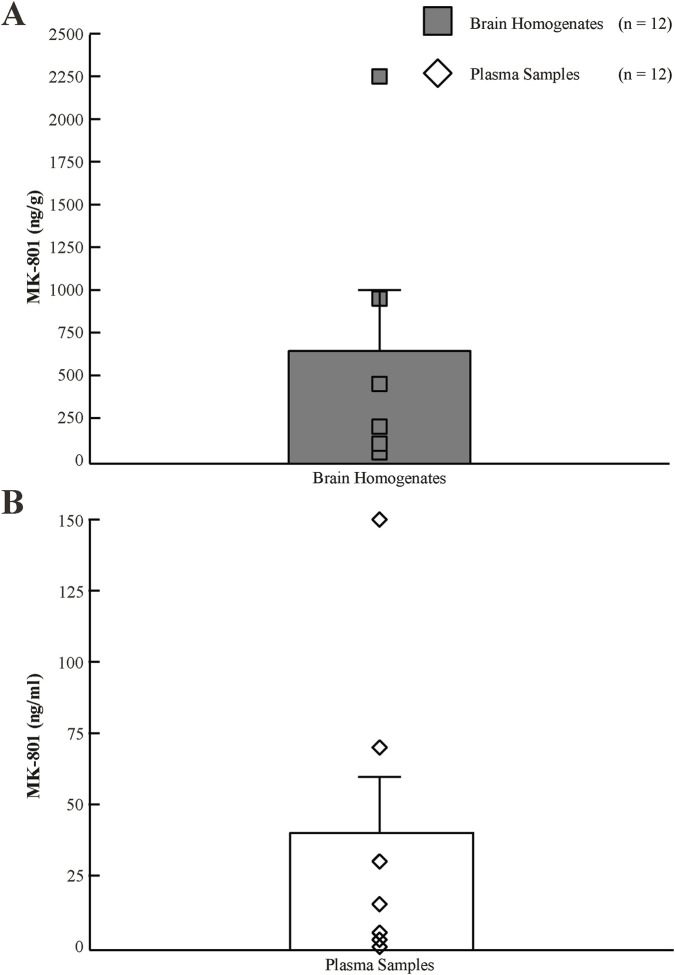 Figure 3
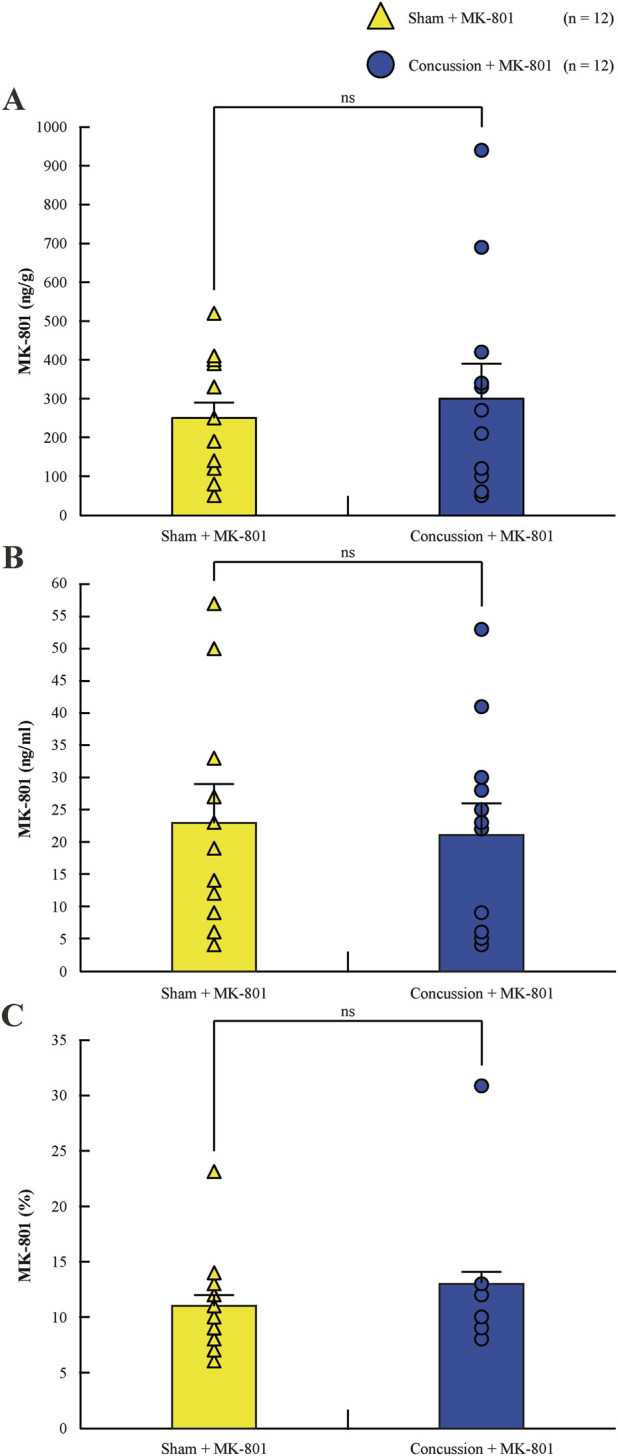 Figure 4
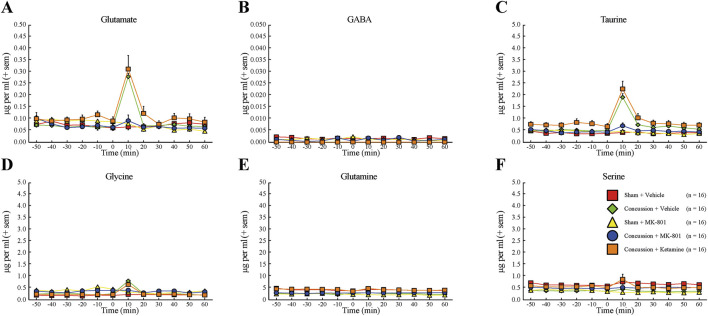 Figure 5
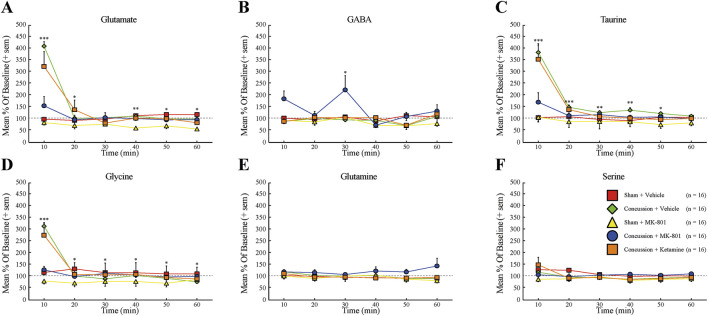 Figure 6
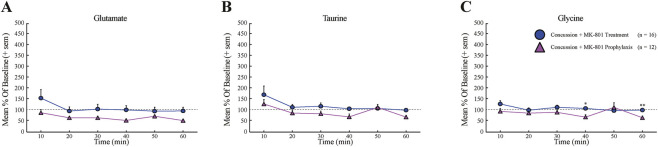 Figure 7
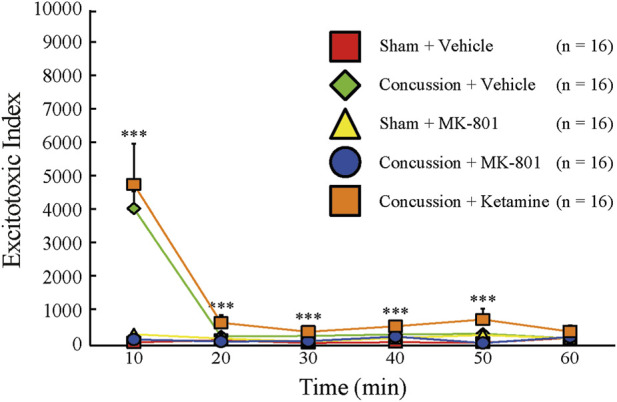 Figure 8
Peer Reviews
No public reviews on file for this paper yet. If you reviewed it on a platform where reviews are public (OpenReview, ICLR, NeurIPS, ICML), you can paste yours below so the community can read it here.
Videos
No videos yet. Explain this paper in a talk, walkthrough, or lecture? Add one.
Taxonomy
TopicsAnesthesia and Neurotoxicity Research · Neuroscience and Neuropharmacology Research · Traumatic Brain Injury Research