Diabetes and postoperative cognitive dysfunction and delirium in adults: mechanisms, biomarkers, and clinical management
Abdulrahman Khaled Alwesabi, Yuhu Ma, Boxiong Gao, Jinxiang Xie, Ji chengying, Su Xiaodong, Qian Fu, Ying Liu, Qijing Liu, Jiayi Xie, Bokang Yang, Chaohui Gao, Yatao Liu

TL;DR
Diabetic patients are more likely to experience cognitive issues after surgery, and managing blood sugar and using biomarkers may help reduce these risks.
Contribution
The paper reviews mechanisms linking diabetes to postoperative cognitive dysfunction and delirium, emphasizing the need for integrated diagnostic and management strategies.
Findings
Diabetic patients show increased susceptibility to postoperative cognitive dysfunction and delirium due to hyperglycemia and inflammation.
Current tools for assessing cognitive changes are insufficient, highlighting the need for combined biomarker and clinical approaches.
Tight blood sugar control and cognitive rehabilitation may help reduce postoperative cognitive complications in diabetic patients.
Abstract
Postoperative cognitive dysfunction (POCD) and postoperative delirium (POD) are common perioperative neurocognitive disorders, particularly affecting individuals with diabetes, who show a disproportionately higher susceptibility. Diabetic patients are at higher risk due to blood sugar fluctuations, vascular changes, and inflammation that can affect brain function. This review explores how diabetes contributes to POCD and POD, the role of biomarkers in identifying those at risk, and strategies to prevent and manage these complications. A thorough analysis of current studies highlights that factors such as hyperglycemia, glycemic variability, and diabetes-related complications significantly increase the likelihood of cognitive problems after surgery. While several tools exist to assess cognition and delirium, none reliably detect early changes on their own, underscoring the need for…
Genes, proteins, chemicals, diseases, species, mutations and cell lines named across the full text — each resolved to its canonical identifier and authoritative record.
Click any figure to enlarge with its caption.
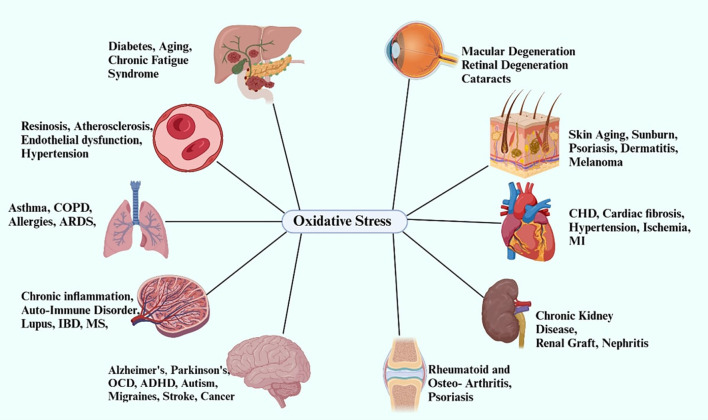 Figure 1
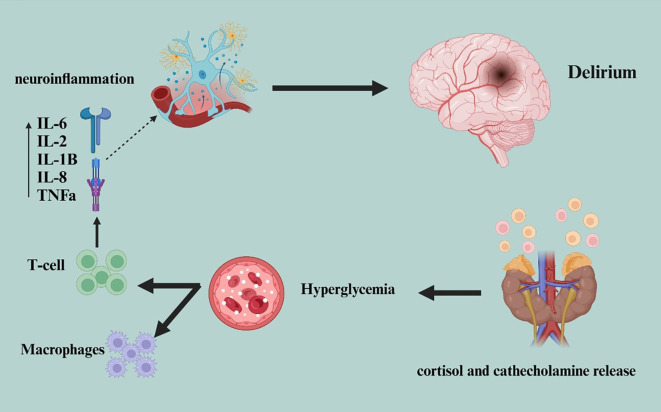 Figure 2
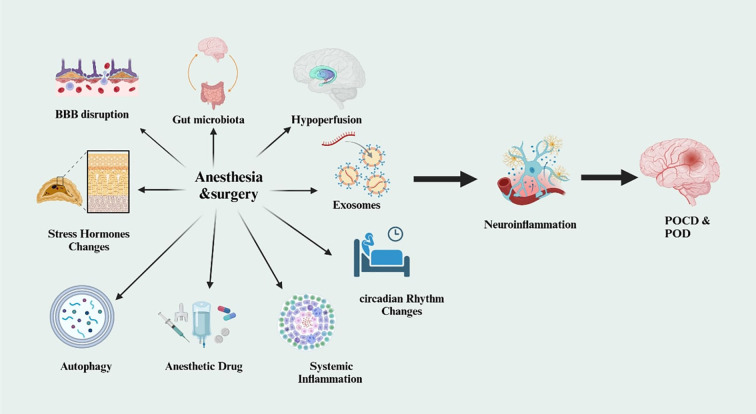 Figure 3
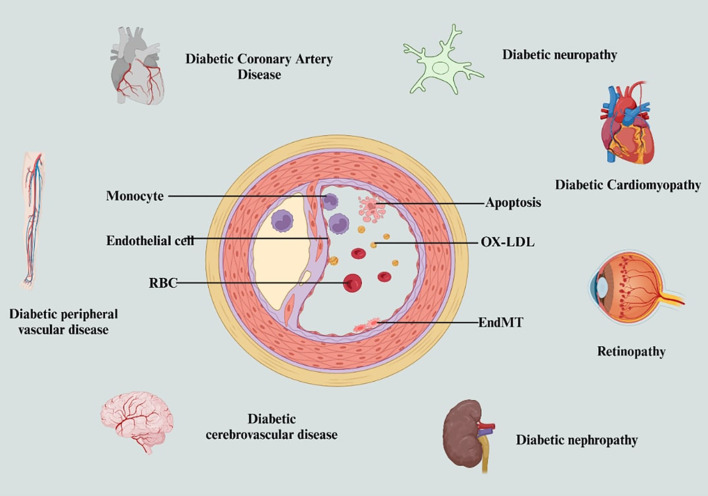 Figure 4
Peer Reviews
No public reviews on file for this paper yet. If you reviewed it on a platform where reviews are public (OpenReview, ICLR, NeurIPS, ICML), you can paste yours below so the community can read it here.
Videos
No videos yet. Explain this paper in a talk, walkthrough, or lecture? Add one.
Taxonomy
TopicsIntensive Care Unit Cognitive Disorders · Hyperglycemia and glycemic control in critically ill and hospitalized patients · Enhanced Recovery After Surgery