The interaction between sarcoplasmic reticulum and mitochondria: a novel mechanism for cardiac arrhythmia
Zhongyang Yu, Meng Zhao, Hongyue Xu, Ji Sun, Xiaoxing Jin

TL;DR
This paper explores a new mechanism involving communication between the sarcoplasmic reticulum and mitochondria that may contribute to cardiac arrhythmias.
Contribution
The paper introduces the sarcoplasmic reticulum-mitochondria interaction as a novel, distinct pathway in arrhythmogenesis.
Findings
Sarcoplasmic reticulum-mitochondria communication regulates Ca2+ transfer and cell-death signaling.
This interaction may amplify the development of cardiac arrhythmias independently of traditional mechanisms.
Abstract
Cardiovascular diseases are a major cause of morbidity and mortality worldwide. Cardiac arrhythmias, especially fatal ventricular arrhythmias, are highly harmful to patients and can even lead to sudden death. While electrical and structural remodeling of myocardial tissue represent the mainstream mechanisms underlying arrhythmogenesis, there is a critical need to explore novel perspectives. This review focuses on the communication between the sarcoplasmic reticulum and mitochondria as an independent mechanistic lens. We detail how this specific interaction governs Ca2+ transfer and cell-death signaling, positioning it as a potentially pivotal, distinct pathway that contributes to and amplifies the development of cardiac arrhythmias.
Genes, proteins, chemicals, diseases, species, mutations and cell lines named across the full text — each resolved to its canonical identifier and authoritative record.
Click any figure to enlarge with its caption.
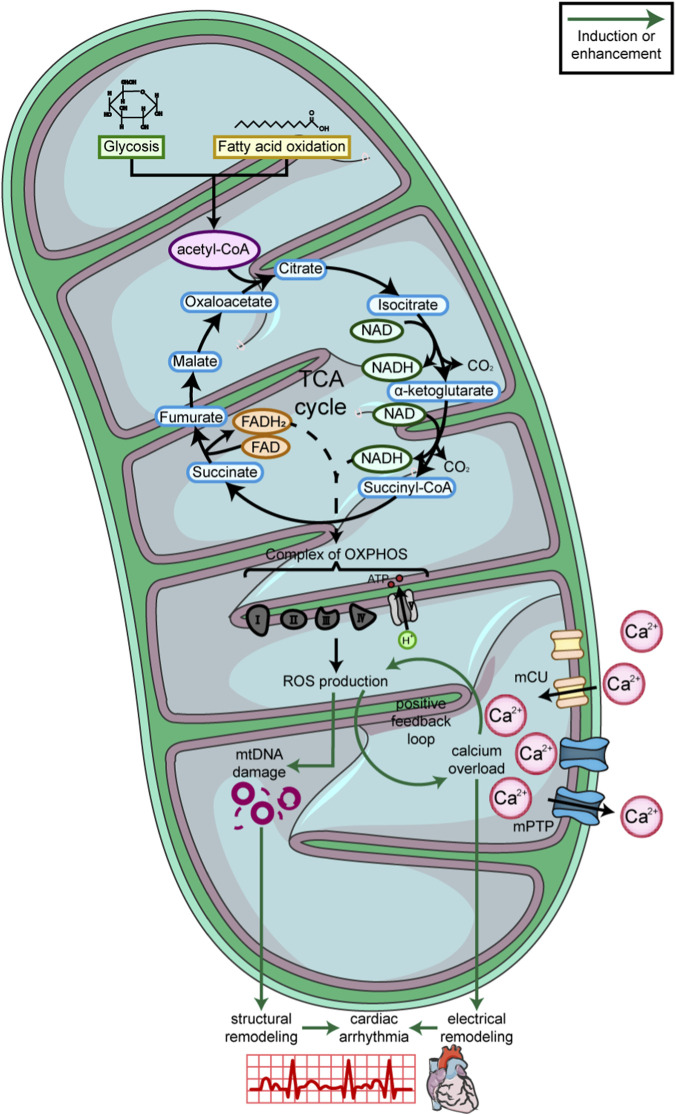 Figure 1
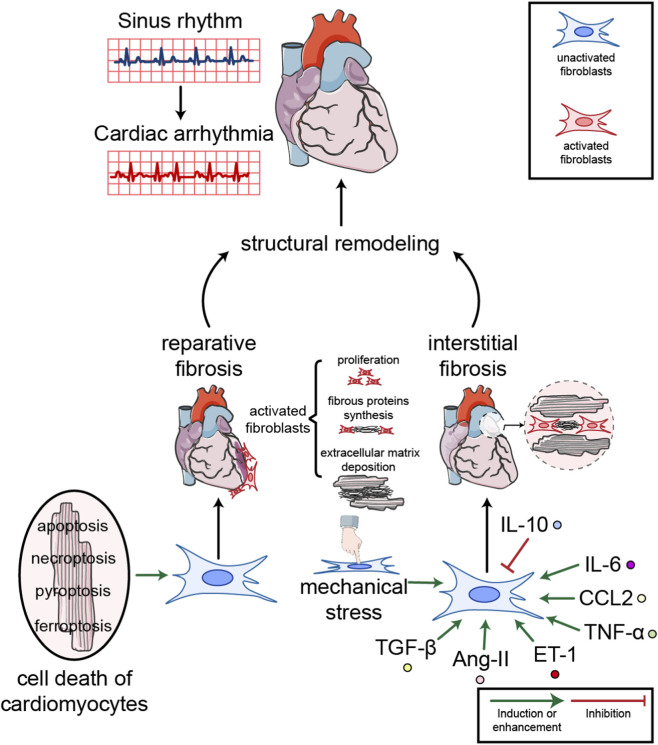 Figure 2
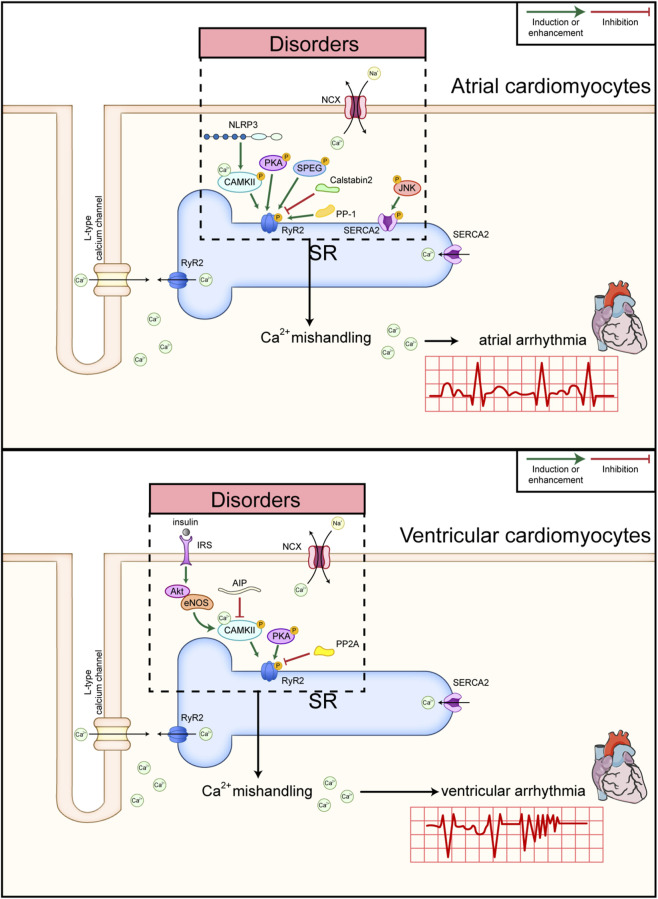 Figure 3
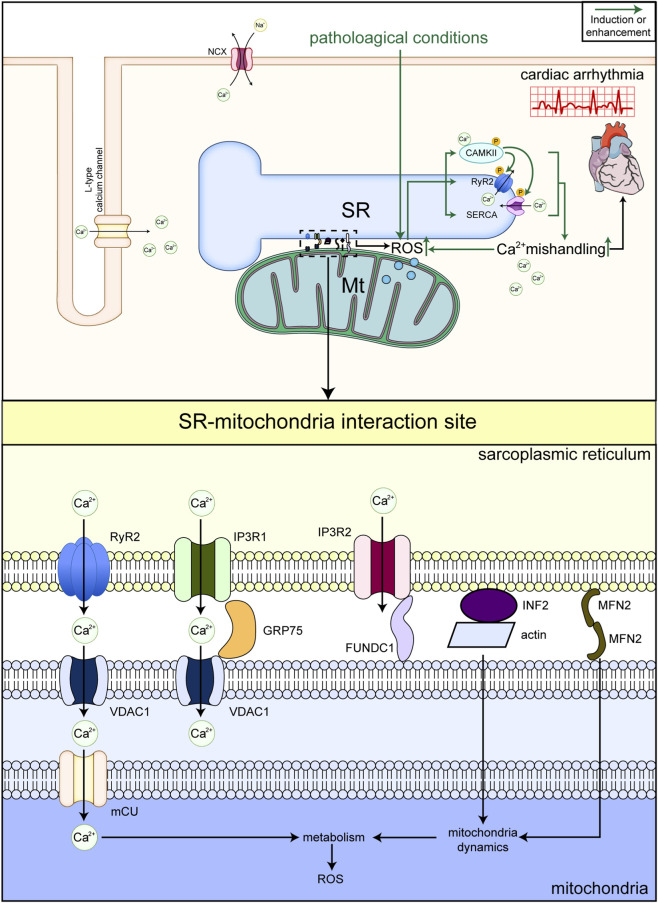 Figure 4
Peer Reviews
No public reviews on file for this paper yet. If you reviewed it on a platform where reviews are public (OpenReview, ICLR, NeurIPS, ICML), you can paste yours below so the community can read it here.
Videos
No videos yet. Explain this paper in a talk, walkthrough, or lecture? Add one.
Taxonomy
TopicsCardiac electrophysiology and arrhythmias · Mitochondrial Function and Pathology · Cell death mechanisms and regulation