Presence of neutrophil extracellular traps (NETs) in different types of human urinary tract infections (UTI). A pilot study
Lena Schröder Alvarez, Iván Conejeros, Gabriel Espinosa, Constanza Salinas-Varas, Benjamin Ott, Markus Weigel, Can Imirzalioglu, Moritz Fritzenwanker, Anita C. Windhorst, Torsten Hain, Anja Taubert, Carlos Hermosilla, Florian Wagenlehner

TL;DR
This pilot study found that neutrophil extracellular traps (NETs) are present in urine samples from various types of urinary tract infections, suggesting a potential role in infection pathology.
Contribution
The study is one of the first to systematically detect and characterize NETs in different human urinary tract infection types.
Findings
NETs were significantly more prevalent in UTI patients compared to healthy controls.
Three distinct NET phenotypes were identified in UTI samples.
NET-associated proteins were present in UTI groups but absent in controls.
Abstract
Activated polymorphonuclear neutrophils (PMN) release neutrophil extracellular traps (NETs) composed of a web-like DNA core, concomitant with nuclear histones, granular peptides and enzymes. NETs in human urine and their potential role in human urinary tract infections (UTI) pathogenesis is still understudied. This pilot study aimed to analyze presence of NETs in urine samples of patients with different types of UTI. Urine and blood samples were collected from three cohorts: group (A) included females (n = 24) with cystitis (n = 10), pyelonephritis (n = 6), and asymptomatic bacteriuria (n = 8); group (B) composed of males with catheter-associated UTI (n = 20) and a control group (C) consisting of healthy patients of mixed gender (n = 20). NETs in urine samples were confirmed by immunofluorescence-based detection of neutrophil elastase and citrullinated histone. The presence of granular…
Genes, proteins, chemicals, diseases, species, mutations and cell lines named across the full text — each resolved to its canonical identifier and authoritative record.
Click any figure to enlarge with its caption.
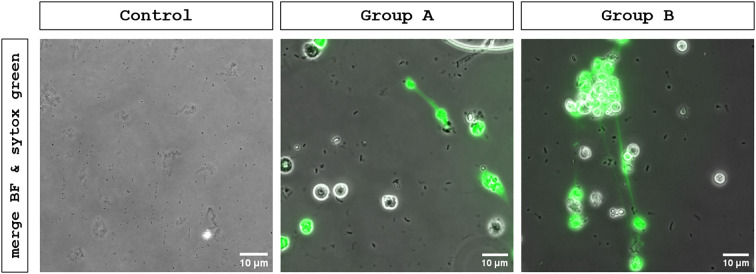 Figure 1
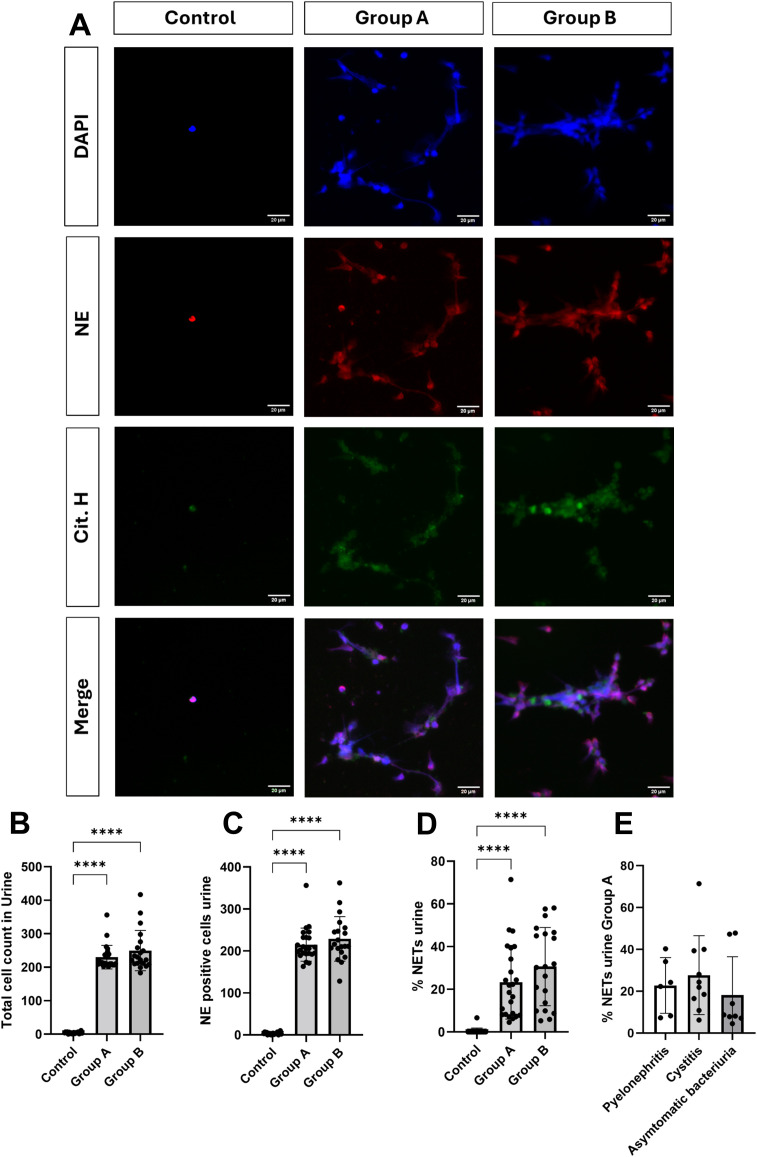 Figure 2
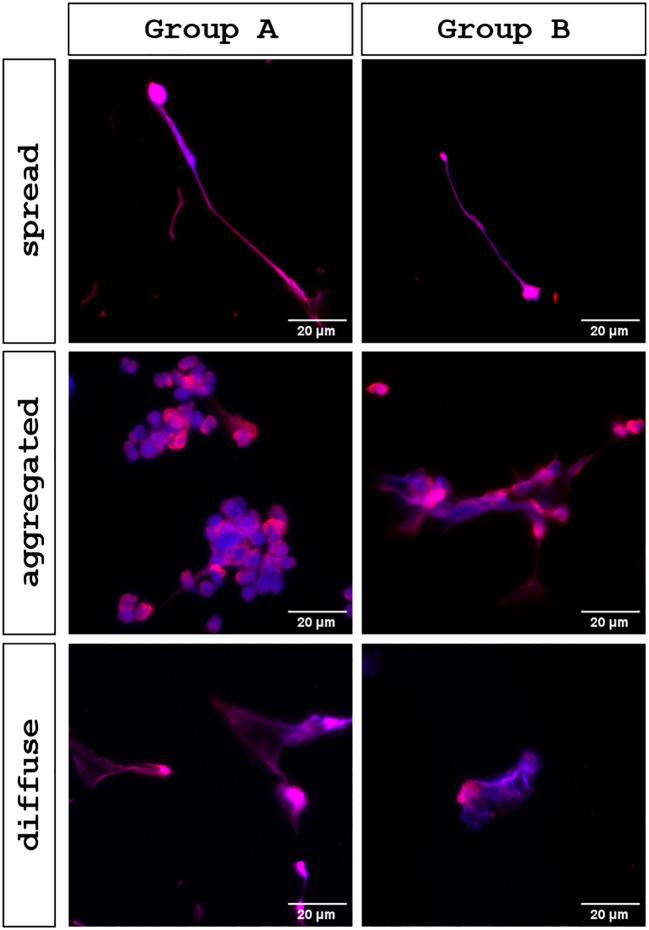 Figure 3
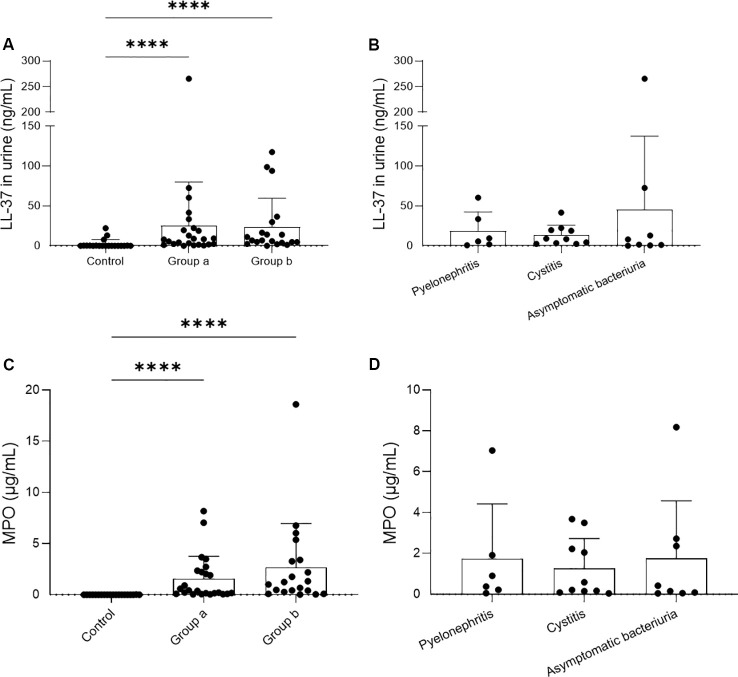 Figure 4
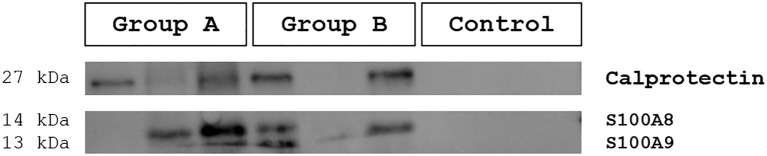 Figure 5
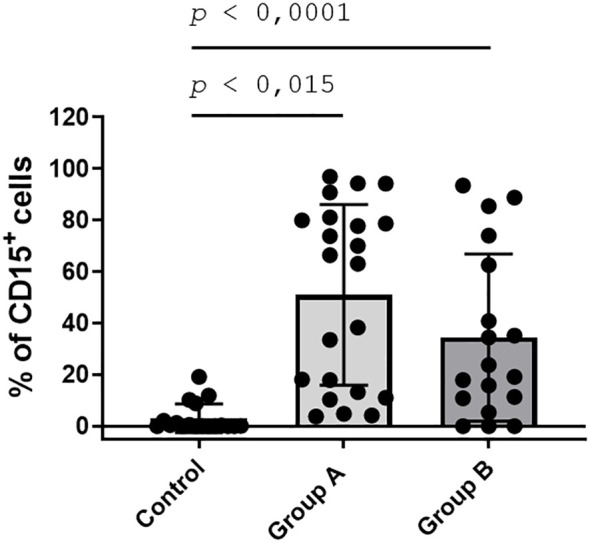 Figure 6
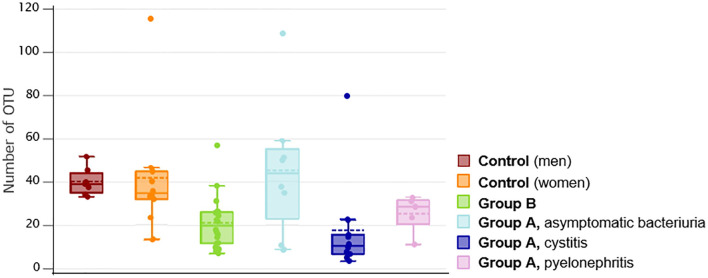 Figure 7
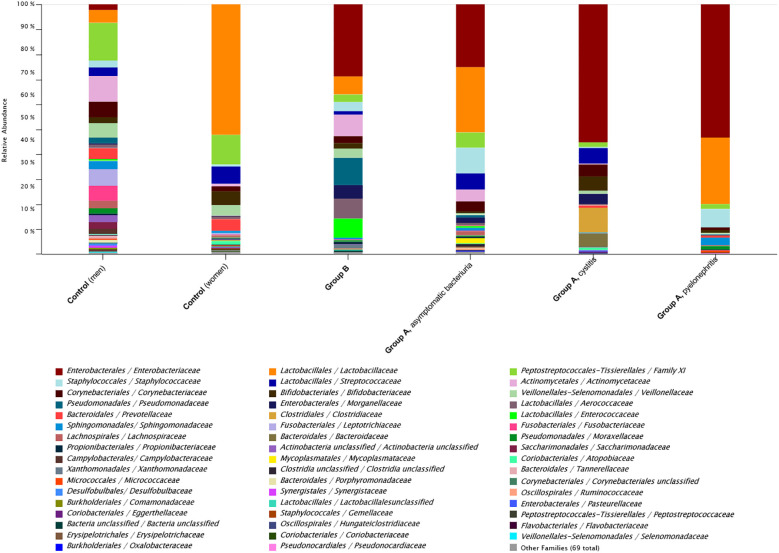 Figure 8
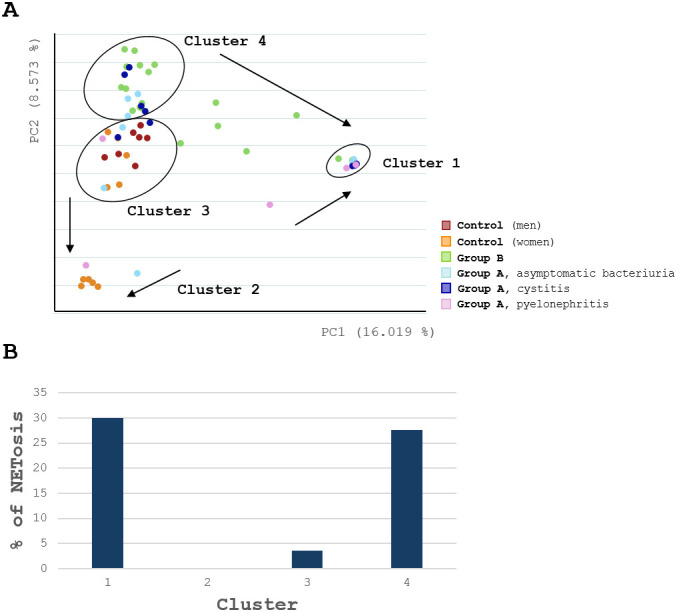 Figure 9
Peer Reviews
No public reviews on file for this paper yet. If you reviewed it on a platform where reviews are public (OpenReview, ICLR, NeurIPS, ICML), you can paste yours below so the community can read it here.
Videos
No videos yet. Explain this paper in a talk, walkthrough, or lecture? Add one.
Taxonomy
TopicsNeutrophil, Myeloperoxidase and Oxidative Mechanisms · Neonatal and Maternal Infections · Urinary Tract Infections Management