Pancreatic cancer complicated with a giant peritoneal loose body: case report and literature review
Runjie Hou, Mingyue Du, Jing Guo, Kaimeng Wang, Yuan Zhang, Yilong Wang, Pengcheng Liu, Fei Guo, Jijun Wang

TL;DR
This case report describes a rare occurrence of a giant peritoneal loose body in a patient with pancreatic cancer and reviews 32 similar cases to improve clinical understanding.
Contribution
The paper presents a new hypothesis about the role of liver and kidney function in the growth of giant peritoneal loose bodies.
Findings
A giant peritoneal loose body was found in a patient with pancreatic head cancer.
Abnormal liver and kidney function may accelerate the growth of giant peritoneal loose bodies.
Surgical removal, preferably via laparoscopy, is recommended regardless of symptoms.
Abstract
This paper reports a case of an 82-year-old male with a giant peritoneal loose body (GPLB) complicated by pancreatic head cancer. The patient was admitted for upper abdominal pain and jaundice. CT revealed a 5.5 × 5.6 cm oval low-density mass on the right side of the pelvis with a central high-density calcified focus, initially diagnosed as a gastrointestinal stromal tumor. During surgery, a yellow free mass measuring 6 × 6 × 5 cm was found in the pelvic cavity; pathology confirmed that it was a peritoneal loose body. Grossly, it was yellow and ovoid, with central calcification on the cut surface; microscopically, necrotic adipose tissue and hyalinized collagen fibers were visible. Meanwhile, we comprehensively reviewed and analyzed 32 previously reported cases of GPLB, summarizing the disease characteristics, clinical manifestations, formation mechanisms, diagnostic approaches, and…
Genes, proteins, chemicals, diseases, species, mutations and cell lines named across the full text — each resolved to its canonical identifier and authoritative record.
Click any figure to enlarge with its caption.
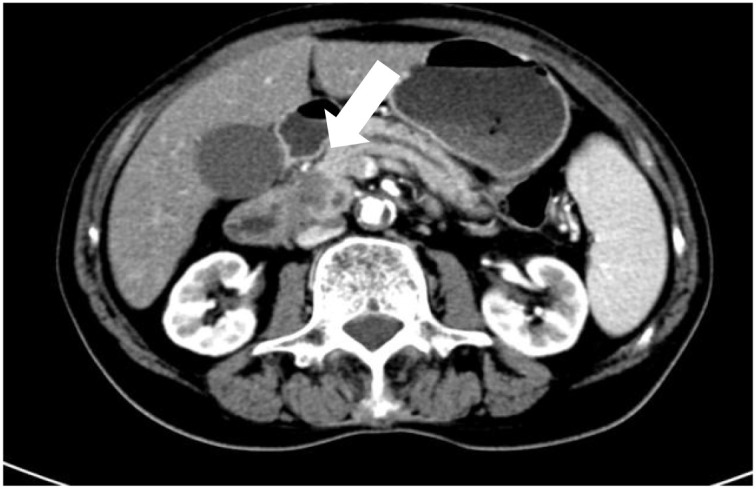 Figure 1
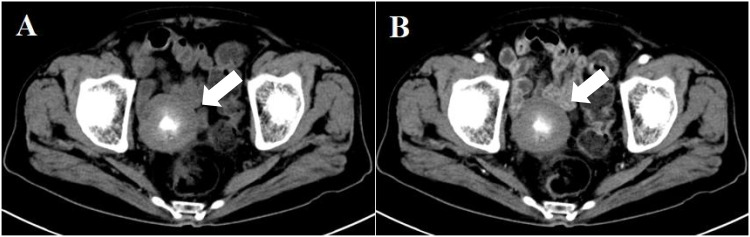 Figure 2
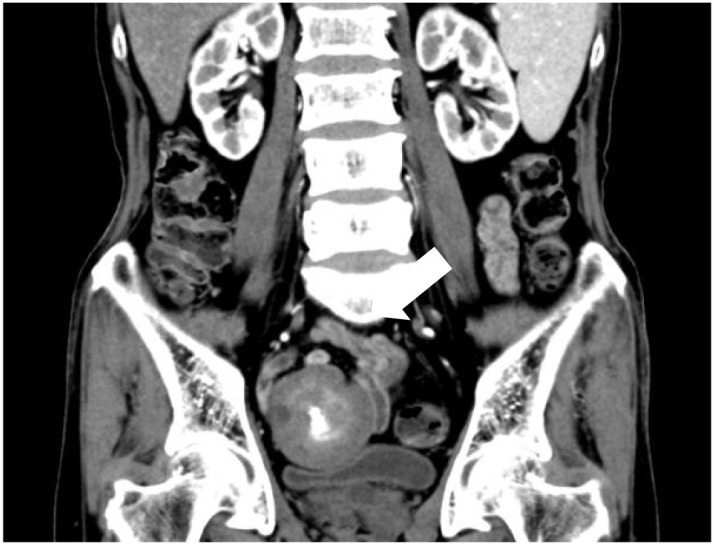 Figure 3
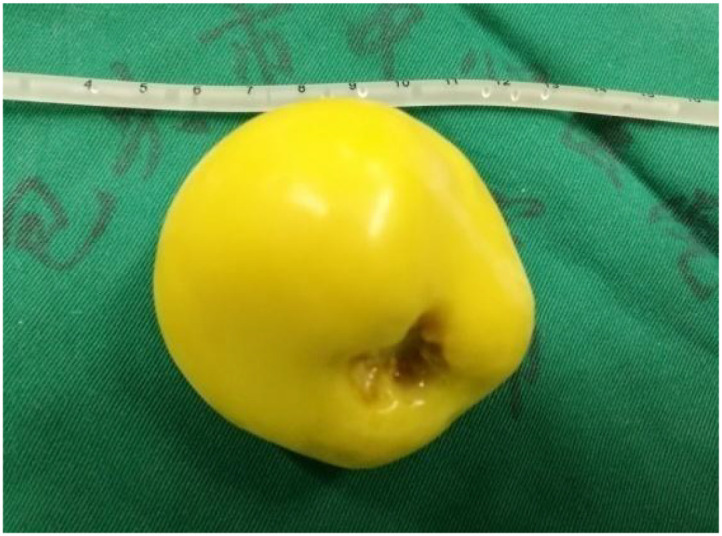 Figure 4
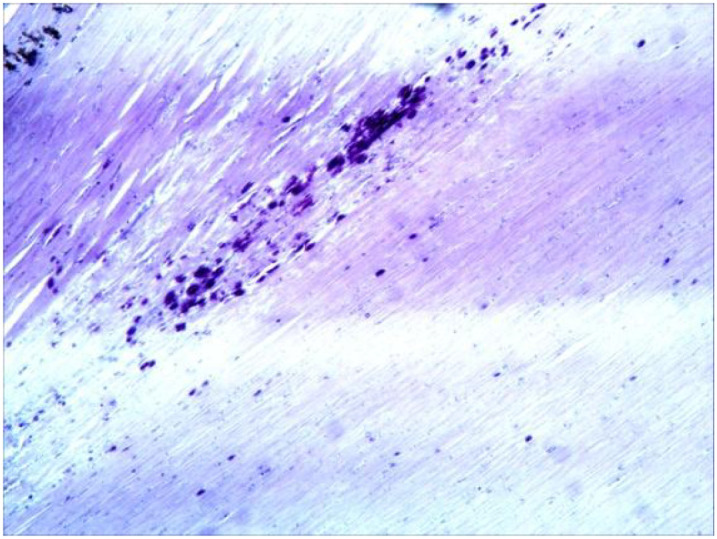 Figure 5
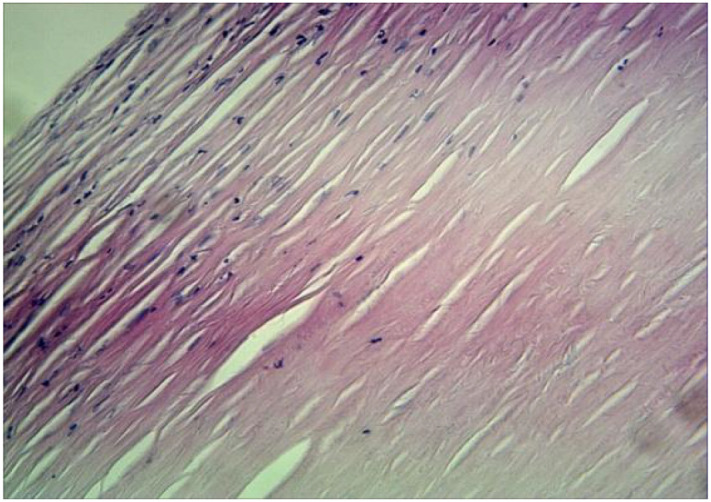 Figure 6
Peer Reviews
No public reviews on file for this paper yet. If you reviewed it on a platform where reviews are public (OpenReview, ICLR, NeurIPS, ICML), you can paste yours below so the community can read it here.
Videos
No videos yet. Explain this paper in a talk, walkthrough, or lecture? Add one.
Taxonomy
TopicsOmental and Epiploic Conditions · Dermatological and Skeletal Disorders · Case Reports on Hematomas