Catalpol mitigates rheumatoid arthritis by targeting neutrophil extracellular trap release
Chaoding Li, Liping Wang, Qianyu Li, Wenjie Zhao, Zhengguang Hui, Zhen Zhang, Lu Zhao

TL;DR
Catalpol reduces rheumatoid arthritis symptoms by inhibiting neutrophil extracellular trap formation, which helps protect joints and reduce inflammation.
Contribution
Catalpol is shown to target PAD4-mediated NETosis, offering a novel therapeutic approach for rheumatoid arthritis.
Findings
Catalpol reduced joint swelling, bone erosion, and cartilage degradation in a mouse model of rheumatoid arthritis.
Catalpol inhibited NET formation and pro-inflammatory cytokines in both in vivo and in vitro experiments.
Transcriptomic and mechanistic analyses revealed that Catalpol suppresses PAD4 expression, a key driver of NETosis.
Abstract
Rheumatoid arthritis (RA) is a chronic autoimmune disorder characterized by persistent synovial inflammation, progressive joint damage, and systemic manifestations. Current therapies, including NSAIDs, DMARDs, and biologics, face limitations such as side effects and high costs. Neutrophil extracellular traps (NETs), driven by peptidylarginine deiminase 4 (PAD4), play a pivotal role in RA pathogenesis by promoting inflammation and cartilage degradation. Catalpol (CAT), an iridoid glycoside known for its anti-inflammatory properties, exhibits therapeutic promise through targeting NET-related mechanisms. A collagen-induced arthritis (CIA) model was established in male DBA/1 mice. Mice were treated with CAT (30 mg/kg) or vehicle. Joint damage was assessed via micro-CT and histological staining (H&E, Safranin O, Toluidine Blue). NETs and inflammatory markers were analyzed by…
Genes, proteins, chemicals, diseases, species, mutations and cell lines named across the full text — each resolved to its canonical identifier and authoritative record.
Click any figure to enlarge with its caption.
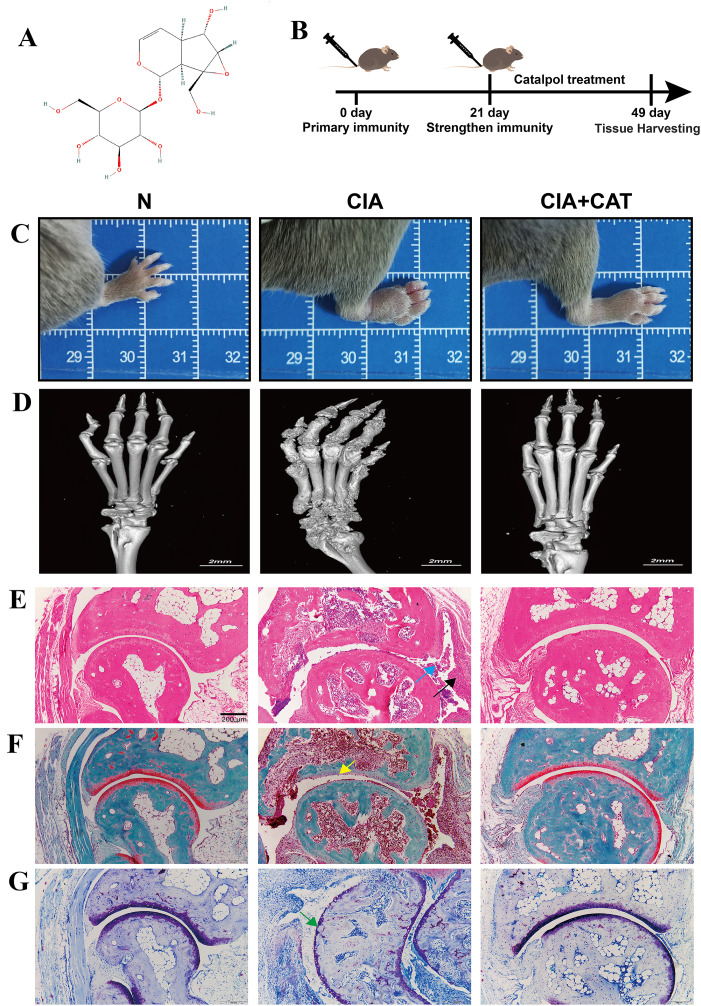 Figure 1
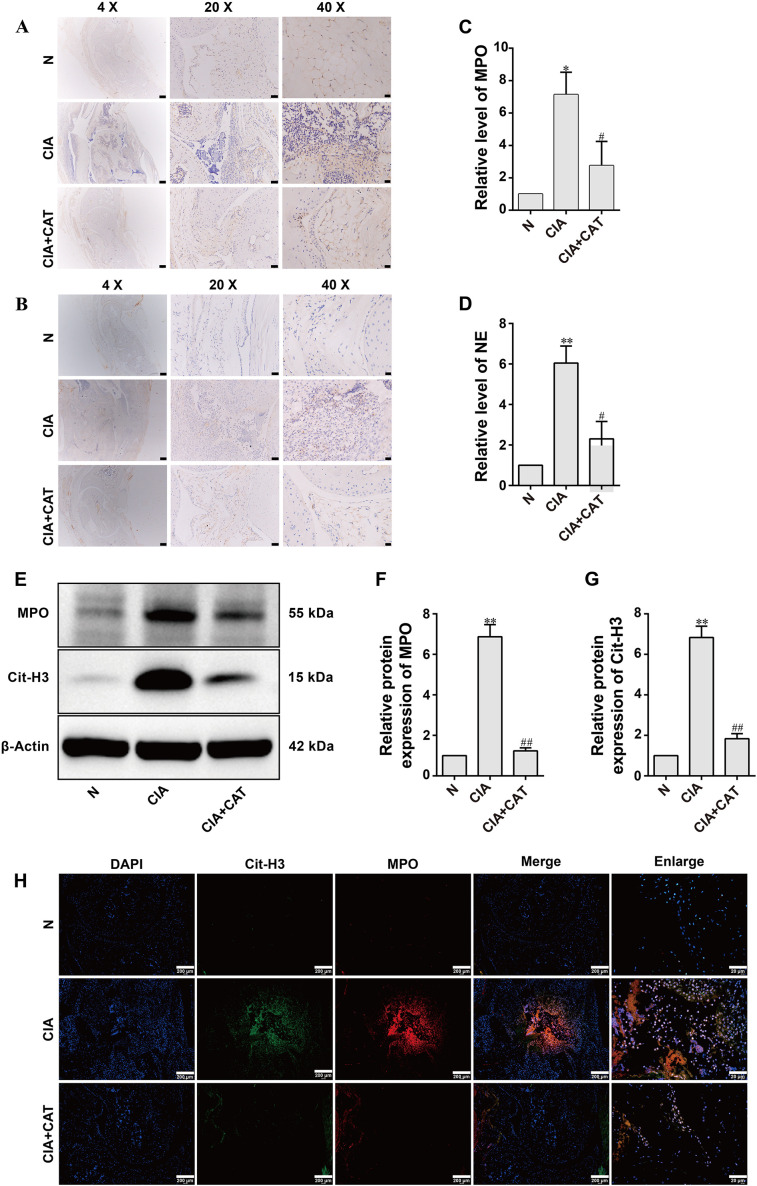 Figure 2
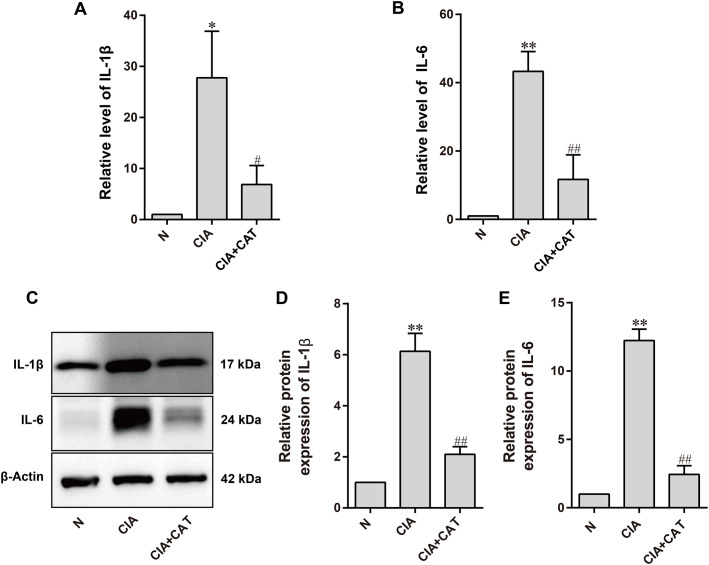 Figure 3
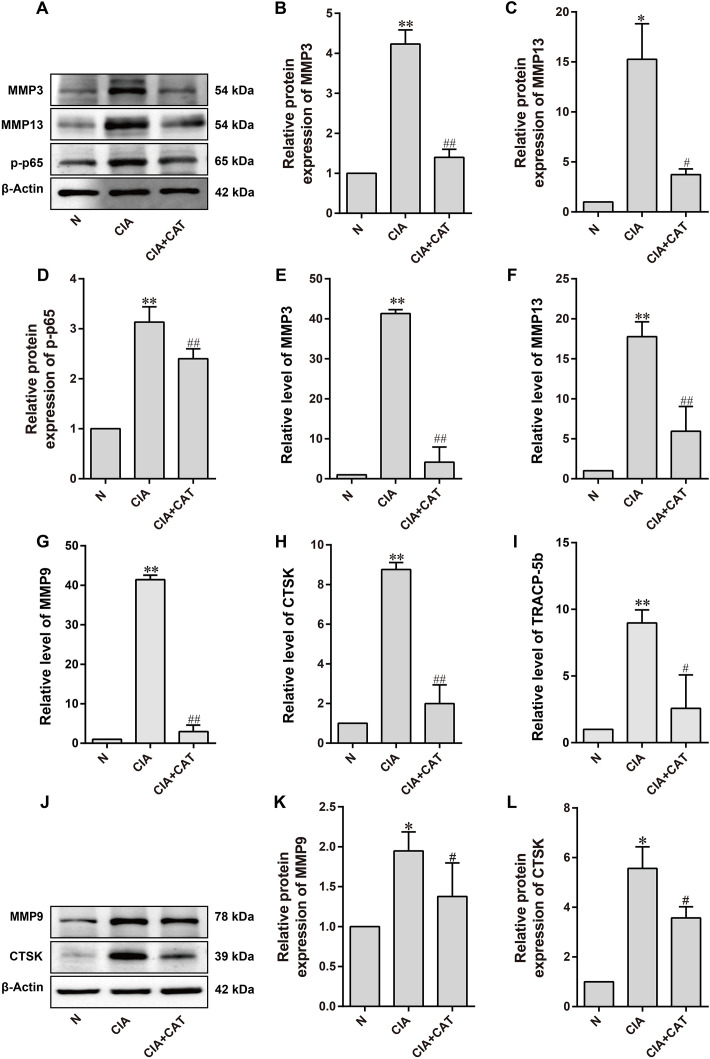 Figure 4
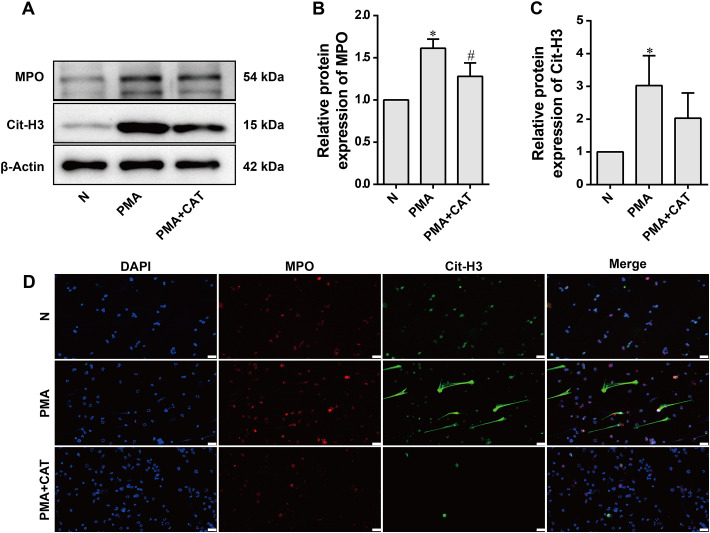 Figure 5
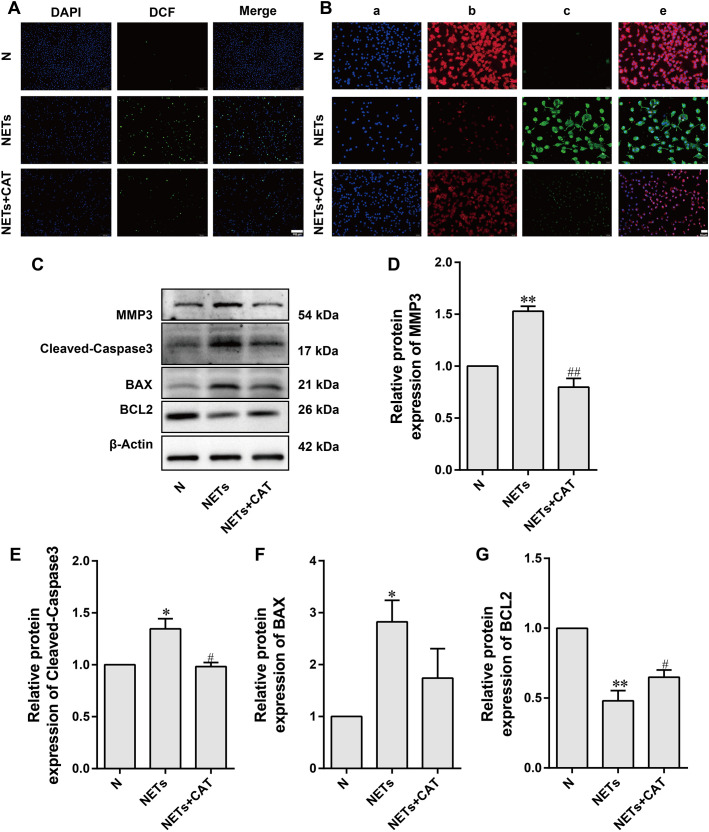 Figure 6
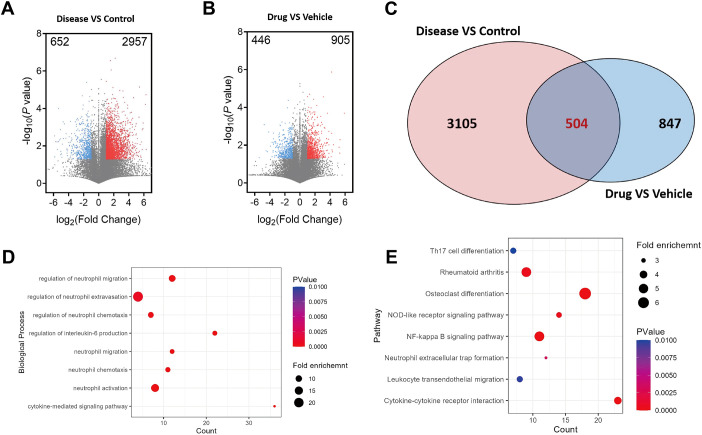 Figure 7
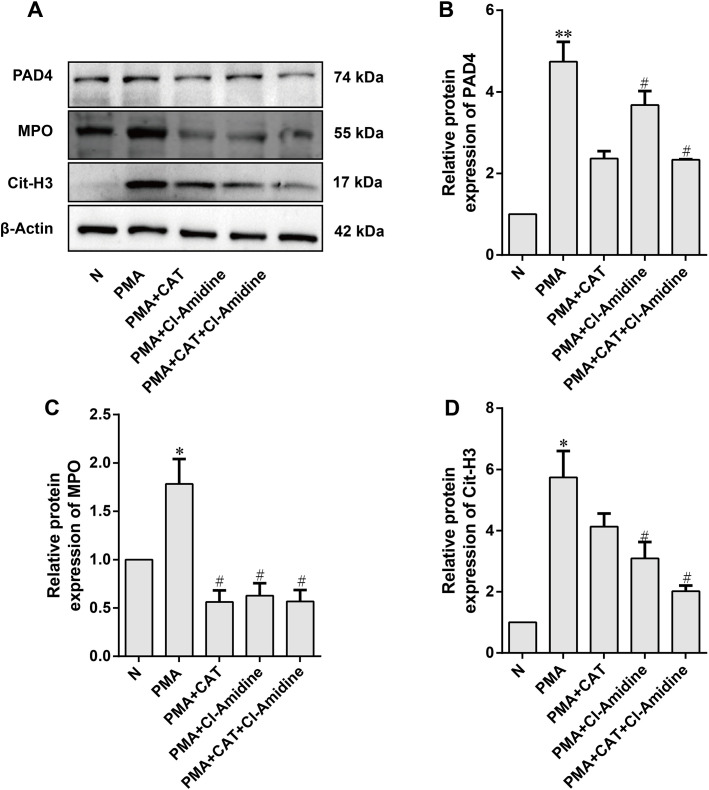 Figure 8
Peer Reviews
No public reviews on file for this paper yet. If you reviewed it on a platform where reviews are public (OpenReview, ICLR, NeurIPS, ICML), you can paste yours below so the community can read it here.
Videos
No videos yet. Explain this paper in a talk, walkthrough, or lecture? Add one.
Taxonomy
TopicsNeutrophil, Myeloperoxidase and Oxidative Mechanisms · Rheumatoid Arthritis Research and Therapies · Phytochemistry and Biological Activities