Sustained abnormal bilirubin and leukocyte levels after ERCP with acute suppurative obstructive cholangitis: a case report with 2 months follow-up observation
Jie Zheng, Jiahao Mo, Jintang Xiong, Jiaming He, Lu Wang, Yan Chen

TL;DR
A patient had ongoing high bilirubin and white blood cell levels after ERCP, which were eventually linked to a liver fluke infection.
Contribution
Highlights the role of eosinophilia in diagnosing parasitic infections after ERCP when standard tests are negative.
Findings
Persistent hyperbilirubinemia and leukocytosis after ERCP were linked to an undiagnosed liver fluke infection.
Diagnostic treatment with albendazole led to normalization of blood markers.
Liver fluke detection in ENBD fluid and positive IgG confirmed the diagnosis.
Abstract
Acute Suppurative Obstructive Cholangitis (AOSC) typically resolves post-ERCP. However, a 53-year-old male had persistent hyperbilirubinemia and leukocytosis (WBC 28.12×10⁹/L) along with marked eosinophilia (20.26×10⁹/L) despite standard antibiotic therapy. Systematic diagnosis ruled out residual calculi, Endoscopic Nasobiliary Drainage (ENBD) dysfunction, biliary neoplasms, and sclerosing cholangitis. A history of undercooked freshwater fish consumption and eosinophilia prompted suspicion of occult liver fluke infection, despite negative initial stool tests. Diagnostic treatment with albendazole resulted in a decrease in WBC and eosinophil counts; subsequent detection of liver flukes in ENBD fluid and positive liver fluke IgG confirmed the diagnosis. At 2-month follow-up, all markers normalized. This case highlights the diagnostic value of eosinophilia in guiding the identification of…
Genes, proteins, chemicals, diseases, species, mutations and cell lines named across the full text — each resolved to its canonical identifier and authoritative record.
Click any figure to enlarge with its caption.
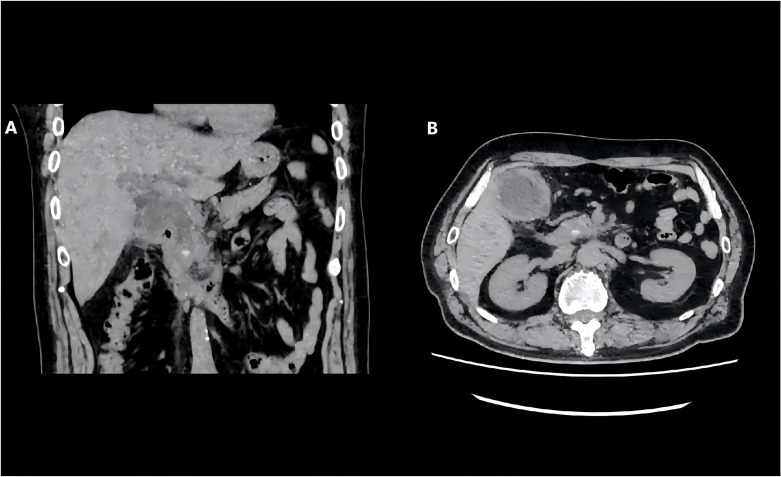 Figure 1
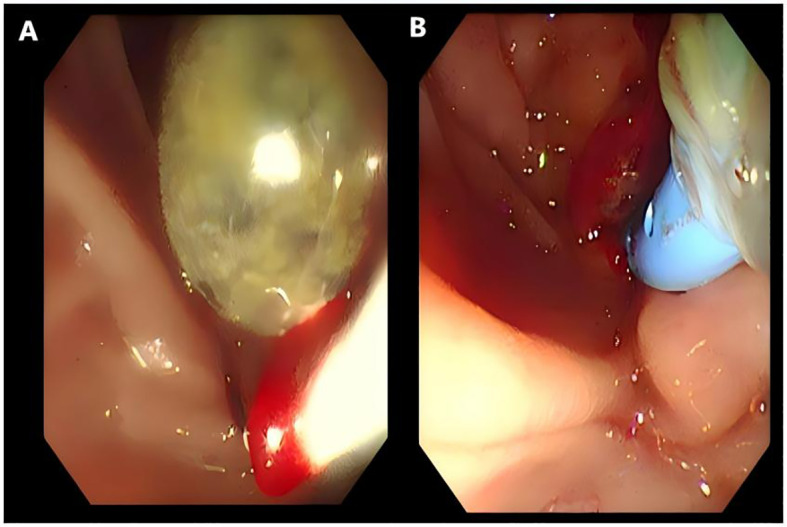 Figure 2
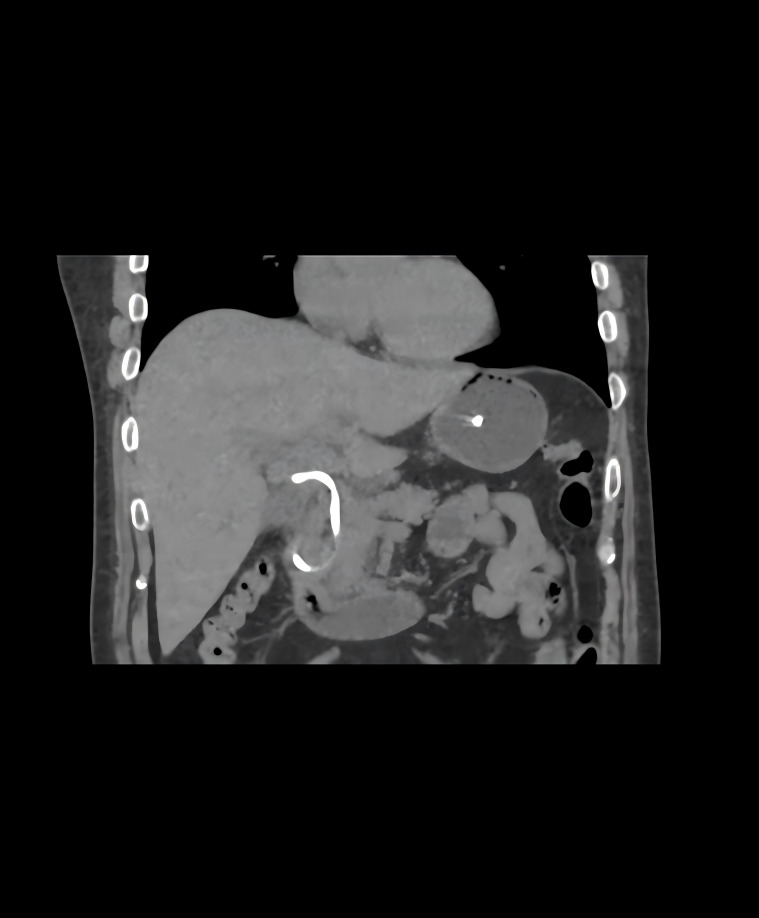 Figure 3
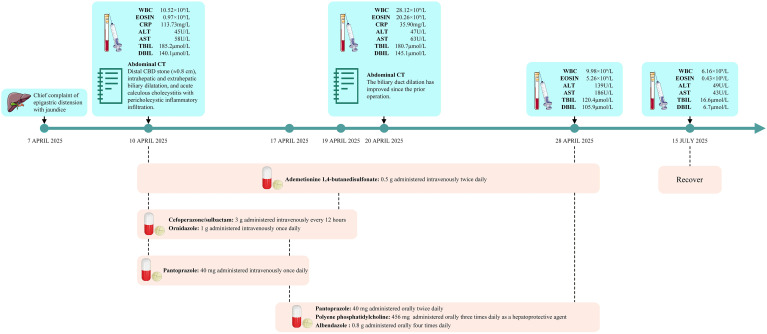 Figure 4
Peer Reviews
No public reviews on file for this paper yet. If you reviewed it on a platform where reviews are public (OpenReview, ICLR, NeurIPS, ICML), you can paste yours below so the community can read it here.
Videos
No videos yet. Explain this paper in a talk, walkthrough, or lecture? Add one.
Taxonomy
TopicsGallbladder and Bile Duct Disorders · Parasites and Host Interactions · Amoebic Infections and Treatments