Mitochondrial transplantation ameliorates experimental autoimmune encephalomyelitis by modulating the Th17/Treg balance and restoring metabolic homeostasis
A Ram Lee, Suh Won Yang, Seon-Yeong Lee, Su Been Jeon, Hye yeon Kang, Jeong Won Choi, Jin Hyung Park, Ju Hyeon Park, Su Bin Son, Yunju Jeong, Jung Hwan Lee, Woojun Kim, Mi-La Cho

TL;DR
Mitochondrial transplantation reduces symptoms of a mouse model of multiple sclerosis by improving immune balance and restoring cell energy.
Contribution
This study demonstrates that mitochondrial transplantation can modulate immune responses and restore metabolic function in experimental autoimmune encephalomyelitis.
Findings
Mitochondrial transplantation reduced EAE severity, inflammation, demyelination, and fibrosis in mice.
Treated mice showed increased Treg cells, reduced Th17 cells, and improved mitochondrial biogenesis.
Human PBMCs co-cultured with mitochondria showed enhanced ATP production and suppressed ROS.
Abstract
Mitochondrial dysfunction has been increasingly implicated in the pathogenesis of multiple sclerosis (MS), contributing to oxidative stress, immune dysregulation, and neurodegeneration. Current therapies primarily target inflammation but do not adequately address mitochondrial impairment or progressive tissue damage. This study aimed to evaluate the therapeutic potential of mitochondrial transplantation in experimental autoimmune encephalomyelitis (EAE), a murine model of MS, by investigating its effects on immune modulation, mitochondrial function, and tissue integrity. EAE was induced in mice using myelin oligodendrocyte glycoprotein. Isolated mitochondria were administered intravenously, and clinical progression, spinal cord histology, immune cell populations, mitochondrial activity, fibrosis, and gut microbiota composition were assessed. Additionally, human peripheral blood…
Genes, proteins, chemicals, diseases, species, mutations and cell lines named across the full text — each resolved to its canonical identifier and authoritative record.
Click any figure to enlarge with its caption.
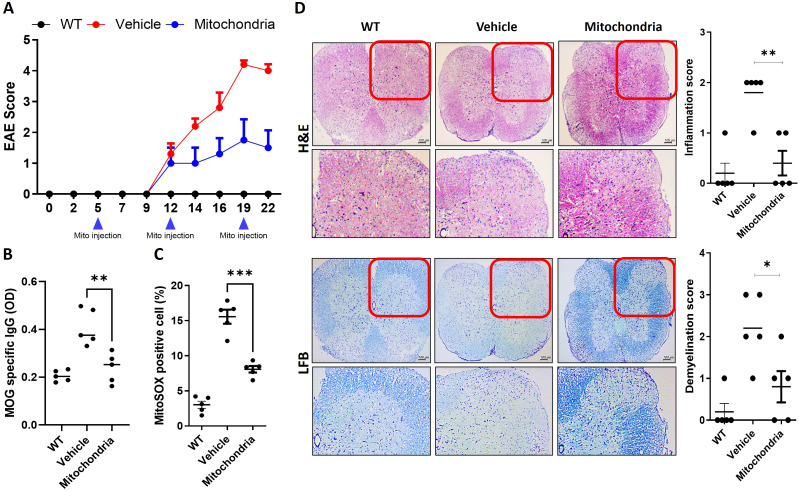 Figure 1
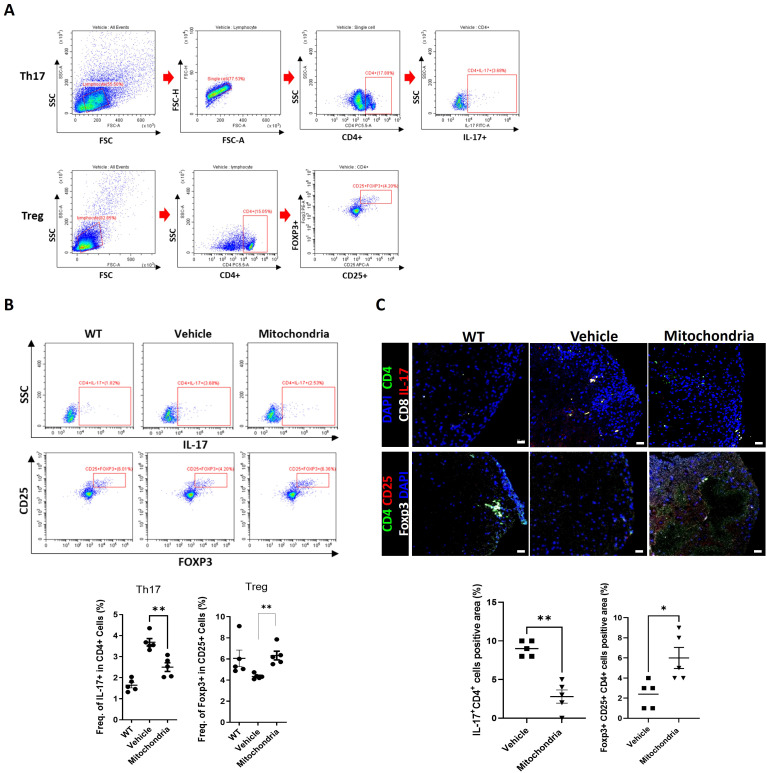 Figure 2
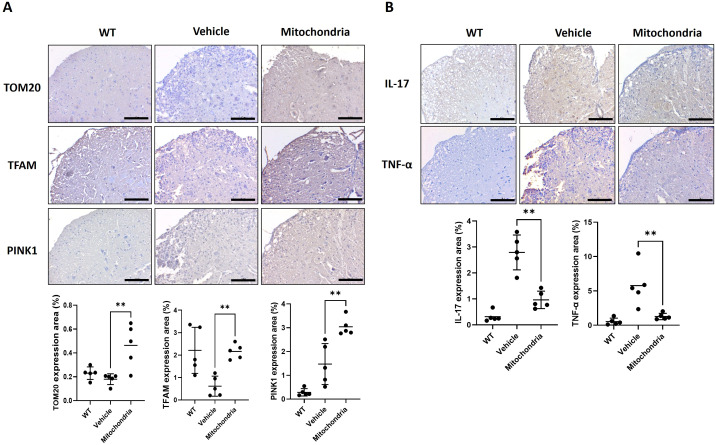 Figure 3
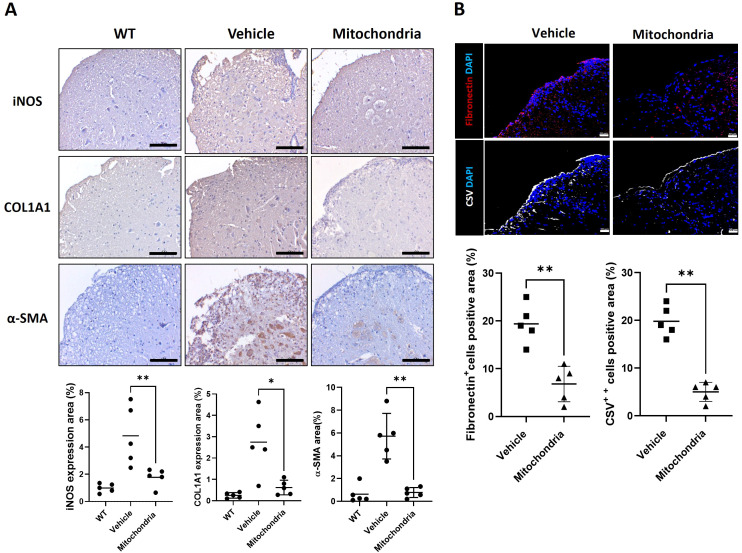 Figure 4
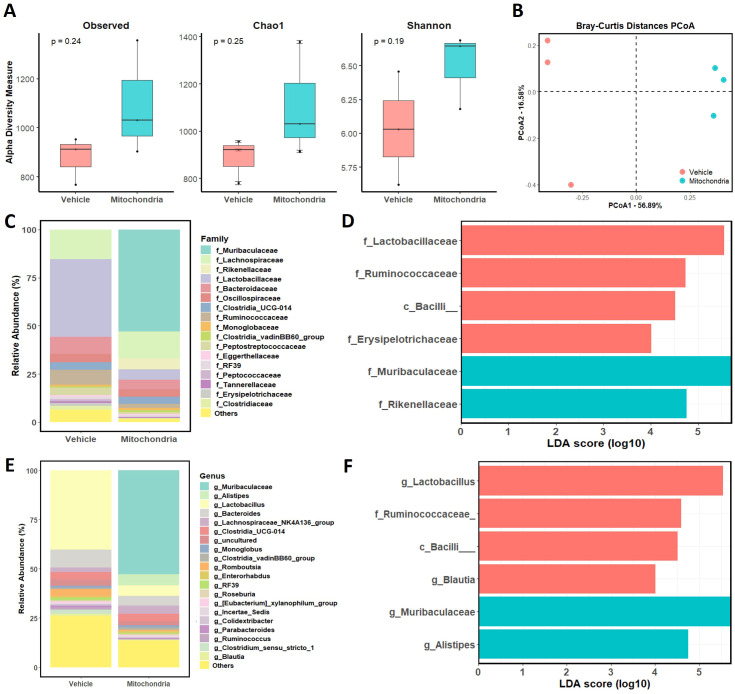 Figure 5
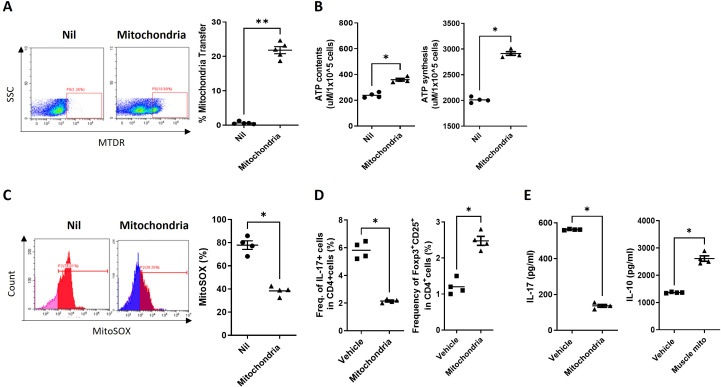 Figure 6
Peer Reviews
No public reviews on file for this paper yet. If you reviewed it on a platform where reviews are public (OpenReview, ICLR, NeurIPS, ICML), you can paste yours below so the community can read it here.
Videos
No videos yet. Explain this paper in a talk, walkthrough, or lecture? Add one.
Taxonomy
TopicsMitochondrial Function and Pathology · Multiple Sclerosis Research Studies · GDF15 and Related Biomarkers