The effect of centralized care on the management of postoperative fluctuations in plasma sodium concentration after pediatric suprasellar brain tumor surgery
S. C. Hulsmann, D. C. Zaal, J.P.J. van Gestel, M. Sie, O.H.J. Eelkman Rooda, K.M. van Baarsen, R.E.A. Musson, B. Bakker, E.E.S. Nieuwenhuis, E.W. Hoving, R.M. Wösten-van Asperen, H. M. van Santen

TL;DR
Centralizing pediatric brain tumor care in the Netherlands reduced dangerous sodium fluctuations after surgery, possibly due to better management of a hormone deficiency.
Contribution
This study shows that centralizing care improved postoperative sodium management in children with brain tumors.
Findings
Postoperative AVP-D occurred in 69.7% of patients, but sodium fluctuations were less severe after centralization.
Sodium fluctuations ≥10 mmol/L/24h decreased from 75.3% pre-centralization to 49.1% post-centralization.
Maximum sodium delta dropped from 46 mmol/L/24h pre-centralization to 14 mmol/L/24h in 2023.
Abstract
Children undergoing neurosurgery for (supra)sellar tumors are at risk of developing arginine vasopressin-deficiency (AVP-D), which can cause severe sodium fluctuations and associated neurological complications, prolonged hospitalization and mortality. A previous Dutch study reported sodium shifts ≥ 10 mmol/L/24 h in 75.3% of patients with early postoperative AVP-D, with a maximum delta of 46 mmol/L/24 h. Since 2018, pediatric oncology care has been centralized in the Netherlands. We evaluated the impact of this centralization on postoperative sodium fluctuations in children with (supra)sellar tumors. Data from all children who underwent neurosurgery for a (supra)sellar tumor at the Princess Máxima Centrum (Utrecht, the Netherlands) between January 2018 and December 2023 were retrospectively collected from electronic health records, including presence of preoperative AVP-D, plasma…
Genes, proteins, chemicals, diseases, species, mutations and cell lines named across the full text — each resolved to its canonical identifier and authoritative record.
Click any figure to enlarge with its caption.
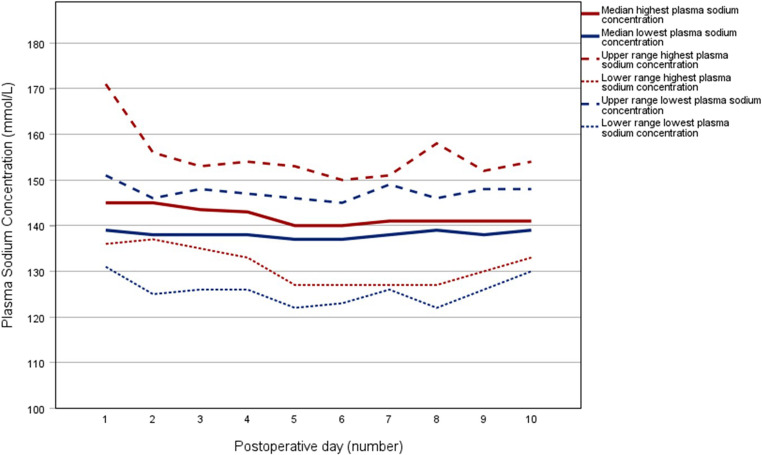 Figure 1
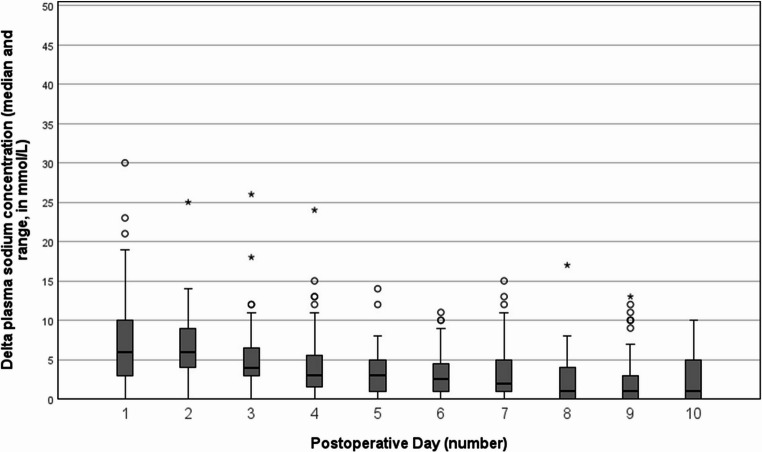 Figure 2
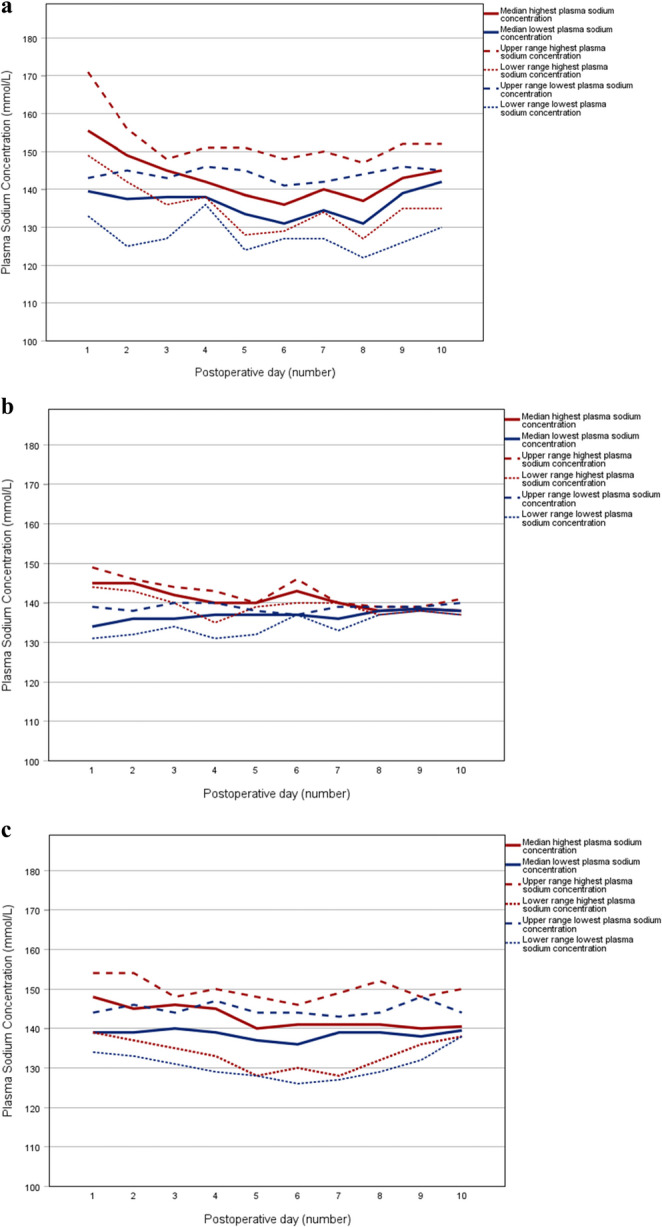 Figure 3
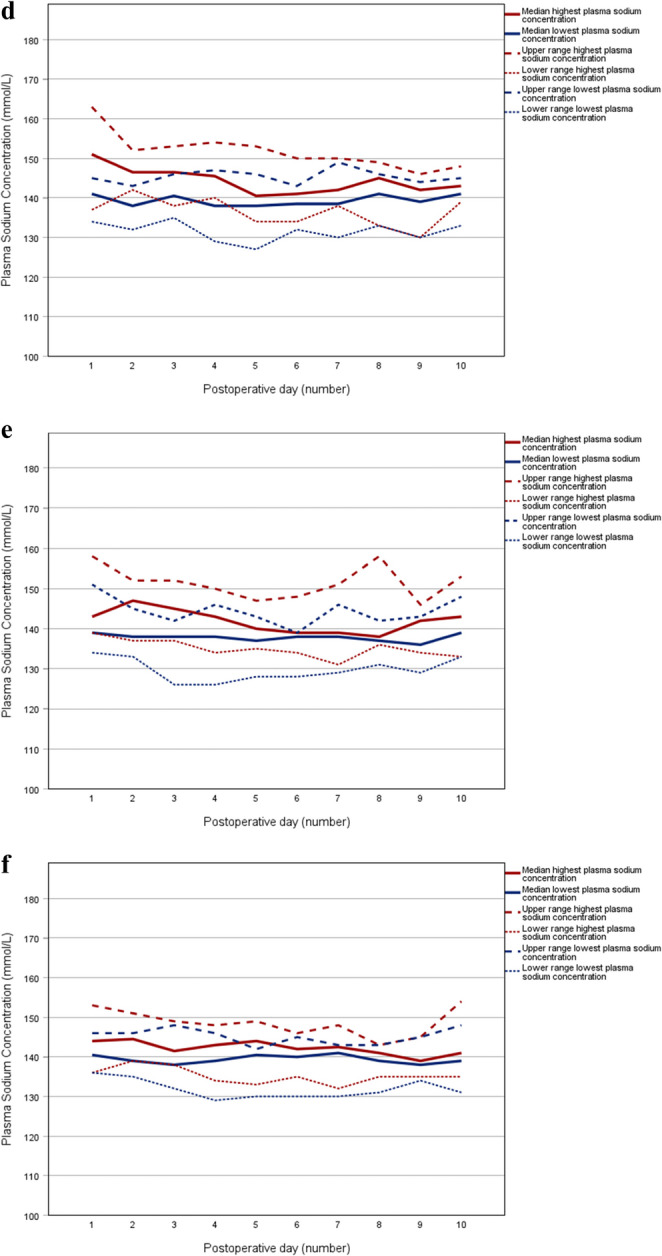 Figure 3
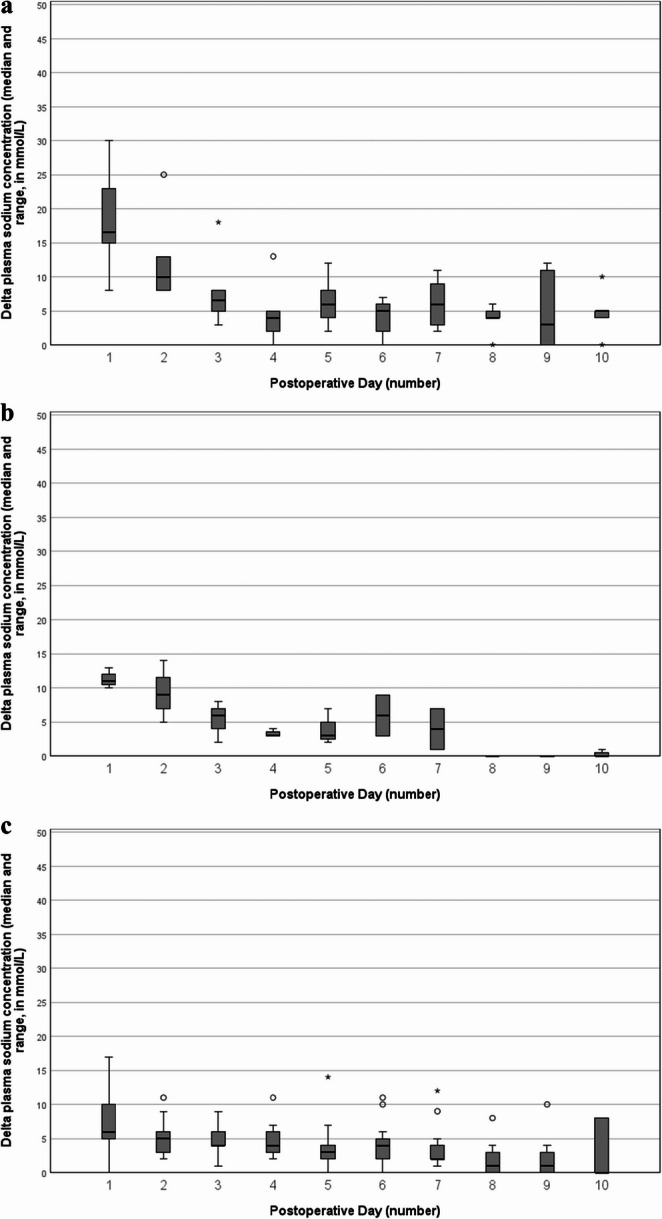 Figure 4
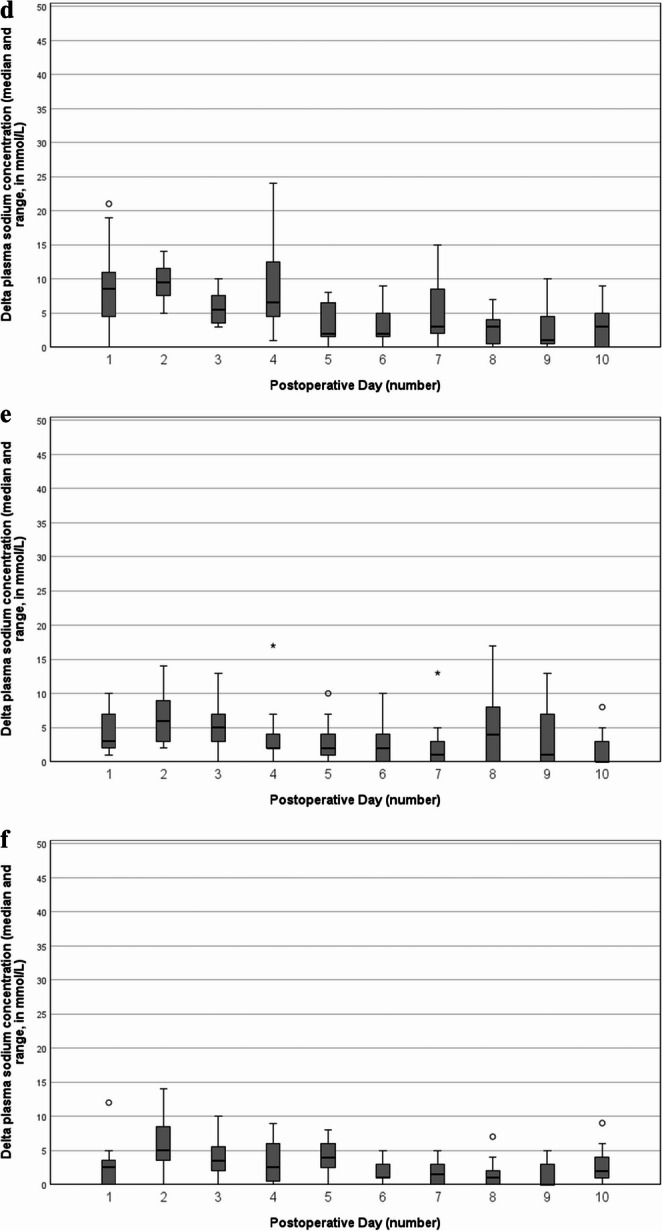 Figure 4
Peer Reviews
No public reviews on file for this paper yet. If you reviewed it on a platform where reviews are public (OpenReview, ICLR, NeurIPS, ICML), you can paste yours below so the community can read it here.
Videos
No videos yet. Explain this paper in a talk, walkthrough, or lecture? Add one.
Taxonomy
TopicsElectrolyte and hormonal disorders · Anesthesia and Neurotoxicity Research · Anesthesia and Sedative Agents