Oesophageal safety of high and very high power short duration pulmonary vein isolation: a randomized comparison of the 50 W and 90 W power settings—the HPSD oesophagus study
Ferenc Komlósi, Klaudia Vivien Nagy, Péter Perge, Zoltán Salló, István Osztheimer, Edit Tanai, Patrik Tóth, Gábor Orbán, Arnold-Béla Ferencz, Márton Boga, István Hizoh, Veronika Papp, István Hritz, Attila Szijártó, Melinda Boussoussou, Béla Merkely, László Gellér, Nándor Szegedi

TL;DR
This study compares the safety of high and very high power settings for a heart procedure, finding similar risks for esophageal injury.
Contribution
The study provides the first direct comparison of thermal safety between 50 W and 90 W power settings for pulmonary vein isolation.
Findings
The 90 W (vHPSD) setting was non-inferior to 50 W (HPSD) in terms of esophageal safety.
A smaller inter-lesion distance on the posterior wall was associated with increased risk of esophageal injury.
Abstract
Point-by-point radiofrequency catheter ablation is commonly used for pulmonary vein isolation (PVI) in atrial fibrillation (AF). Very high power short duration (vHPSD) technology offers similar efficacy to high power short duration (HPSD) with reduced procedure times. A major complication of thermal ablation is atrio-oesophageal fistula (AEF), with oesophageal lesions and gastroparesis indicating increased risk. A direct comparison of HPSD and vHPSD regarding thermal safety is lacking. This randomized, single-centre study aimed to compare the thermal safety of vHPSD to HPSD and identify anatomical and biophysical predictors of thermal injury (ClinicalTrials.gov ID: NCT06617442). Patients undergoing first-time PVI for AF were randomized to either HPSD (50 W) or vHPSD (90 W). The study followed a non-inferiority design, with the primary endpoint being a composite of oesophageal mucosal…
Genes, proteins, chemicals, diseases, species, mutations and cell lines named across the full text — each resolved to its canonical identifier and authoritative record.
Click any figure to enlarge with its caption.
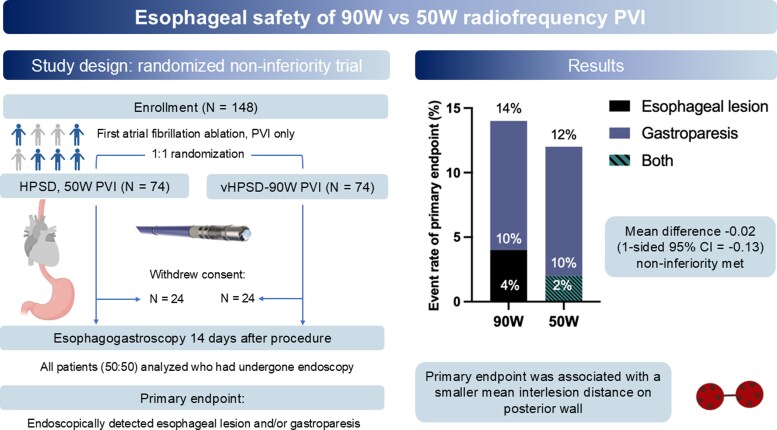 Figure 1
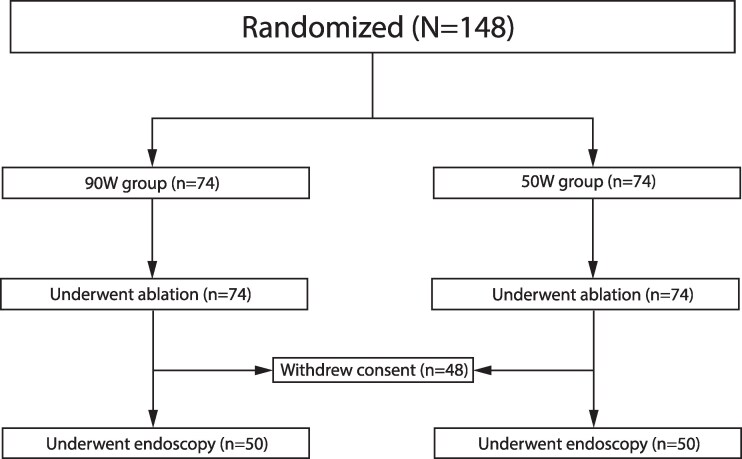 Figure 2
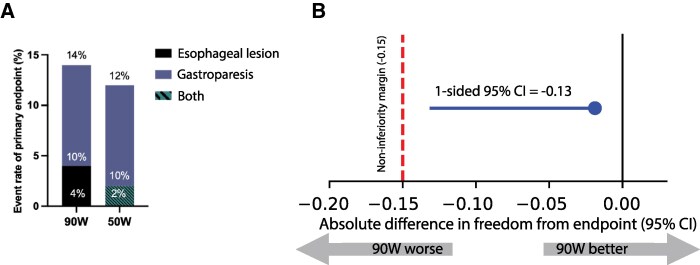 Figure 3
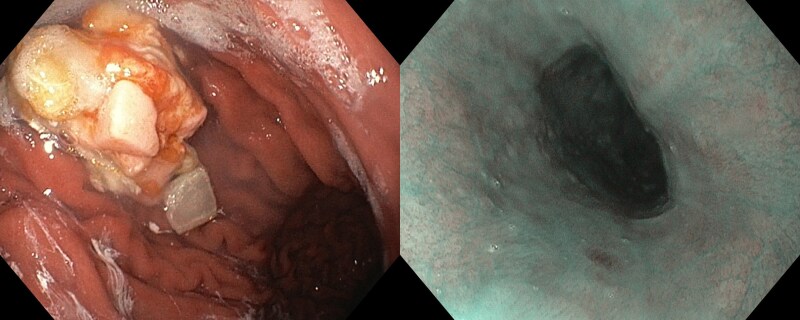 Figure 4
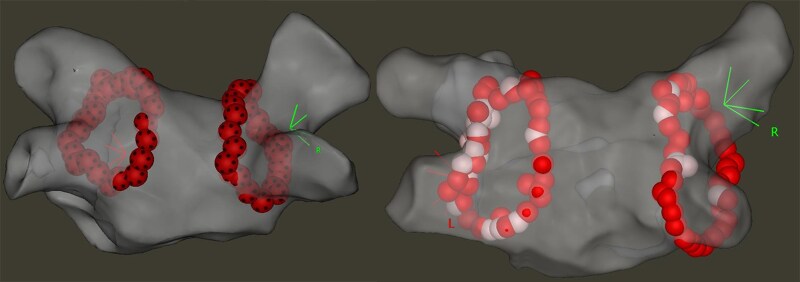 Figure 5
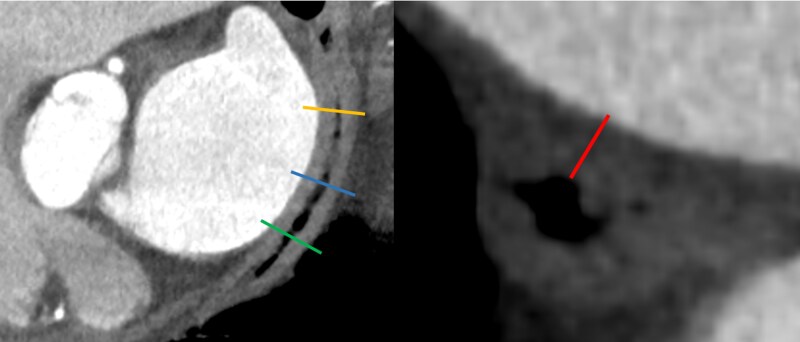 Figure 6
Peer Reviews
No public reviews on file for this paper yet. If you reviewed it on a platform where reviews are public (OpenReview, ICLR, NeurIPS, ICML), you can paste yours below so the community can read it here.
Videos
No videos yet. Explain this paper in a talk, walkthrough, or lecture? Add one.
Taxonomy
TopicsAtrial Fibrillation Management and Outcomes · Central Venous Catheters and Hemodialysis · Cardiac Arrhythmias and Treatments