Autoimmune Encephalitis in Later Life: A Missed Opportunity in Routine Geriatric Care
Syamasis Bandyopadhyay, Arghya Sahu, Sandip K Chandra, Aheli Ghosh Dastidar, Sourav Pratihar

TL;DR
Autoimmune encephalitis in older adults is often missed, but early detection through functional imaging and treatment can improve outcomes.
Contribution
Highlights the importance of functional neuroimaging and clinical suspicion in diagnosing autoimmune encephalitis in elderly patients.
Findings
An elderly patient with delirium showed hypermetabolic brain activity suggestive of AE despite negative initial tests.
Treatment with corticosteroids and plasma exchange led to significant clinical improvement.
Functional imaging proved valuable in diagnosing AE when conventional tests were inconclusive.
Abstract
Autoimmune encephalitis (AE) is an increasingly recognized but frequently overlooked cause of subacute cognitive and behavioral decline in older adults, in whom delirium is typically attributed to metabolic, infectious, or vascular disorders. We describe an elderly man who presented with persistent encephalopathy following correction of hyponatremia. Despite normal structural neuroimaging and negative cerebrospinal fluid autoimmune markers, he remained delirious. Electroencephalography revealed diffuse slowing, and fluorodeoxyglucose positron emission tomography demonstrated characteristic hypermetabolic activity involving the temporal lobes, basal ganglia, thalami, and cerebellum, strongly suggestive of AE. Initiation of high-dose corticosteroids followed by therapeutic plasma exchange resulted in marked clinical improvement. This case highlights the diagnostic complexities of AE in…
Genes, proteins, chemicals, diseases, species, mutations and cell lines named across the full text — each resolved to its canonical identifier and authoritative record.
Click any figure to enlarge with its caption.
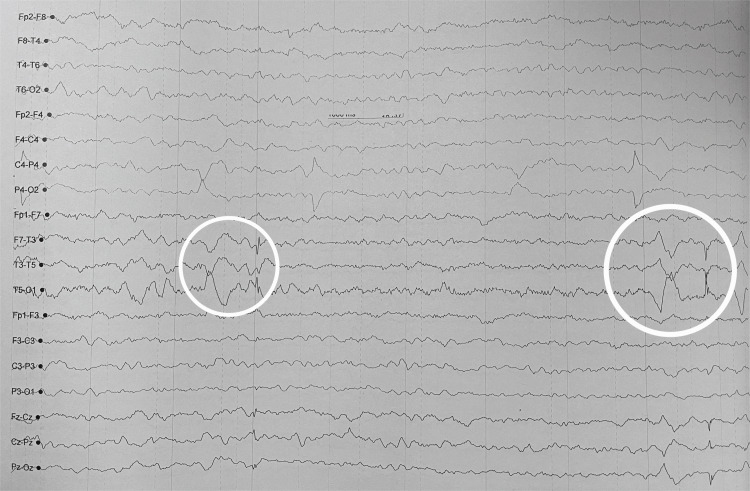 Figure 1
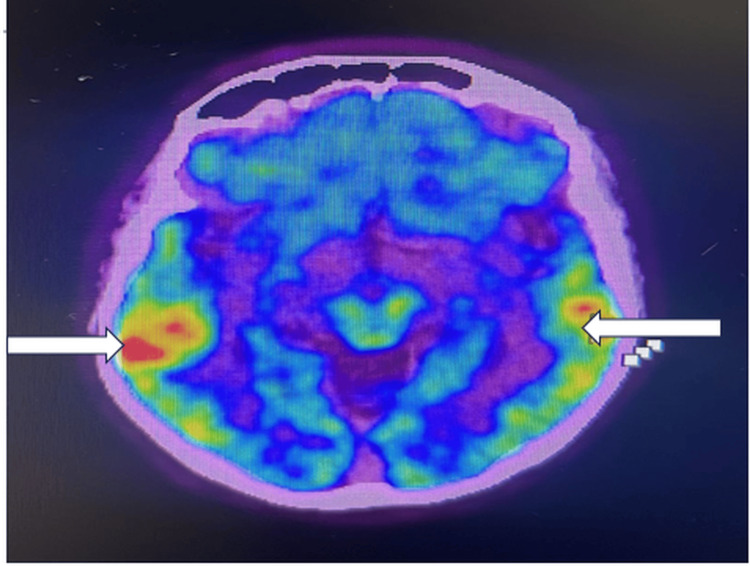 Figure 2
Peer Reviews
No public reviews on file for this paper yet. If you reviewed it on a platform where reviews are public (OpenReview, ICLR, NeurIPS, ICML), you can paste yours below so the community can read it here.
Videos
No videos yet. Explain this paper in a talk, walkthrough, or lecture? Add one.
Taxonomy
TopicsAutoimmune Neurological Disorders and Treatments · Neurological Complications and Syndromes · Cytomegalovirus and herpesvirus research