Pseudomyxoma Peritonei Presenting With Progressive Abdominal Distension and Abdominal Hernia: A Case Report
Menna M Marouf, Sarah Hady, Batool Musleh, Khalid E Attia, Ibrahim El Nogoomi

TL;DR
A 53-year-old man with progressive abdominal symptoms was diagnosed with pseudomyxoma peritonei, a rare condition linked to an appendiceal tumor, and treated with surgery and potential chemotherapy.
Contribution
This case report highlights the diagnostic challenges and management of pseudomyxoma peritonei through a detailed clinical presentation and treatment approach.
Findings
Pseudomyxoma peritonei was diagnosed via laparoscopy and confirmed by histopathology as arising from a low-grade appendiceal mucinous neoplasm.
The patient's symptoms included abdominal distension, constipation, weight loss, and a hernia, with imaging showing characteristic features of the condition.
The patient underwent laparoscopic appendectomy and peritoneal biopsies and was referred for further oncological treatment.
Abstract
Pseudomyxoma peritonei (PMP) is a rare clinical condition characterized by progressive mucinous ascites, most commonly arising from a low-grade appendiceal mucinous neoplasm (LAMN). We report the case of a 53-year-old man with a past medical history of type 2 diabetes mellitus who presented with progressive abdominal distension, constipation, weight loss, and a supraumbilical hernia. Imaging modalities, including ultrasonography, magnetic resonance imaging (MRI), and computed tomography (CT), revealed omental caking, ascites, and hepatic scalloping. Diagnostic laparoscopy revealed mucinous nodules and an abnormal appendiceal tip, and histopathology confirmed LAMN with PMP. The patient had an uneventful recovery following laparoscopic appendectomy and peritoneal biopsies and was referred to a specialized oncology center for consideration of cytoreductive surgery and hyperthermic…
Genes, proteins, chemicals, diseases, species, mutations and cell lines named across the full text — each resolved to its canonical identifier and authoritative record.
Click any figure to enlarge with its caption.
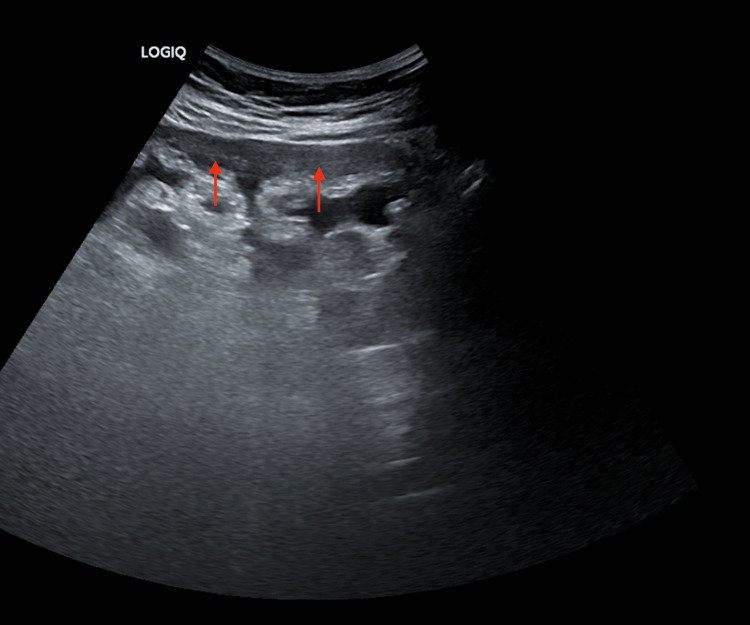 Figure 1
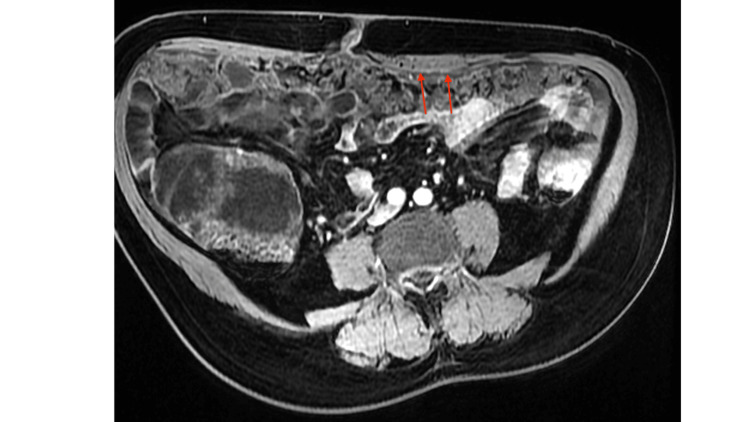 Figure 2
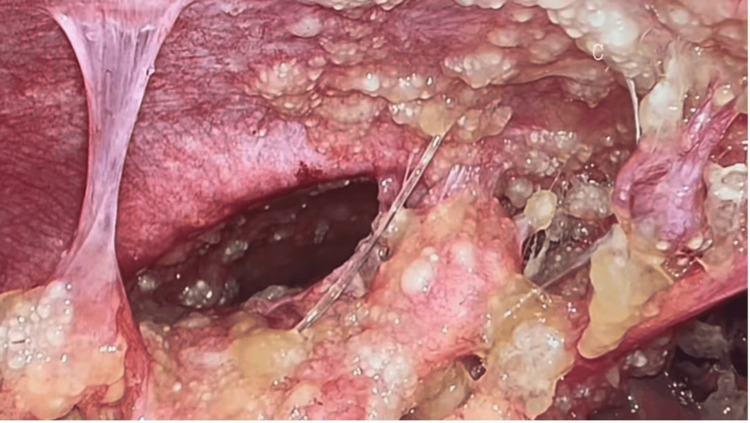 Figure 3
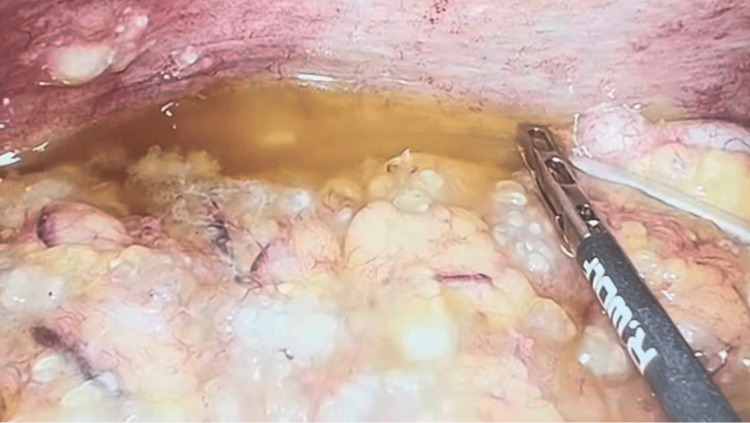 Figure 4
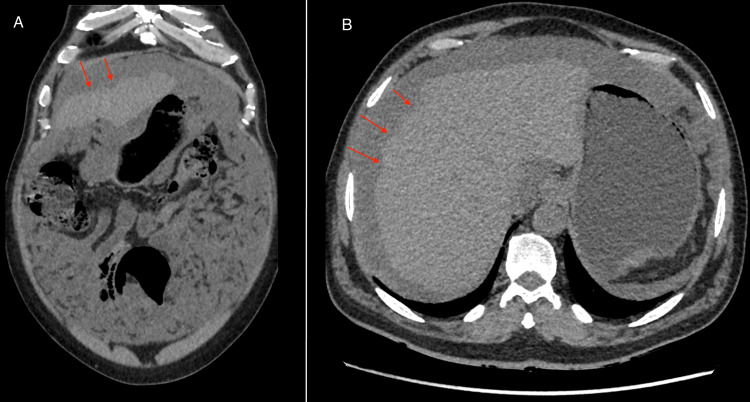 Figure 5
Peer Reviews
No public reviews on file for this paper yet. If you reviewed it on a platform where reviews are public (OpenReview, ICLR, NeurIPS, ICML), you can paste yours below so the community can read it here.
Videos
No videos yet. Explain this paper in a talk, walkthrough, or lecture? Add one.
Taxonomy
TopicsIntraperitoneal and Appendiceal Malignancies · Occupational and environmental lung diseases · Omental and Epiploic Conditions