iAMP-SeE: an antimicrobial peptide recognition model based on ESM2 feature extraction and hybrid attention mechanisms
QingWei Chen, ShuMei Li, Liang Huang, XiangYu Yu, Dan Xu, Zhao Qi

TL;DR
This paper introduces iAMP-SeE, a new model for identifying antimicrobial peptides using advanced attention mechanisms and ESM2 features, which improves performance in both binary and multi-class classification tasks.
Contribution
The novel contribution is a two-stage AMP recognition model combining ESM2 features with hybrid attention mechanisms and SMOTE for imbalanced data.
Findings
iAMP-SeE outperforms existing models in both binary and multi-class AMP classification tasks.
Hybrid attention mechanisms (SE and ECA) enhance feature extraction and suppress irrelevant features.
SMOTE improves model performance by addressing imbalanced AMP categories.
Abstract
Antimicrobial peptides (AMPs) are short peptides with diverse biological activities and playing a crucial role in various biological processes. Due to the widespread misuse of traditional antibiotics and the increasing resistance of microorganisms to these drugs, AMPs have emerged as a promising alternative. Consequently, the identification of AMPs has garnered significant research interest. Numerous computational methods based on machine learning algorithms have been developed to facilitate AMP recognition. However, some existing AMPs recognition models only focus on binary classification tasks or only identify the functional activity of a limited number of AMPs categories in multi-class classification tasks. To address this limitation, this study proposes a two-stage AMPs recognition model, iAMP-SeE. The iAMP-SeE model extracts features from protein sequences using ESM2, employs a…
Genes, proteins, chemicals, diseases, species, mutations and cell lines named across the full text — each resolved to its canonical identifier and authoritative record.
Click any figure to enlarge with its caption.
 Figure 1
 Figure 2
 Figure 3
 Figure 4
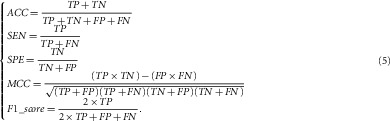 Figure 5
 Figure 6
 Figure 7
 Figure 8
 Figure 9
 Figure 10
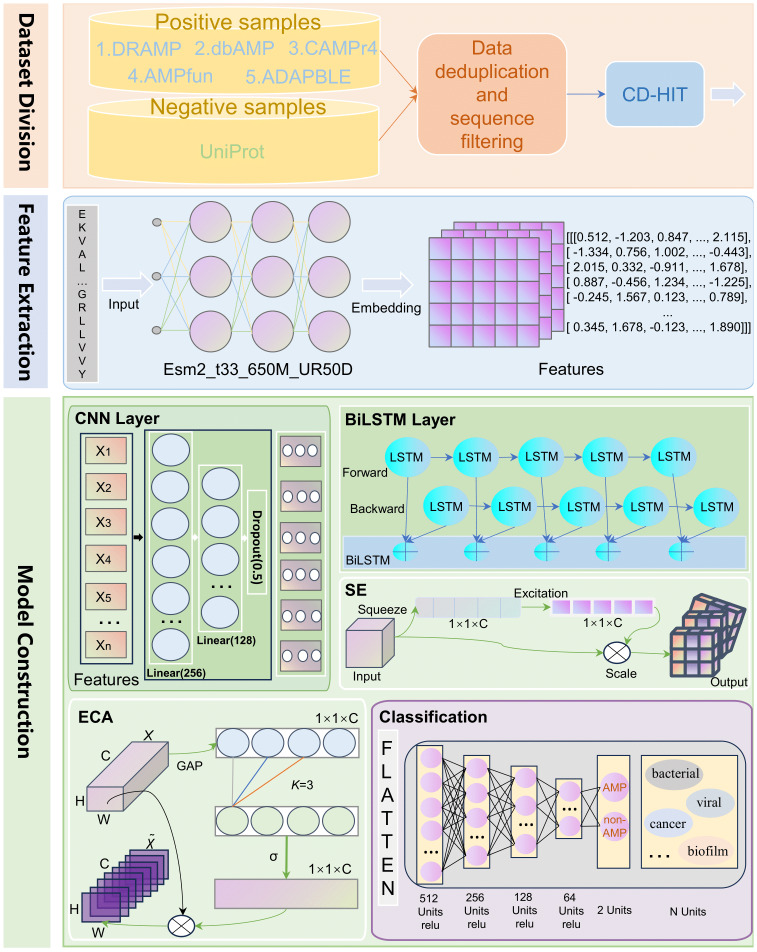 Figure 11
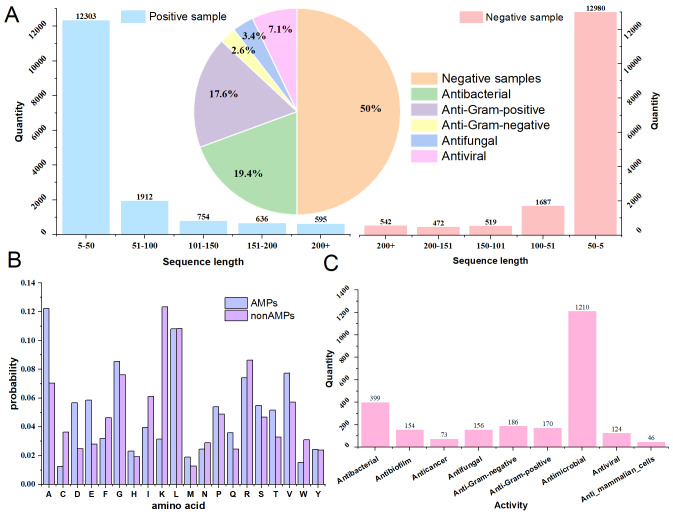 Figure 12
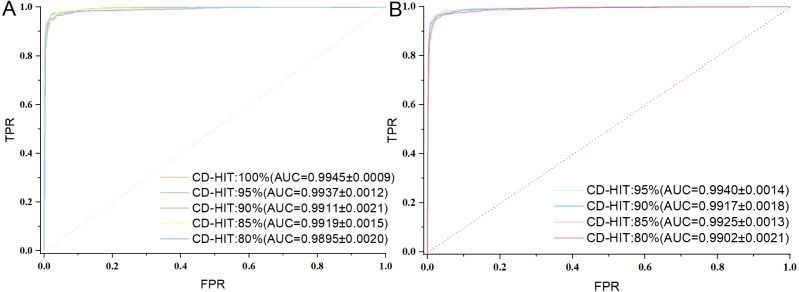 Figure 13
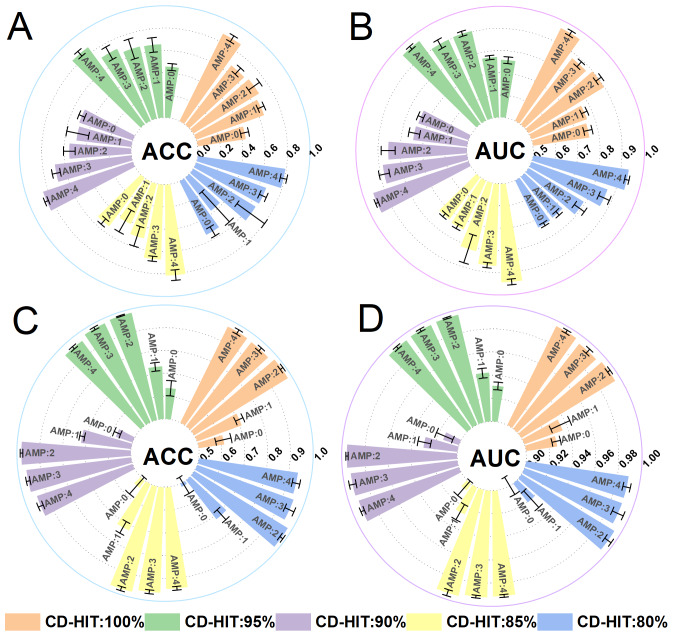 Figure 14
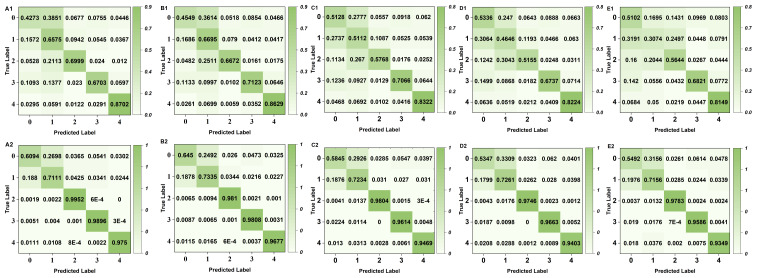 Figure 15
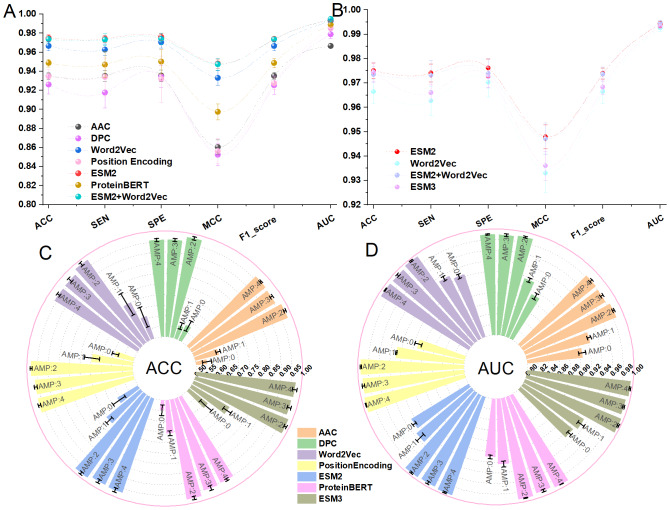 Figure 16
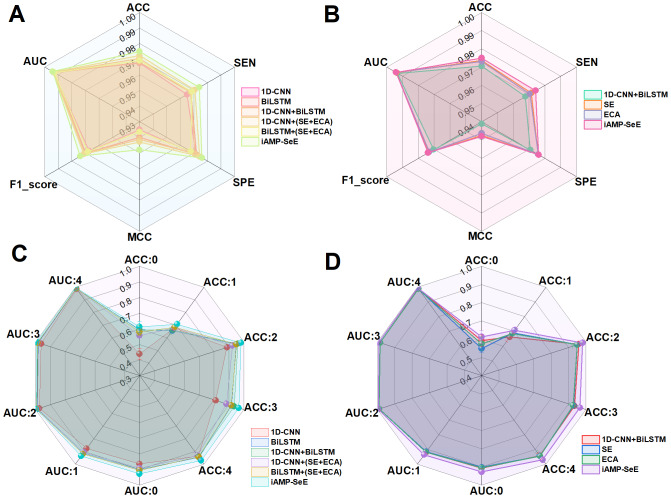 Figure 17
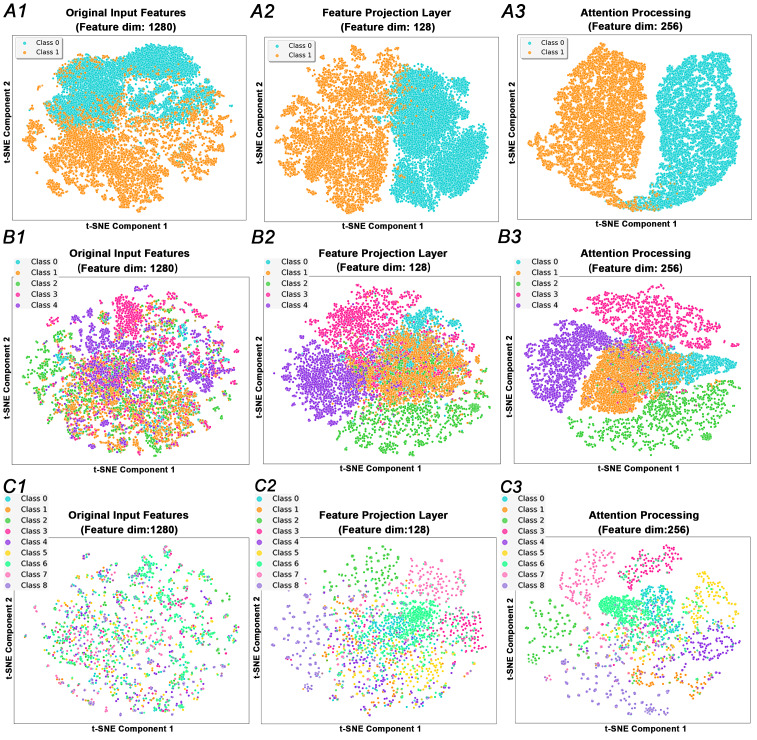 Figure 18
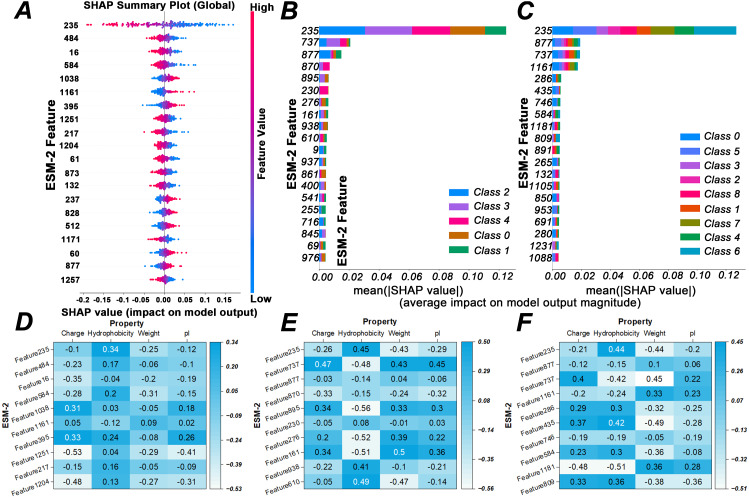 Figure 19
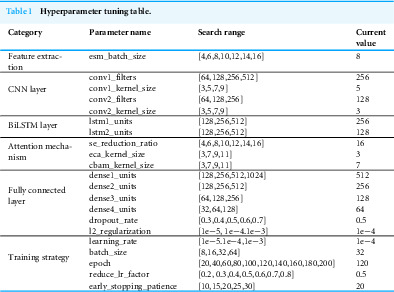 Figure 20
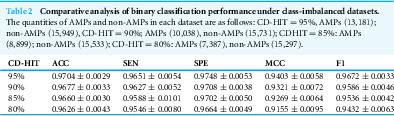 Figure 21
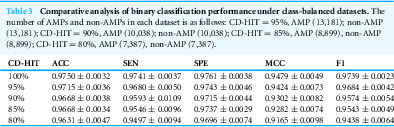 Figure 22
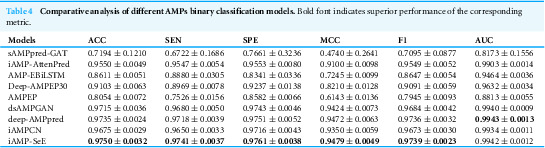 Figure 23
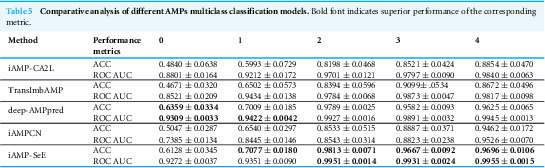 Figure 24
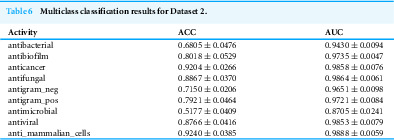 Figure 25
 Figure 26
 Figure 27
Peer Reviews
No public reviews on file for this paper yet. If you reviewed it on a platform where reviews are public (OpenReview, ICLR, NeurIPS, ICML), you can paste yours below so the community can read it here.
Videos
No videos yet. Explain this paper in a talk, walkthrough, or lecture? Add one.
Taxonomy
TopicsAntimicrobial Peptides and Activities · Machine Learning in Bioinformatics · Biochemical and Structural Characterization