The relationship between controlling nutritional status (CONUT) and cerebrovascular stenosis: a retrospective study with implications for ischemic stroke prevention
Ning Wang, Kun Guo, Bo Zhu, Yuanzhi Zhang, Xiaotao Jia, Zhiqin Liu, Zhengli Di, Naibing Gu, Ting Li

TL;DR
This study shows that the CONUT score, a nutritional indicator, can predict cerebrovascular stenosis and stroke risk, especially in older adults.
Contribution
The study demonstrates that the CONUT score is an independent predictor of cerebrovascular stenosis severity, particularly in elderly populations.
Findings
CONUT scores were significantly higher in patients with cerebrovascular stenosis compared to controls.
Each 1-point increase in CONUT score elevated stenosis risk by 115% after adjusting for confounders.
The CONUT score showed better diagnostic accuracy than traditional risk factors like age and LDL-C.
Abstract
Ischemic stroke, a major global health concern, has high incidence, mortality, and disability rates. Cerebrovascular stenosis, a significant risk factor, is often assessed using digital subtraction angiography (DSA), which is invasive and costly. The Controlling Nutritional Status (CONUT) score, originally designed to assess malnutrition, has potential value in predicting vascular stenosis and stroke prognosis. This study analyzed 1,057 inpatients from Xi’an Central Hospital and Tongchuan Mining Bureau Central Hospital who underwent DSA for cerebrovascular stenosis from January 2016 to June 2024, comparing 674 patients with stenosis to 383 without. The CONUT score, calculated from serum albumin, lymphocyte count, and total cholesterol, was evaluated for its association with stenosis severity. Statistical analyses included t-tests, Mann-Whitney U tests, chi-square tests, Spearman…
Genes, proteins, chemicals, diseases, species, mutations and cell lines named across the full text — each resolved to its canonical identifier and authoritative record.
Click any figure to enlarge with its caption.
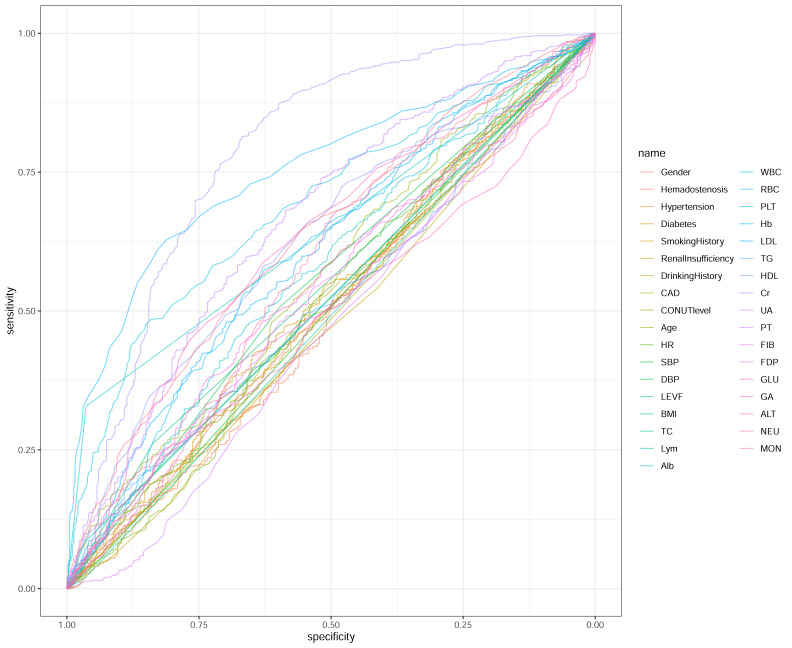 Figure 1
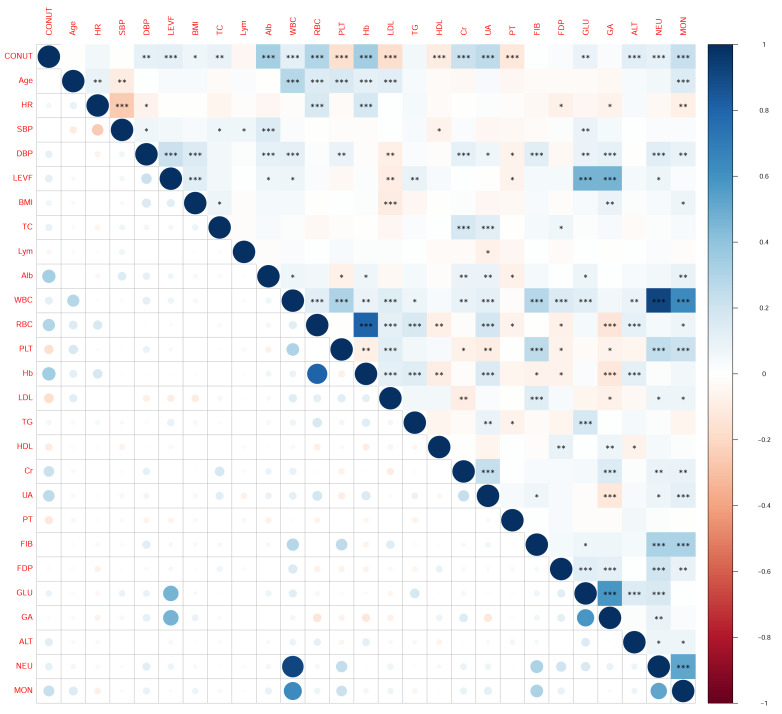 Figure 2
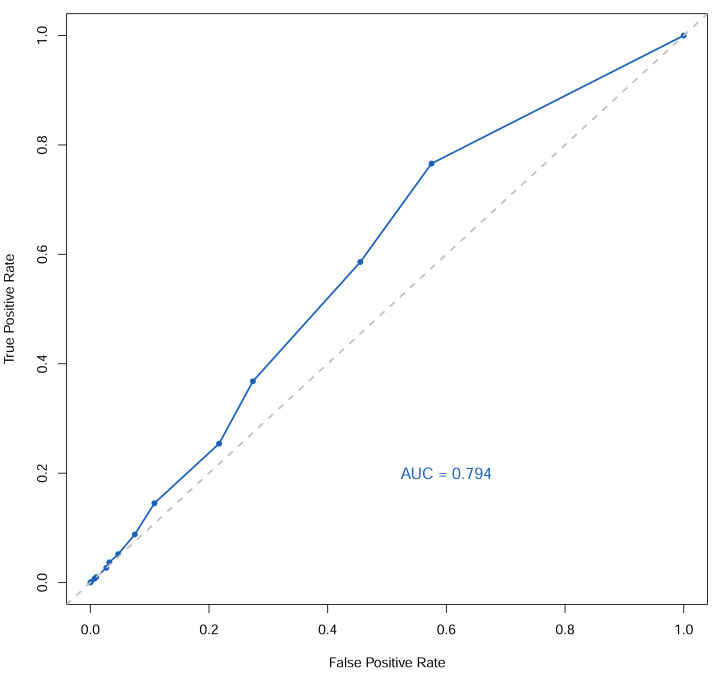 Figure 3
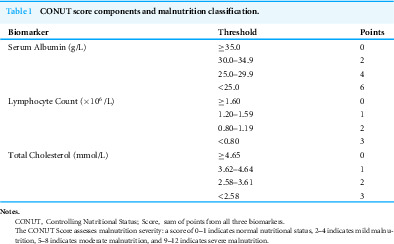 Figure 4
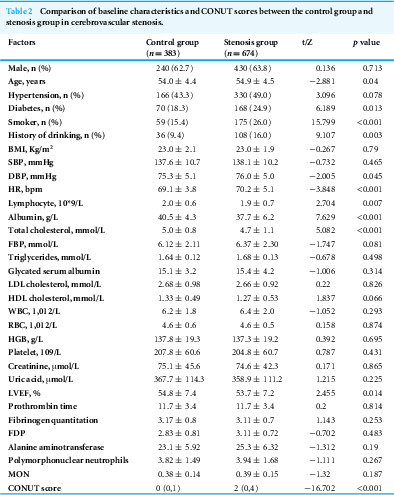 Figure 5
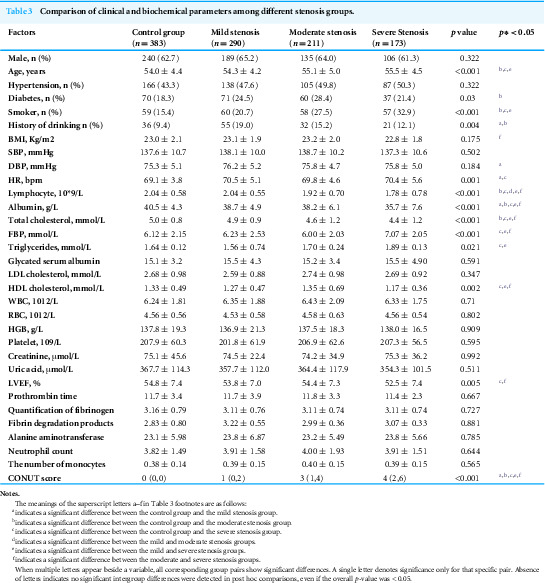 Figure 6
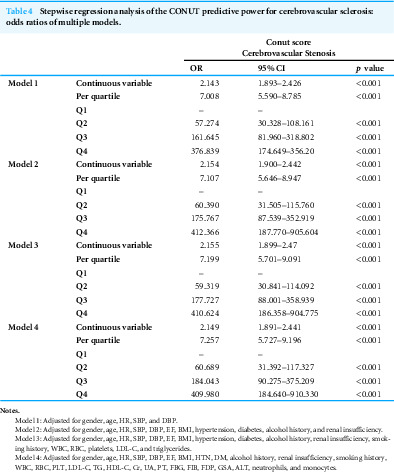 Figure 7
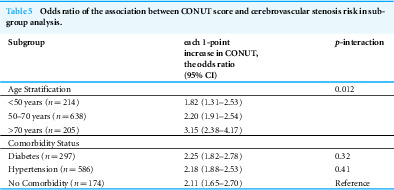 Figure 8
Peer Reviews
No public reviews on file for this paper yet. If you reviewed it on a platform where reviews are public (OpenReview, ICLR, NeurIPS, ICML), you can paste yours below so the community can read it here.
Videos
No videos yet. Explain this paper in a talk, walkthrough, or lecture? Add one.
Taxonomy
TopicsNutrition and Health in Aging · Cerebrovascular and Carotid Artery Diseases · Peripheral Artery Disease Management