Evidence from a broad-range PNA probe links several Prevotella species to bacterial vaginosis
Taynara Mulinde, Lúcia G. V. Sousa, Joana Castro, Sheridan D. George, Christina A. Muzny, Nuno Cerca

TL;DR
A new probe shows that multiple Prevotella species, not just P. bivia, are linked to bacterial vaginosis, suggesting a broader role in the infection's development.
Contribution
A new PNA probe with broader specificity for Prevotella species was developed and validated, revealing their wider involvement in bacterial vaginosis.
Findings
The new Prevotella spp. PNA probe achieved 100% specificity and 96% sensitivity in vitro.
The new probe detected significantly more Prevotella spp. in 66.6% of BV-positive clinical specimens compared to the P. bivia-specific probe.
Prevotella spp. were also detected in 22.2% of healthy control specimens, suggesting broader presence.
Abstract
Bacterial vaginosis (BV) is the most prevalent vaginal infection among reproductive-age women. It is associated with multiple adverse health outcomes in women including adverse pregnancy outcomes, an increased risk of pelvic inflammatory disease, infertility, and an increased risk of HIV and other sexually transmitted infections. BV is characterized by an imbalance in the vaginal microbiota, namely a decrease in protective Lactobacillus species and an overgrowth of facultative and strict anaerobic bacteria, leading to the development of a polymicrobial biofilm. Despite extensive research, the etiology of BV remains unclear, and its pathophysiology is not fully understood. It has been hypothesized that P. bivia, in combination with Gardnerella spp., plays an important role in the early development of the BV biofilm. We previously developed a peptide nucleic acid (PNA) probe specifically…
Genes, proteins, chemicals, diseases, species, mutations and cell lines named across the full text — each resolved to its canonical identifier and authoritative record.
Click any figure to enlarge with its caption.
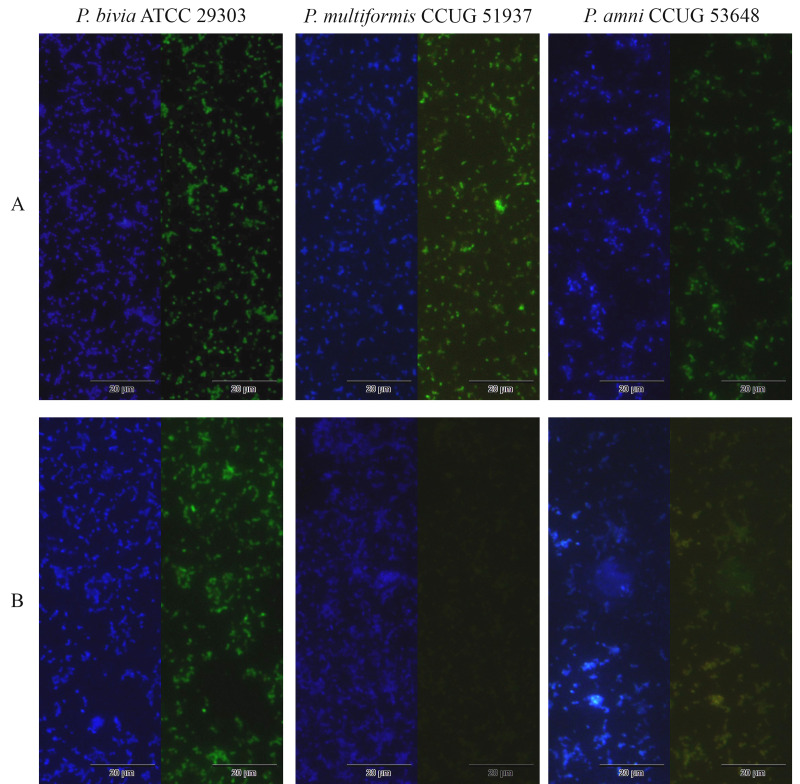 Figure 1
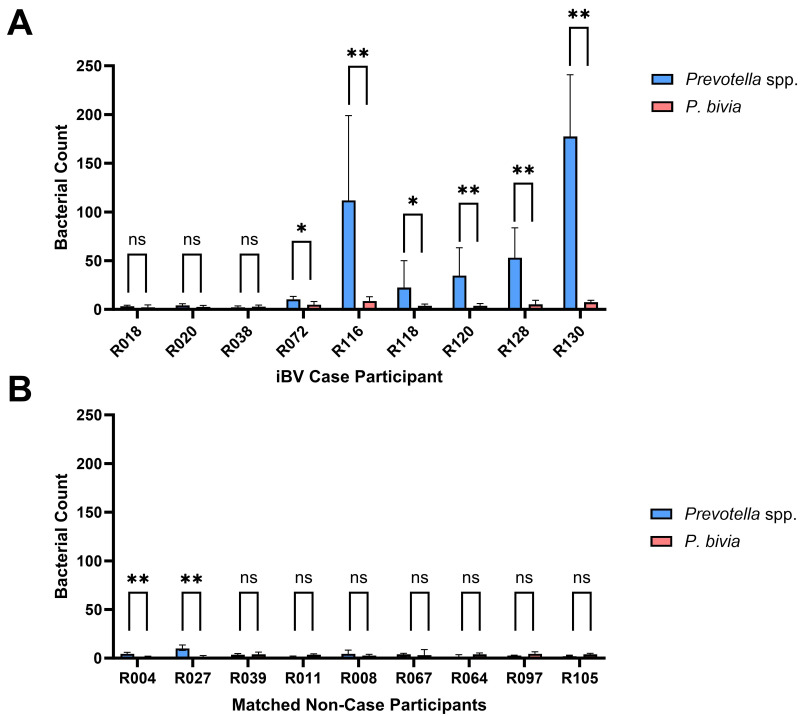 Figure 2
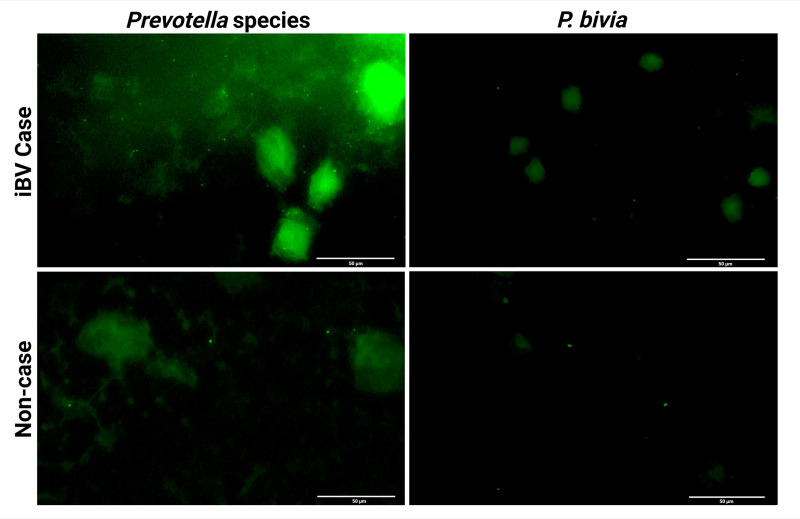 Figure 3
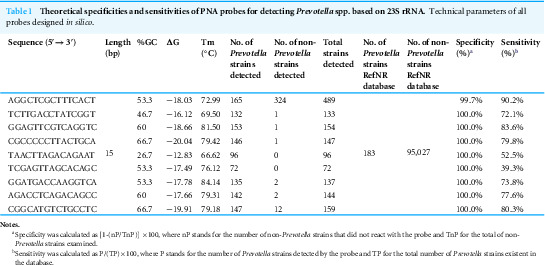 Figure 4
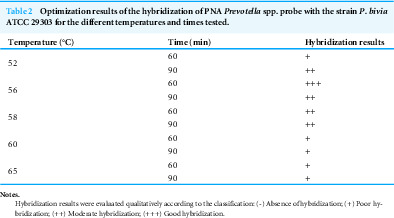 Figure 5
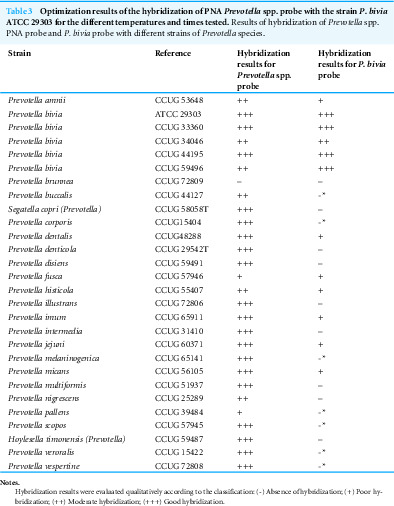 Figure 6
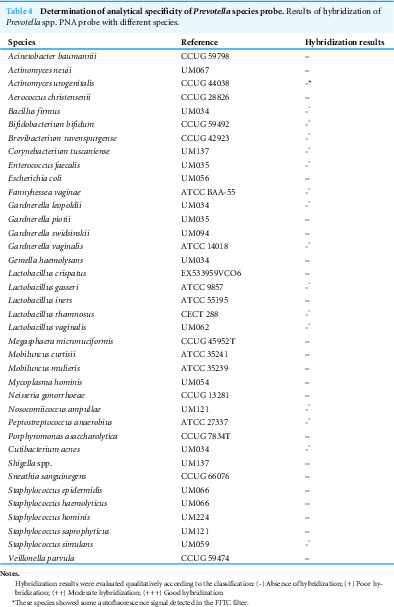 Figure 7
Peer Reviews
No public reviews on file for this paper yet. If you reviewed it on a platform where reviews are public (OpenReview, ICLR, NeurIPS, ICML), you can paste yours below so the community can read it here.
Videos
No videos yet. Explain this paper in a talk, walkthrough, or lecture? Add one.
Taxonomy
TopicsReproductive tract infections research · Neonatal and Maternal Infections · Preterm Birth and Chorioamnionitis