Diverse Genetic Etiologies of Unilateral Polymicrogyria
Abbe Lai, Jennifer E. Neil, Shyam K. Akula, Dina Amrom, Eva Andermann, Ann Bergin, Roberto Caraballo, Allen Y. Chen, John Gaitanis, Ganeshwaran H. Mochida, Jill M. Gotoff, Giorgi Kuchukhidze, Daphna Marom, Christelle Moufawad ElAchkar, Miriam Regev, Lance H. Rodan, Heather Olson

TL;DR
This study explores the genetic causes of unilateral polymicrogyria, finding that some genes are unique to this condition and suggesting the value of genetic testing.
Contribution
The study is the first to report variants in DYNC1H1, TMEM216, and ACVRL1 associated with unilateral polymicrogyria.
Findings
A likely genetic cause was identified in 26.7% of unrelated individuals with uPMG.
Recessive and dominant genetic causes, including ASPM, WDR62, and DYNC1H1, were found in the cohort.
Some genetic causes of uPMG overlap with bilateral PMG, but others are unique.
Abstract
Polymicrogyria (PMG) is one of the most common human malformations of cortical development and is often classified by its radiographic pattern of distribution. Unilateral polymicrogyria (uPMG) is a subtype of PMG affecting a portion or all of one cerebral hemisphere. As most PMGs occur bilaterally, there has been no specific investigation as to whether the genetic underpinnings of uPMG comprise a subset of or a distinct entity from bilateral PMG. In this study, our goal was to assess both the genetic etiology of uPMG and the value of diagnostic genetic testing in this setting. We conducted a retrospective analysis of clinical data from individuals with uPMG seen in the Brain Development and Genetics Clinic and/or research participants of the Walsh Laboratory at Boston Children's Hospital. The final study cohort included 35 individuals from 30 families who were diagnosed with uPMG on…
Genes, proteins, chemicals, diseases, species, mutations and cell lines named across the full text — each resolved to its canonical identifier and authoritative record.
Click any figure to enlarge with its caption.
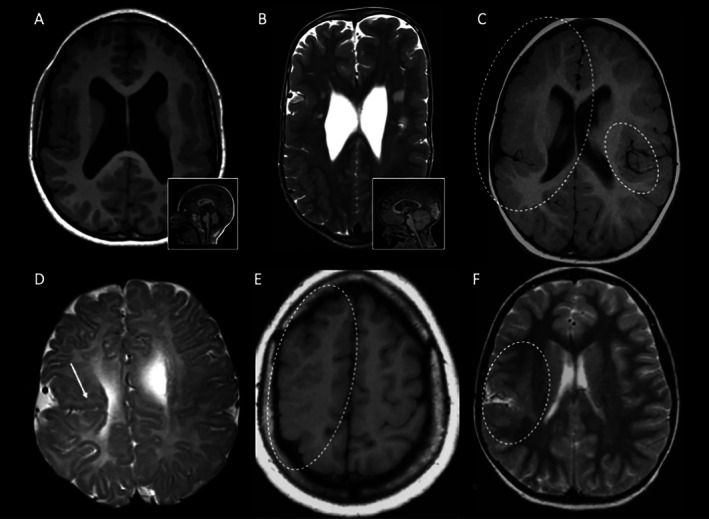 Figure 1
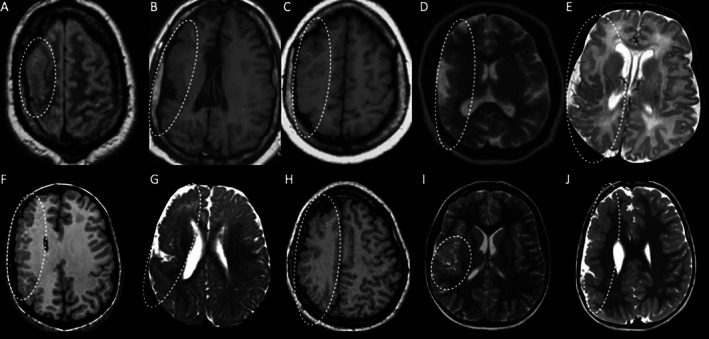 Figure 2
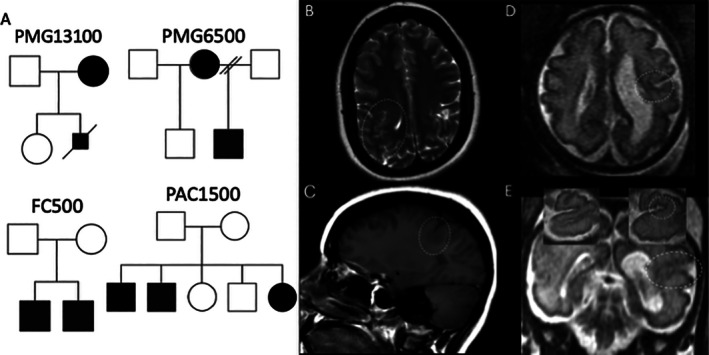 Figure 3
Peer Reviews
No public reviews on file for this paper yet. If you reviewed it on a platform where reviews are public (OpenReview, ICLR, NeurIPS, ICML), you can paste yours below so the community can read it here.
Videos
No videos yet. Explain this paper in a talk, walkthrough, or lecture? Add one.
Taxonomy
TopicsGenomic variations and chromosomal abnormalities · Congenital heart defects research · Fetal and Pediatric Neurological Disorders