Bridging the Scales via Personalized Cellular Modeling and Deep Phenotyping in Schizophrenia
Florian J. Raabe, David Popovic, Clara Vetter, Laura E. Fischer, Genc Hasanaj, Berkhan Karslı, Tim J. Schäfer, Valeria Almeida, Alessia Atella, Miriam Gagliardi, Emanuel Boudriot, Vladislav Yakimov, Lucia Trastulla, Tengjia Jiang, Clara Weyer, Lukas Roell, Joanna Moussiopoulou

TL;DR
This study links synaptic deficits in patient-derived neurons to brain structure and cognitive issues in schizophrenia, offering a new way to understand and treat the disorder.
Contribution
The study establishes a patient-specific bridge from synapse biology to clinical phenotypes in schizophrenia using a multiscale framework.
Findings
Reduced excitatory synapse density and transcriptomic signatures predict individual alterations in brain structure and cognition in schizophrenia.
Genetically driven neuronal gene expression patterns and synapse density correlate with macro-scale brain and cognitive phenotypes in vivo.
The multiscale framework provides a foundation for mechanism-based stratification and precision target identification for cognitive impairment in schizophrenia.
Abstract
Do synaptic deficits in patient-derived neurons predict individual differences in brain circuitry and cognitive impairment in schizophrenia (SCZ)? In a multiscale framework integrating magnetic resonance imaging, electroencephalography, and cognitive data from more than 500 participants with in vitro phenotyping of donor-matched induced pluripotent stem cell (iPSC)–derived neurons, reduced excitatory synapse density and transcriptomic signatures predicted the individual alterations in brain structure, electrophysiology, and cognition in vivo, providing a mechanistic link from synapse deficits to cognitive impairments in SCZ. This study establishes a patient-specific bridge from synapse biology to the individual clinical phenotype, offering a road map for mechanism-based target and drug discovery. While growing evidence implicates synaptic dysfunction as a key pathophysiological…
Genes, proteins, chemicals, diseases, species, mutations and cell lines named across the full text — each resolved to its canonical identifier and authoritative record.
Click any figure to enlarge with its caption.
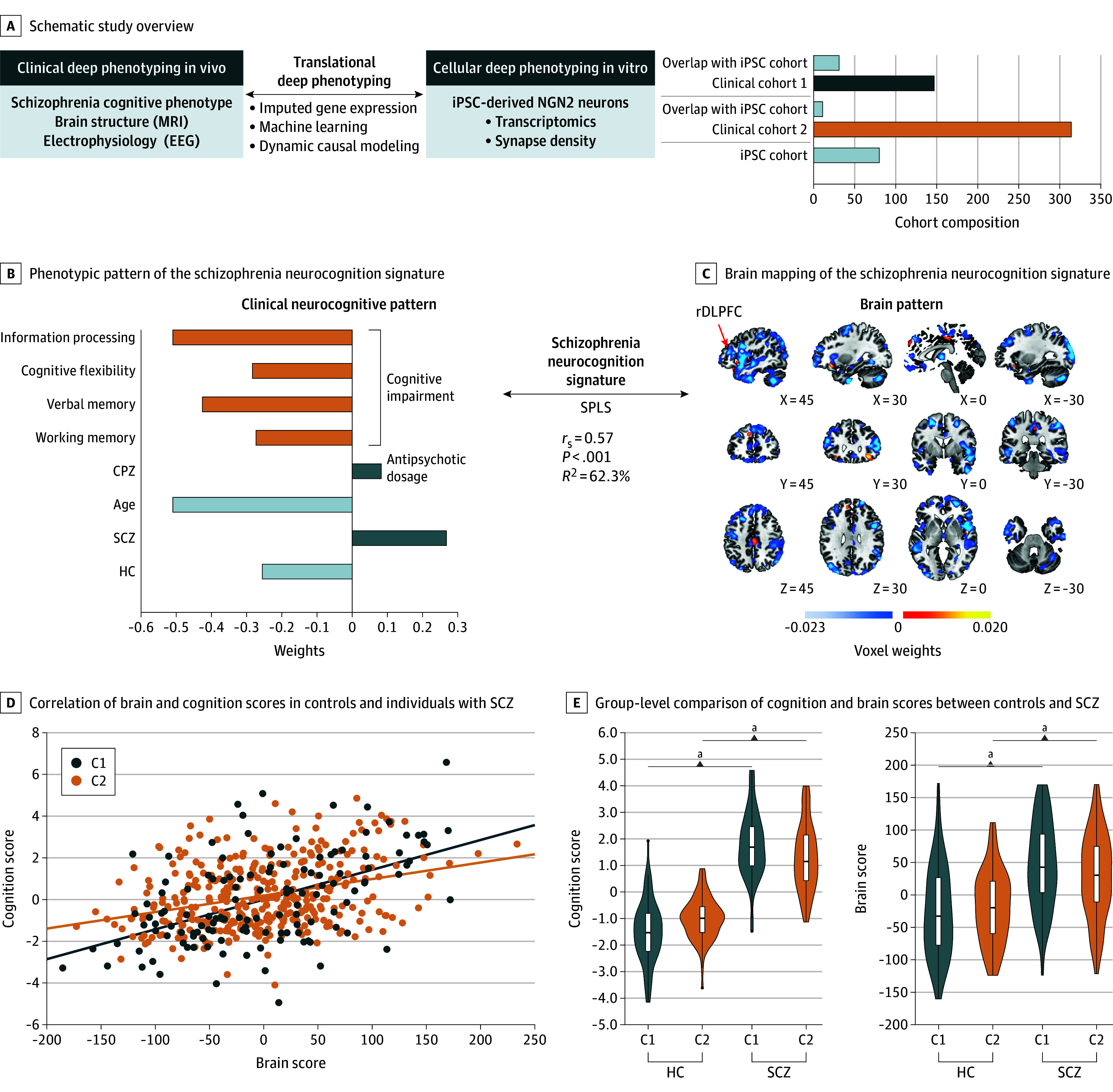 Figure 1
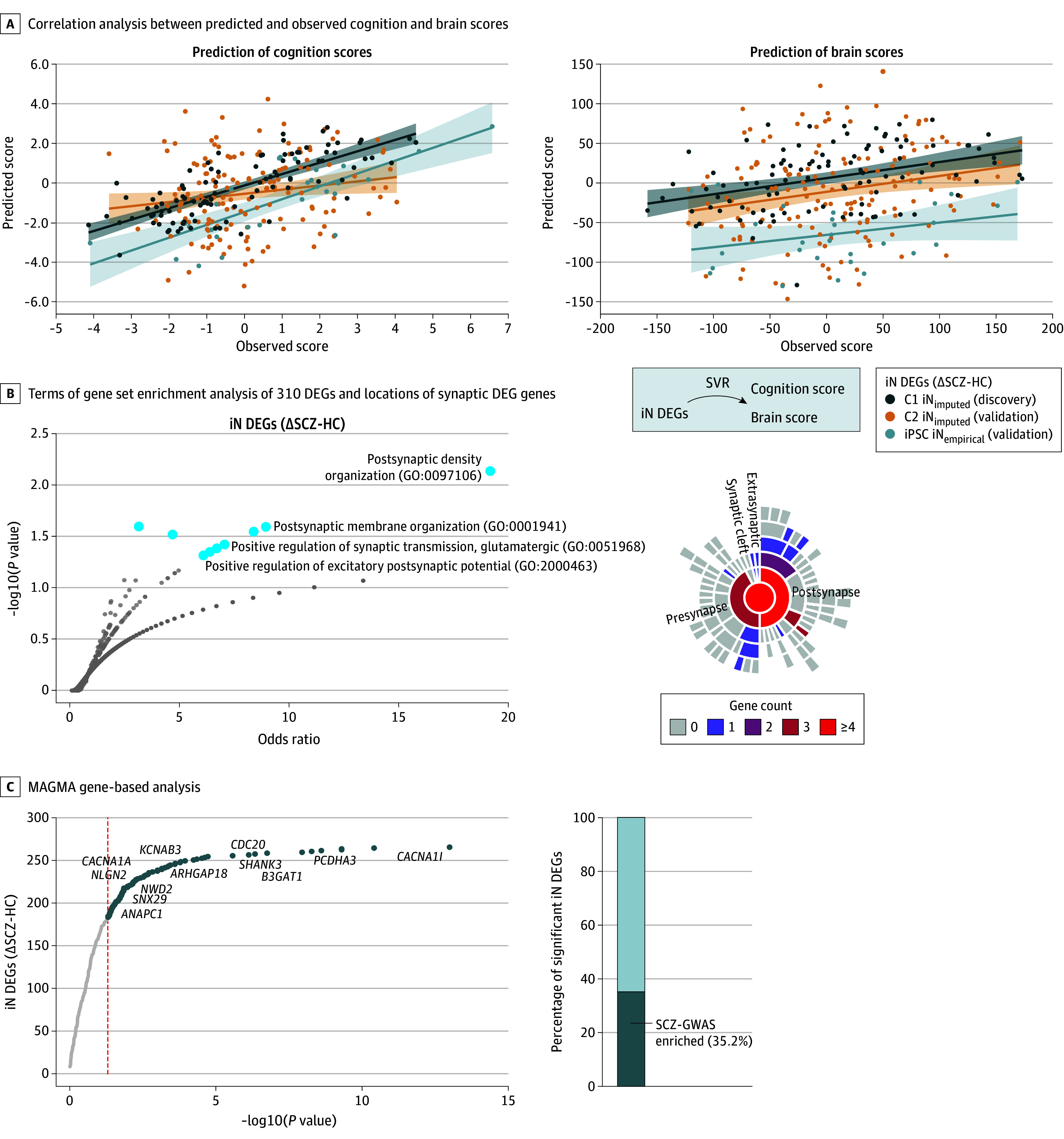 Figure 2
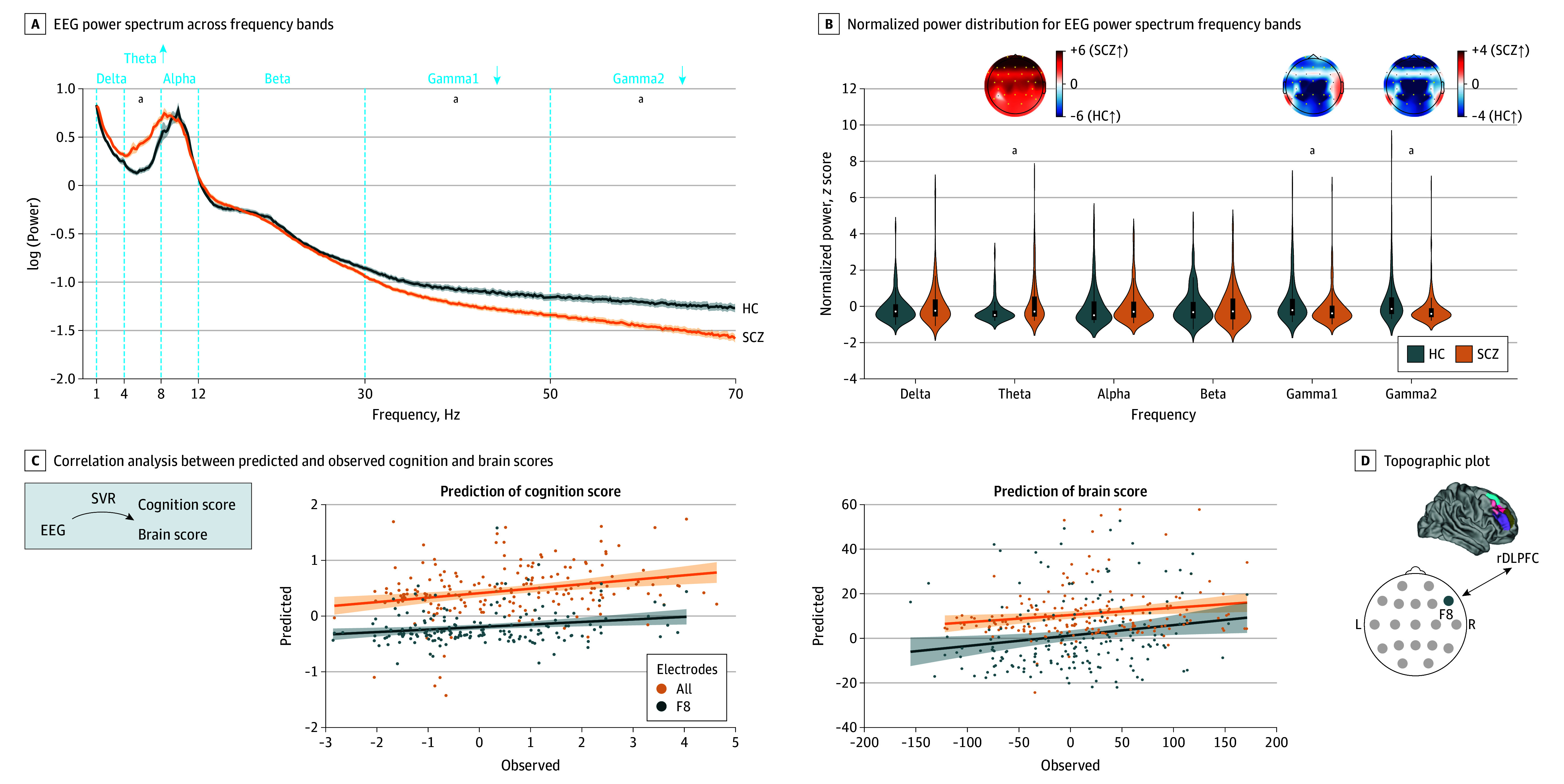 Figure 3
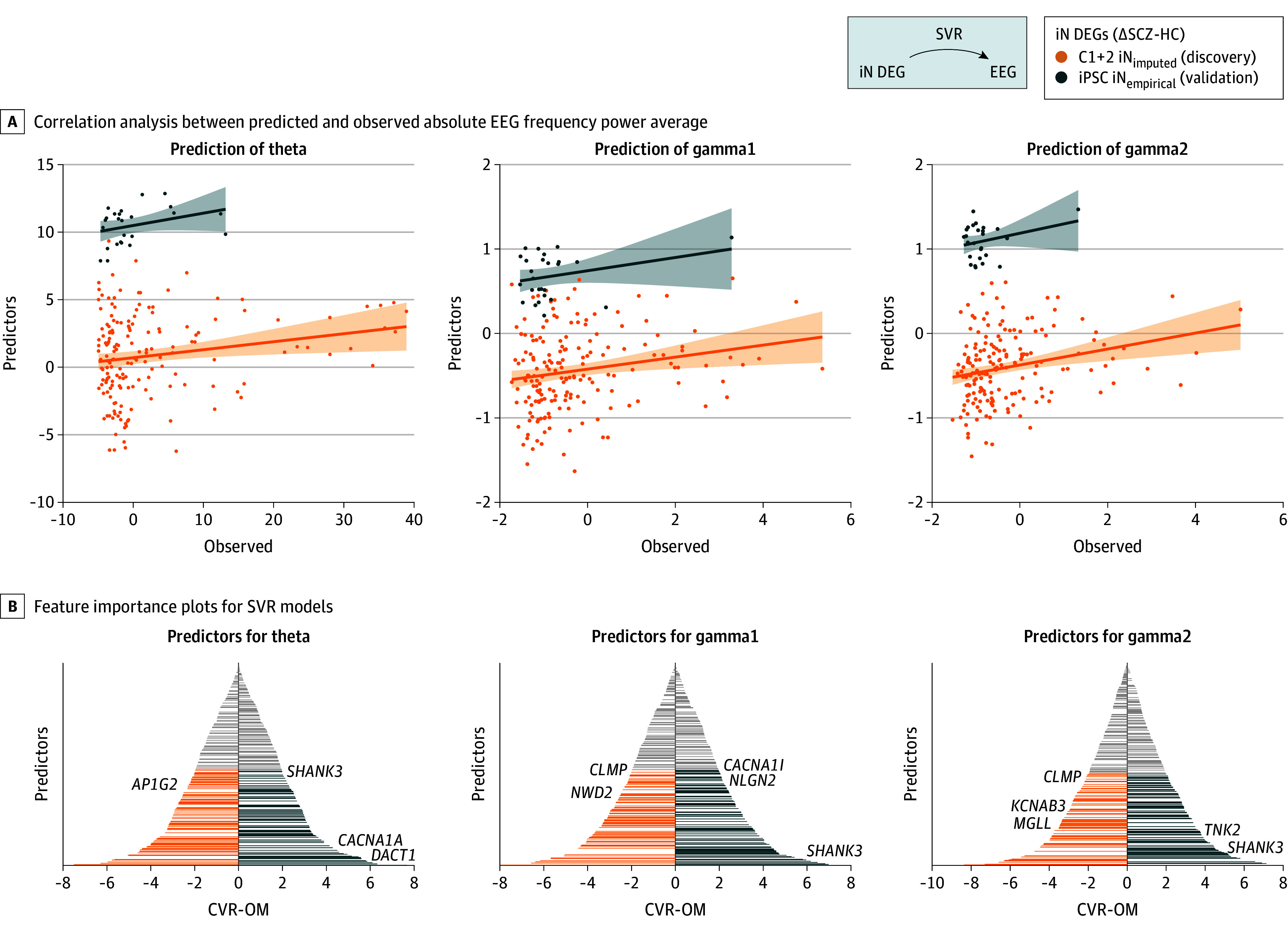 Figure 4
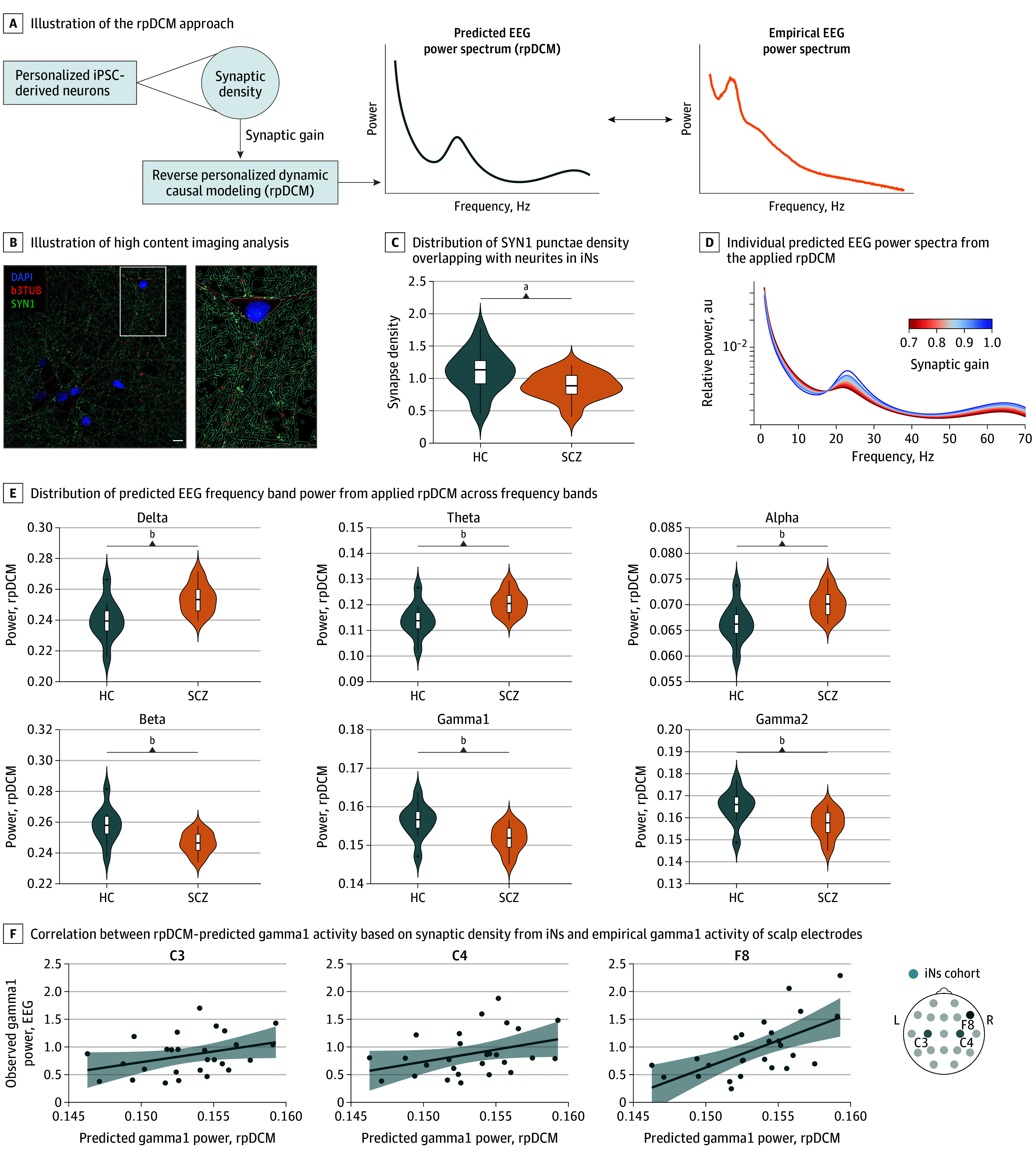 Figure 5
Peer Reviews
No public reviews on file for this paper yet. If you reviewed it on a platform where reviews are public (OpenReview, ICLR, NeurIPS, ICML), you can paste yours below so the community can read it here.
Videos
No videos yet. Explain this paper in a talk, walkthrough, or lecture? Add one.
Taxonomy
TopicsSingle-cell and spatial transcriptomics · Functional Brain Connectivity Studies · Neural dynamics and brain function