Giant traumatic pancreatic pseudocyst in a 17-year-old male: a case report
Radisnay G Lambert, Barbara Y H Cervantes, Mariuska R Gonzalez, Fernando M A Acevedo, Duniesky M Lopez

TL;DR
A 17-year-old male developed a large pancreatic pseudocyst after a bicycle accident, successfully treated with surgery despite complications.
Contribution
Presents a rare case of a giant traumatic pancreatic pseudocyst in an adolescent and discusses management in resource-limited settings.
Findings
A 17-year-old male had an 18.5 × 10.0 × 13.5 cm pancreatic pseudocyst following abdominal trauma.
Open transgastric cystogastrostomy successfully drained the pseudocyst despite postoperative infection.
The case emphasizes the importance of considering pancreatic pseudocysts in young trauma patients.
Abstract
Pancreatic pseudocysts are localized fluid collections surrounded by non-epithelialized walls, typically arising as a complication of pancreatitis or pancreatic trauma. While common in adults with a history of pancreatitis, traumatic pancreatic pseudocysts in adolescents are rare. This case report describes an unusual presentation of a giant traumatic pancreatic pseudocyst in a 17-year-old male following abdominal trauma. The case highlights the diagnostic challenges, surgical management, and postoperative course of this condition in a young patient. By presenting this unique case, we aim to contribute to the limited literature on traumatic pancreatic pseudocysts in adolescents and provide insights into effective management strategies in resource-limited settings. This case report describes a 17-year-old male who developed a giant pancreatic pseudocyst following abdominal trauma from a…
Genes, proteins, chemicals, diseases, species, mutations and cell lines named across the full text — each resolved to its canonical identifier and authoritative record.
Click any figure to enlarge with its caption.
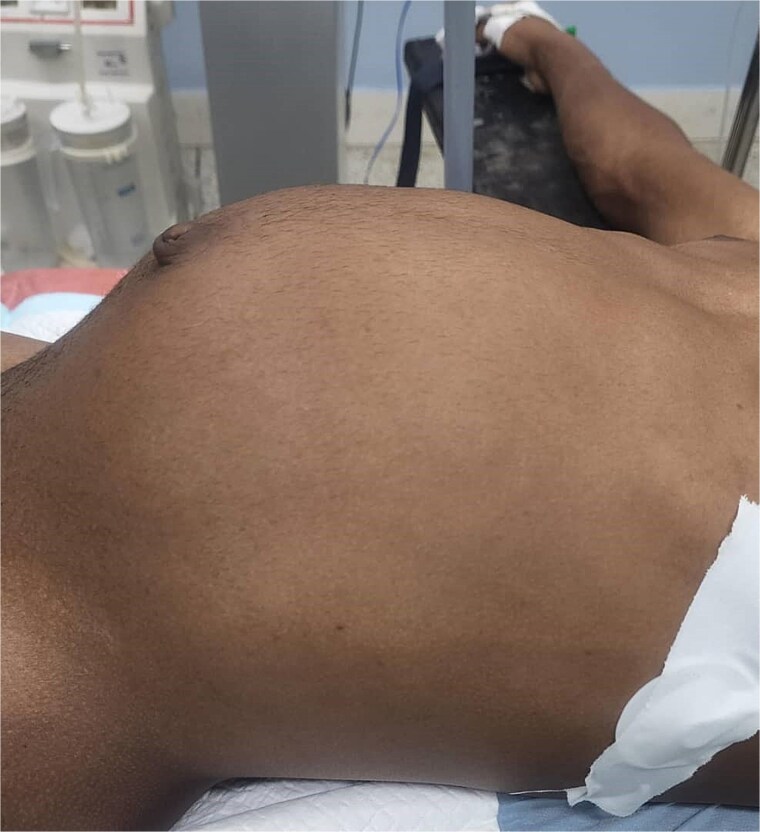 Figure 1
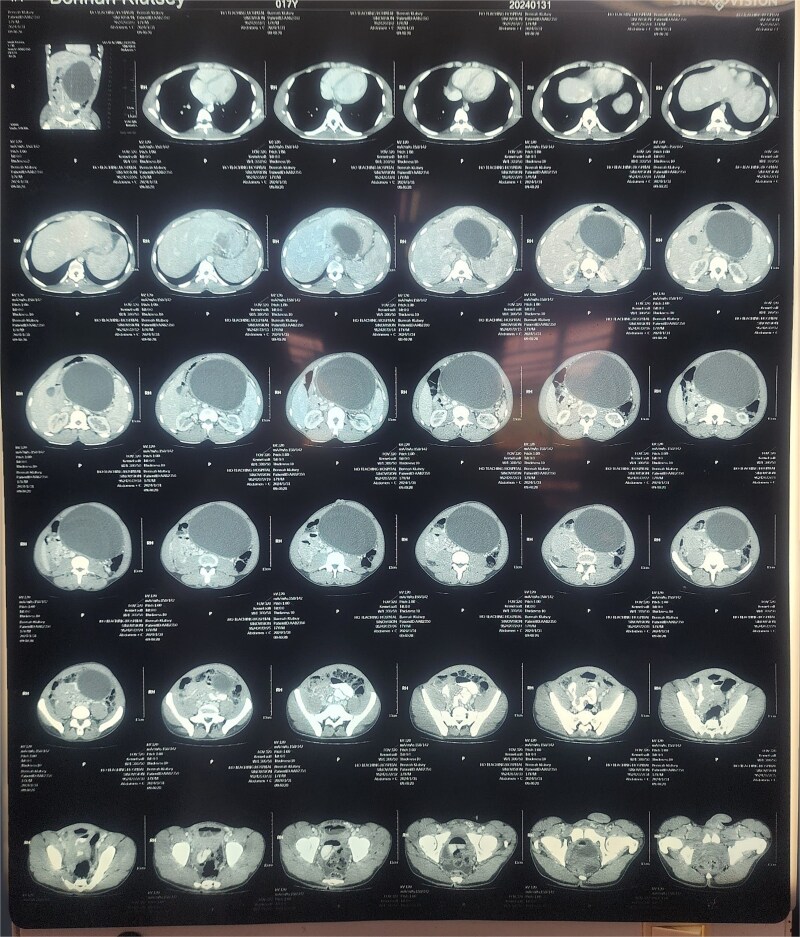 Figure 2
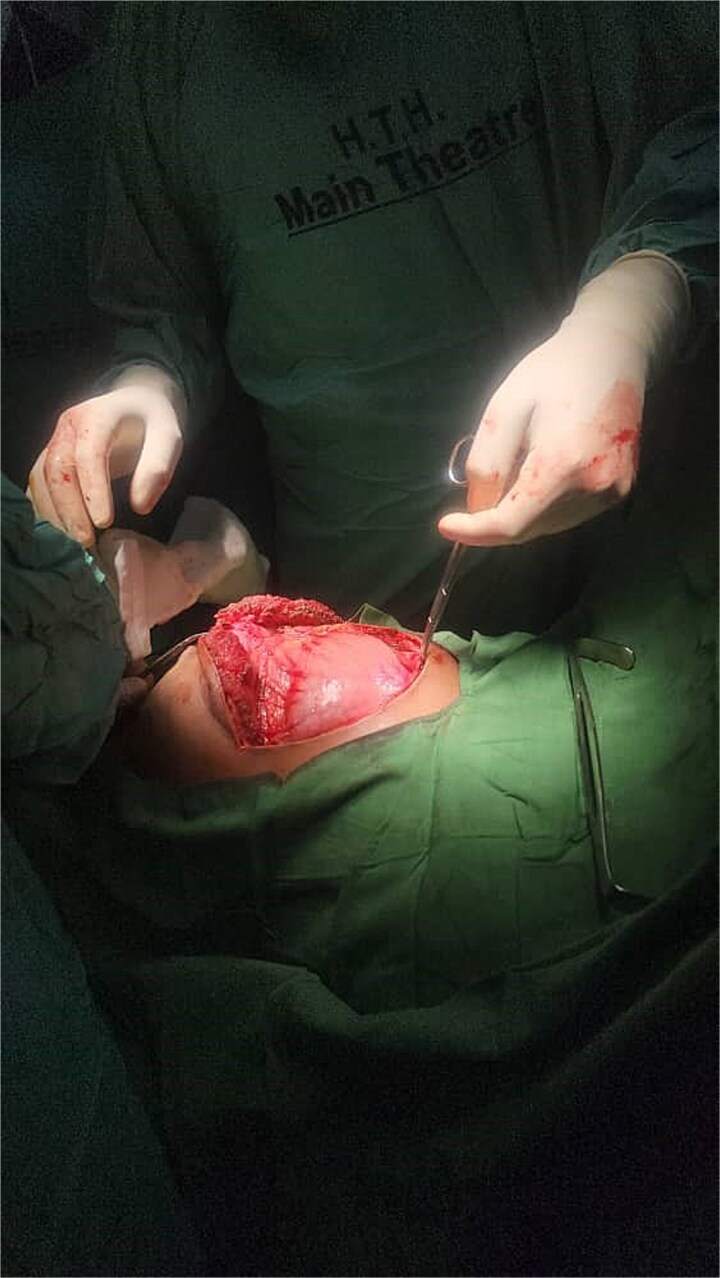 Figure 3
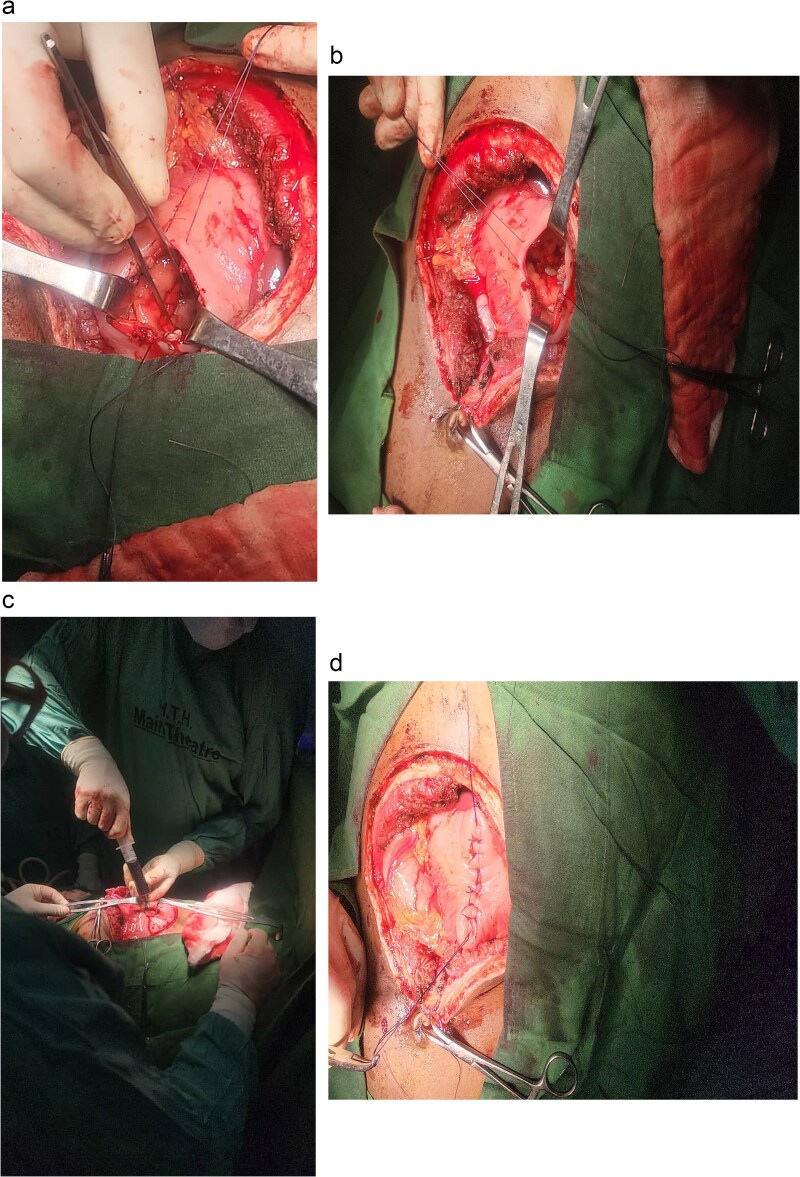 Figure 4
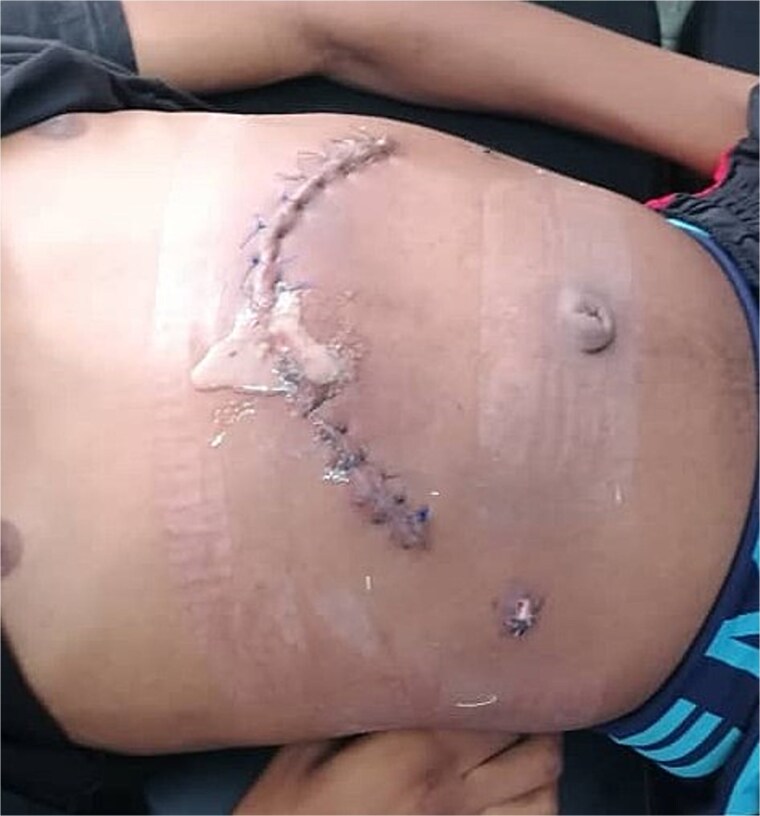 Figure 5
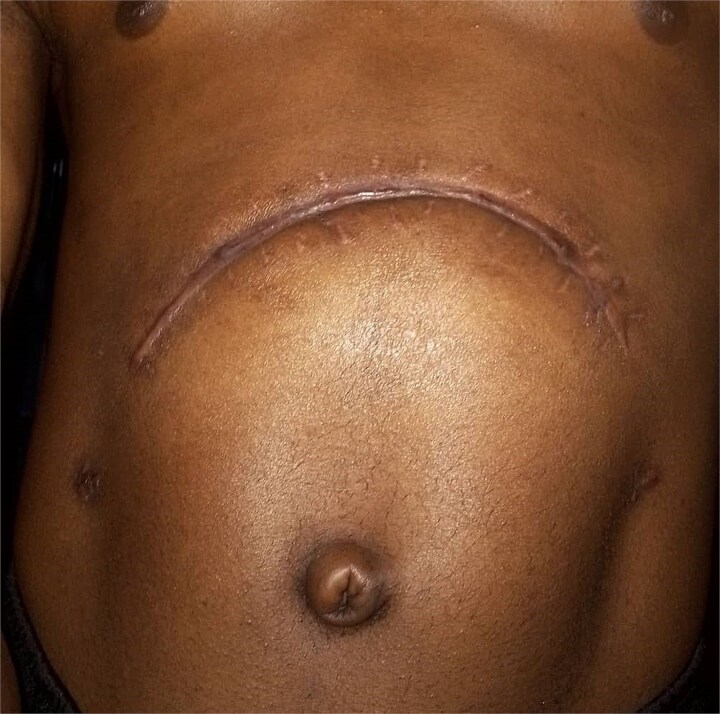 Figure 6
Peer Reviews
No public reviews on file for this paper yet. If you reviewed it on a platform where reviews are public (OpenReview, ICLR, NeurIPS, ICML), you can paste yours below so the community can read it here.
Videos
No videos yet. Explain this paper in a talk, walkthrough, or lecture? Add one.
Taxonomy
TopicsAbdominal Trauma and Injuries · Pancreatitis Pathology and Treatment · Gallbladder and Bile Duct Disorders