Acetaminophen-Induced Type II Kounis Syndrome: A Case Report Highlighting Diagnostic Challenges and the Utility of a Physician-Staffed Rapid Response Car
Satoshi Hashiguchi

TL;DR
An 85-year-old man developed a rare heart condition after taking acetaminophen, and a mobile medical team helped save his life by acting quickly.
Contribution
Highlights the role of physician-staffed rapid response cars in diagnosing and managing rare drug-induced heart emergencies.
Findings
Acetaminophen triggered Type II Kounis Syndrome with total coronary artery blockage.
A rapid response car enabled early STEMI diagnosis and timely emergency treatment.
Advanced pre-hospital systems can resolve therapeutic conflicts in Kounis Syndrome.
Abstract
Kounis syndrome (KS) is a clinical condition where anaphylaxis induces acute coronary syndrome. This report describes a case of Type II KS in an 85-year-old male, triggered by intravenous acetaminophen, resulting in total occlusion of the right coronary artery. The intervention of a physician-staffed rapid response car (RRC) facilitated early pre-hospital diagnosis of ST-segment elevation myocardial infarction (STEMI). This enabled an integrated transition to emergency percutaneous coronary intervention (PCI). The case demonstrates the utility of advanced pre-hospital systems in managing the therapeutic conflicts associated with KS.
Genes, proteins, chemicals, diseases, species, mutations and cell lines named across the full text — each resolved to its canonical identifier and authoritative record.
Click any figure to enlarge with its caption.
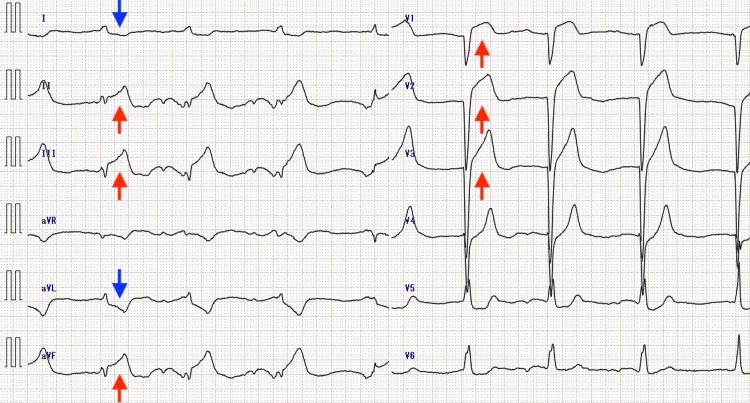 Figure 1
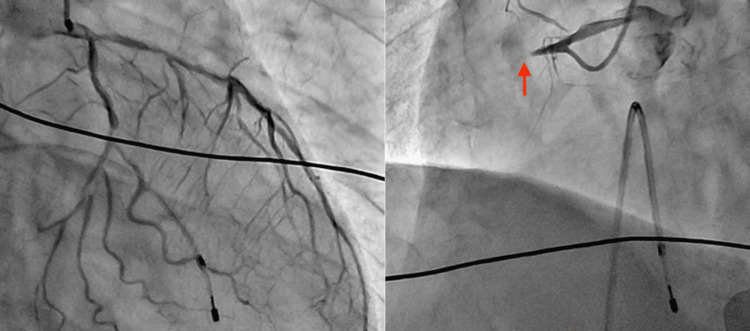 Figure 2
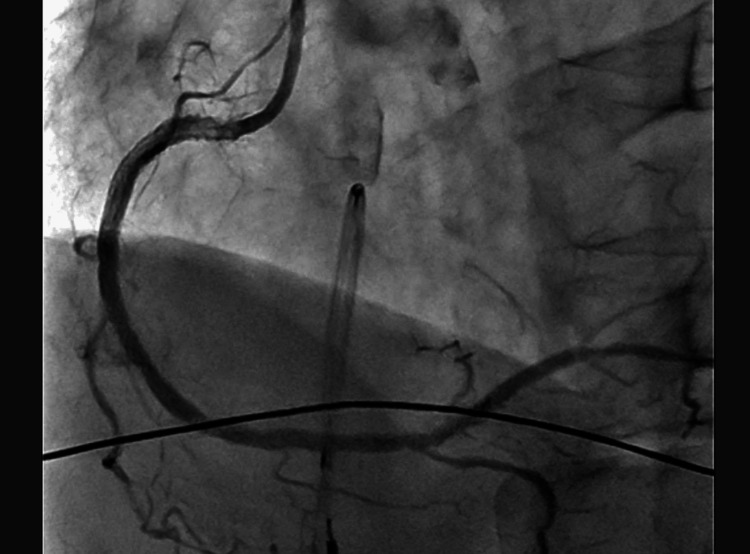 Figure 3
Peer Reviews
No public reviews on file for this paper yet. If you reviewed it on a platform where reviews are public (OpenReview, ICLR, NeurIPS, ICML), you can paste yours below so the community can read it here.
Videos
No videos yet. Explain this paper in a talk, walkthrough, or lecture? Add one.
Taxonomy
TopicsFood Allergy and Anaphylaxis Research · Drug-Induced Adverse Reactions · Travel-related health issues