Decanoic acid modulates cerebral metabolism and attenuates ischemic injury in a mouse model
Antonio Ítalo Santos Nunes, Lurian Caetano David, Daniel Pereira Cavalcante, Gustavo Almeida de Carvalho, Eduardo Rosa Silva, Jacqueline Alves Leite, Nelson Roberto Antoniosi Filho, Mauro Cunha Xavier Pinto

TL;DR
Decanoic acid, a fatty acid, reduces brain injury and improves recovery in mice after a stroke by protecting against oxidative stress and inflammation.
Contribution
This study demonstrates decanoic acid's neuroprotective effects through metabolic modulation and anti-inflammatory action in a mouse model of cerebral ischemia.
Findings
Decanoic acid reduced infarct volume and improved motor and memory performance in mice.
Treatment restored lipid and aldehyde homeostasis and reduced oxidative stress and inflammation.
DA modulated ischemia-induced metabolic disturbances and reversed pro-inflammatory cytokine elevation.
Abstract
Cerebral ischemia, resulting from acute interruption of cerebral blood flow, is a leading cause of long-term cognitive and motor disabilities, and current therapeutic options remain limited. Decanoic acid, a medium-chain fatty acid with antioxidant and anti-inflammatory properties, has been proposed as a potential neuroprotective agent. This study evaluated the neuroprotective and metabolic effects of decanoic acid in a murine model of permanent middle cerebral artery occlusion (MCAO). Male mice received decanoic acid (62.5, 125, or 250 mg/kg, oral gavage) or vehicle for 7 days after MCAO. Infarct volume was quantified by TTC staining. Motor and cognitive performance were assessed using the Cylinder, Limb Clasping, Object Location, and Novel Object Recognition tests. Metabolomic profiling (HS/GC–MS) of cortical tissue was performed to characterize ischemia-induced metabolic disturbances…
Genes, proteins, chemicals, diseases, species, mutations and cell lines named across the full text — each resolved to its canonical identifier and authoritative record.
Click any figure to enlarge with its caption.
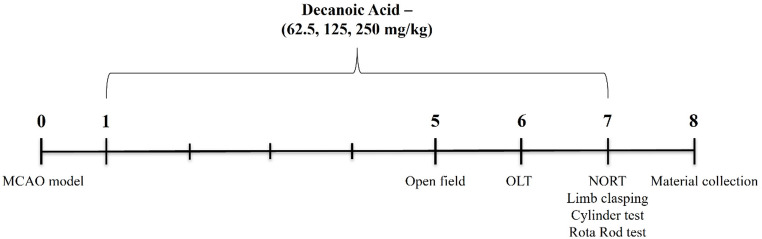 Figure 1
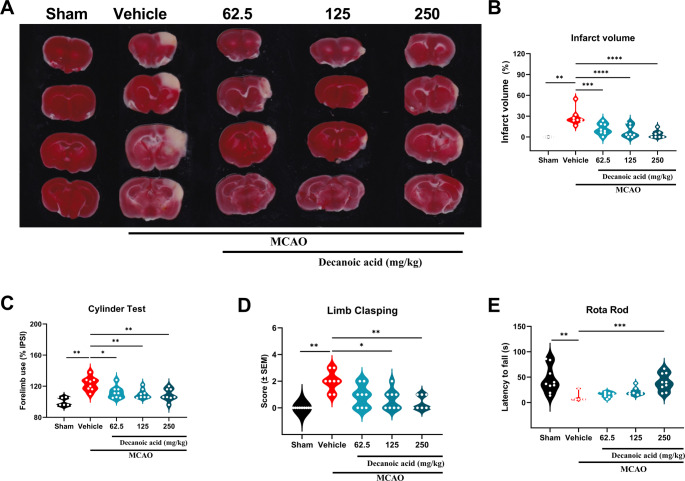 Figure 2
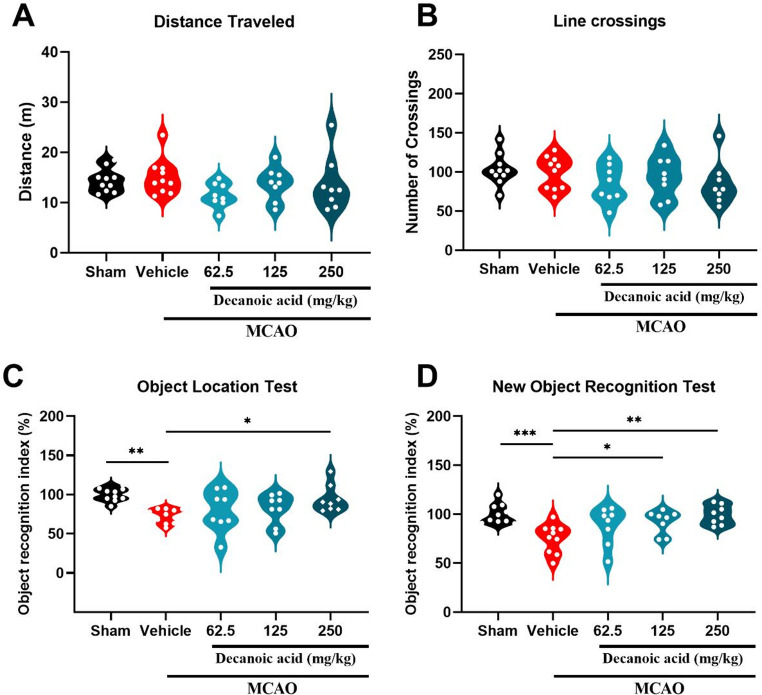 Figure 3
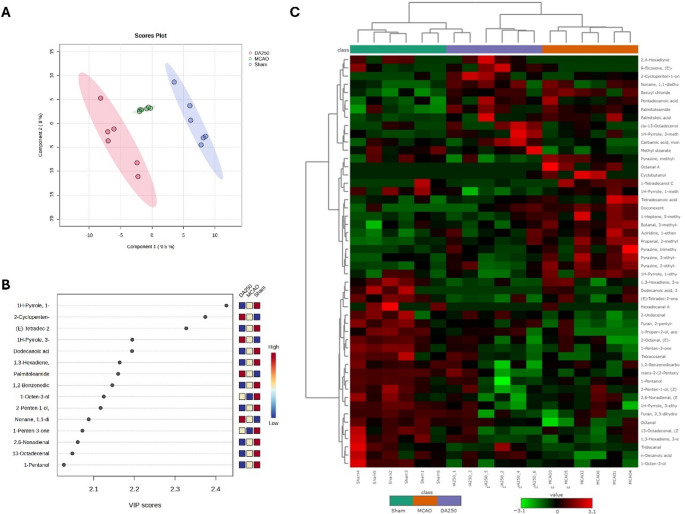 Figure 4
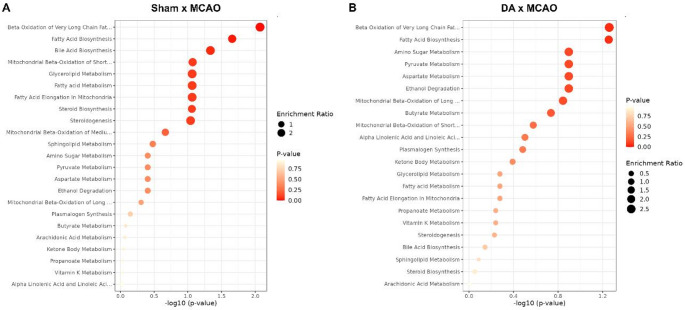 Figure 5
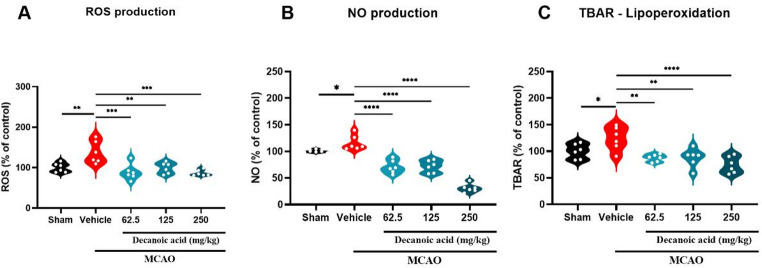 Figure 6
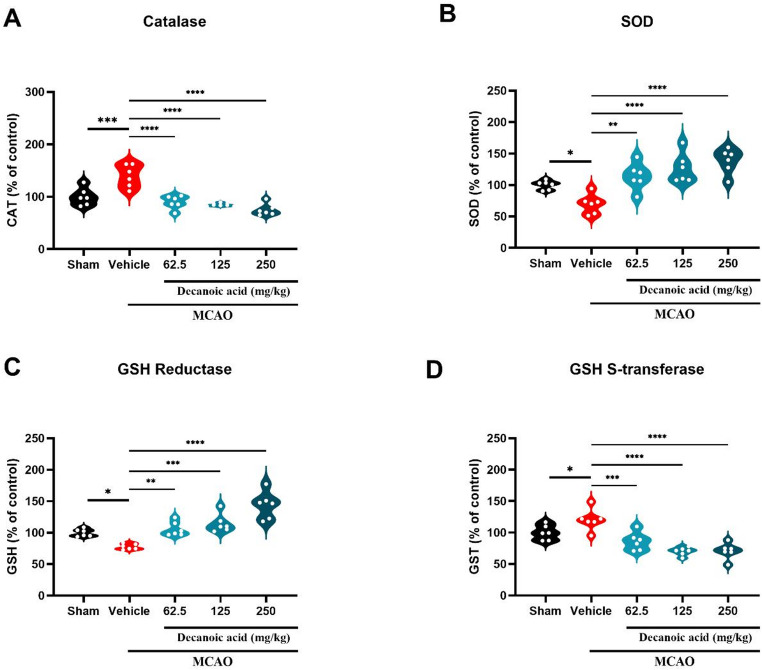 Figure 7
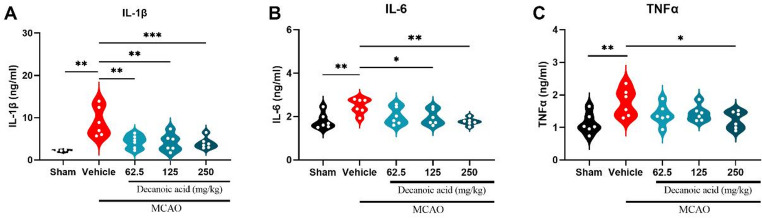 Figure 8
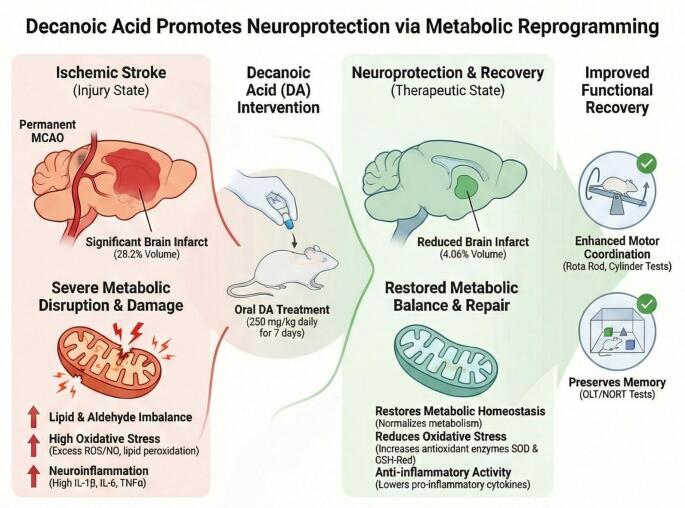 Figure 9
Peer Reviews
No public reviews on file for this paper yet. If you reviewed it on a platform where reviews are public (OpenReview, ICLR, NeurIPS, ICML), you can paste yours below so the community can read it here.
Videos
No videos yet. Explain this paper in a talk, walkthrough, or lecture? Add one.
Taxonomy
TopicsNeuroinflammation and Neurodegeneration Mechanisms · Neurological Disease Mechanisms and Treatments · Neurological Disorders and Treatments