Chemical profiling and biological activities of the medicinal macrofungus Coriolopsis gallica: volatile, non-volatile, and fatty acid composition with antioxidant and in silico–supported anti-inflammatory properties
Roukia Zatout, Ouided Benslama, Chaima Zatout, Stefania Garzoli

TL;DR
This paper explores the chemical makeup and health benefits of the Coriolopsis gallica mushroom, finding antioxidant and anti-inflammatory compounds that could be useful in natural medicine.
Contribution
The study provides a detailed chemical and biological profile of Coriolopsis gallica, supported by in silico analysis of its anti-inflammatory potential.
Findings
C. gallica contains high levels of linoleic acid and oleic acid, which may contribute to anti-inflammatory effects.
The ethanolic extract of C. gallica shows strong antioxidant activity with an IC₅₀ of 11.28 ± 0.24 µg/mL.
Molecular docking suggests several metabolites, including aucubin and phenolics, interact favorably with COX-2 and 5-LOX.
Abstract
Coriolopsis gallica, a medicinal macrofungus, was collected from a decaying hardwood trunk in Constantine, Algeria. C. gallica was investigated to explore its chemical composition and biological activities. Morphological analysis confirmed characteristic features of C. gallica and GC-MS and in silico analyses were performed. Chemical profiling revealed that the volatile fraction was dominated by benzyl benzoate (16.6%), and 2,4-di-tert-butylphenol (14.4%), while the non-volatile fraction was primarily lactose (90.6%) with notable aucubin (4.3%), a bioactive iridoid glycoside. Fatty acid analysis indicated high content of linoleic acid (79.0%) and oleic acid (11.8%), suggesting potential anti-inflammatory and antioxidant effects. The ethanolic extract demonstrated significant antioxidant activity in the DPPH assay (IC₅₀ = 11.28 ± 0.24 µg/mL) and moderate anti-denaturation activity…
Genes, proteins, chemicals, diseases, species, mutations and cell lines named across the full text — each resolved to its canonical identifier and authoritative record.
Click any figure to enlarge with its caption.
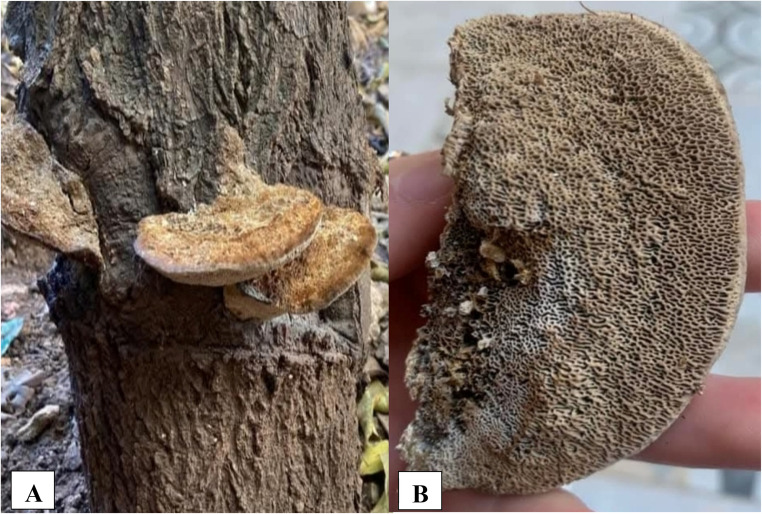 Figure 1
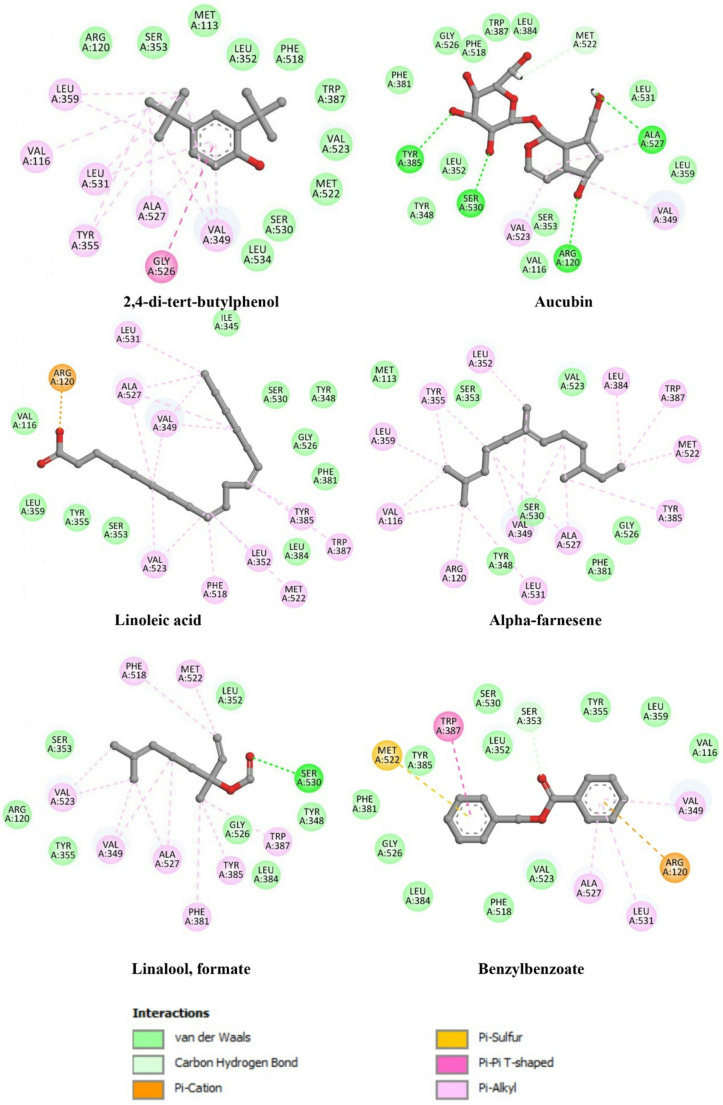 Figure 2
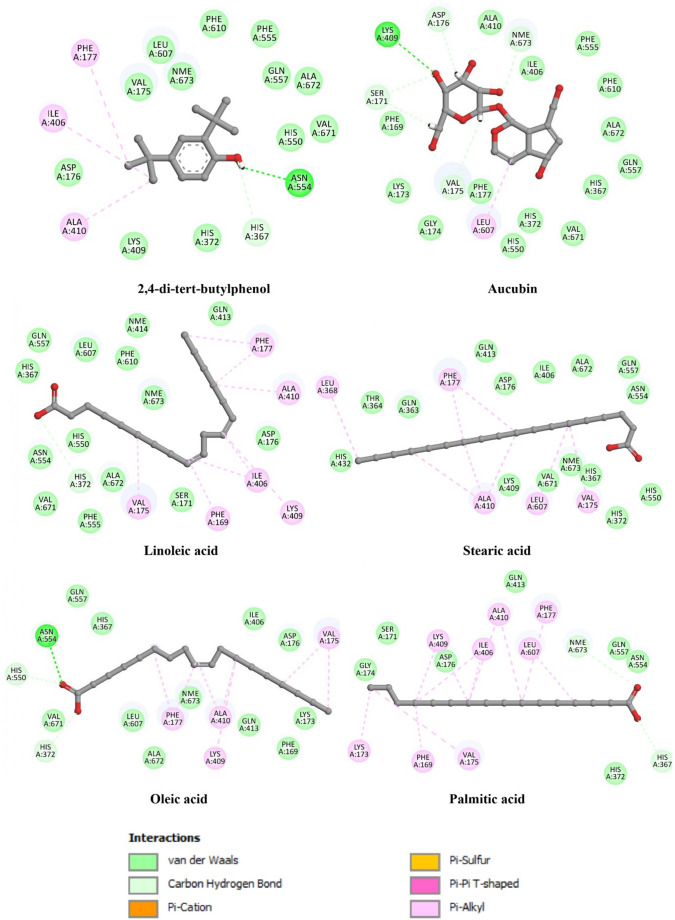 Figure 3
Peer Reviews
No public reviews on file for this paper yet. If you reviewed it on a platform where reviews are public (OpenReview, ICLR, NeurIPS, ICML), you can paste yours below so the community can read it here.
Videos
No videos yet. Explain this paper in a talk, walkthrough, or lecture? Add one.
Taxonomy
TopicsFungal Biology and Applications · Polysaccharides and Plant Cell Walls · Phytochemicals and Antioxidant Activities