Erector spinae plane block with bupivacaine contributes to intraoperative opioid sparing but provides limited postoperative pain control in cats undergoing elective ovariohysterectomy under continuous propofol infusion
Ana Paula Longo Ribeiro, Gilberto Serighelli-Júnior, Felipe Comassetto, Lorenzo Schmitz Borsato Cavagnari, Camila Fernanda Baehr Cavagnari, Atila Souza Rocha Freire de Santana, Maryana de Souza Matos, Ayla da Costa Wittaczik, Nilson Oleskovicz

TL;DR
An erector spinae plane block with bupivacaine reduced opioid use during surgery in cats but did not significantly improve postoperative pain control.
Contribution
The study is the first to evaluate the intraoperative and postoperative analgesic effects of ESP blocks in cats undergoing abdominal surgery.
Findings
ESP block with bupivacaine reduced intraoperative fentanyl use by 22.85% but not significantly.
No significant differences in postoperative analgesic requirements between groups.
ESP block may support multimodal analgesia during surgery but offers limited postoperative benefit.
Abstract
This study evaluated the intraoperative and postoperative analgesic effects of an ultrasound-guided erector spinae plane (ESP) block with bupivacaine in cats undergoing elective ovariohysterectomy. Sixteen healthy client-owned female cats (with, 2.62 ± 0.46 kg; and, 23.06 ± 20.34 months) were randomly assigned to two groups (n = 8 each). All animals received dexmedetomidine (2.5 µg/kg, intramuscularly), followed by propofol administered to effect for induction and maintained as a continuous rate infusion beginning at 0.3 mg/kg/min adjusted as necessary. Ultrasound-guided bilateral ESP blocks were performed at the first lumbar vertebra using 0.25% bupivacaine (0.5 mL/kg per side) in the bupivacaine group, (GB) or 0.9% saline in the saline group (GS). Intraoperative Cardiopulmonary variables and nociceptive responses were recorded, and fentanyl (2.5 µg/kg, IV) was administered as…
Genes, proteins, chemicals, diseases, species, mutations and cell lines named across the full text — each resolved to its canonical identifier and authoritative record.
Click any figure to enlarge with its caption.
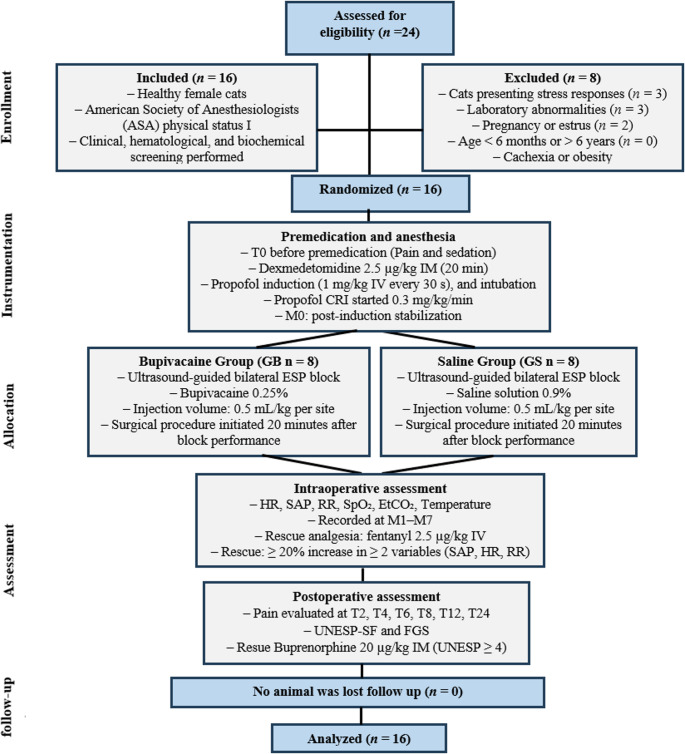 Figure 1
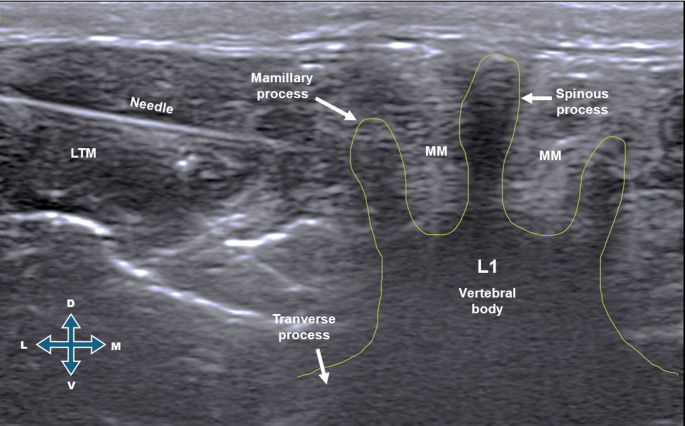 Figure 2
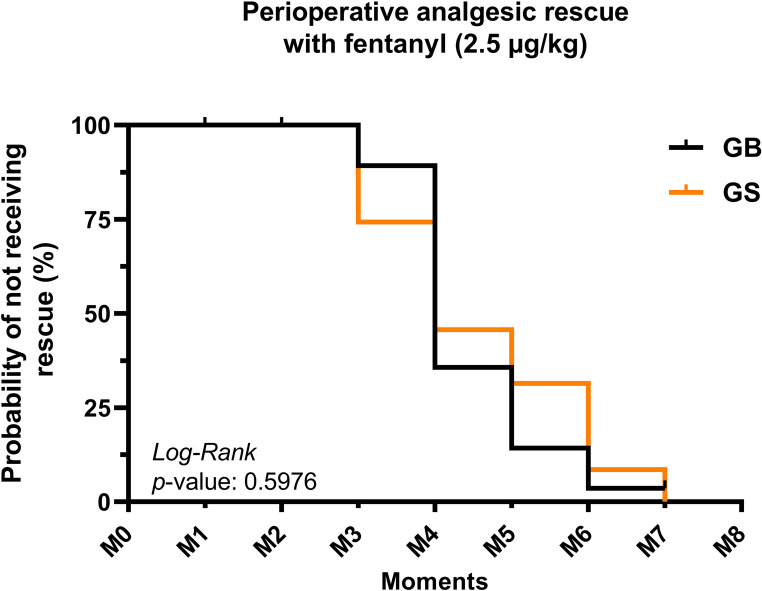 Figure 3
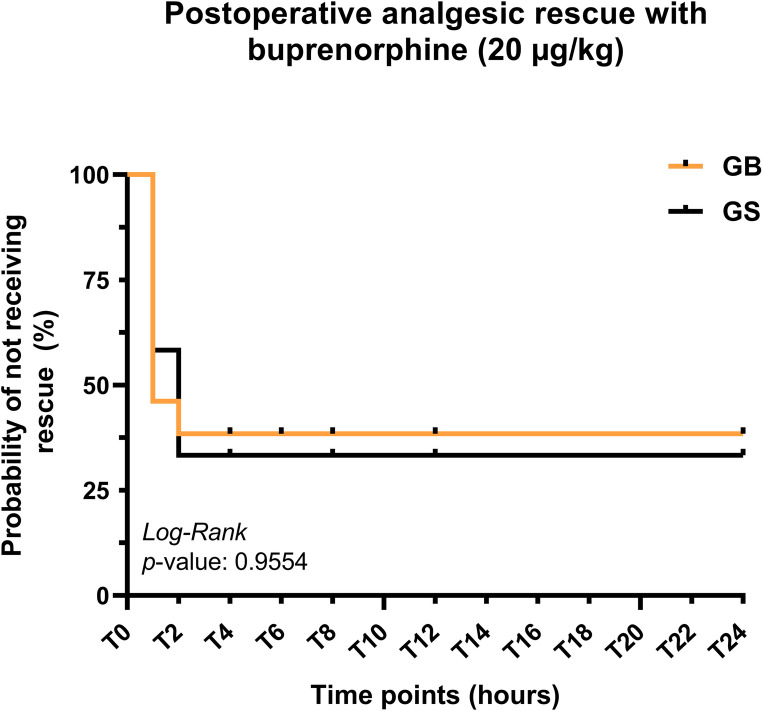 Figure 4
Peer Reviews
No public reviews on file for this paper yet. If you reviewed it on a platform where reviews are public (OpenReview, ICLR, NeurIPS, ICML), you can paste yours below so the community can read it here.
Videos
No videos yet. Explain this paper in a talk, walkthrough, or lecture? Add one.
Taxonomy
TopicsAnesthesia and Pain Management · Veterinary Pharmacology and Anesthesia · Veterinary Orthopedics and Neurology