Behavioral and electrophysiological evaluation of the efficacy of Origanum vulgare essential oil as anesthesia in Amazonian zootechnical fish
Axell Lins, Rômulo Augusto Feio Farias, Júlia Schneider Santiago, Luiz Fernando Duarte de Andrade Júnior, Antonio José Souza Nascimento, Raul Silva de Avellar, Beatriz Brilhante de Sousa, Artur de Barros Vaz Nascimento, João Guilherme Juarez Peres, Paula Izabelle Pantoja Veloso

TL;DR
This study evaluates the use of Origanum vulgare essential oil as an effective and safe anesthetic for Amazonian fish, showing it induces reversible anesthesia with minimal side effects.
Contribution
The study provides the first detailed electrophysiological evidence of OVEO-induced anesthesia in tambaqui fish.
Findings
OVEO at 19.04–38.08 mg L⁻¹ induced rapid and reversible anesthesia in tambaqui fish.
Higher OVEO concentrations caused bradycardia, respiratory depression, and prolonged recovery times.
Electrophysiological analysis showed reversible sinus bradycardia without conduction block at higher concentrations.
Abstract
The search for safe and effective anaesthetic agents for aquaculture is essential to improve fish welfare and management practices. This study evaluated the anaesthetic efficacy of Origanum vulgare essential oil (OVEO) in juvenile tambaqui (Colossoma macropomum), an important Amazonian species. A total of 108 fish were exposed to immersion baths with increasing OVEO concentrations (19.04–57.12 mg L⁻1). Behavioral endpoints, electrocardiographic activity, opercular movements, and plasma glucose were assessed to determine induction, maintenance, and recovery profiles. At 19.04–38.08 mg L⁻1, OVEO induced rapid loss of equilibrium with full recovery, establishing a safe anaesthetic window. Higher concentrations (47.60–57.12 mg.L⁻1) produced deep anesthesia but also concentration-dependent bradycardia, reduced opercular frequency, increased glycaemia, and prolonged recovery times.…
Genes, proteins, chemicals, diseases, species, mutations and cell lines named across the full text — each resolved to its canonical identifier and authoritative record.
Click any figure to enlarge with its caption.
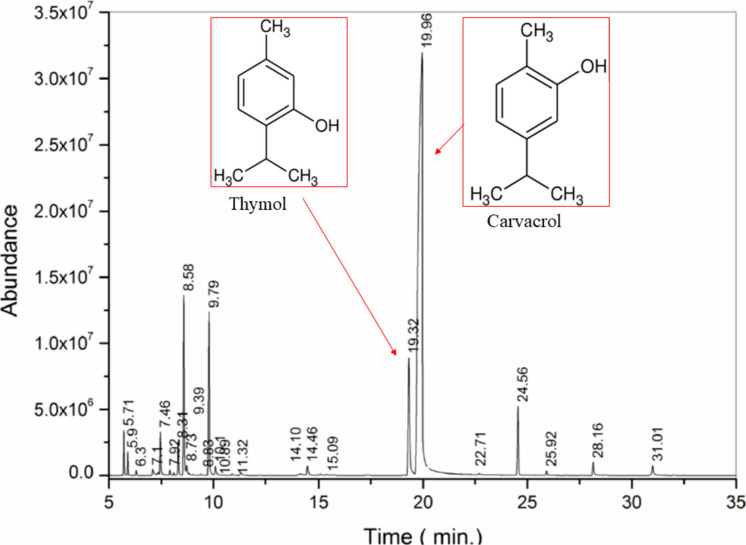 Figure 1
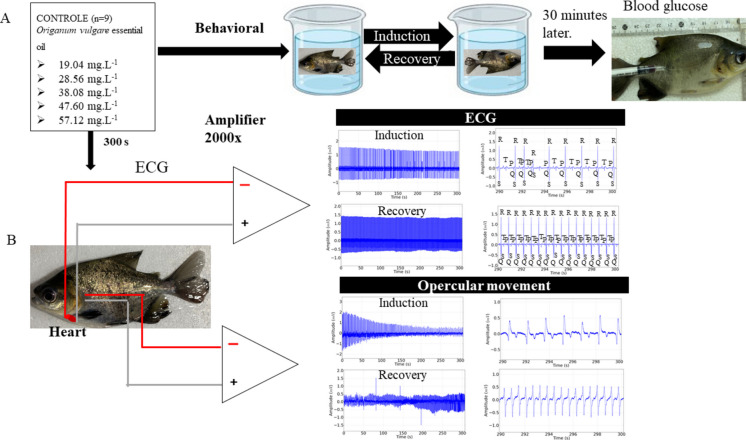 Figure 2
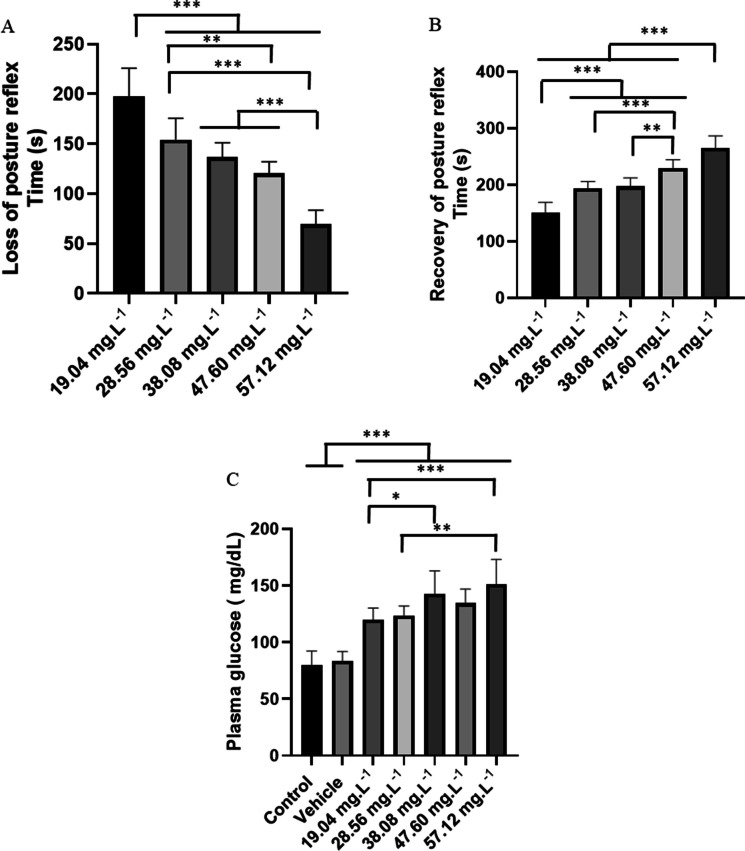 Figure 3
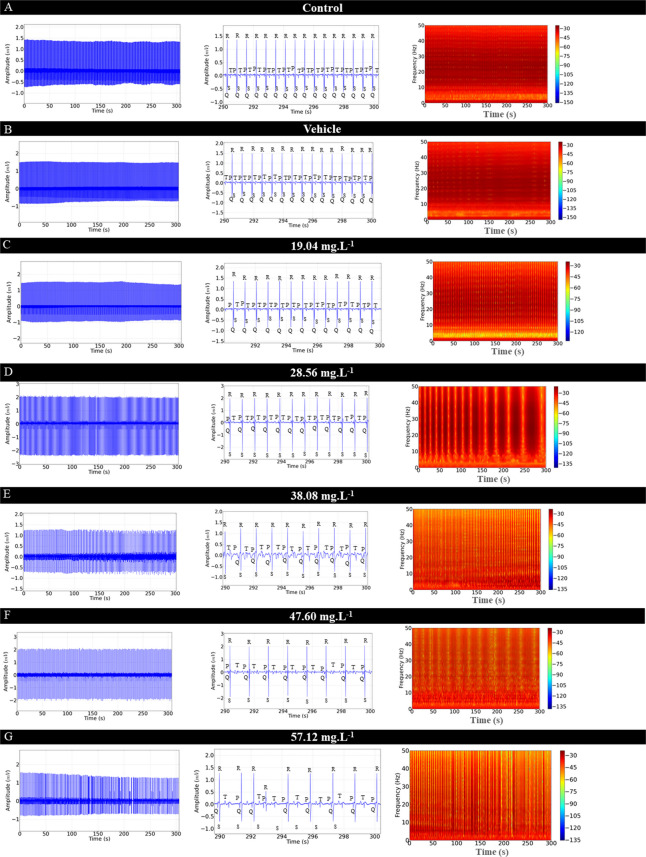 Figure 4
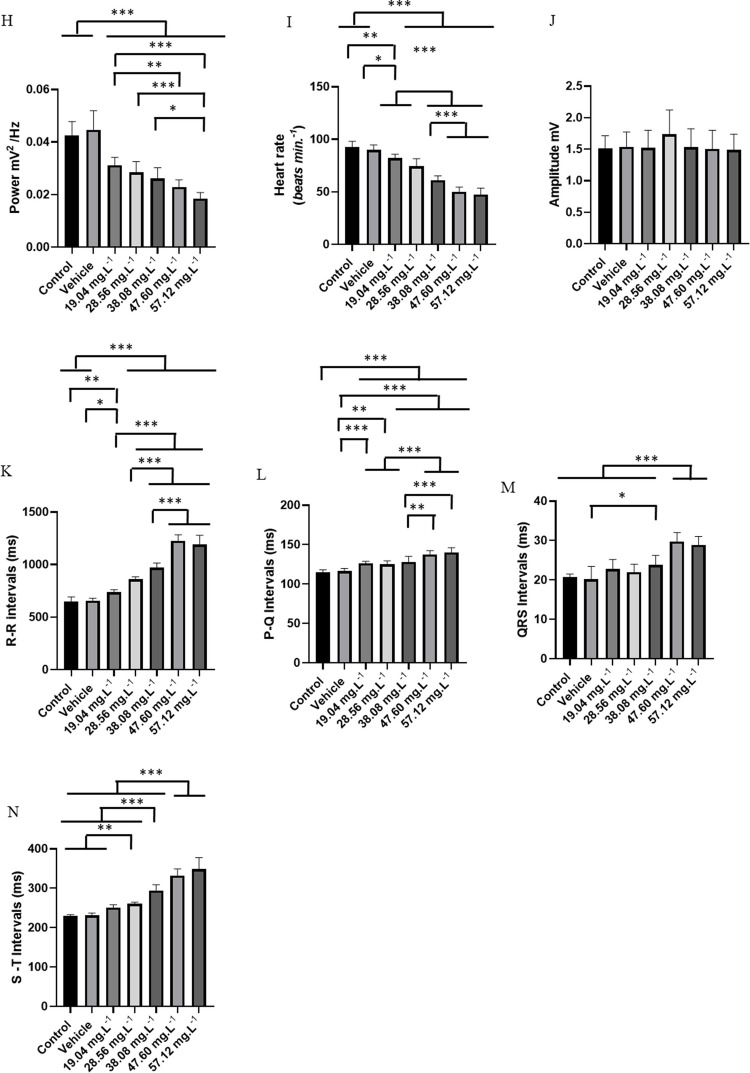 Figure 4
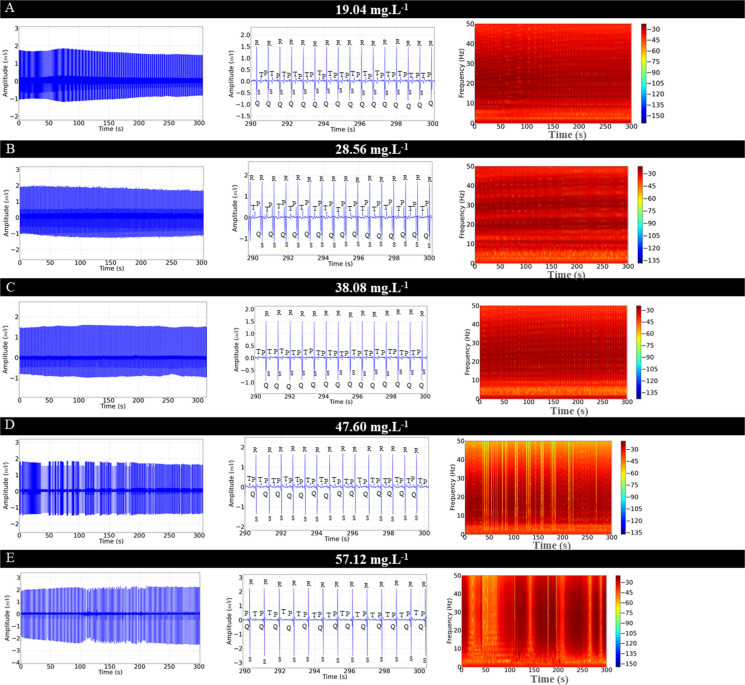 Figure 5
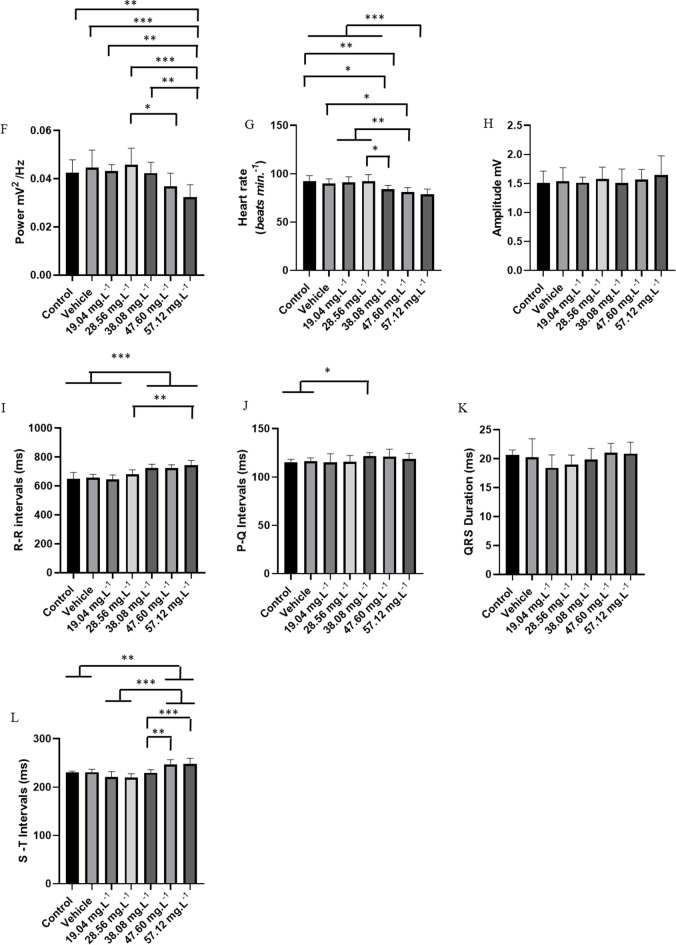 Figure 5
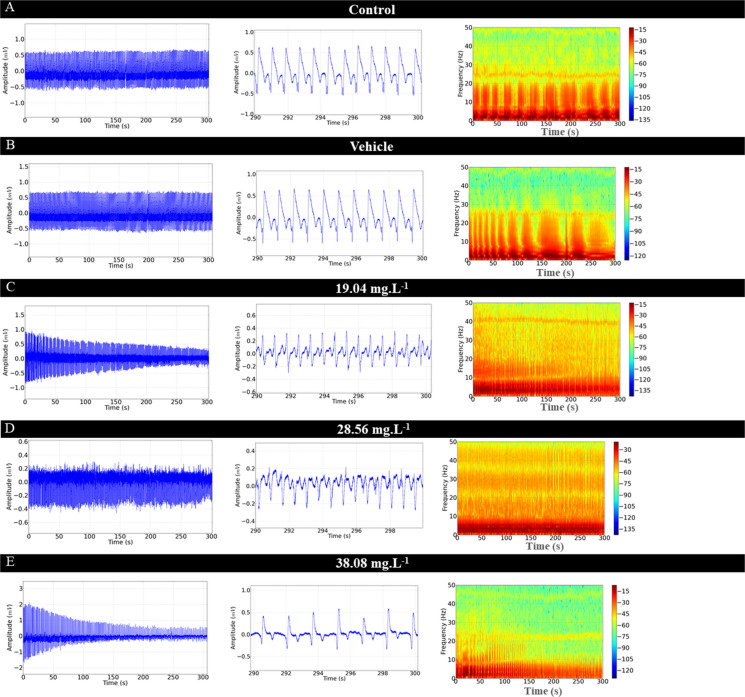 Figure 6
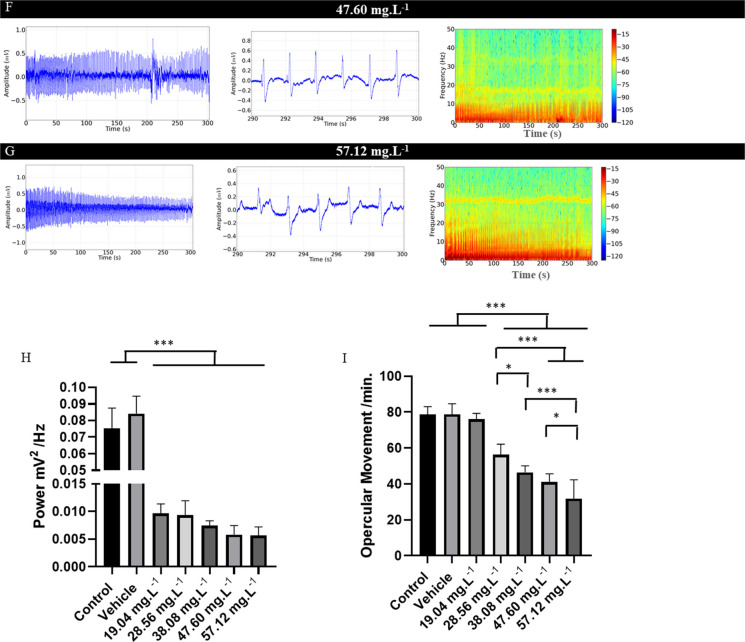 Figure 6
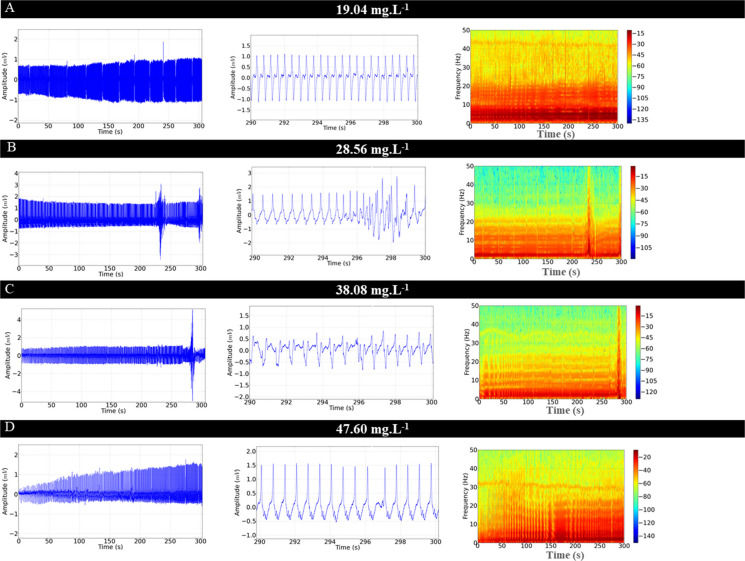 Figure 7
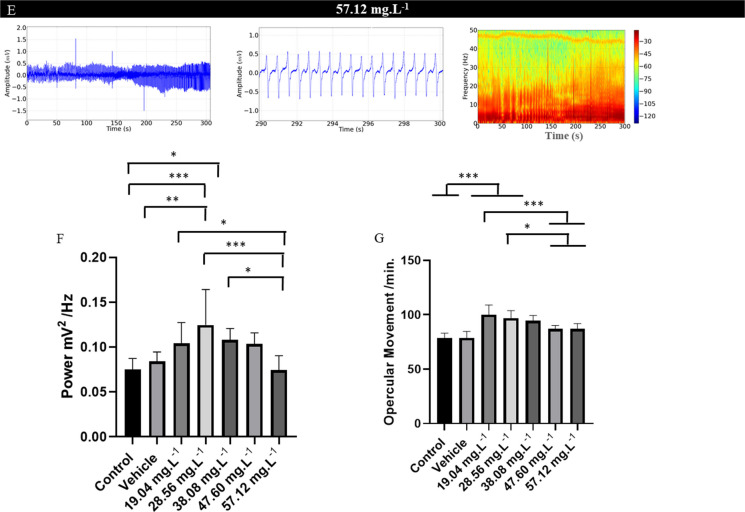 Figure 7
Peer Reviews
No public reviews on file for this paper yet. If you reviewed it on a platform where reviews are public (OpenReview, ICLR, NeurIPS, ICML), you can paste yours below so the community can read it here.
Videos
No videos yet. Explain this paper in a talk, walkthrough, or lecture? Add one.
Taxonomy
TopicsAquaculture disease management and microbiota · Aquaculture Nutrition and Growth · Veterinary Pharmacology and Anesthesia