Effect of Ageratum fastigiatum on Viability, Migration and Proliferation of Breast Cancer Cells in 2D and 3D Culture Models
João Paulo de Jesus Vieira, Ilva de Fátima Souza, Marcelo Bráulio Pedras, Elton Diêgo Bonifácio, Michaelle Geralda dos Santos, Bethânia Alves de Avelar Freitas, Libardo Andrés González Torres

TL;DR
This study shows that an extract from Ageratum fastigiatum can reduce the viability and migration of breast cancer cells in both 2D and 3D models.
Contribution
The novel contribution is the first evaluation of Ageratum fastigiatum's antitumor effects in a 3D tumor-on-a-chip model.
Findings
The extract reduced cell viability by 80% at 500 µg/mL in 2D cultures.
In 3D models, the extract inhibited cell migration by 59% at IC25 concentration.
3D models showed reduced sensitivity compared to 2D, highlighting the role of the tumor microenvironment.
Abstract
Triple-negative breast cancer (TNBC) is an aggressive subtype with limited therapeutic options, underscoring the need for novel antitumor agents and more physiologically relevant in vitro models. Although species of the Ageratum genus exhibit biological activity, the antitumor potential of Ageratum fastigiatum and its evaluation in three-dimensional (3D) microenvironment have not been previously investigated. This study evaluated the cytotoxic, antiproliferative, and antimigratory effects of the ethanolic extract of Ageratum. fastigiatum on TNBC cells MDA-MB-231 using conventional two-dimensional (2D) cultures and a 3D tumor-on-a-chip model. In 2D cultures, cell viability assessed by the MTT assay revealed an IC50 of 308 µg/mL, and approximately 80% reduction in viability at a concentration of 500 µg/mL. The extract significantly inhibited cell migration in scratch assays and reduced…
Genes, proteins, chemicals, diseases, species, mutations and cell lines named across the full text — each resolved to its canonical identifier and authoritative record.
Click any figure to enlarge with its caption.
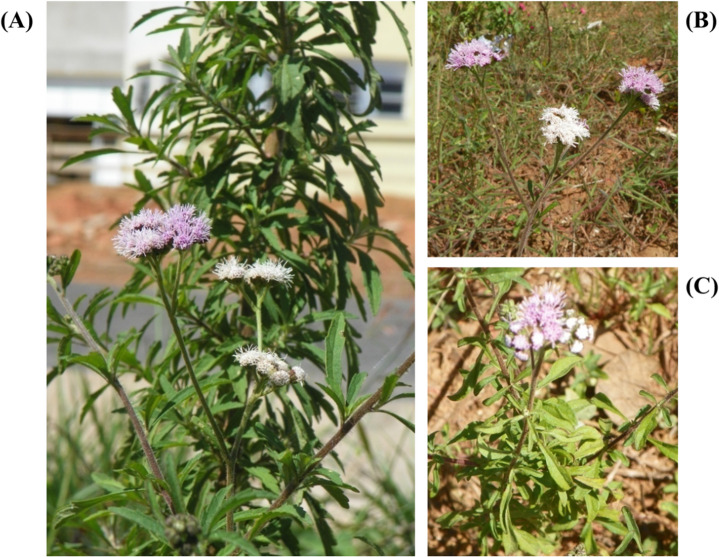 Figure 1
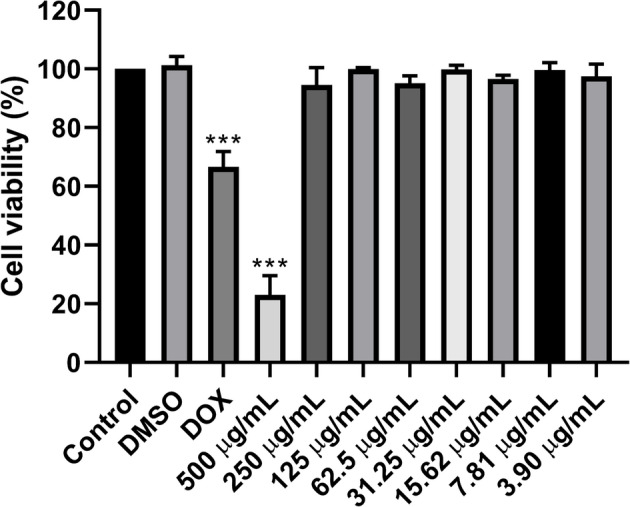 Figure 2
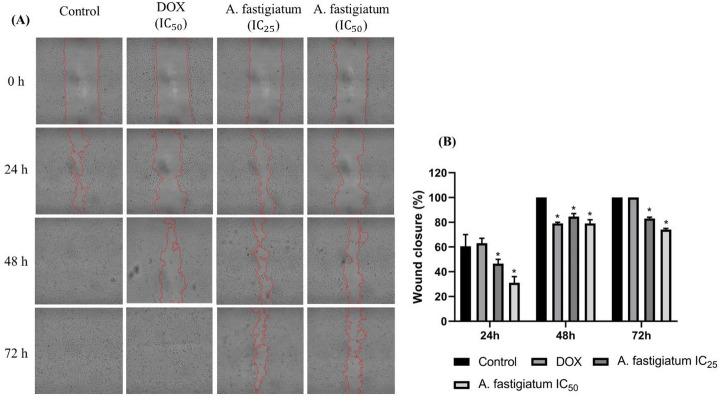 Figure 3
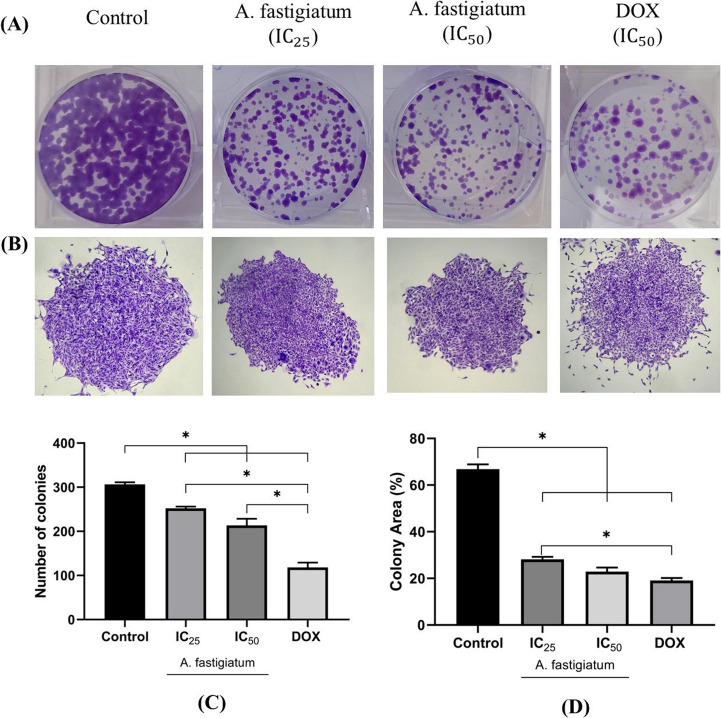 Figure 4
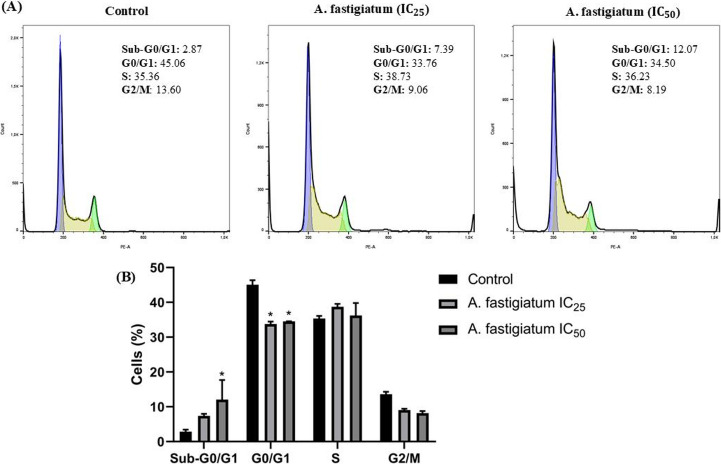 Figure 5
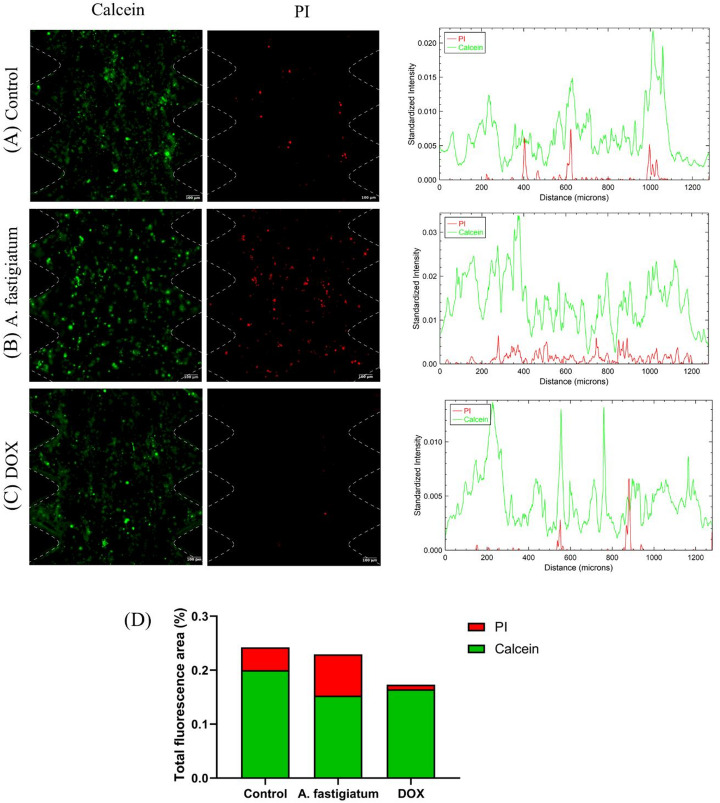 Figure 6
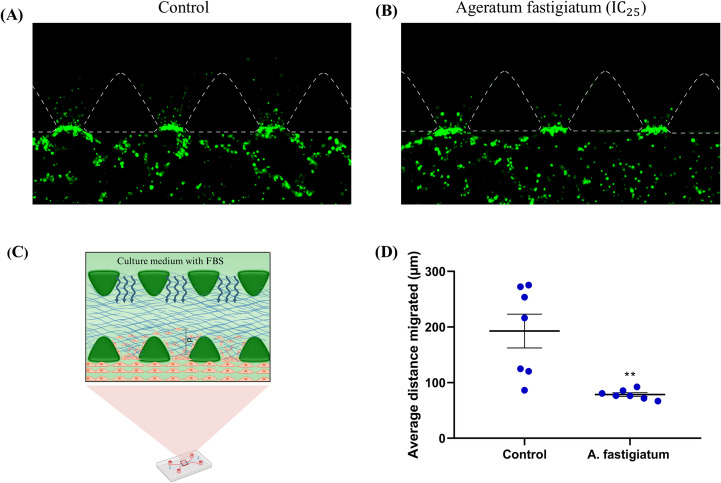 Figure 7
Peer Reviews
No public reviews on file for this paper yet. If you reviewed it on a platform where reviews are public (OpenReview, ICLR, NeurIPS, ICML), you can paste yours below so the community can read it here.
Videos
No videos yet. Explain this paper in a talk, walkthrough, or lecture? Add one.
Taxonomy
Topics3D Printing in Biomedical Research · Fungal Biology and Applications · Sesquiterpenes and Asteraceae Studies