Antimony: a cryptic metabolism disruptor ubiquitous in food contact materials
Luyu Wang, Spyridoula Gerassimidou, Birgit Geueke, Ksenia J Groh, Eleni Iacovidou, Aaish Majid, Olwenn Martin, Jane Muncke, Lindsey V Parkinson, Margaret C Weiss, Robert M Sargis

TL;DR
Antimony, a metalloid used in food packaging, may disrupt metabolism and contribute to health issues like obesity and heart disease.
Contribution
This review systematically assesses antimony migration from food contact materials and its health risks.
Findings
Antimony is commonly found in food contact materials like PET plastics and ceramics.
Antimony exposure is linked to cardiometabolic diseases such as diabetes and heart failure.
The study highlights the need for guidelines to reduce antimony-related health risks.
Abstract
Antimony (Sb) is a group 15 metalloid that is used as a catalyst in the production of polyethylene terephthalate (PET) plastic, a common food contact material (FCM). PET accounts for over 44% of single-use beverage packaging units and is also used in the production of food trays, storage containers, and other items. Due to its frequent co-occurrence with other metals, Sb is also a common contaminant in crystalware, ceramics, and metal FCMs. In light of the increasing use of Sb-containing FCMs in modern society, a thorough evaluation of Sb's potential effect on public health is warranted. Burgeoning evidence suggests Sb is linked to common cardiometabolic conditions, including dyslipidemia, obesity, diabetes, hypertension, heart failure, and atherosclerotic cardiovascular disease. Thus, this review aims to (1) perform a comprehensive systematic assessment of Sb migration from FCMs into…
Genes, proteins, chemicals, diseases, species, mutations and cell lines named across the full text — each resolved to its canonical identifier and authoritative record.
Click any figure to enlarge with its caption.
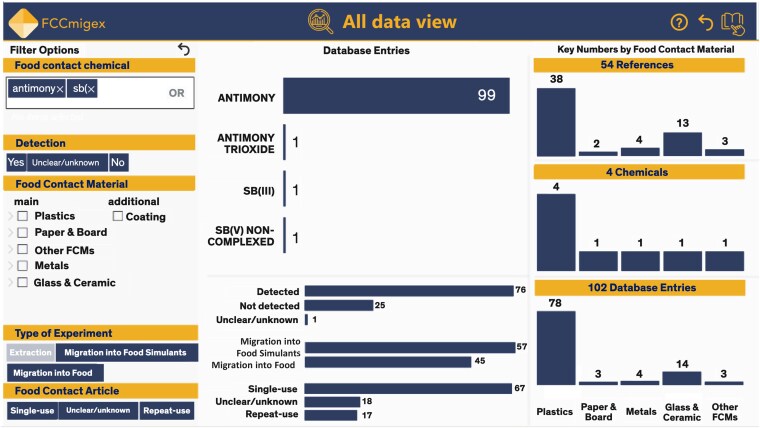 Figure 1
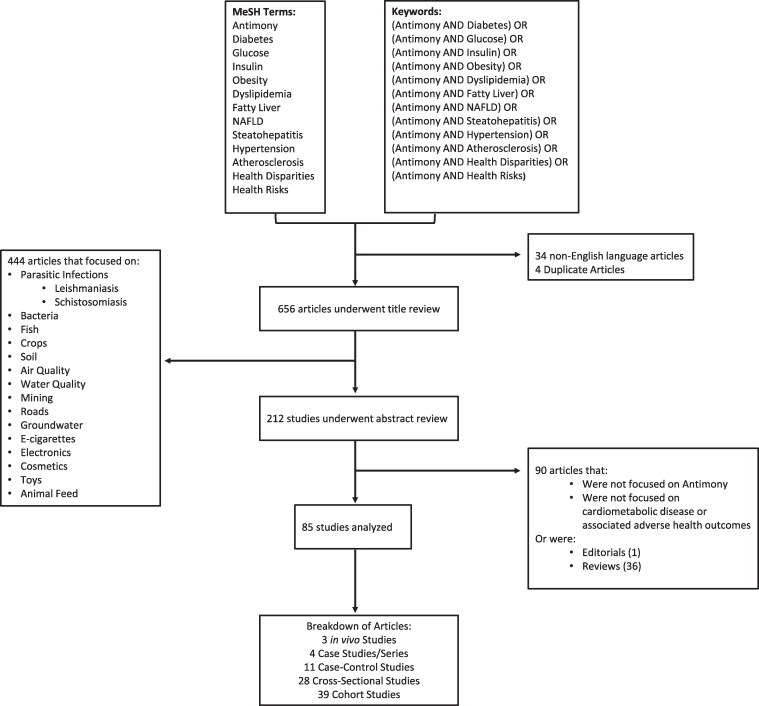 Figure 2
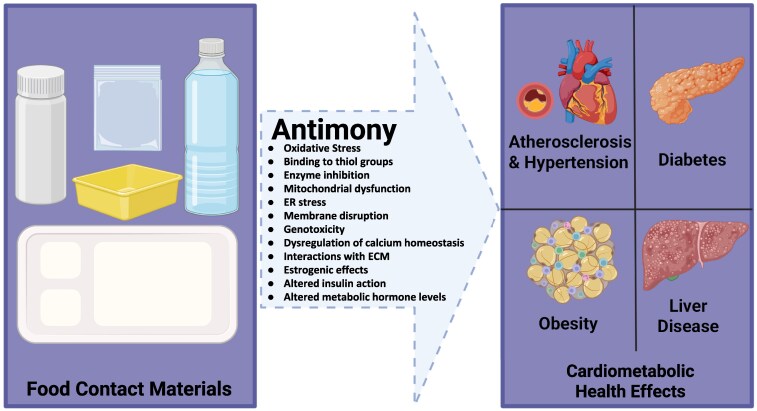 Figure 3
Peer Reviews
No public reviews on file for this paper yet. If you reviewed it on a platform where reviews are public (OpenReview, ICLR, NeurIPS, ICML), you can paste yours below so the community can read it here.
Videos
No videos yet. Explain this paper in a talk, walkthrough, or lecture? Add one.
Taxonomy
TopicsArsenic contamination and mitigation · Heavy Metal Exposure and Toxicity · Chromium effects and bioremediation